Vietnam
Top Attractions in Can Tho: 9 Must-See Places & Museums
By Wander in Vietnam editorial team · Hanoi, Vietnam
Can Tho's main attractions cluster around Hòa Bình ward (museums), Trần Văn Khéo (riverfront), and Ninh Kiều district (parks and walkways). The city's Can Tho Museum (Bảo tàng thành phố Cần Thơ, 1 Hòa Bình) covers colonial history and river trade; allow 1–2 hours. Entry costs around 50,000 VND ($2–3 USD), usually open 08:00–17:00 Tuesday to Sunday. Riverside strolls along Hậu River are free; the Ninh Kiều Walking Bridge (Cầu đi bộ Ninh Kiều) offers sunset views. Skip touristy karaoke bars in the centre—they cater to domestic groups and overcharge foreigners. For craft workshops, visit MEKO handicraft company (Công ty thủ công mỹ nghệ MEKO), where you can watch and buy hand-woven textiles. Wander in Vietnam recommends combining these with a short Ho Chi Minh City or Ha Long Bay leg for a full delta-to-coast journey. ---
Where should I start: museums or riverfront?
The Can Tho Museum (Bảo tàng thành phố Cần Thơ, 1 Hòa Bình, Hòa Bình ward) is your best entry point. It sits centrally and runs 08:00–11:30, 13:00–17:00 (closed Mondays). Entry is around 50,000 VND ($2–3 USD). Exhibits cover Khmer ceramics, French colonial furniture, and river-trade history; captions are in Vietnamese and English. Allow 60–90 minutes. Then walk 10 minutes south to Bờ kè sông Hậu (Trần Văn Khéo riverfront), which is free and best at sunset (17:30–18:30). This sequence suits first-time visitors and requires no boat ticket.
🎟️ Compare tours & tickets for this place
Which riverside spot is best for photos?
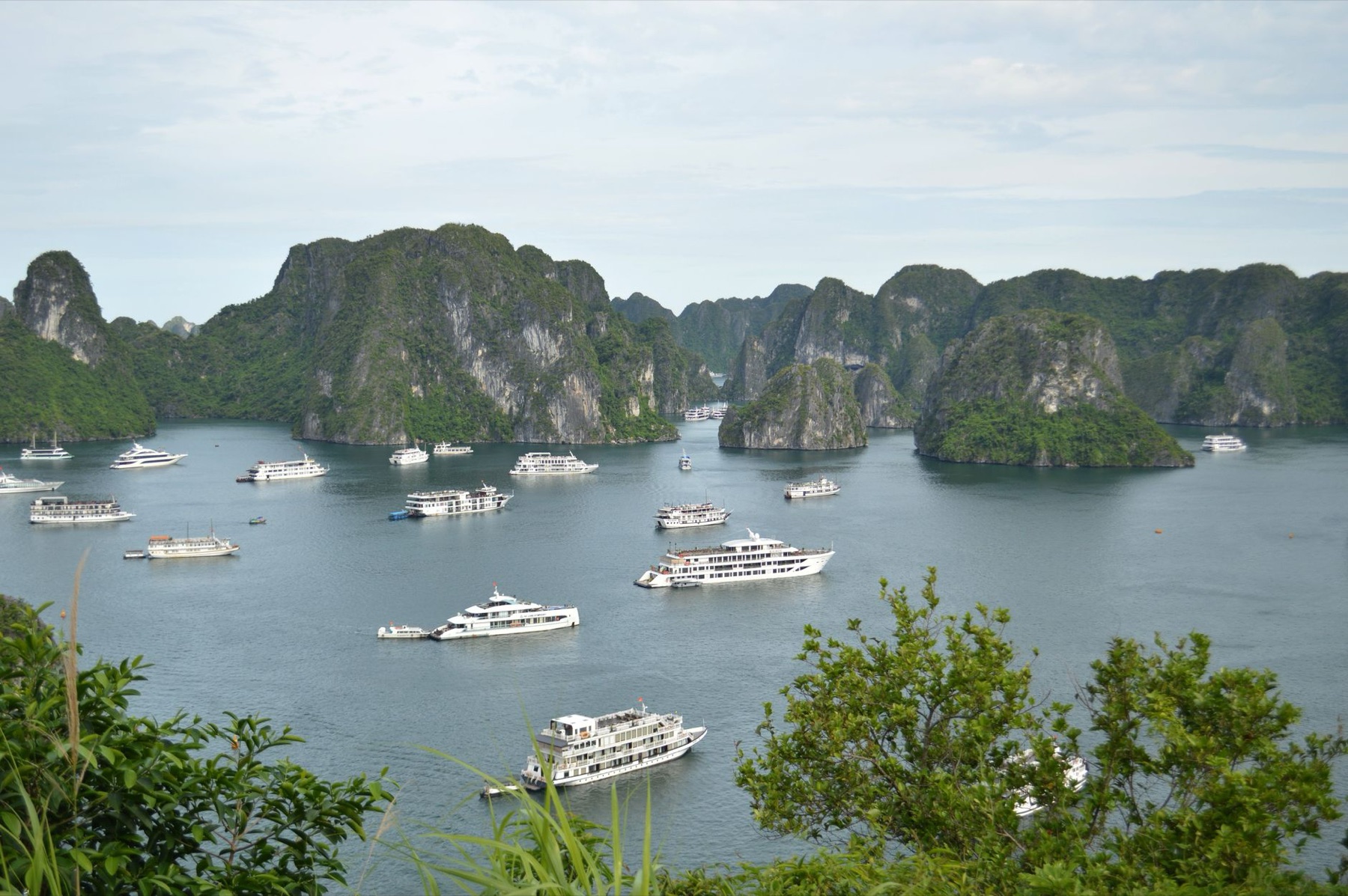
Cầu đi bộ Ninh Kiều (Ninh Kiều Walking Bridge) is the most Instagram-friendly riverside location. It spans the Hậu River with dual pedestrian walkways, free entry, and is lit at night. Morning light (06:30–08:00) suits landscape shots; golden hour (17:00–18:30) works for portraits. The bridge connects Ninh Kiều district to a small park on the opposite bank. Avoid midday (11:00–14:00) when heat and glare peak. XK Club, also on Trần Văn Khéo, is a closed-door beer venue popular with expat residents—not a tourist attraction, so skip it unless you know locals. The working riverfront at Trần Văn Khéo lets you watch cargo boats and floating markets from street level at no cost.
📸 Book an ao dai photoshoot in Hanoi or Saigon (Cáo Studio)
What museums teach you about delta life?
Can Tho has three specialized museums worth visiting:
| Museum | Location | Focus | Hours | Cost | Time needed |
|---|---|---|---|---|---|
| Bảo tàng thành phố Cần Thơ | 1 Hòa Bình, Hòa Bình | Colonial history, river trade | Tue–Sun 08:00–11:30, 13:00–17:00 | ~50,000 VND ($2–3) | 60–90 min |
| Bảo tàng Hồ Chí Minh (Can Tho branch) | Cần Thơ | Ho Chi Minh memorabilia | Tue–Sun 08:00–11:30, 13:00–17:00 | ~20,000 VND ($1) | 30–45 min |
| Bảo tàng Quân khu 9 | Cần Thơ | Military history, Việt Cộng artifacts | By appointment only | ~30,000 VND ($1–2) | 45–60 min |
The main Can Tho Museum has the best curation and English explanations. The Ho Chi Minh Museum is small and repetitive if you've visited similar sites in Hanoi or Hoi An. The Military Zone 9 Museum requires advance notice and appeals only to history buffs—call the tourism office to arrange entry.
Where can you buy authentic delta crafts?
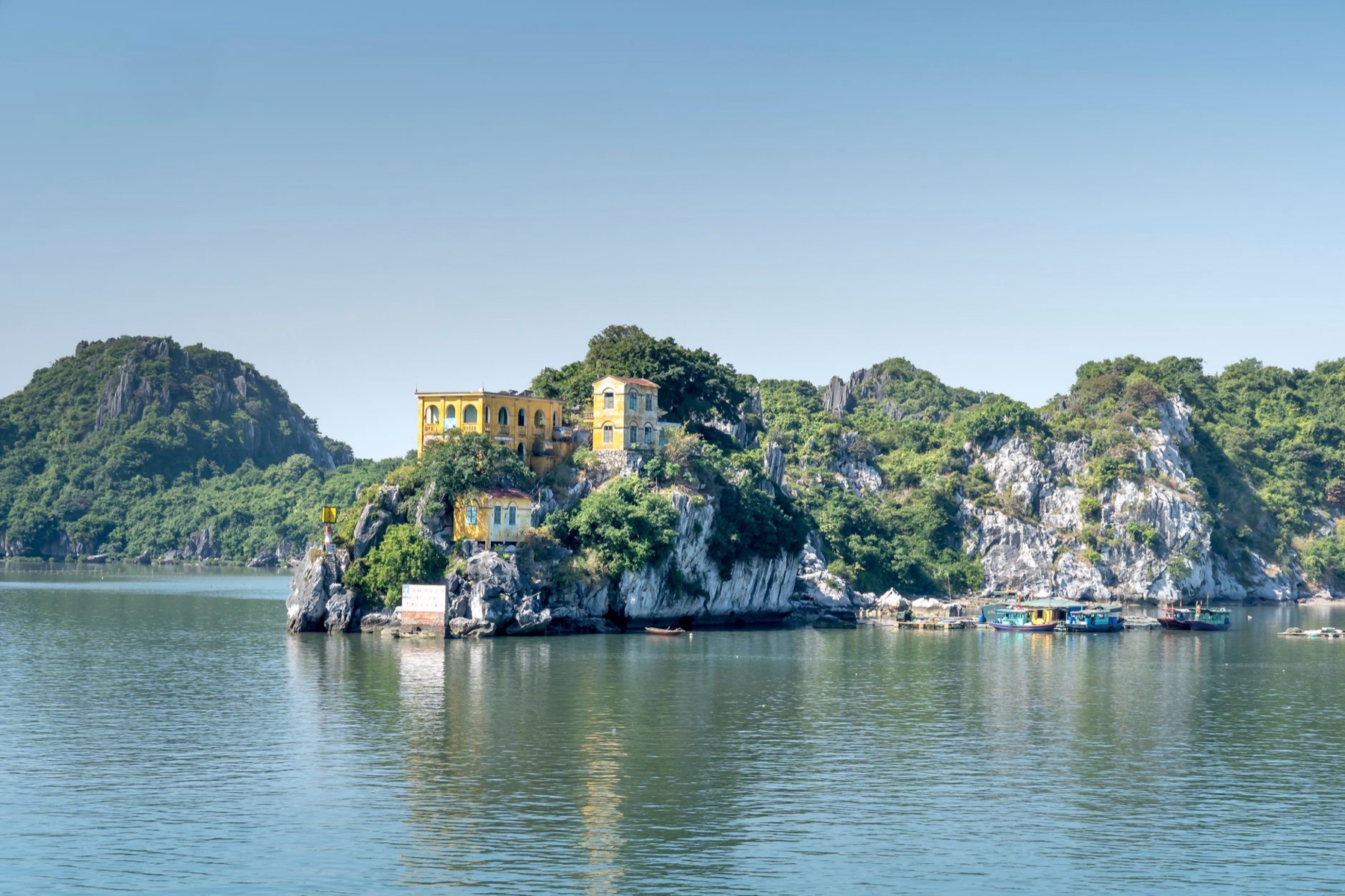
Công ty thủ công mỹ nghệ MEKO (Can Tho handicraft company) produces hand-woven textiles, coconut-shell bowls, and silk scarves. You can watch weavers at work on weekday mornings (08:00–11:00). Items range from around 100,000 VND ($4–5 USD) for a small scarf to 500,000+ VND ($20+ USD) for larger pieces. No fixed closing time published; visit in the morning to ensure staff presence. TT mỹ thuật Giáng Ngọc is a smaller art studio in Cần Thơ offering watercolor and lacquer pieces; quality is uneven but prices are lower (50,000–300,000 VND / $2–12 USD). Both workshops are run by families, not tourist chains, so bargaining is acceptable (10–20% off is realistic). Avoid mass-produced "Can Tho souvenirs" sold at central markets—they're made in China.
🗺️ Plan your route: Vietnam itinerary
What should you skip or avoid?
Cần Thơ Karaoke bars (Cần thơ karaoke) in District 1 are overpriced and cater to domestic groups. Foreigners are often charged double for drinks and steered toward premium room packages. Skip them. Tarot Museum, if still operating, is a novelty attraction targeting tourists on guided tours—not worth your time or entry fee. The smaller parks (Công viên Lưu Hữu Phước, generic "Công Viên" sites) lack character and are mostly used by locals during early morning exercise; visit only if you have spare time. Avoid the riverfront after dark (21:00+) in quieter sections; central areas like the bridge and main promenade are safe. Tourist "Mekong floating-market tours" sold at hotels often require 03:00 starts and include forced shopping stops—book directly with boatmen at Ninh Kiều dock the night before (cost around 150,000–250,000 VND / $6–10 USD per person, no middleman markup).
---
What to Check Before You Plan Your Can Tho Visit
- Confirm museum opening days: Many close Mondays and run shortened hours (08:00–11:30, 13:00–17:00); call ahead.
- Bring cash: Museums and craft workshops do not accept cards; ATMs are available on Trần Hưng Đạo street.
- Timing matters: Avoid midday heat (12:00–15:00); visit museums then and do riverside walks at sunrise or sunset.
- Language barrier: English signage is minimal; hire a local guide (around 300,000–500,000 VND / $12–20 USD for a half-day) or use offline maps and a translation app.
- Boat tours: Book early in the morning at the dock, not via hotel concierge—you'll pay 40–50% less.
- Transport: Grab/motorbike taxi is fastest; buses run frequently but are crowded and confusing for non-Vietnamese speakers.
---
🎟️ Compare tours & tickets for this place
For a full delta experience, pair Can Tho with a Ninh Binh or Sapa trip, or extend into Hoi An. If you're traveling on an international phone, pick up a Vietnam eSIM for navigation and museum research. First-time Vietnam visitors often combine Can Tho with Ho Chi Minh City as a two-city delta itinerary.
---
FAQ
What is the best time to visit Can Tho?
November to February (dry, cool). Avoid May to September (monsoon season, 35°C+ heat, frequent flooding). Tourist crowds are lowest in March–April and September–October. These shoulder months offer decent weather and lower hotel prices.
How long should I spend in Can Tho?
One full day covers all major museums, the walking bridge, and riverside walks. Two days allows for craft-studio visits, a floating-market tour at dawn, and dinner at a local restaurant. First-time visitors usually spend 1–2 days; longer stays suit photography or serious craft-shopping.
Is Can Tho safe for solo travelers?
Yes. Petty theft is rare; locals are friendly and curious about foreign visitors. Avoid walking alone in back streets after 21:00. Women report no harassment beyond the usual street vendors. Keep a photocopy of your passport and store the original in your hotel safe.
Can I use a credit card in Can Tho?
Restaurants and hotels accept cards, but museums, markets, and craft workshops are cash-only (Vietnamese Dong). ATMs are common on Trần Hưng Đạo and Hòa Bình streets. Notify your bank of travel dates to avoid card blocks.
Do I need a guide for Can Tho?
No. Museums have adequate English signage, and the city is walkable. A guide (300,000–500,000 VND / $12–20 USD, half-day) is useful only if you want detailed history or plan to visit the Military Zone Museum. For floating-market tours, a boatman guide is essential—hire one at Ninh Kiều dock.
Are souvenirs in Can Tho a good buy?
Textiles and handicrafts from MEKO and smaller studios are authentic and fairly priced (100,000–500,000 VND / $4–20 USD). Mass-produced items in central markets are tourist traps and low quality. Coconut-shell products are light and affordable (30,000–80,000 VND / $1–3 USD).
How do I get to Can Tho from Ho Chi Minh City?
Bus (4 hours, around 150,000–250,000 VND / $6–10 USD, regular departures); domestic flights (1 hour, budget airlines 500,000–800,000 VND / $20–32 USD); or private car/driver (negotiable, 1.2–1.5 million VND / $48–60 USD round-trip). Buses depart from Mien Tay station. Flights reduce transit time but offer no cost saving.
FAQ
What is the best time to visit Can Tho?
November to February (dry, cool). Avoid May to September (monsoon season, 35°C+ heat, frequent flooding). Tourist crowds are lowest in March–April and September–October. These shoulder months offer decent weather and lower hotel prices.
How long should I spend in Can Tho?
One full day covers all major museums, the walking bridge, and riverside walks. Two days allows for craft-studio visits, a floating-market tour at dawn, and dinner at a local restaurant. First-time visitors usually spend 1–2 days; longer stays suit photography or serious craft-shopping.
Is Can Tho safe for solo travelers?
Yes. Petty theft is rare; locals are friendly and curious about foreign visitors. Avoid walking alone in back streets after 21:00. Women report no harassment beyond the usual street vendors. Keep a photocopy of your passport and store the original in your hotel safe.
Can I use a credit card in Can Tho?
Restaurants and hotels accept cards, but museums, markets, and craft workshops are cash-only (Vietnamese Dong). ATMs are common on Trần Hưng Đạo and Hòa Bình streets. Notify your bank of travel dates to avoid card blocks.
Do I need a guide for Can Tho?
No. Museums have adequate English signage, and the city is walkable. A guide (300,000–500,000 VND / $12–20 USD, half-day) is useful only if you want detailed history or plan to visit the Military Zone Museum. For floating-market tours, a boatman guide is essential—hire one at Ninh Kiều dock.
Are souvenirs in Can Tho a good buy?
Textiles and handicrafts from MEKO and smaller studios are authentic and fairly priced (100,000–500,000 VND / $4–20 USD). Mass-produced items in central markets are tourist traps and low quality. Coconut-shell products are light and affordable (30,000–80,000 VND / $1–3 USD).
How do I get to Can Tho from Ho Chi Minh City?
Bus (4 hours, around 150,000–250,000 VND / $6–10 USD, regular departures); domestic flights (1 hour, budget airlines 500,000–800,000 VND / $20–32 USD); or private car/driver (negotiable, 1.2–1.5 million VND / $48–60 USD round-trip). Buses depart from Mien Tay station. Flights reduce transit time but offer no cost saving.