Hanoi · Things to do
Top Attractions in Hanoi: Where to Go & What to Skip
By Wander in Vietnam editorial team · Hanoi, Vietnam
Hanoi's top attractions cluster into five zones: the Old Quarter (Hoan Kiem Lake area), spiritual sites (temples and pagodas), water landmarks (lakes and rivers), colonial architecture, and local markets. Most visitors arrive with an Instagram checklist and leave having missed the neighborhoods where real Hanoians live. This guide cuts through the noise.
We've spent years testing every major landmark, from sunrise at Hoan Kiem to night markets in the Old Quarter. Here's what actually justifies your time—and your money.
Which lakes and water landmarks are worth your morning?
Hoan Kiem Lake (Sword Lake) and Ho Tay (West Lake) dominate Hanoi's water attractions. Hoan Kiem, in the city center, is where locals run, photograph sunrise, and rest between errands. Arrive by 6 a.m. to see the genuine scene before tour groups arrive. Entry is free. Ho Tay, larger and farther north, offers quieter shoreline walks, waterfront cafes (around $2–4 USD for coffee), and access to Tran Quoc Pagoda, one of Vietnam's oldest temple sites.
Skip: Hoan Kiem's Jade Island Temple during mid-morning to late afternoon—you'll queue 45 minutes for a 10-minute look. The water itself is not swimmable; locals use it for photo ops and exercise, not bathing.
Real value: Walk the full perimeter of Hoan Kiem (2 km) at dawn. Detour into the quiet alleys on the lake's west side to find family-run pho shops opening for breakfast (around $1–2 USD per bowl).
For Ho Tay, rent a bike from your hotel or a local shop (around $2–3 USD/day) and loop the shore. Stop at Tran Quoc Pagoda (free entry, small donation appreciated) around 8–9 a.m. before schoolkids arrive.
What do Hanoi's temples actually offer—beyond photos?
The Temple of Literature (Van Mieu) is Hanoi's most-visited spiritual site and also the most misunderstood. It's not a working temple; it's a Confucian academy dating to 1070, now a museum. Admission is around $3 USD. Expect crowds, especially Oct–Mar. The courtyards are beautiful, but the explanatory plaques are sparse.
Genuine temples (still active, less touristy):
- Tran Quoc Pagoda (Ho Tay, mentioned above): Free or small donation. Monks still pray here; it feels lived-in.
- Quan Thanh Temple (north Hanoi, near Ho Tay): Free. Dedicated to a war deity; locals come to pray, not tourists.
- One Pillar Pagoda (Ba Dinh): Around $1 USD. Tiny, iconic 11th-century structure. Visit early to avoid coach tours.
What to check before visiting: Wear covered shoulders and knees at active temples (respect dress codes). Photography is usually allowed but ask first. Bring small change for donations; ATMs are not always nearby.
Is the Old Quarter worth the chaos, or should we skip it?
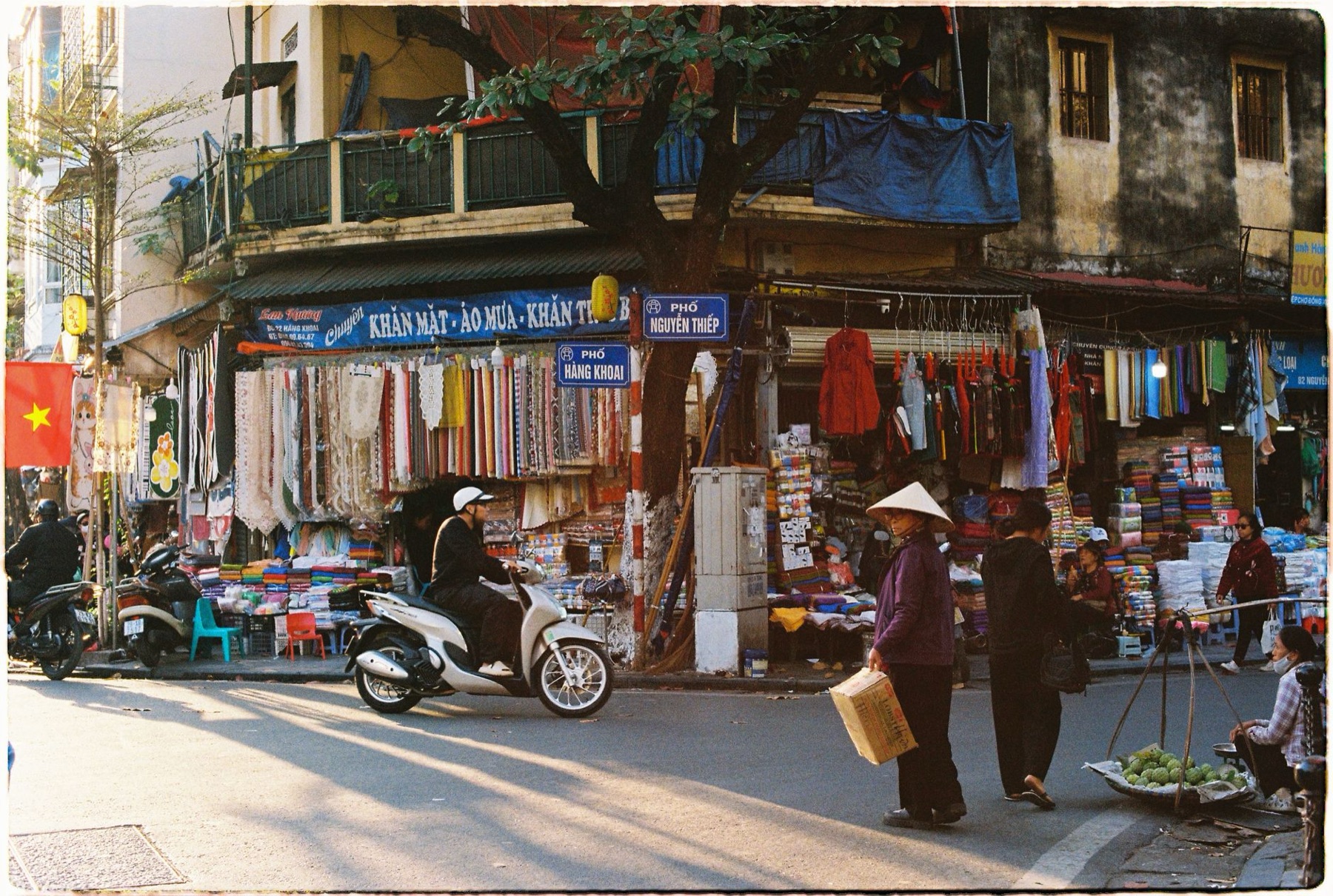
Yes—but strategically. The Old Quarter (36 streets) is overwhelming if you treat it as a sightseeing zone. Instead, use it as a living market. Each street historically specialized in one trade: Hang Ngang (silver), Hang Gai (silk), Hang Ma (votive goods). That legacy partly survives.
What to actually do:
- Wander Hang Ma Street early morning (6–8 a.m.) to see wholesale flower, lantern, and incense traders. It's chaotic, authentic, and undiluted by tours.
- Eat breakfast at a standing pho stall on Hang Hanh or Ly Quoc Su—no signs, cash only, $1–1.50 USD. Find where locals queue.
- Browse silk shops on Hang Gai and Hang Dao, but negotiate ruthlessly. Opening prices are 2–3× final cost. Walk away; they'll call you back with better rates.
- Skip the souvenir shops on Hang Bac—mass-produced lacquerware sold at 10× wholesale prices.
Scam to avoid: Friendly "student" or "motorbike driver" who wants to practice English, then steers you to a silk shop or gem dealer paying them commission. Walk away immediately.
For a keepsake from the Old Quarter, consider visiting Cáo Studio for an ao dai photoshoot—you'll be fitted in traditional dress, photographed in Old Quarter alleys, and leave with professional images, not mass-produced trinkets.
📸 Book an ao dai photoshoot in Hanoi or Saigon (Cáo Studio) | 🗺️ Plan your route: Vietnam itinerary
Where do locals actually go—and how do we find those spots?
Ba Dinh Square (site of Ho Chi Minh's independence declaration) is touristy but necessary for historical context. Admission around $5 USD, but Hoan Kiem Lake and the surrounding neighborhoods are free and far richer in daily life.
Real Hanoi exists in:
- Dong Da District's university cafes: Students eat pho or cha ca (fish cakes) for $1 USD. No English, no tourists.
- Tay Ho Ward shoreline: Walking north from Ho Tay toward Tay Ho Village (yes, it's a built-up urban ward, not a rural village anymore), you'll find family restaurants serving specialty crab soups and grilled fish (around $5–8 USD per dish).
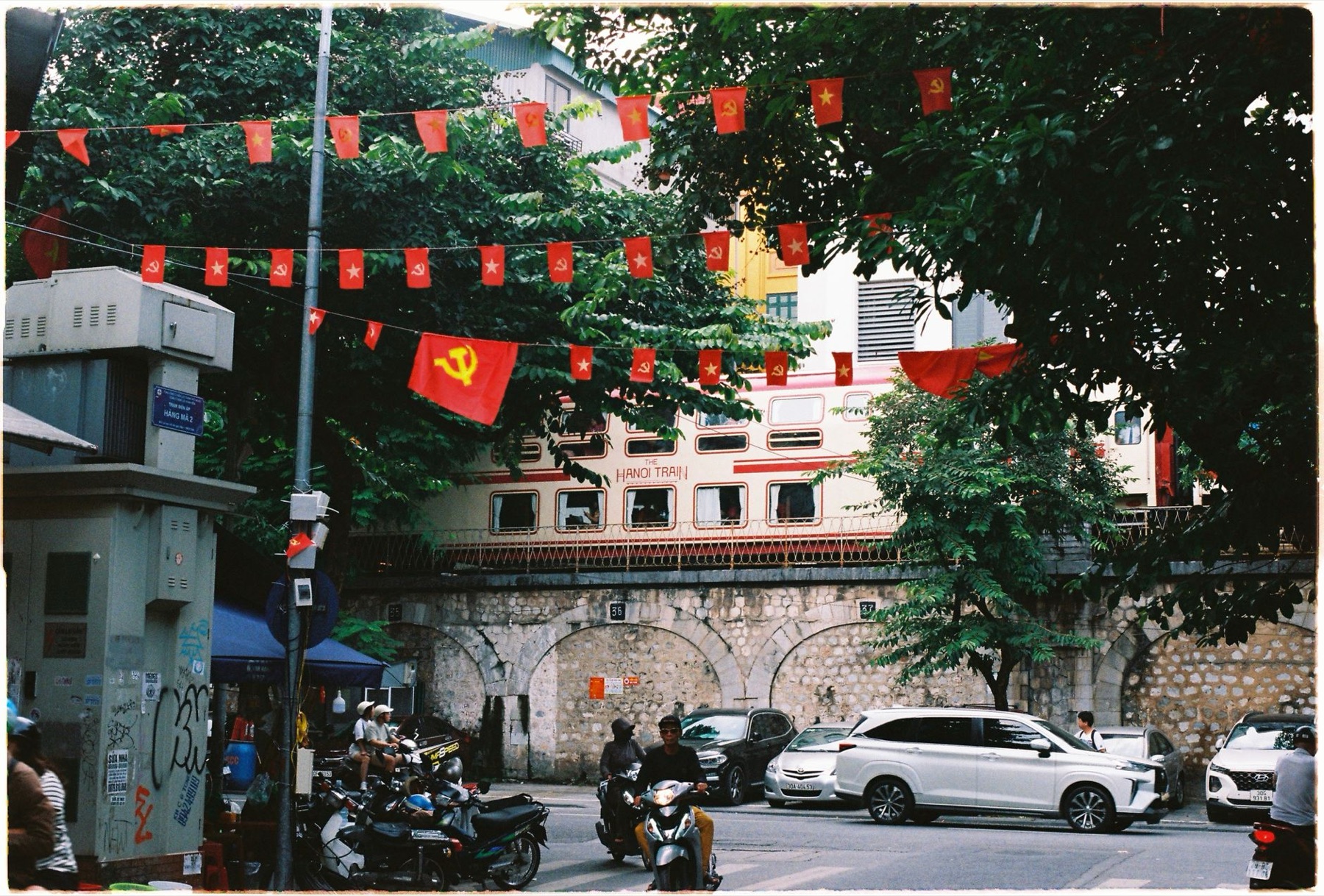
- Hoan Kiem's west-side alleys: Locals live, shop, and eat here. Internet speeds are slow; tourism is almost zero.
- Hanoi Night Market (opens 7–8 p.m., running east from Dong Xuan Market in the Old Quarter): Locals eat street snacks—grilled squid, sticky rice, egg coffee—while tourists snap photos from a distance. Real prices: around $0.50–2 USD per item.
🎟️ Compare tours & tickets for this place
To find these places, use offline Google Maps, ask your hotel staff (not the booking concierge), and don't follow Google's "carefully made" filter—it rewards tourist density, not authenticity. We recommend downloading the Vietnam itinerary planner before arrival to pre-scout neighborhoods.
What's the realistic cost and how do we avoid overpaying?
| Attraction | Entry cost (USD) | Best time to visit | Common trap |
|---|---|---|---|
| Hoan Kiem Lake | Free | 6–7 a.m. | Going mid-day; crowds + heat |
| Temple of Literature | ~$3 | 7–8 a.m. | Guide fees are optional; ignore touts |
| Ho Tay (West Lake) | Free | 7–9 a.m. | Touristy cafes at $4–6; find local stalls at $1–2 |
| Tran Quoc Pagoda | Free/donation | 8–9 a.m. | Rush hours 10 a.m.–1 p.m. |
| One Pillar Pagoda | ~$1 | Before 9 a.m. | Tight spaces; large bags slow you down |
| Old Quarter walking | Free | Early morning | Motorbike traffic 8–10 a.m. and 4–7 p.m. |
How to avoid overpaying:
- Never accept a guide from someone stopping you on the street (commission markup is 50–100%).
- Book tickets on-site, not through hotels or apps (convenience fee: $2–5 USD markup).
- Eat where you see a queue, not where staff beckon you in.
- Negotiate market prices by starting at 40–50% of the asking price.
- Taxis: Use Grab app or a trusted hotel-arranged driver. Unmetered taxis overcharge foreigners by 20–50%.
Most attractions are free or under $5 USD. Real expenses are food ($15–30 USD/day eating well) and transport ($15–25 USD for a 3-day Grab card, or rent a bike for $2–3 USD/day).
When should we visit Hanoi, and how does timing affect what we see?
Oct–Nov (autumn): Cool, clear, 18–25°C. The best time. Hotels book 2–3 months ahead.
Dec–Feb (winter): Cold and sometimes drizzly (10–15°C); fewer tourists; cafes feel cozier.
Mar–Sep: Hot, humid, occasional heavy rain. Local festivals happen during Tet (Lunar New Year, Jan/Feb), but the city becomes a ghost town for 3–4 days as residents leave.
What changes by season:
- Hoan Kiem sunrise clarity: best Oct–Nov.
- Old Quarter alleys: warmest 10 a.m.–4 p.m. in summer (avoid); best 7–9 a.m. or after 5 p.m.
- Cafe culture: winter months see packed coffee shops; summer, customers prefer iced drinks on terraces.
For a full regional context, check our Hanoi guide and Vietnam itinerary planner to coordinate Hanoi with nearby regions like Ha Long Bay and Ninh Binh.
What to check before you plan your Hanoi visit:
- Visa: Do you need an e-visa for Vietnam? Process takes 3–5 business days.
- Connectivity: Grab a local eSIM for Vietnam so you're not dependent on café Wi-Fi for maps.
- Clothing: Temples require covered shoulders and knees. Layers for Oct–Feb temperature swings.
- Cash vs. card: ATMs are everywhere, but small vendors (breakfast pho, Old Quarter shops) take cash only. Bring VND or withdraw on arrival.
- Transport: Book Grab app rides in advance during peak hours (7–9 a.m., 4–7 p.m.). Bike rental from hotels is faster and cheaper.
- Guides: Skip street touts. Hire a guide through your hotel only if you want deep historical context; many attractions work better self-guided.
For a full immersion, consider a photoshoot experience in Hanoi or Saigon with Cáo Studio, which includes ao dai styling, professional photos, and makeup—a tangible keepsake beyond standard tourist snapshots.
---
📸 Book an ao dai photoshoot in Hanoi or Saigon (Cáo Studio) | 🗺️ Plan your route: Vietnam itinerary | 🎟️ Compare tours & tickets for this place
FAQ
Is Hanoi safe for solo travelers at night?
Old Quarter and Hoan Kiem Lake areas are safe until midnight; use Grab after dark instead of taxis. Avoid remote alleys after 10 p.m. Petty theft (phone snatching on motorbikes) is rare but possible—keep valuables secure.
How many days do we need in Hanoi?
3 days minimum for key landmarks and street food. 5 days recommended to explore neighborhoods, relax in cafes, and not feel rushed. Most tourists regret staying only 1–2 days.
Are tour groups worth it, or should we self-guide?
Self-guiding works perfectly for Hoan Kiem, Old Quarter, and temples using offline maps. Book a guide only for Ho Tay or if you want detailed French colonial history. Tours cost $25–50 USD/person; you'll spend less self-guiding and avoid crowds.
What's the real cost of food in Hanoi?
Breakfast pho or cha ca, $1–1.50 USD at a local stall. Lunch at a proper restaurant, $3–6 USD. Dinner with Western ambiance, $10–20 USD. Avoid tourist-zone restaurants (30–50% markup).
Can we visit Hoan Kiem Lake and the Old Quarter in one morning?
Yes. Start at Hoan Kiem by 6 a.m., loop the lake (1 hour), have breakfast nearby, then enter the Old Quarter by 7:30 a.m. By 10 a.m. motorbike traffic peaks; exit by then. Expect 3–4 hours total.
Should we hire a driver for the full 3–5 days, or use Grab?
Grab is cheaper ($2–4 USD per ride) and avoids language barriers. Hire a driver ($30–40 USD/day) only if visiting Ho Tay, outlying temples, or if you're traveling with 3+ people. Solo travelers: stick with Grab and bikes.
FAQ
Is Hanoi safe for solo travelers at night?
Old Quarter and Hoan Kiem Lake areas are safe until midnight; use Grab after dark instead of taxis. Avoid remote alleys after 10 p.m. Petty theft (phone snatching on motorbikes) is rare but possible—keep valuables secure.
How many days do we need in Hanoi?
3 days minimum for key landmarks and street food. 5 days recommended to explore neighborhoods, relax in cafes, and not feel rushed. Most tourists regret staying only 1–2 days.
Are tour groups worth it, or should we self-guide?
Self-guiding works perfectly for Hoan Kiem, Old Quarter, and temples using offline maps. Book a guide only for Ho Tay or if you want detailed French colonial history. Tours cost $25–50 USD/person; you'll spend less self-guiding and avoid crowds.
What's the real cost of food in Hanoi?
Breakfast pho or cha ca, $1–1.50 USD at a local stall. Lunch at a proper restaurant, $3–6 USD. Dinner with Western ambiance, $10–20 USD. Avoid tourist-zone restaurants (30–50% markup).
Can we visit Hoan Kiem Lake and the Old Quarter in one morning?
Yes. Start at Hoan Kiem by 6 a.m., loop the lake (1 hour), have breakfast nearby, then enter the Old Quarter by 7:30 a.m. By 10 a.m. motorbike traffic peaks; exit by then. Expect 3–4 hours total.
Should we hire a driver for the full 3–5 days, or use Grab?
Grab is cheaper ($2–4 USD per ride) and avoids language barriers. Hire a driver ($30–40 USD/day) only if visiting Ho Tay, outlying temples, or if you're traveling with 3+ people. Solo travelers: stick with Grab and bikes.