Ho Chi Minh City · Things to do
Top Free Things to Do in Ho Chi Minh City 2026
By Wander in Vietnam editorial team · Hanoi, Vietnam
Ho Chi Minh City doesn't require paid entry for its best experiences. We've spent hours in markets, temples, and street lanes discovering what makes this city alive. Here's what actually costs zero and why it matters.
What's the cheapest way to experience Ben Thanh Market without buying anything?
Entry is free. Walk the perimeter at 6–7 a.m. when vendors arrange produce, flowers, and meat. Interior stalls sell everything; you'll see no pressure to purchase. The market's colonial-era steel frame and chaos alone justify the visit. Avoid 11 a.m.–2 p.m.—crush of tourists and locals squeezes the narrow aisles. Bring small cash (50,000–100,000 VND / ~$2–4 USD) if you want coffee or a bánh mì; most vendors won't accept cards.
🗺️ Plan your route: Vietnam itinerary
Which temples in Ho Chi Minh City are genuinely free and worth an hour?
Jade Emperor Pagoda (Phuoc Hai Tu), in District 11, opens 8 a.m.–6 p.m. daily. No entry fee; donation boxes exist but aren't mandatory. The incense-thick main hall, tortoise pond, and roof guardians reward close looking. Thien Hau Temple, in Cho Lon (District 5), is also free and older—built 1760. Both are working worship spaces; remove shoes indoors, keep voices low. Go mid-morning when morning prayers end but before tour groups arrive (around 10–11 a.m.).
Mariamman Temple (District 1) is smaller, ornate, and usually quieter than the above two. Opening: 7 a.m.–6 p.m., free entry, same etiquette applies.
How do you walk the Saigon River for free without paying for a boat tour?
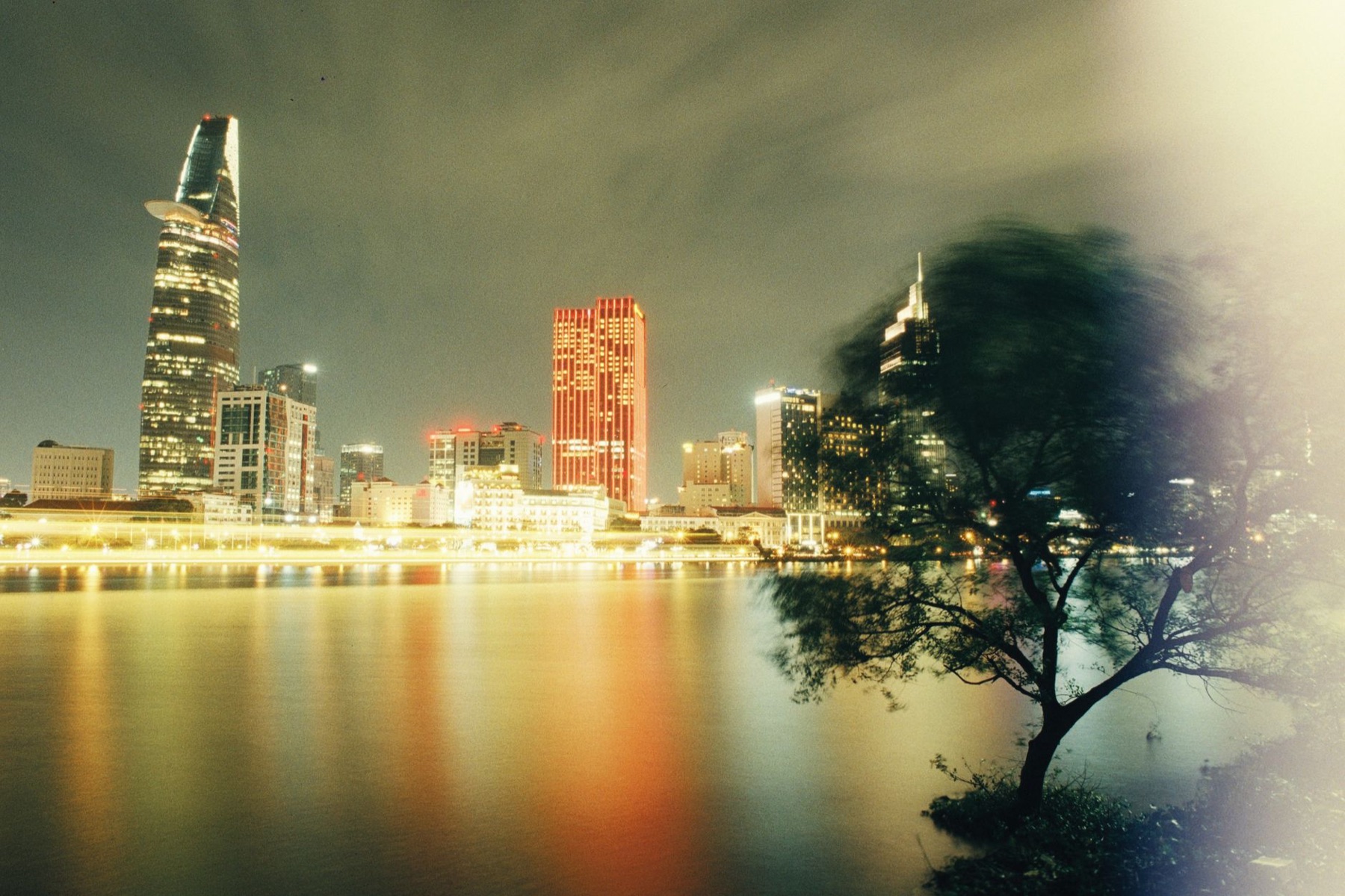
Start at Bitexco Financial Tower's pedestrian plaza (end of Nguyen Hue Walking Street, District 1). Walk north along the eastern bank toward Thu Thiem Bridge (about 1.5 km). No barriers, no fees. Early morning (5:30–7 a.m.) or sunset (5–6 p.m.) is best; mid-day heat is punishing. The walk passes riverside parks, joggers, and views of District 2's skyline. Bring water. This route is safe and well-lit at dawn; avoid 2–4 p.m. when heat peaks.
Which neighborhoods should you explore on foot instead of paid walking tours?
District 1 (Dong Khoi & Ben Nghe Ward): Colonial facades, heritage buildings, street cafés. Start at Saigon Central Post Office (7 Cong Xa Paris); exterior is free to photograph, interior entry is around 40,000 VND (~$1.50 USD) if you wish. Loop to Notre-Dame Cathedral (open 8–11 a.m., 2–4 p.m. weekdays; closed midday and Sundays). Both free to view from outside.
Cho Lon (District 5): The old Chinese quarter. Narrow shop-houses, herb vendors, rice wholesalers. Binh Tay Market is the hub—same free-walk logic as Ben Thanh. Thien Hau Temple is nearby. Wander narrow lanes (Tran Hung Dao, Nguyen Tri Phuong) where few foreigners venture. Get lost deliberately; this is where the city breathes.
District 3 (Vo Van Tan, Ly Tu Trong): Quieter, tree-lined, French-era villas. Good for photography without commercial pressure.
Street food exploration: Walk along Nguyen Hue, Pasteur, Tran Hung Dao at meal times. Watch vendors prep. A bánh mì costs around 20,000–30,000 VND (~$0.80–1.20 USD); cơm tấm (broken rice with egg) runs 25,000–40,000 VND (~$1–1.50 USD). Eating while walking is the city's pace.
What paid attractions have free outdoor areas worth visiting?
War Remnants Museum (outer courtyard with tanks, helicopters, ordnance) is viewable from the street at 28 Vo Van Tan. No fee for exterior. Interior entry is around 100,000 VND (~$3.80 USD)—worth it if you have time, but not mandatory.
Reunification Palace (presidential residence, District 1) has a manicured garden visible from the gate. Full tour inside costs 75,000–100,000 VND (~$2.80–3.80 USD). The gate itself and garden perimeter are public; good for photos.
Tao Đàn Park (District 1, near Reunification Palace): Free, open dawn to dusk. Locals do tai chi, kung fu, and yoga at sunrise. Benches, trees, no vendors pushing sales hard. Arrive before 7 a.m. if you want solitude.
---
| Experience | Best for | Cost | Why it works | Timing |
|---|---|---|---|---|
| Ben Thanh Market | People watching, street snacks | Free entry + 20k–50k VND snacks | Authentic chaos, colonial architecture | 6–8 a.m. |
| Jade Emperor Pagoda | Photography, incense ritual | Free (donation ~10k–20k VND optional) | Ornate, fewer crowds than Thien Hau | 10–11 a.m. |
| Saigon River walk | Morning jog, sunset romance | Free | Open, scenic, safe lit paths | 5:30–7 a.m. or 5–6 p.m. |
| Cho Lon wandering | History, authenticity | Free walk + snacks 20k–40k VND | No tour markup, real commerce | 8–10 a.m. |
| Tao Đàn Park | Sunrise yoga, locals, peace | Free | Local life, no tourism machine | 5:30–7 a.m. |
---
📸 Book an ao dai photoshoot in Hanoi or Saigon (Cáo Studio)
What should you bring to maximize free time outdoors?
- Water bottle (refill at 7-Eleven or local vendors; a 500 mL bottle costs ~10,000 VND / ~$0.40 USD)
- Hat or umbrella (heat and rain are unpredictable; avoid midday 11 a.m.–3 p.m.)
- Phone power bank (maps, translation, photos drain battery fast)
- Small cash (many street vendors don't take cards; 100,000–200,000 VND / ~$4–8 USD per day is safe)
- Modest clothing (temples and some neighborhoods prefer covered shoulders and knees)
- Sunscreen (SPF 50+; widely available but cheaper at home)
Which scams to watch for while doing free activities?
Fake cyclo (pedicab) drivers: Will offer "free tours" for fuel/donations. Politely decline or negotiate a rate up front—usually 50,000–100,000 VND (~$2–4 USD) per hour if you engage.
Fake "government guides" at temples asking for "maintenance donations": Real donations are optional and go in temple boxes, not to individuals. If someone approaches you claiming to be official, walk away.
Overpriced snacks in markets: A foreigner's bánh mì might cost 40,000 VND (~$1.50 USD); locals pay 20,000 (~$0.75 USD). Learn basic numbers in Vietnamese or show your phone calculator.
Gem/tailoring shops near tourist areas: Avoid any "free consultations" that pivot to sales pressure. They're designed to upsell tourist packages.
---
What to check before you go
- Opening hours vary by season and religious holidays. Call ahead for temples (staff speak limited English; use Google Translate voice function).
- Dress code: Temples require covered shoulders/knees; remove shoes indoors. Markets are casual but avoid beachwear.
- Safety: Pickpocketing happens in Ben Thanh and Cho Lon during rush hours. Keep bags zipped, money split, phone secure.
- Heat exhaustion: Drink more water than you think necessary. Rest in air-conditioned cafés (coffee ~15,000–25,000 VND / ~$0.60–1 USD).
- Language: Learn "Cảm ơn" (thank you), "Không, cảm ơn" (no, thank you), "Bao nhiêu?" (how much?). Guides respect effort over fluency.
---
After exploring Ho Chi Minh City's free treasures, capture those moments professionally. Consider booking an ao dai photoshoot with Cáo Studio in Saigon—hair, makeup, and styling included. It transforms casual street photos into keepsakes.
Before you leave Ho Chi Minh City, check our full things-to-do guide for paid activities worth your budget, and consider purchasing a commemorative gift to remember your street-food adventures and temple visits.
🎟️ Compare tours & tickets for this place
Staying longer in Vietnam? Explore Hanoi's free neighborhoods, day trips from Ninh Binh, or the beaches near Ha Long Bay. For seamless navigation, grab a Vietnam eSIM to keep maps and translation apps live while you wander.
FAQ
Do I really need to book a tour to understand Ho Chi Minh City's history?
No. Museums and walking solo reveal context better than rushed group tours. Jade Emperor Pagoda's carvings, the War Remnants courtyard, and neighborhood facades tell genuine stories. Combine walking with a single paid museum visit (War Remnants, ~100,000 VND / ~$3.80 USD) for depth. Locals are usually willing to chat if you ask respectfully.
Can I drink tap water, or should I buy bottled water only?
Tap water is treated but unfamiliar to most tourists' stomachs. Bottled water (500 mL) costs ~10,000–15,000 VND (~$0.40–0.60 USD) at 7-Eleven. Hotels often refill bottles free. Ice in street food is generally safe in busy markets (rapid turnover, chlorinated water). Play it safe your first week.
How do I get around between these free sites without paying for taxis every time?
Buses are cheapest (~5,000–10,000 VND / ~$0.20–0.40 USD per ride) but routes are complex. Grab (ride-app) costs ~20,000–50,000 VND (~$0.75–2 USD) for short trips. Walking between District 1 and District 3 sites is feasible. Buy a Grab credit; it's faster than cash payment and tips aren't expected.
What's the best time of year to do free outdoor activities without melting?
November–January (cool season, 20–25°C / 68–77°F) is ideal. Skip May–September (hot, humid, frequent rain). March–April are hot but dry. Early mornings (5:30–8 a.m.) in any season feel best; do outdoor walking then, rest indoors 12–4 p.m.
Are there free festivals or events I should time my visit around?
Lunar New Year (Tet, typically January–February) fills streets and markets but also closes many shops for 2–3 days. Independence Day (April 30) has parades. Check local event calendars before booking. Free street celebrations are authentic but crowded; paid tours sell out first.
FAQ
Do I really need to book a tour to understand Ho Chi Minh City's history?
No. Museums and walking solo reveal context better than rushed group tours. Jade Emperor Pagoda's carvings, the War Remnants courtyard, and neighborhood facades tell genuine stories. Combine walking with a single paid museum visit (War Remnants, ~100,000 VND / ~$3.80 USD) for depth. Locals are usually willing to chat if you ask respectfully.
Can I drink tap water, or should I buy bottled water only?
Tap water is treated but unfamiliar to most tourists' stomachs. Bottled water (500 mL) costs ~10,000–15,000 VND (~$0.40–0.60 USD) at 7-Eleven. Hotels often refill bottles free. Ice in street food is generally safe in busy markets (rapid turnover, chlorinated water). Play it safe your first week.
How do I get around between these free sites without paying for taxis every time?
Buses are cheapest (~5,000–10,000 VND / ~$0.20–0.40 USD per ride) but routes are complex. Grab (ride-app) costs ~20,000–50,000 VND (~$0.75–2 USD) for short trips. Walking between District 1 and District 3 sites is feasible. Buy a Grab credit; it's faster than cash payment and tips aren't expected.
What's the best time of year to do free outdoor activities without melting?
November–January (cool season, 20–25°C / 68–77°F) is ideal. Skip May–September (hot, humid, frequent rain). March–April are hot but dry. Early mornings (5:30–8 a.m.) in any season feel best; do outdoor walking then, rest indoors 12–4 p.m.
Are there free festivals or events I should time my visit around?
Lunar New Year (Tet, typically January–February) fills streets and markets but also closes many shops for 2–3 days. Independence Day (April 30) has parades. Check local event calendars before booking. Free street celebrations are authentic but crowded; paid tours sell out first.
More: Ho Chi Minh City guide · Things to do in Ho Chi Minh City