Hanoi · Things to do
Top Ten Things to Do in Hanoi 2026: Insider's Guide
By Wander in Vietnam editorial team · Hanoi, Vietnam
Hanoi moves fast, but not in the way tourists expect. The city rewards slow, intentional exploration—a morning cyclo ride beats a half-day "golden triangle" package every time. We've lived here long enough to know which ten activities actually matter, which are tourist traps, and how to experience them without burning out or overspending.
What makes the Old Quarter worth getting lost in?
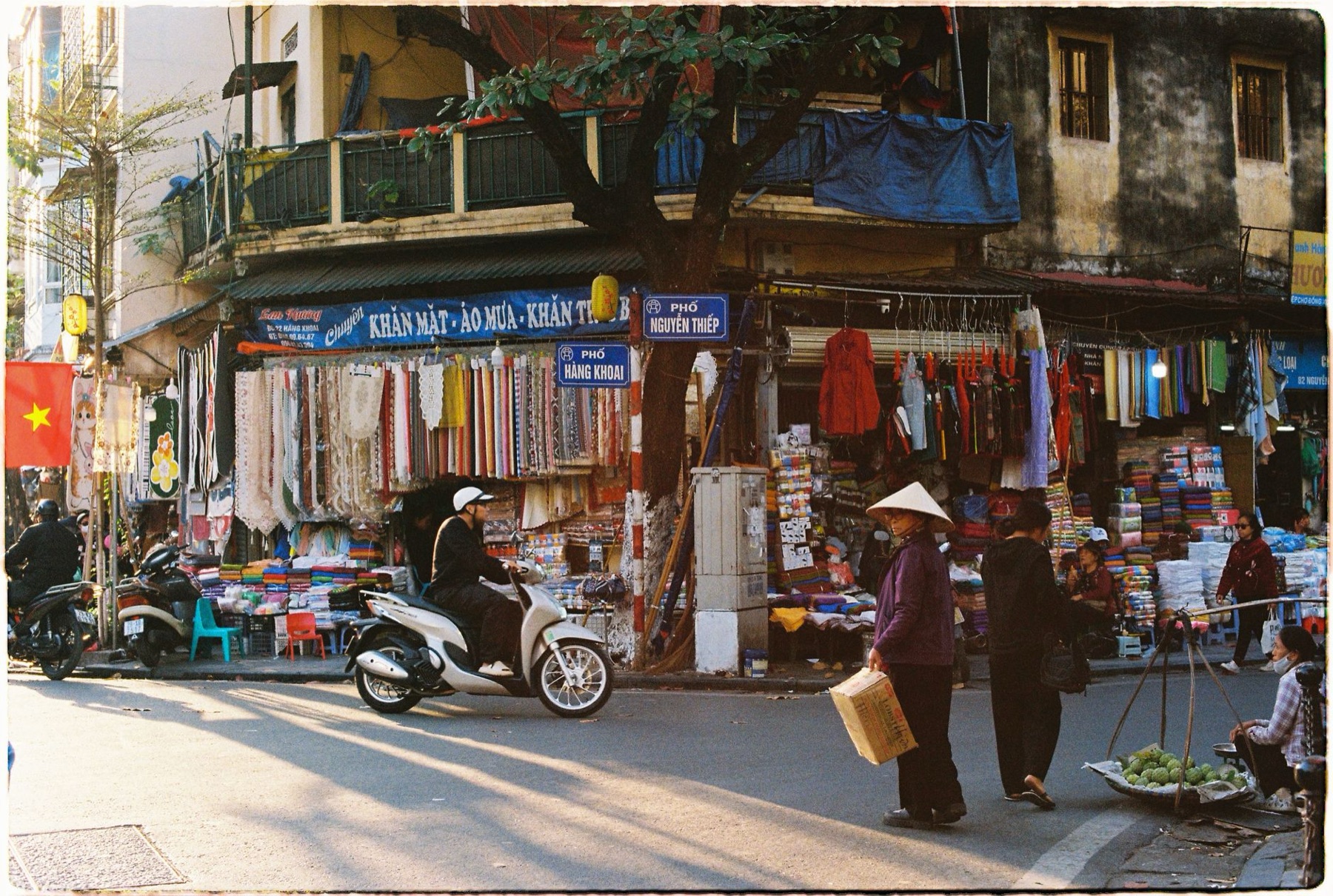
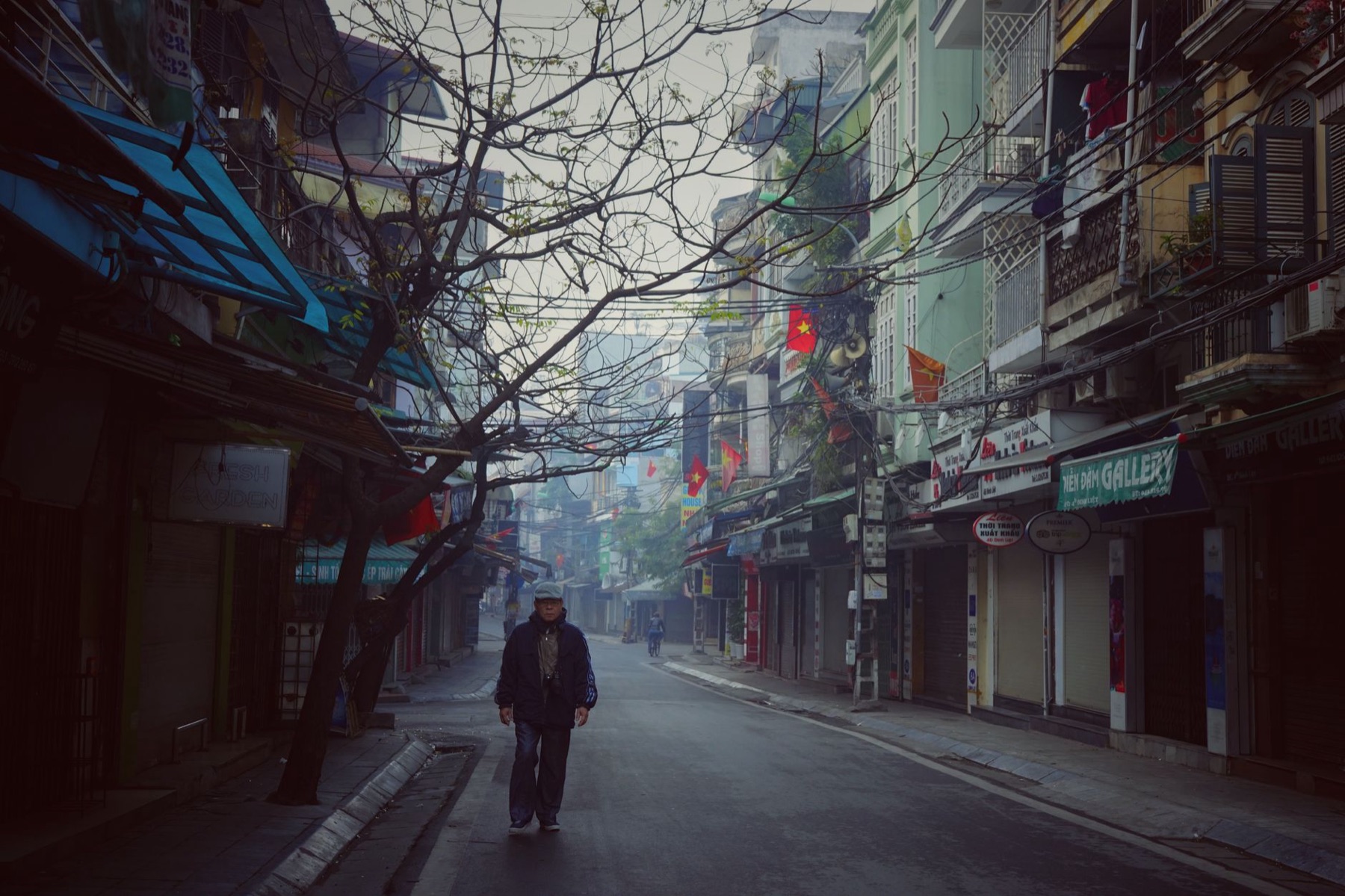
The Old Quarter (36 Phố Cổ, Hoàn Kiếm district) is chaos by design: narrow tube-house streets, street food carts sprawling onto sidewalks, and a sensory overload that shakes first-timers. It's worth visiting, but not for shopping—the silk and lacquer are overpriced and low quality. Go instead at 6 a.m. for breakfast phở on a plastic stool, or between 7–9 p.m. when locals reclaim the streets and vendors set up drink stands. Around 50,000–100,000 VND ($2–4 USD) for a meal. Expect scams on cyclo rides ("broken meter," inflated routes): negotiate hard, or use Grab for fixed pricing instead. The real magic is watching how a city of four million moves through impossibly narrow passages.
🗺️ Plan your route: Vietnam itinerary
Why is the Temple of Literature a must-visit for history lovers?
The Temple of Literature (Văn Miếu, Đống Đa district) is Vietnam's oldest university, founded 1070, and it's breathtaking. Entry around 30,000 VND ($1.20 USD). Go on a weekday morning before 10 a.m. to avoid school groups and domestic tourists. The four courtyards unfold logically: you'll see ancient stone turtle stelae (scholar names engraved during exams), bonsai-lined pathways, and quiet prayer halls. It's less a "tick the box" and more a space for sitting on a bench and understanding Vietnamese reverence for education. Audio guides are available but unnecessary—the architecture and silence speak clearly. Allow 90 minutes. Photography is allowed; if you're documenting your trip thoughtfully, a personalized keepsake like a star map or engraved print matching your visit date pairs well with the memory.
🎟️ Compare tours & tickets for this place
Is the One Pillar Pagoda actually worth the queue?
One Pillar Pagoda (Chùa Một Cột, Ba Đình district) is a two-minute structure—literally a small shrine balanced on a stone column. Entry is free. It's worth seeing if you're already in Ba Đình (e.g., visiting Ho Chi Minh Mausoleum nearby), but don't travel across Hanoi for it. The queue can be 30 minutes on weekends; go on a Tuesday or Wednesday, early morning. The pagoda is historically significant (11th century, symbolizes lotus purity), but visually it's tiny. Many skip it and don't regret it. If you do visit, spend the actual time studying the symbolism rather than rushing through for a photo.
How do you eat your way through Hanoi's street food culture without getting sick?
Street food is Hanoi's heartbeat, and eating it is non-negotiable. Safety basics: eat where locals eat (if crowds are all tourists, keep walking), watch your food being cooked, and avoid ice/raw salads from unknown carts. Budget 30,000–80,000 VND ($1.20–3.20 USD) per meal. Phở (beef noodle soup) around 40,000 VND—best in the morning. Bánh mì (banh mi sandwich) around 25,000 VND from street stalls. Bún chả (grilled pork with noodles) around 50,000 VND, especially in the neighborhood around Hàng Mành Street, Hoàn Kiếm district, near 11 a.m.–2 p.m. Egg coffee (cà phê trứng) around 30,000 VND, best at small cafés in the Old Quarter like those on Hàng Gai Street. Fried spring rolls (nem rán) around 20,000 VND. Don't skip snails (ốc), fish cakes (chả cá), or squid ink noodles (mì mực)—they're cheap and life-changing.
The real risk isn't the food; it's dehydration and heat exhaustion. Bring water, eat in shaded spots, and stop after 2 p.m. if your stomach feels uncertain.
📸 Book an ao dai photoshoot in Hanoi or Saigon (Cáo Studio)
| Experience | Who It's For | Rough Cost (VND) | Why It Matters |
|---|---|---|---|
| Phở sunrise | Everyone | 40,000 | Ritual, simplicity, locals only |
| Bún chả lunch | Food adventurers | 50,000 | Hanoi signature, grilled pork magic |
| Egg coffee | Caffeine lovers | 30,000 | Instagram-worthy, tastes good |
| Chả cá Thăng Long | Curious eaters | 100,000 | Specialty fish, one street focus |
| Night market snacks | Late arrivals | 20,000–50,000 each | Variety, energy, local timing |
What's the honest truth about cyclo rides and rickshaw tours?
Cyclos (pedal-powered three-wheelers) are iconic but touristy. A ride costs around 200,000–300,000 VND ($8–12 USD) for 30–45 minutes with a driver who negotiates hard or works via fixed tour companies. Drivers will ask "where you from?" and steer you to their friend's shop (silk, lacquer, tailor) where you'll be pressured to buy. Refuse politely and firmly. Better option: hire a cyclo for a specific route you've planned (e.g., Ho Tay lake loop) and agree on price beforehand. Or skip it and use Grab Bike (around 20,000–40,000 VND for short rides) for authentic commuting instead. If you want the experience of a cyclo, do it once, but don't expect profound tourism. It's a photo prop, not transport.
Where do you find authentic art and culture without the gallery markup?
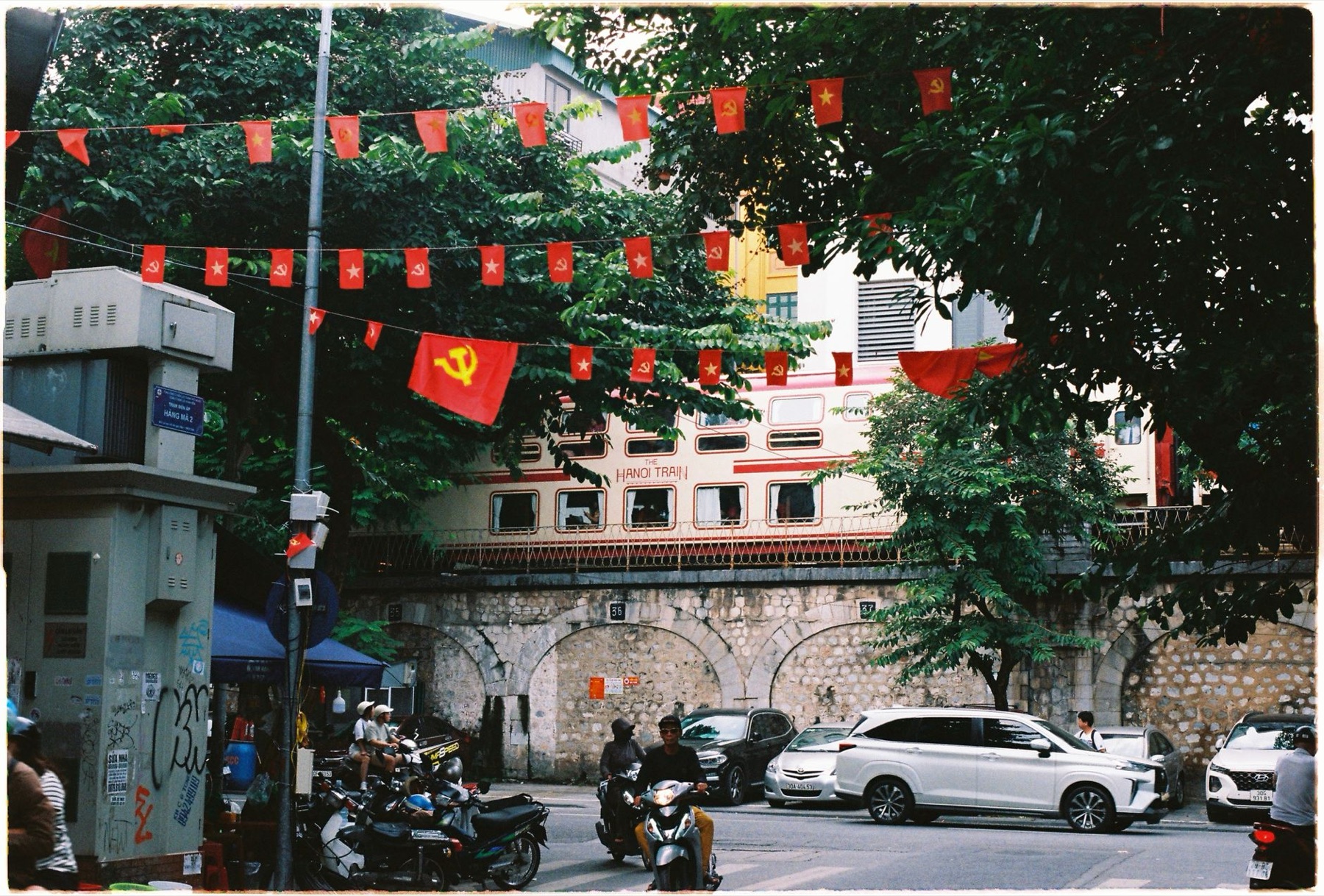
Hanoi's French Quarter (Hoàn Kiếm and Ba Đình districts) hosts art galleries, but they're expensive and curated for foreign buyers. Real art lives in smaller artist studios and non-profit spaces: look for open studio events in neighborhoods like Tây Hồ (West Lake area) and Hoài Đức. The Hỏa Lò Prison Historical Museum (Hoàn Kiếm district) is a sobering colonial relic with thoughtful exhibits; entry around 30,000 VND. Water puppetry (mua rối nước) is genuinely unique—it originated in rural Vietnam and the Thăng Long Water Puppet Theatre is the main venue (Hoàn Kiếm district, tickets around 100,000–150,000 VND). Go to the 8 p.m. show if possible (fewer school groups). The performances last 45 minutes and feel almost meditative. This is one of the few touristy activities we actually recommend.
Why should you spend a full day at Ha Long Bay, and how?
Ha Long Bay (Quảng Ninh Province, 170 km southeast of Hanoi) is one of Southeast Asia's most photographed landscapes: limestone karsts rising from turquoise water. Overnight cruises range from budget (3-star, $80–120 USD per person) to luxury ($250+ USD), and day tours cost around 1,000,000–1,500,000 VND ($40–60 USD) via Hanoi tour operators. We recommend the overnight cruise if you have two nights free—the bay transforms at sunrise and the tourist crush eases in the evening. Day tours are rushed and exhausting. Common scams: agents selling "well-made" cruises that downgrade you on arrival, or including "hidden" meals and activities that inflate the final bill. Book directly with well-reviewed operators or ask your hotel concierge. The bay itself is magical; the logistics can be painful. Bring seasickness medicine and waterproof bags.
🗺️ Explore Ha Long Bay in depth
How do you balance iconic spots with off-the-beaten-path discoveries?
Most visitors follow a script: Old Quarter → Temple of Literature → One Pillar Pagoda → Hoan Kiem Lake sunset. It's fine but forgettable. Richer itineraries swap one or two iconic stops for slower experiences: a morning at Hoan Kiem Lake (free, locals only, 6–7 a.m.) watching tai chi and jogging, a cyclo ride through the Red River dike neighborhoods (Tây Hồ district), or a visit to Craft Village in Hạ Nôi (woodcarving and ceramics, 40 km southwest, 2–3 hours via Grab). The Mỹ Đình Stadium night market (Tây Hồ district, open 6–10 p.m.) is where locals eat; tourists rarely appear. Budget an afternoon here for street food, haggling practice, and people-watching. This is where Hanoi actually lives.
🎟️ Compare tours & tickets for this place
What should you know about timing, seasons, and avoiding crowds?
Hanoi's best months are October–November and February–March: cool (15–20°C), dry, low humidity. December–January is cold but clear. Avoid May–September (hot, 30–35°C, humid, occasional floods). During Tết (Lunar New Year, late January–early February), many small restaurants and shops close for 3–5 days. Tourist crowds peak during October–November and around Christmas. If you visit in peak season, start major sites by 7 a.m. and return in the late afternoon. Book accommodations and Ha Long Bay tours at least one week ahead. Use Vietnam's e-visa service if needed (most nationalities approved in 2–3 days, around 25 USD). If you're staying longer, grab an eSIM for Vietnam (local data $5–15 USD, 7–30 days) so you can Grab everywhere without relying on hotel WiFi.
What to check before you go: a practical pre-trip checklist
- Visa: Do you need one? Check Vietnam e-visa info for your nationality.
- Connectivity: Buy an eSIM for Vietnam before arrival (saves hassle, works on day one).
- Walking shoes: Hanoi's streets are uneven and wet; bring comfortable, water-resistant shoes.
- Cash: Many street vendors don't accept cards. Withdraw VND at airport ATMs (no commission).
- Sunscreen: UV is intense; reapply every 2 hours if you're outside all day.
- Language app: Download Google Translate offline for menu and direction help.
- Itinerary: Pick 5–6 things from the ten above, not all ten. Three days minimum to feel Hanoi.
- Keepsakes: If you want to bring Vietnam home, consider a personalized star map or custom print matching your visit dates or a thoughtful gift. Cáo Studio offers ao dai photoshoots in Hanoi if you want professional memories in traditional dress.
---
Hanoi rewards patience and curiosity over rushing. Pick the spots that call to you, say yes to unexpected street food invitations, and leave room for aimless wandering. That's where the real Hanoi appears.
📸 Book an ao dai photoshoot in Hanoi or Saigon (Cáo Studio)
FAQ
Is it safe to walk around Hanoi at night?
Yes, generally. Hanoi is safer than many Western cities. Avoid flashing jewelry or large cash, use main streets, and trust your instinct. Solo women should be cautious in very late hours (after midnight) in the Old Quarter, but most travelers walk freely until 10–11 p.m. Grab (ride-sharing) costs only $1–3 USD if you want to skip walking.
How much money should I budget daily for Hanoi?
Budget $25–50 USD per day if you're eating street food, using public transport, and staying in mid-range hostels or hotels. Street meals are $1–3 USD, beers $0.50–1.50 USD, and museum entries $1–2 USD. Tours and Ha Long Bay trips are extra. You'll spend less than Southeast Asian averages here.
Do I need a guide for the Temple of Literature or major sites?
No. The Temple of Literature is well-signposted and self-explanatory. If you want deeper historical context, hire a guide for 1–2 hours (around 500,000 VND/$20 USD for a group). For water puppetry and cyclo rides, guides are less valuable; the experience speaks for itself.
What's the best way to get around Hanoi without a car?
Grab (motorbike or car) is fastest and cheapest ($1–4 USD per ride). Buses are cheap (7,000–10,000 VND/$0.30–0.40 USD) but confusing for newcomers. Walking the Old Quarter and nearby neighborhoods is best—distances are short and street life is the point.
Should I visit Hanoi before or after other Vietnam cities like Ho Chi Minh City or Hoi An?
Start with Hanoi if it's your first Vietnam stop—it's intense and disorienting, so ease into the country. End with Hanoi if you're flying out from the capital. If you're doing a bigger Vietnam itinerary, Hanoi → Ha Long Bay → Ninh Bình → Hoi An → Ho Chi Minh City works well geographically. Three days minimum in Hanoi.
What's the single most important thing to do in Hanoi that I shouldn't skip?
Eat street food with locals in the Old Quarter at breakfast or lunch. Sit on a plastic stool, order phở or bánh mì, watch the chaos, and talk to other diners. It costs $1–2 USD and teaches you more about Hanoi than any museum. That moment is Hanoi.
FAQ
Is it safe to walk around Hanoi at night?
Yes, generally. Hanoi is safer than many Western cities. Avoid flashing jewelry or large cash, use main streets, and trust your instinct. Solo women should be cautious in very late hours (after midnight) in the Old Quarter, but most travelers walk freely until 10–11 p.m. Grab (ride-sharing) costs only $1–3 USD if you want to skip walking.
How much money should I budget daily for Hanoi?
Budget $25–50 USD per day if you're eating street food, using public transport, and staying in mid-range hostels or hotels. Street meals are $1–3 USD, beers $0.50–1.50 USD, and museum entries $1–2 USD. Tours and Ha Long Bay trips are extra. You'll spend less than Southeast Asian averages here.
Do I need a guide for the Temple of Literature or major sites?
No. The Temple of Literature is well-signposted and self-explanatory. If you want deeper historical context, hire a guide for 1–2 hours (around 500,000 VND/$20 USD for a group). For water puppetry and cyclo rides, guides are less valuable; the experience speaks for itself.
What's the best way to get around Hanoi without a car?
Grab (motorbike or car) is fastest and cheapest ($1–4 USD per ride). Buses are cheap (7,000–10,000 VND/$0.30–0.40 USD) but confusing for newcomers. Walking the Old Quarter and nearby neighborhoods is best—distances are short and street life is the point.
Should I visit Hanoi before or after other Vietnam cities like Ho Chi Minh City or Hoi An?
Start with Hanoi if it's your first Vietnam stop—it's intense and disorienting, so ease into the country. End with Hanoi if you're flying out from the capital. If you're doing a bigger [Vietnam itinerary](/vietnam/itinerary), Hanoi → Ha Long Bay → Ninh Bình → Hoi An → Ho Chi Minh City works well geographically. Three days minimum in Hanoi.
What's the single most important thing to do in Hanoi that I shouldn't skip?
Eat street food with locals in the Old Quarter at breakfast or lunch. Sit on a plastic stool, order phở or bánh mì, watch the chaos, and talk to other diners. It costs $1–2 USD and teaches you more about Hanoi than any museum. That moment is Hanoi.
More: Hanoi guide · Things to do in Hanoi