Hanoi · Things to do
Top Ten Things to Do in Hanoi: Local Guide 2026
By Wander in Vietnam editorial team · Hanoi, Vietnam
Hanoi doesn't reveal itself on a postcard. The city demands you get lost in 36 Streets, sit down with a stranger over pho, and climb narrow staircases to rooftop bars where the Mekong Delta feels closer than the tourist map suggests. We've spent enough time here to know which ten experiences actually matter—and which ones drain your wallet for Instagram filler.
What makes the Old Quarter worth more than a morning stroll?
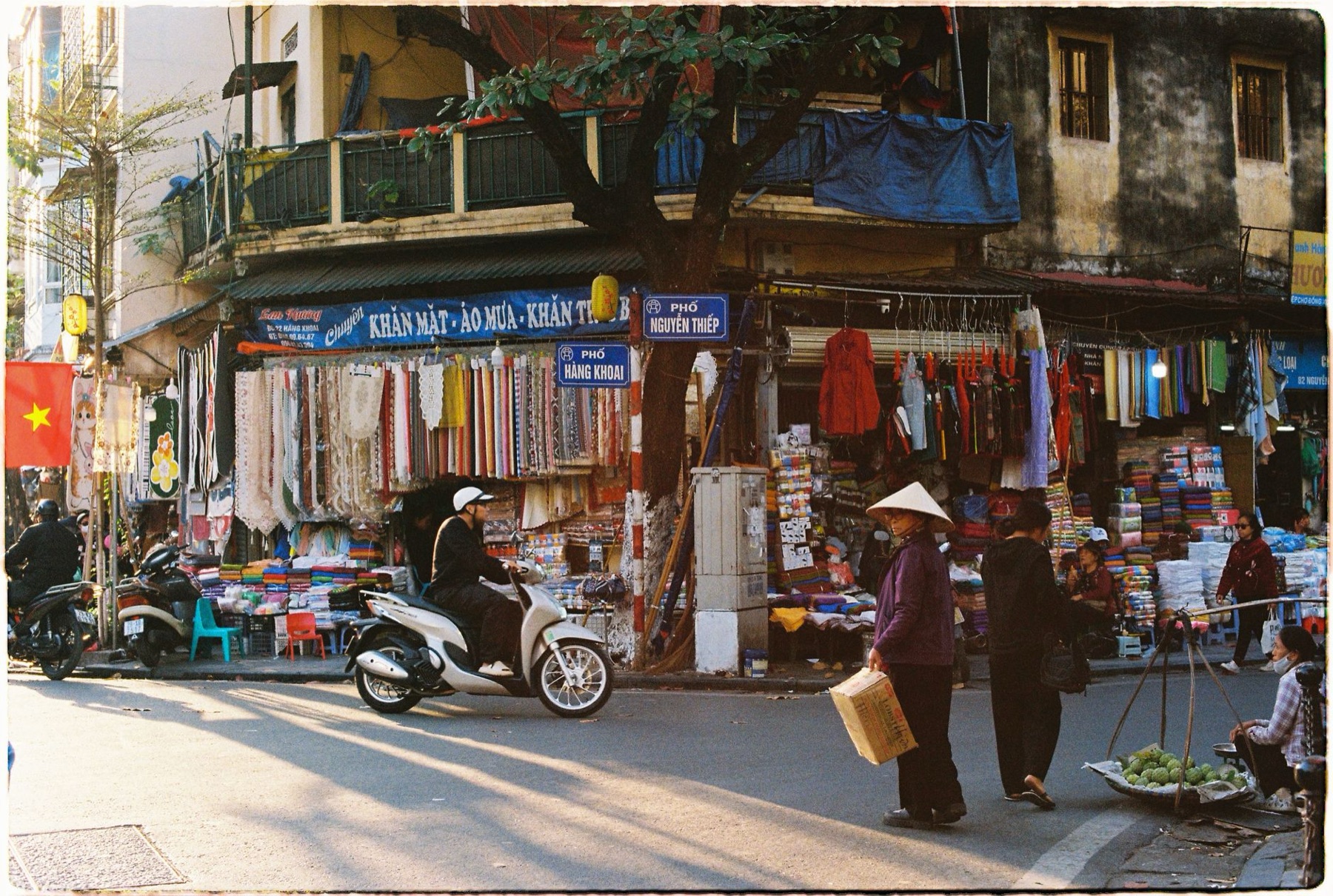
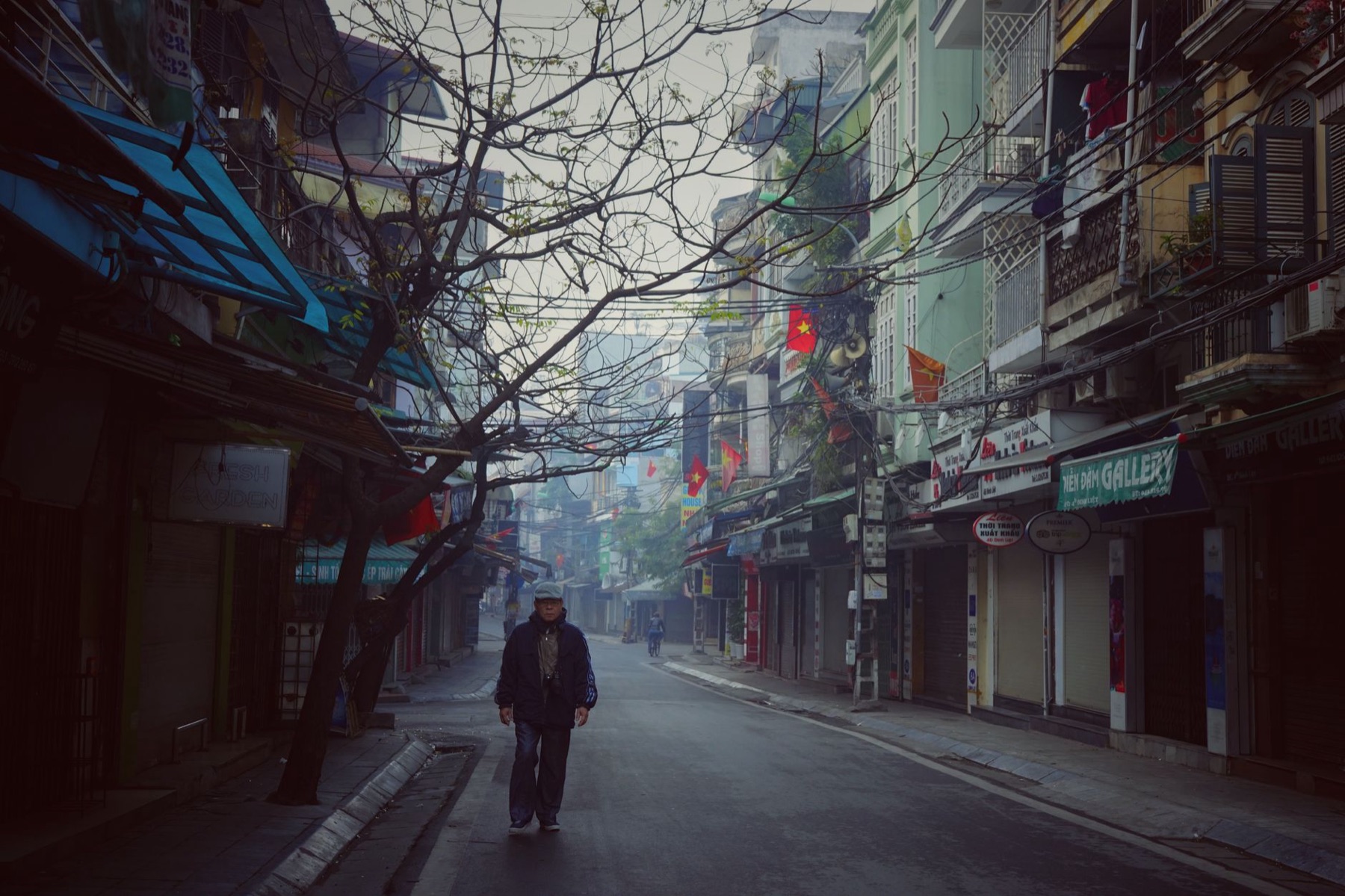
The Old Quarter (around Hang Dao, Hang Gai, Hoan Kiem Lake's north edge) isn't a museum; it's a working neighborhood where silver shops, herbal medicine stalls, and century-old tube-house families run parallel lives. Most visitors snap photos and leave. Stay three hours instead. Pick a café (Café Khua, Café Pho Co, or any nameless corner spot charging 25,000–40,000 VND / $1–1.50 for coffee) and watch the rhythm. Every street historically sold one product: Hang Gai = silk, Hang Bac = silver, Hang Thiec = tin. That logic still maps the chaos. Motorbike traffic feels anarchic but operates on invisible rules. Don't treat it as obstacle; treat it as choreography.
Best move: go at 7 a.m. before tour groups arrive. Streets are cooler, vendors are fresher, and you'll see locals moving through their actual day. Breakfast pho costs 30,000–50,000 VND ($1.20–2) and tastes better than any night-market version.
Why should Hoan Kiem Lake matter to you beyond the postcard?
Hoan Kiem Lake sits at Hanoi's heart, ringed by the Turtle Tower (unremarkable from outside, skip the paid entry), jogging paths, and temples. The real action isn't the lake—it's the surrounding energy. Early morning, old men practice tai chi and sword forms. Evenings, families parade their kids on plastic motorbikes, street vendors set up bia hoi carts (draught beer for 5,000–10,000 VND / $0.20–0.40 per glass), and the air smells like grilled corn and incense.
Walk the western edge toward Ngoc Son Temple (10,000 VND / $0.40 entry). Skip crowds; visit 6–7 a.m. The temple itself is modest—wooden architecture, faded gilding, quiet courtyards—but the atmosphere of devotion is genuine. Locals come to pray, not pose.
Avoid: renting paddle boats (overpriced, slow, mediocre); the Turtle Tower entry fee (underwhelming interior).
Which temples actually reward the climb?
The Temple of Literature (Van Mieu) lies south of the Old Quarter and anchors Hanoi's intellectual history. Built in 1070, it honored Confucius and once housed the National University. Entry is 30,000 VND ($1.20). Go early (before 9 a.m.) to miss school groups and find courtyard silence. The progression of courtyards feels intentional—each one strips away noise. Lovers carve names into trees; exam candidates still come for luck before testing seasons.
Tran Quoc Pagoda, on a promontory in West Lake's northeast edge, offers a two-hour walk from the city center or a 15-minute taxi (50,000–80,000 VND / $2–3.20). The pagoda itself (free entry) dates to the 6th century and sits above water on a narrow strip, framed by banyan trees. The hike around West Lake's edge is where locals run and motorbike. Stop at a waterside café (40,000–60,000 VND / $1.60–2.40 for lemongrass juice) and sit for 30 minutes. No selfie stick required.
🗺️ Plan your route: Vietnam itinerary
How do you eat your way through Hanoi without tourist-trap regret?
Food isn't a checklist in Hanoi; it's a neighborhood-by-neighborhood conversation. Night markets (Hang Be Market near the Old Quarter, Ta Hien Street's informal food stalls) open around 6 p.m. and feel chaotic. Bring cash (VND only), point at what you want, pay 20,000–60,000 VND ($0.80–2.40) per dish. Pork skewers (nem cay), grilled snails (ốc nướng), and fermented crab paste (mam tom—pungent, polarizing) are real.
For sit-down meals, Bun Cha Hang Manh (near Hang Manh St., lunch only, around 40,000–70,000 VND / $1.60–2.80 for pork patties, rice vermicelli, and dipping sauce) represents the north's grill culture. Queue forms by 11:30 a.m.; arrive early.
Pho is ubiquitous and varies wildly. Pho Bat Dan (north of Hoan Kiem, 50,000–80,000 VND / $2–3.20) serves beef pho in broths aged for hours. Sit at plastic stools, watch vendors cut herbs with hands, trust the chaos.
Avoid: "Top 10 Hanoi Food" tours that herd 20 tourists through controlled stalls; food courts marketed as "authentic"; restaurants within 50 meters of Hoan Kiem Lake's main drag.
| Dish | Where to Find It | Rough Cost (VND) | Why It Matters |
|---|---|---|---|
| Pho (beef) | Street stall, Old Quarter | 40,000–80,000 | Breakfast ritual; broth depth varies by vendor |
| Bun Cha | Hang Manh St., north Old Quarter | 40,000–70,000 | Grilled pork, northern speciality, lunchtime only |
| Banh Mi | Wandering vendors, all areas | 20,000–40,000 | Quick, cheap, colonial legacy (French bread, pâté) |
| Bia Hoi (fresh draught) | Corner pushcarts, dusk onward | 5,000–10,000 | Social lubricant; 24-hour turnover keeps it fresh |
| Com Tam (broken rice) | Lunch stalls, near markets | 30,000–60,000 | Affordable, filling, pork egg tofu versions |
| Snails (Oc) | Night markets, Ta Hien St. | 30,000–60,000 | Street food ritual; chewy, herbal broth |
Why is the French Quarter worth a slow bike ride?
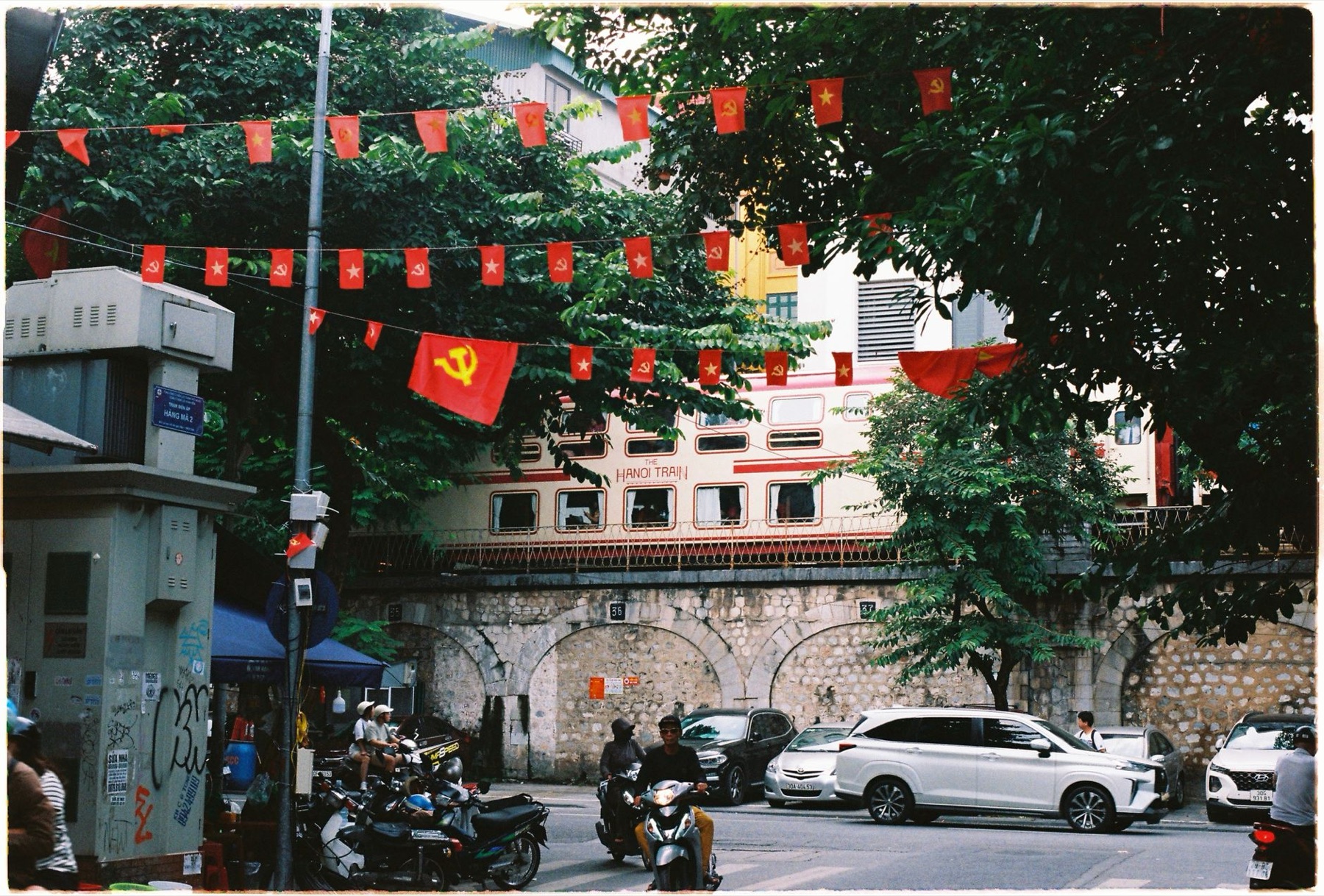
The French Quarter (around Trang Tien, Hang Khay, Ly Thai To streets) holds colonial architecture in decay and reinvention. Yellow shutters, wrought-iron balconies, and tree-lined sidewalks feel transplanted from early 1900s Paris, then left to weather and motorbikes. Rent a bicycle (70,000–120,000 VND / $2.80–4.80 per day from Old Quarter shops) and meander without schedule.
Stop at Hanoi Opera House (viewed from outside unless a performance is on—check online). Walk through narrow alleyways toward Hang Be Market's eastern edge. Cafés here (Café Nhan, Café Huong, small unmarked doorways serving espresso for 35,000–50,000 VND / $1.40–2) attract locals and ex-pat regulars. No Wi-Fi, old chairs, real conversations.
Motorbikes own these streets, but cyclists move slower and feel safer. Pay attention, stay on edges, don't lock eyes with drivers (they'll sense hesitation).
📸 Book an ao dai photoshoot in Hanoi or Saigon (Cáo Studio)
What transforms a water-puppet show from novelty to memory?
Water puppetry (Mua Roi Nuoc) originated in rice paddies and temple festivals. Puppeteers stand waist-deep in water behind a screen, manipulating wooden figures via rods and strings. Stories involve dragons, fishermen, and village life. The National Water Puppetry Theatre (Thang Long Water Puppet Theatre, around Dinh Tien Hoang St., near Hoan Kiem Lake) charges 100,000–150,000 VND ($4–6) for standard seating, 200,000–250,000 VND ($8–10) for front rows.
Go for the craftsmanship, not the plot (translated English subtitles help, but you'll grasp the rhythm regardless). The 60-minute show includes live traditional music (bamboo flutes, wooden drums, two-string guitar). Arrive 15 minutes early; the foyer holds puppets and explains the technique.
It's not overrated. Most tourists arrive too late, get distant seats, and miss nuance. Early entry + front-row positioning shifts it from tourist item to genuine art encounter.
Why do day trips to Ninh Binh or Ha Long Bay beat staying put?
Hanoi itself is compact. After three days, many visitors feel saturation. Ninh Binh (90 km south, 1.5–2 hours by car or bus) offers limestone karsts, river kayaking, and rural temples. Visit Ninh Binh for cave temples and valleys that feel timeless. Explore Ha Long Bay (160 km east, 3 hours by car + 2-hour boat ride) for UNESCO-listed karsts and overnight junk cruises.
Both require day-trip prep: book transport the night before, pack sunscreen (sun reflects off water), bring a portable phone charger. Tour operators cluster around Old Quarter travel agents, but negotiating directly saves 10–20%. A basic Ninh Binh day trip (transport + kayak + temple) costs around 400,000–600,000 VND ($16–24). Ha Long Bay junk overnight runs 800,000–1,200,000 VND ($32–48) per person (budget end, 2–3 star cruise, shared cabin).
Neither requires booking from abroad. Hanoi agencies finalize details same-day.
How does cycling past locals reveal the city real people inhabit?
Rent a bike (as noted above) and drift northwest toward Ha Noi residential zones: Tay Ho (West Lake), Cau Giay, Ba Dinh districts. You'll pass motorbike repair shops, plastic stool eateries, families napping on stoops, kids playing badminton in alleys. No monuments, no entry fees, no English menus. This is where Hanoi actually breathes.
Stop at random cafés. Order "Cafe sua da" (iced coffee with condensed milk, 25,000–35,000 VND / $1–1.40) and sit for an hour. Conversations might not happen, but presence does. Watch motorbike traffic from a safe vantage. Understand why locals treat bikes as furniture and scooters as limbs.
One honest note: Hanoi's traffic is dangerous for inexperienced cyclists. If you've never ridden in high-chaos environments, skip biking and use taxis/Grab (25,000–60,000 VND / $1–2.40 per ride depending on distance).
What to check before you go: a practical pre-trip checklist
- eSIM or local SIM? Get a Vietnam eSIM before arrival (works immediately) or buy a local Viettel/Mobifone SIM at airport (100,000 VND / $4 with 50GB data). eSIM is faster; SIM is cheaper if you stay 2+ weeks.
- Visa? US, UK, EU, Australian, Canadian, and Japanese nationals get 90 days visa-free. Others: Apply for Vietnam e-visa online (25 USD, 3-day processing).
- Money and scams. Use ATMs (ubiquitous, withdraw in 1–2 million VND / $40–80 increments to avoid fees). Exchange rates are identical everywhere. Taxis: use Grab app (fixed prices, no negotiation). Avoid unmarked taxis and "friendly guide" offers on streets.
- Timing. October–November (autumn) and March–April (spring) offer cool, dry weather. December–February is coolest; May–September is hot and humid.
- Language. English is sparse outside tourist zones. Download Google Translate offline. Learn "cam on" (thank you) and "bao nhieu tien?" (how much?).
🎟️ Compare tours & tickets for this place
Could souvenirs capture your Hanoi moment?
Handcrafted goods matter more in Hanoi than trinkets. Lac Ware (lacquered wood, jewelry boxes, coasters) from villages south of the city holds artisanal value. Silk scarves (scarce authentic ones) and embroidered textiles come from northern villages. If you've photographed moments in Hanoi—sunrise over Hoan Kiem, friends at a pho stall, temple incense smoke—consider an engraved keepsake box or personalized art print to anchor the memory. These integrate into homes better than mass-produced Buddha figurines.
Flowers are ephemeral souvenirs. If you're gifting someone in Hanoi before you leave (or planning a surprise from abroad), Hoa Lang Thang delivers fresh arrangements across the city—peonies, orchids, sunflowers—for meaningful send-offs.
---
Hanoi rewards patience over efficiency. You'll see more in three slow days than ten rushed ones. Walk. Eat. Sit. Let the city interrupt your plans. That's when the real ten things reveal themselves.
FAQ
Is the Old Quarter worth visiting if I only have one day in Hanoi?
Yes, but not as a checklist. Spend 3–4 hours there early morning, eat breakfast, wander alleys, skip landmarks. Pair it with Hoan Kiem Lake sunset and one temple. Skip the opera house (exterior only), Ta Hien bar crawl (tourist trap), and water puppet show if time is tight.
How much should I budget per day for food and transport in Hanoi?
Budget 200,000–400,000 VND ($8–16) daily for street food and casual sit-down meals; 50,000–100,000 VND ($2–4) for Grab taxis per trip; 30,000–50,000 VND ($1.20–2) for coffee and juice. Temples add 10,000–30,000 VND entry. Tours (water puppet, day trips) run 100,000–600,000 VND ($4–24).
Is it safe to travel solo in Hanoi as a woman?
Yes. Solo women travelers are common. Petty theft and lecherous behavior happen (avoid drunk men at night markets, keep bags close). Taxis and Grab are safer than walking alone after midnight. Use your instincts; Hanoians are generally helpful and non-aggressive.
Should I negotiate prices in street markets and taxis?
Negotiate at night markets and small shops (expect 10–20% off opening prices). Skip negotiation in restaurants (posted prices are final). Use Grab app for taxis (fixed, non-negotiable, transparent). Airport taxis have fixed meters; unmarked taxis require negotiation (risk: inflated rates).
What's the best time to visit Hanoi, and how long should I stay?
October–November and March–April offer ideal weather (cool, dry). December–February is cool but crowded. May–September is hot and humid. Stay 3–4 days minimum to feel the rhythm. Five days lets you add one day trip (Ninh Binh or Ha Long Bay). Longer stays reveal neighborhoods beyond tourist focus.
FAQ
Is the Old Quarter worth visiting if I only have one day in Hanoi?
Yes, but not as a checklist. Spend 3–4 hours there early morning, eat breakfast, wander alleys, skip landmarks. Pair it with Hoan Kiem Lake sunset and one temple. Skip the opera house (exterior only), Ta Hien bar crawl (tourist trap), and water puppet show if time is tight.
How much should I budget per day for food and transport in Hanoi?
Budget 200,000–400,000 VND ($8–16) daily for street food and casual sit-down meals; 50,000–100,000 VND ($2–4) for Grab taxis per trip; 30,000–50,000 VND ($1.20–2) for coffee and juice. Temples add 10,000–30,000 VND entry. Tours (water puppet, day trips) run 100,000–600,000 VND ($4–24).
Is it safe to travel solo in Hanoi as a woman?
Yes. Solo women travelers are common. Petty theft and lecherous behavior happen (avoid drunk men at night markets, keep bags close). Taxis and Grab are safer than walking alone after midnight. Use your instincts; Hanoians are generally helpful and non-aggressive.
Should I negotiate prices in street markets and taxis?
Negotiate at night markets and small shops (expect 10–20% off opening prices). Skip negotiation in restaurants (posted prices are final). Use Grab app for taxis (fixed, non-negotiable, transparent). Airport taxis have fixed meters; unmarked taxis require negotiation (risk: inflated rates).
What's the best time to visit Hanoi, and how long should I stay?
October–November and March–April offer ideal weather (cool, dry). December–February is cool but crowded. May–September is hot and humid. Stay 3–4 days minimum to feel the rhythm. Five days lets you add one day trip (Ninh Binh or Ha Long Bay). Longer stays reveal neighborhoods beyond tourist focus.
More: Hanoi guide · Things to do in Hanoi