Hanoi · Things to do
Top Things to Do in Hanoi 2025: Insider Guide + Travel Gifts
By Wander in Vietnam editorial team · Hanoi, Vietnam
Hanoi's top things to do include Old Quarter wandering (morning and dusk), water puppet theater, Hoan Kiem Lake sunrise walks, temple visits in Ba Dinh district, and street-food crawls through neighborhoods like Ta Hien. The city rewards patience: rush a temple visit and you'll miss the quiet corners where residents leave incense; skip the famous lake at midday and you'll fight crowds instead of finding stillness.
We've spent years navigating Hanoi's rhythm, and the hardest lesson isn't finding the famous spots—it's knowing when to go, which lanes to explore, and what genuinely matters versus what's been packaged for Instagram. Here's how to do it right.
How Do You Navigate Old Quarter Without Getting Lost?
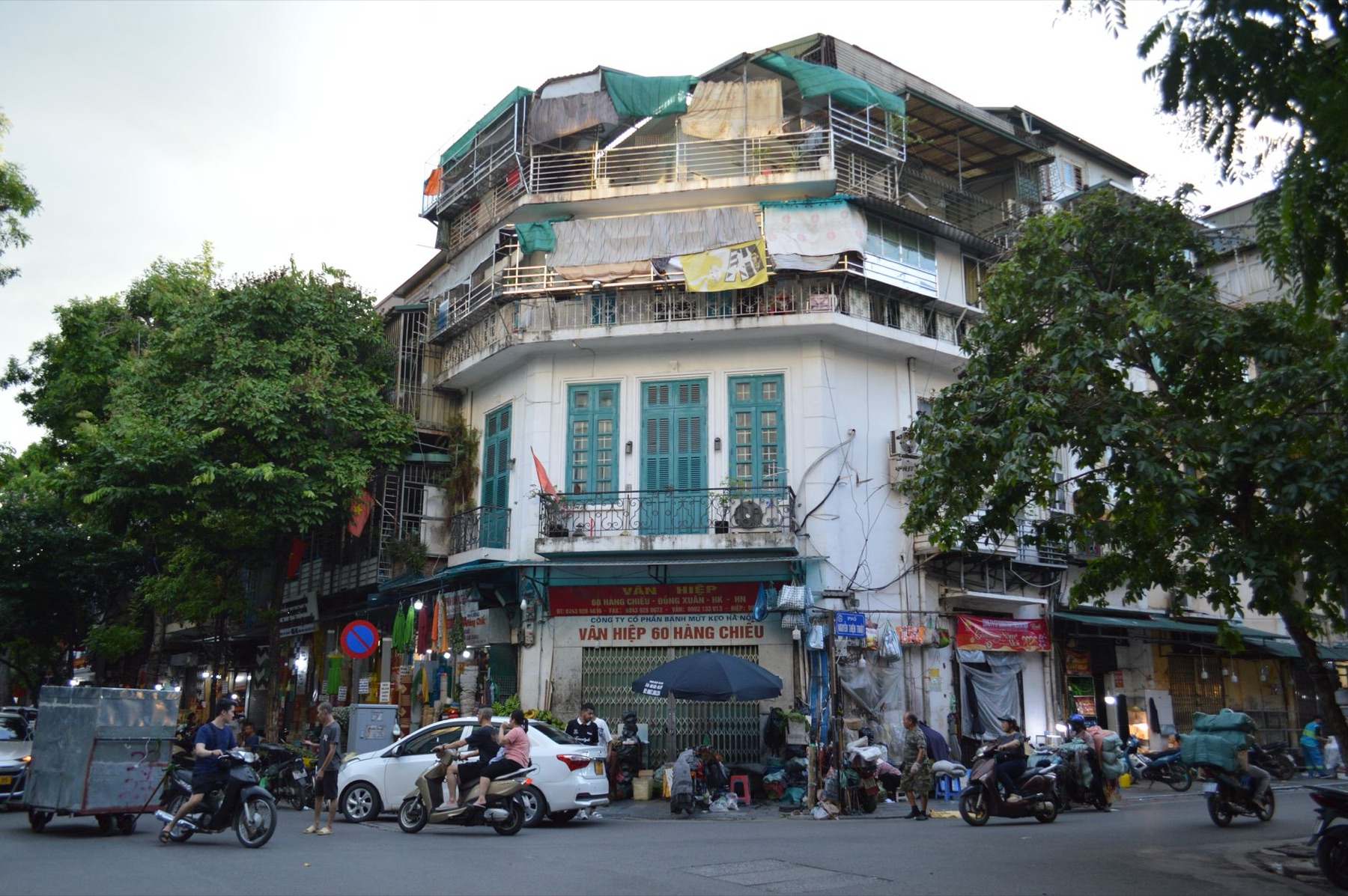
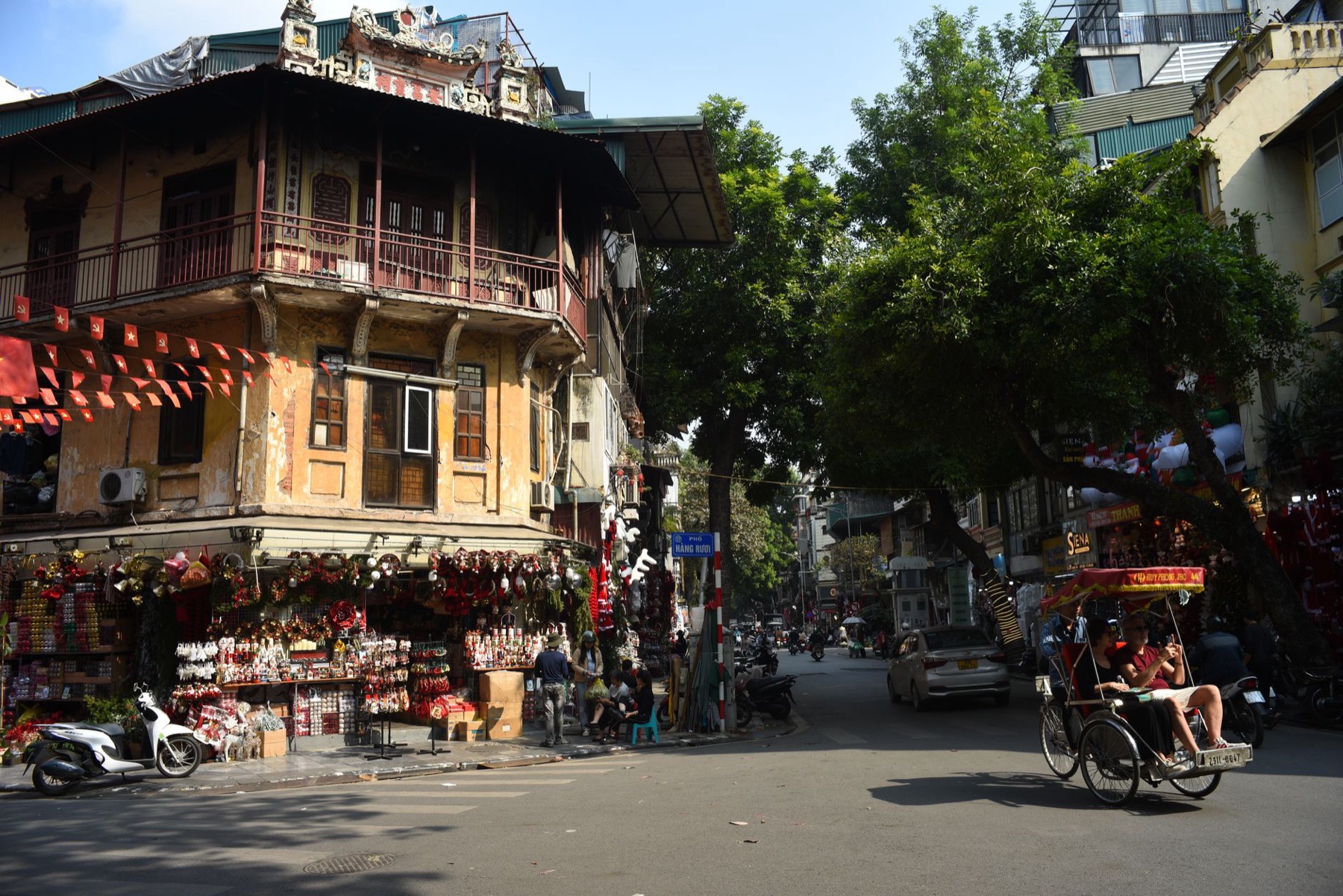
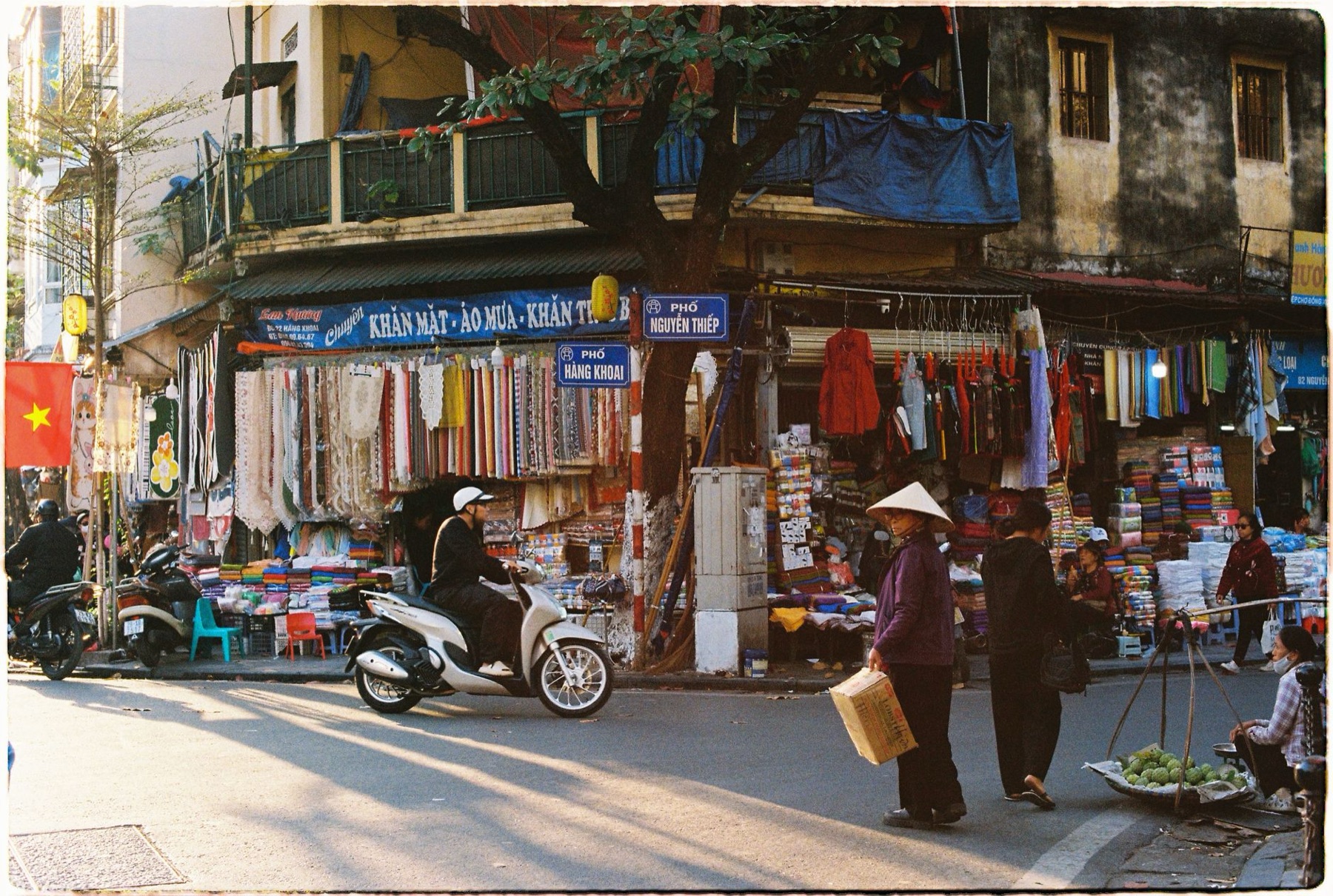
The Old Quarter sprawls across 36 streets named after the goods they historically sold: Hang Gai (silk), Hang Dao (spice), Hang Bac (silver). Plan mornings (5–7 a.m.) or late afternoons (4–6 p.m.) for clearer lanes. During midday, motorbike gridlock and tour groups make exploration claustrophobic.
Walk with a simple paper map or download the offline Google Maps.ve file before you arrive; 3G here is unreliable in narrow alleys. Expect chaos: delivery cyclists, hawkers resetting stalls, and water splashed from overnight cleanings. This isn't a museum—it's living streets.
Skip the overpriced beer-hall crawls on Hang Gai and Hang Bac; instead, duck into ground-floor eateries where workers eat breakfast (banh mi, pho tai) for around 25,000–40,000 VND ($1–1.60). Bargaining in tourist shops is expected and often cuts prices by 30–50%, but haggling over 5,000 VND ($0.20) damages relationships—know your walk-away number first.
Why Is Water Puppet Theater Worth the Ticket?
Water puppets emerged from rice-paddy celebrations centuries ago; the art form is unique to northern Vietnam and impossible to see elsewhere. A 45-minute show costs around 100,000–150,000 VND ($4–6) for standard seating. English-language programs run twice daily (typically 9:15 a.m. and 3 p.m.); evening shows (7:30 p.m.) often fill with tourists.
The catch: generic plot (farm, fishing, court tales) repeats across theaters. Go for the technique—puppeteers control wooden figures through water with rods you won't see, creating illusions of floating characters. The troupe's skill varies; Thang Long Water Puppet Theatre (near Hoan Kiem Lake, Hoang Dieu Street) remains the steadiest option, though expect a tourist majority.
Book in advance via your hotel concierge or a tour operator; walk-up tickets at the theater sometimes sell out by 2 p.m. Avoid back rows (sound quality and sight lines suffer).
What's the Real Story Behind Hoan Kiem Lake at Sunrise?
Hoan Kiem (Sword Lake) is Hanoi's most overrated photo spot—but arrive before 6 a.m. and you'll glimpse why locals guard it. The lake reflects dawn mist, fishermen cast nets in rhythm, and tai chi clusters move in silence. By 7 a.m., tourists flood the perimeter; by 8 a.m., it's a crowded promenade.
The lake's legend claims a giant golden turtle gifted a magic sword to a king; the turtle now dwells in the depths. Locals visit Turtle Tower (a small stone pavilion mid-lake, not publicly accessible) to pay respects—not for selfies.
Walk the east bank (quieter than the western waterfront promenade). Enter through the small gate near Hang Dau Street (avoid the main south entrance). Bring 50,000 VND ($2) for a small street coffee and a plastic stool; sit at a corner vendor and watch the lake wake up.
🗺️ Plan your route: Vietnam itinerary
Which Temples Reward Deep Exploration?
Temple-hopping feels mandatory in Hanoi; most visitors tick three or four in a morning. Skip that. Pick one or two and sit for 30 minutes.
Temple Comparison Table
| Temple | District | Best For | Realism Check | Cost |
|---|---|---|---|---|
| Quan Thanh | Ba Dinh | Bronze gates, morning incense, locals worshipping | Steep stone steps, can be hot mid-morning | Free (donation ~10k) |
| One Pillar (Chua Mot Cot) | Ba Dinh | Photography, historical significance | Heavily restored; feels performative; peak crowds 9–11 a.m. | Around 30,000 VND |
| Tran Quoc | Tay Ho (West Lake area) | Quiet riverside setting, oldest temple in Hanoi | Far from Old Quarter; best by taxi or motorbike | Free (donation) |
| Temple of Literature (Van Mieu) | Dong Da | Scholars' site, architecture, gardens | Crowded after 9 a.m.; educational but touristy | Around 30,000 VND |
Go to Quan Thanh early (6–7 a.m.) to watch monks chant and residents light incense. The bronze doors and courtyards are serene. Skip the One Pillar temple on weekends; it's a photo factory, not a spiritual site.
Where Do You Find Authentic Street Food Without Hype?
Hanoi's food reputation attracts food-tour operators who mark up prices 200–300%. You don't need a guide to eat well.
Street-Food Checklist
- [ ] Identify a busy stall with locals eating, not tourists photographing.
- [ ] Watch the owner prepare food; cleanliness varies (standing water or frequent wiping?).
- [ ] Arrive at a meal time (breakfast 6–8 a.m., lunch 11:30 a.m.–1 p.m., dinner 5–7 p.m.).
- [ ] Accept that Western stomachs adjust over 3–5 days; start mild.
- [ ] Point at food or show your phone photo; minimal English required.
- [ ] Pay in cash, small denominations (locals tip rarely; round up if you feel welcomed).
Neighborhoods to Eat In
- Hang Ganh area: fish and crab stalls at dawn; arrive by 6:30 a.m.
- Dong Xuan Market (ground floor): pho, banh trang nong (hot rice paper) by 7 a.m.
- Duc Kiep Street: crab noodles (bun cua) at family-run stalls; lunch only.
- Nha Tho Street: French-era cafes mixed with local breakfast spots; feel, not forced.
Expect 25,000–60,000 VND ($1–2.50) per meal at street stalls. Restaurants with English menus charge 80,000–200,000 VND ($3–8) for the same dishes. Bottled water costs 10,000–15,000 VND ($0.40–0.60); never ask for tap water.
📸 Book an ao dai photoshoot in Hanoi or Saigon (Cáo Studio)
How Do You Avoid Common Tourist Traps?
Scams & Mistakes We See Repeatedly
- Cyclo rides at night: drivers quote 50,000 VND ($2), then ask for 300,000 ($12) at the end. Agree on a fare before boarding; use Grab motorbike instead (tracked pricing).
- "Friendly student" coffee invitations: leads to overpriced egg coffee and a gem scam afterward. Decline politely.
- Fake tickets to sites: buy temple/museum tickets on-site only. Street vendors resell at markup or provide non-refundable fakes.
- Tailor shops pushing custom clothes: takes 3–5 days and quality is inconsistent. If you want ao dai wear, consider a professional photoshoot session instead (full styling included).
What to Skip Entirely
- Motorized tours of Old Quarter (you walk faster and see more by yourself).
- Tourist-targeted shows (the water puppet theater is the exception).
- Branded coffee chains (local cafes taste better and cost half as much).
- Hanoi Prison Museum during peak hours (go at opening, 8 a.m., or skip if you're sensitive to heavy topics).
---
What Should You Check Before You Buy Travel Gifts?
A gift from Hanoi should reflect what you've learned, not what a shop pressured you into. Before purchasing anything:
- Authenticity: Is this handmade in Vietnam, or a Chinese bulk import sold as "local"?
- Durability: Will it survive 15 hours of flight? Ceramics crack; silk wrinkles; lacquerware chips.
- Practicality: Does the recipient actually use or display the item, or does it sit in a drawer?
- Meaning: Does it tell a story about Hanoi, or is it generic "Asia" decor?
Consider instead meaningful alternatives—a star map print capturing Hanoi's night sky on your travel date, a handwritten recipe card from a street-food vendor you befriended, or a custom photograph in traditional ao dai wear that captures your time here authentically.
🎟️ Compare tours & tickets for this place
---
Bringing Hanoi Home: Thoughtful Gift Ideas
If you want to send something meaningful back, skip mass-market souvenirs. Instead:
- Custom star map prints (your date in Hanoi): capture the exact sky above the city when you arrived. Works for any location and recipient.
- Handwritten recipe cards or food guide pages: document dishes you loved with sketches or photos. Personal and practical.
- Professional ao dai photoshoot: if you traveled with someone, a styled photo session in Hanoi dress doubles as art and memory. Hair, makeup, and styling included.
- Silk scarves or fabric rolls from silk merchants in Hang Gai (direct from weavers, not tourist shops): more affordable and genuine than ready-made gifts.
Shipping takes 5–10 days to the US; most items arrive safely if packed by the seller. Gifts with a 30-day return guarantee let you shop without worry—if something arrives damaged or isn't what you expected, replacement is straightforward.
---
Before You Leave Hanoi
Book accommodations in Ba Dinh or Hoan Kiem districts (closest to top sites, though noisier). Stay 3–4 days minimum; two days barely scratches the surface.
Grab a local SIM card or eSIM for Vietnam before arrival—it costs around 50,000 VND ($2) and keeps you mapped and safe. Download offline maps, learn "cam on" (thank you) and "bao nhieu tien?" (how much?), and respect that this city doesn't revolve around tourists.
Want to expand your trip? Check Ninh Binh (limestone landscape, 1.5 hours south), Sapa (mountains, 6 hours north), or Ha Long Bay (limestone islands, 3.5 hours east) for multi-week itineraries.
🗺️ Plan your route: Vietnam itinerary
FAQ
Is it safe to eat street food in Hanoi?
Yes—millions of residents eat it daily. Watch for busy stalls, fresh ingredients, and basic cleanliness. Your Western stomach may need 3–5 days to adjust; start mild (pho, banh mi) before attempting offal or fermented dishes.
How much should I budget per day in Hanoi?
Budget around 500,000–800,000 VND ($20–32) daily for food, local transport, and entry fees if you eat street food and use public transport. Tourists often spend 1.5–2 million VND ($60–80) by choosing restaurants and taxis. Accommodation varies widely (150,000–800,000 VND / $6–32 per night).
What's the best time to visit Hanoi?
October–November and March–April offer mild weather and clear skies. Avoid June–August (40°C heat, humidity) and December–February (cold, occasional drizzle). May and September are humid but manageable.
Do I need a guide to enjoy Hanoi?
No. A simple map and willingness to get lost will teach you more than a rushed tour. Use a guide only for technical history (Temple of Literature) or if you want insider food access—but even then, street vendors are more trustworthy than commissions-driven operators.
Can I bring souvenirs back to my country?
Most items (silk, ceramics, lacquerware, prints) are duty-free. Avoid animal products (tortoiseshell, coral, ivory—illegal and unethical). Declare handmade or vintage items if unsure. Ship fragile items; don't pack ceramics in luggage.
FAQ
Is it safe to eat street food in Hanoi?
Yes—millions of residents eat it daily. Watch for busy stalls, fresh ingredients, and basic cleanliness. Your Western stomach may need 3–5 days to adjust; start mild (pho, banh mi) before attempting offal or fermented dishes.
How much should I budget per day in Hanoi?
Budget around 500,000–800,000 VND ($20–32) daily for food, local transport, and entry fees if you eat street food and use public transport. Tourists often spend 1.5–2 million VND ($60–80) by choosing restaurants and taxis. Accommodation varies widely (150,000–800,000 VND / $6–32 per night).
What's the best time to visit Hanoi?
October–November and March–April offer mild weather and clear skies. Avoid June–August (40°C heat, humidity) and December–February (cold, occasional drizzle). May and September are humid but manageable.
Do I need a guide to enjoy Hanoi?
No. A simple map and willingness to get lost will teach you more than a rushed tour. Use a guide only for technical history (Temple of Literature) or if you want insider food access—but even then, street vendors are more trustworthy than commissions-driven operators.
Can I bring souvenirs back to my country?
Most items (silk, ceramics, lacquerware, prints) are duty-free. Avoid animal products (tortoiseshell, coral, ivory—illegal and unethical). Declare handmade or vintage items if unsure. Ship fragile items; don't pack ceramics in luggage.
More: Hanoi guide · Things to do in Hanoi