Hanoi · Things to do
Top Things to Do in Hanoi 2026: Honest Neighborhoods & Real Costs
By Wander in Vietnam editorial team · Hanoi, Vietnam
Hanoi in 2026 rewards travelers who skip the Instagram-famous and embrace the routine. The Old Quarter remains chaotic and electric, but the real magic happens when you leave it: West Lake at sunrise, the suburban flower villages, morning tai chi in parks, and the kind of pho stall where tourists are still a novelty.
We've walked every street in this guide at least twice, eaten at most of these spots, and watched what genuinely interests people versus what photographs well. Here's how to spend your time without overpaying or falling into the usual traps.
Which neighborhoods should you actually walk through?
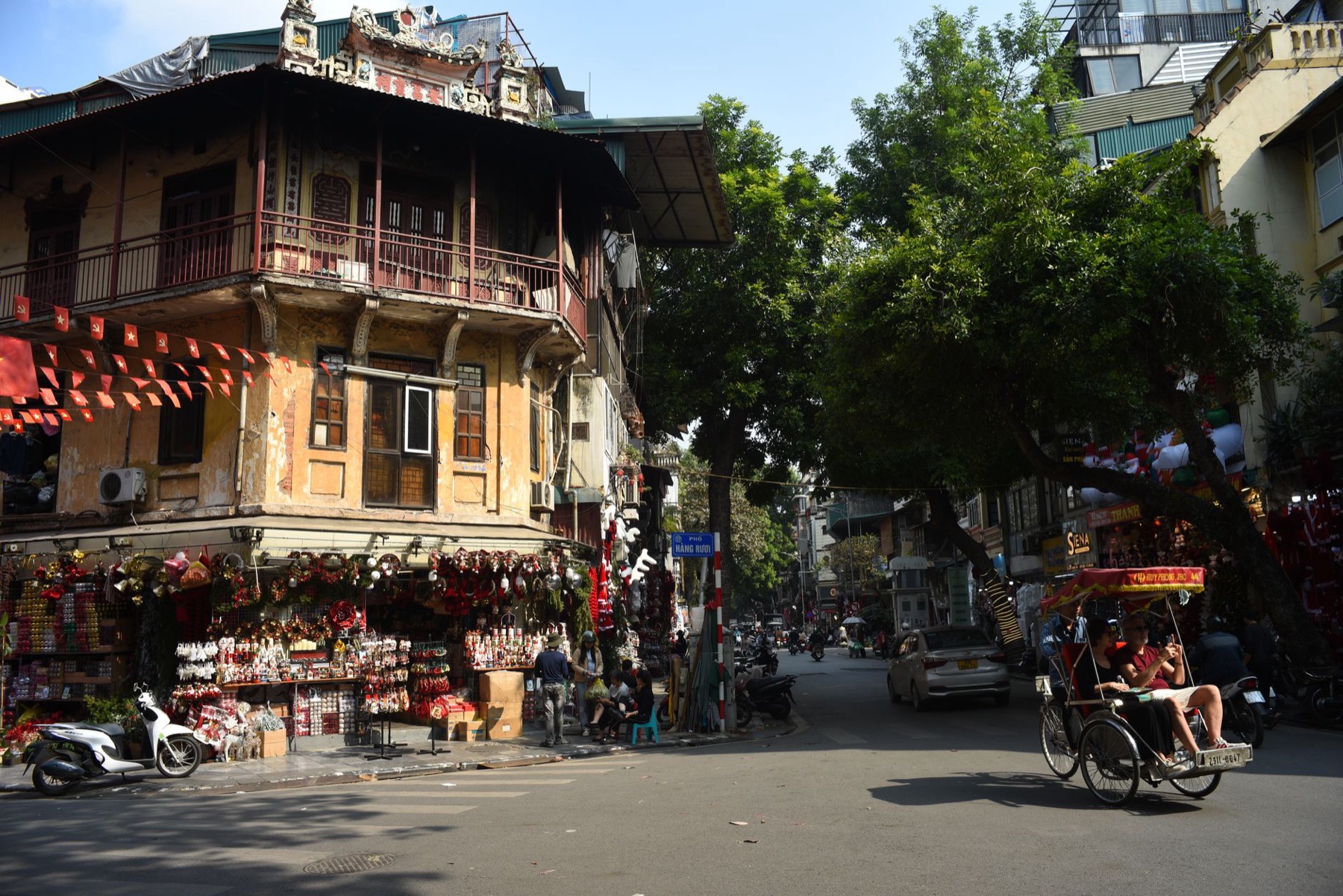
The Old Quarter (Hoan Kiem district) is unavoidable and worth one full day, but don't spend three days there. It's 36 narrow lanes packed with vendors, motorbikes, and tourists. Dawn (around 6–7 a.m.) is quieter; avoid midday heat and evening rush.
Ba Dinh district is where you eat better and pay less. Cha Ca La Vong Street (off Hang Dieu) has specialty cha ca shops—around 80,000–120,000 VND ($4–6) per bowl. The neighborhood feels real; locals outnumber tourists 20:1.
West Lake (Ho Tay) is for afternoon bike rides, lakeside cafés, and temple visits. It's gentler than Old Quarter but less "authentic" in the street-food sense. Good for couples, families, or solo travelers who need quiet.
Tay Ho ward (north of West Lake) is where expats live. Cafés are better, English is common, and prices nudge higher (100,000–200,000 VND/$5–10 for coffee). Less chaotic, more predictable.
Hoan Kiem Lake itself is free to walk around (2–3 hours). Entry to Jade Island Temple is around 30,000 VND/$1.50. The Turtle Tower (on the lake) is just a viewing spot—no entry fee.
What temples and historical sites actually matter?
Tran Quoc Temple (oldest temple in Hanoi, on an island in West Lake, Tay Ho ward) is serene and photogenic. Open dawn–dusk. Entry is free or donation-based (20,000–50,000 VND/$1–2.50). Go early before tour groups arrive.
Temple of Literature (Van Mieu, Dong Da district) is Hanoi's best-preserved historical site—Vietnam's first university (1070 AD). Open 8 a.m.–5 p.m. Entry around 30,000 VND/$1.50. Allow 1.5–2 hours. The courtyards and scholar stones are genuinely moving; the museum wing is basic.
Ho Chi Minh Mausoleum (Ba Dinh Square, Ba Dinh district) is free but requires dress code (shoulders/knees covered; no shorts). Open Tue–Thu and weekends, 8–11 a.m., 2–4 p.m. (closed Mon, Fri). Queues form by 8:30 a.m. The grounds are worth walking even if you skip the mausoleum itself.
One Pillar Pagoda (Cot Co, Ba Dinh district, near Ho Chi Minh Mausoleum) is a 1000-year-old wooden structure. Entry around 40,000 VND/$2. It's tiny but iconic. Go with the mausoleum visit (same area).
Old Cathedral (St. Joseph's, Hoan Kiem district, Nha Chung Street) is free to walk past, open for mass only. It's photogenic and less crowded than temples.
Where do you actually eat street food without getting scammed?
Pho Bo Bat Dan (Bat Dan Street, Hoan Kiem district) is the pho alley. Shops have no names, just steam and a counter. Around 60,000–90,000 VND ($3–4.50) for a full bowl. Go 7–9 a.m. or 11 a.m.–1 p.m. Avoid lunch rush (12–12:45 p.m.).
Banh Mi: any corner bakery near Ben Thanh market area (Hoan Kiem). Around 30,000–50,000 VND ($1.50–2.50). Quality is consistent and cheap.
Egg Coffee (Cau Go Street or anywhere in Old Quarter) is a Hanoi invention—egg yolk foam over dark coffee. Around 40,000–60,000 VND ($2–3). It's sweet, touristy, but genuine. Arrive early (7–8 a.m.) for fewer crowds.
Bun Cha (grilled pork + noodles) is best in the Ba Dinh area, around Hang Gai or Tran Hung Dao streets. Around 50,000–80,000 VND ($2.50–4). Sit on a plastic stool, no menus.
Scams to avoid:
- Cyclo drivers quoting prices in USD first. Agree in VND or walk.
- "Friendly student" offering to guide you to a café—commission-based; cafés are overpriced.
- Jewelry or gem "deals" in Old Quarter. All tourist traps.
- Restaurants with photos and English menus on the street. Tourist markup is real.
- Meter taxis: use Grab (app-based, Uber's replacement) instead. No meter haggling.
What to Check Before You Explore
| Activity | Best Time | Rough Cost | Why It Works | Skip If… |
|---|---|---|---|---|
| Temple walking (Tran Quoc) | 6–8 a.m. | Free–50K VND ($2.50) | Peaceful, photogenic, cool | You need AC and crowds |
| Old Quarter street food | 7–9 a.m. or 11 a.m.–1 p.m. | 50–100K VND ($2.50–5) | Authentic, cheap, locals only | You want plated service |
| Water puppet show | Evening (8–9 p.m.) | 150–300K VND ($7–15) | Cultural performance, 1 hour | You dislike puppetry |
| Bike tour to villages | 7 a.m. start | 300–500K VND ($15–25) group rate | Rural immersion, small groups | You prefer urban exploration |
| Cyclo ride (Grab or booked) | Late afternoon | 50–100K VND ($2.50–5) | Photo op, slow pace | You value speed or comfort |
📸 Book an ao dai photoshoot in Hanoi or Saigon (Cáo Studio)
What's worth your money and what's overrated?
Worth it:
- Water puppet theater (Thang Long Water Puppet Theatre, Dinh Tien Hoang Street). Around 150,000–300,000 VND ($7–15). It's 50–60 minutes of art, history, and craft. Book online to skip queue.
- Sunrise bike ride to Duong Lam ancient village (southwest, ~45 km). Half-day group tours around 400,000–600,000 VND ($20–30). You see real farming, rural temples, zero tourists.
- National Museum of Vietnam (Tran Hung Dao Street, Hoan Kiem). Entry around 40,000 VND ($2). Three floors of Vietnamese history, decent English labels. 2–3 hours well spent.
Overrated:
- Cyclo tours through Old Quarter (tourist premium is 200–400% markup). Grab a motorbike taxi instead for the same view and half the cost.
- "Cooking classes" advertised to tourists. Most are in tourist cafés, use pre-cut ingredients, end with overpriced lunch. Real food knowledge comes from eating street food and asking vendors.
- Nightlife in Old Quarter. Loud, drunk tourists, drinks 2× normal price. West Lake or Tay Ho cafés are better.
How do you move around without overpaying?
Grab (the app, like Uber) is your lifeline. No haggling, GPS tracking, around 30,000–80,000 VND ($1.50–4) for most in-city rides. Download before arrival or buy a local SIM (Vietnam eSIM guide).
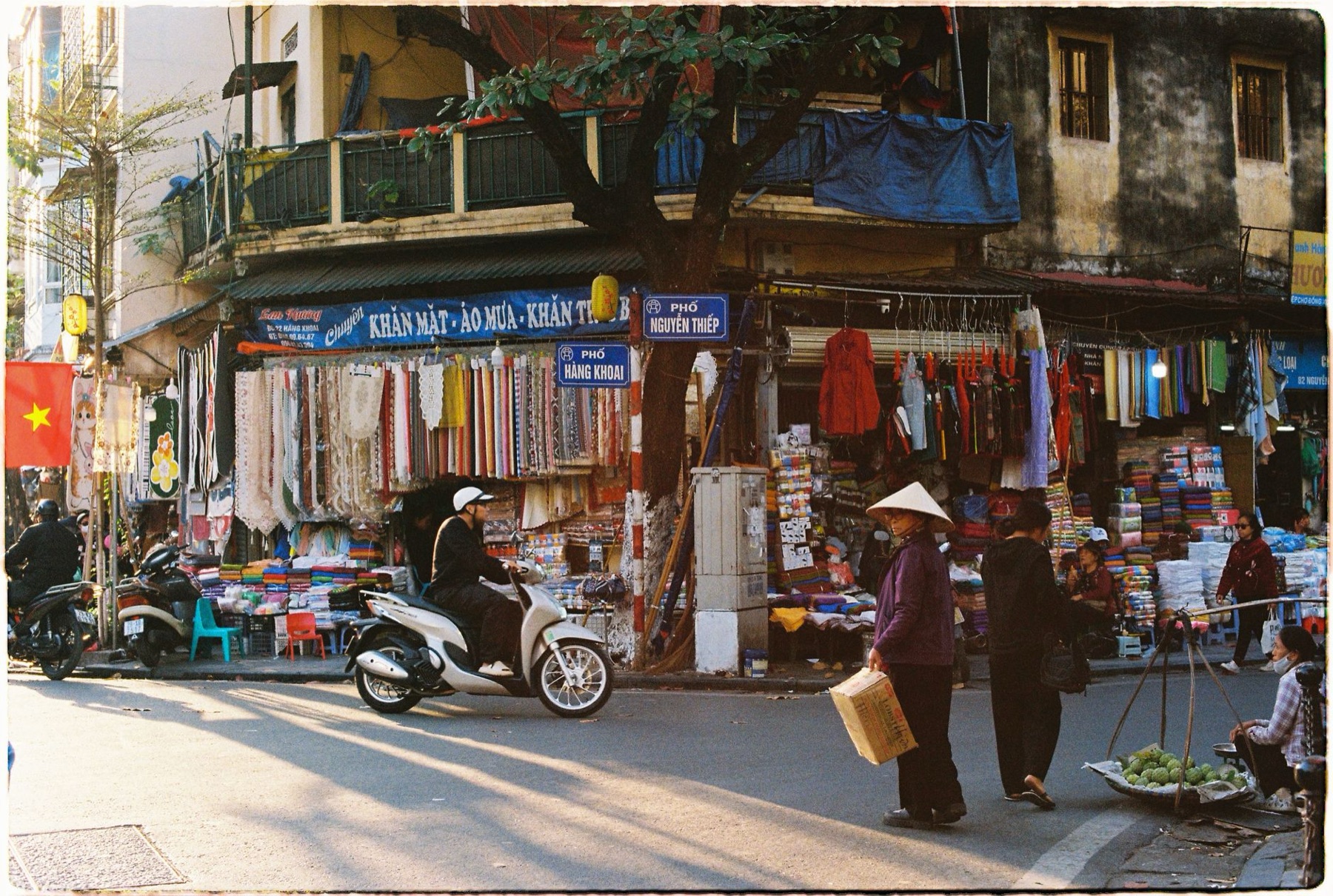
Cyclo (three-wheeled taxi) is fun for 1–2 rides as a photo moment. Fix price before riding. Around 50,000–100,000 VND ($2.50–5) for 20 minutes. Ignore touts on the street.
Motorbike taxi (Grab bike): around 20,000–50,000 VND ($1–2.50) for short hops. Fast, chaotic, real Hanoi experience. Wear a helmet (free, provided).
Walking is free and best. Most neighborhoods are compact; get lost, find pho.
What gifts or keepsakes actually make sense to bring home?
Hanoi is the place to commission or buy authentic Vietnamese items before moving to souvenirs.
Ao Dai (traditional dress): Tailor-made on Hang Gai Street (Hoan Kiem) or Hang Dieu. Around 500,000–1,500,000 VND ($25–75) depending on silk quality. Takes 3–5 days. Wear for a professional photoshoot in Hanoi (Cáo Studio) to justify the investment.
Silk scarves & textiles: Night markets (Dong Xuan Market, open 5 p.m.–midnight) or Tom Gallery (Hoan Kiem). Quality varies; inspect seams. Around 200,000–500,000 VND ($10–25) for decent silk.
Water puppet figures (small wood carvings): Temple shops or artisan stalls. Around 100,000–300,000 VND ($5–15). Real ones are hand-carved and take time; cheap ones arrive in a week (check before buying).
Coffee (local brands): Trung Nguyen or Chon (robusta, 100% Vietnamese bean). Supermarkets sell bags for around 80,000–150,000 VND ($4–7.50). Ship easily, last well.
Embroidered items (pillowcases, wall hangings): Hanoi Silk Embroidery workshop (Tay Ho ward) or markets. Prices 200,000–1,000,000 VND ($10–50) depending on size and intricacy. These photograph beautifully in-home.
We recommend skipping mass-produced lacquerware (overpriced tourist versions; real lacquer takes years). Instead, find artisan workshops in Ninh Binh (day trip, Ninh Binh guide) for authentic pieces.
🗺️ Plan your route: Vietnam itinerary
How long should you really spend in Hanoi?
- 3 days minimum: Old Quarter 1 day, Ba Dinh temples + museums 1 day, West Lake/Tay Ho + villages or surrounding countryside 1 day.
- 5–7 days ideal: Above + water puppet, sunrise bike tour, café sitting, food crawls, day trip to Duong Lam or Bat Trang ceramic village.
- 10+ days: Deep into neighborhoods, multiple street-food hunts, return visits to favorite cafés, side trips to Ha Long Bay or Ninh Binh, ao dai commission and photoshoot.
Most tourists undershoot. Three days feels rushed. Five days is the sweet spot for non-rushed exploration.
🎟️ Compare tours & tickets for this place
FAQ
Is it safe to walk alone in Hanoi at night?
Yes, Old Quarter and tourist areas are safe late evening. Avoid isolated spots past midnight. Women traveling solo should use Grab after dark instead of walking. Petty theft and motorbike bag snatches happen—keep valuables in a crossbody bag, not a backpack.
Do I need to book temples or temples in advance?
No. Most temples (Tran Quoc, Temple of Literature, One Pillar Pagoda) take walk-ins dawn–dusk. Water puppet theater should be booked online or through your hotel to guarantee a seat, especially evenings.
What's the best time of year to visit Hanoi?
October–November and March–April. Cooler, less humid. Avoid June–September (heat 35°C+, typhoon risk) and December–February (chilly, some rain). 2026 follows the same seasonal pattern.
Can I visit Hanoi on a strict budget?
Absolutely. Street food (50–100K VND/$2.50–5), temples (free–50K VND/$2.50), walking, and Grab motorbike (20–50K VND/$1–2.50) allow $20–30/day. Accommodation is the bigger cost; hostels around 200–300K VND ($10–15), mid-range hotels 500K–1M VND ($25–50).
Should I hire a tour guide or explore solo?
Solo walking is better for first-time orientation. A half-day guide tour (3–4 hours, around 300–500K VND/$15–25) is useful for Temple of Literature or historical context on second visit. Avoid "free walking tours" that push alcohol bar crawls.
What should I eat or avoid food-wise?
Eat street food at busy stalls (high turnover = freshness). Avoid ice in drinks unless at established cafés with filtered water. Pork, pho, spring rolls, and egg coffee are safe bets. Avoid raw vegetables at roadside stands unless you're confident about water quality.
FAQ
Is it safe to walk alone in Hanoi at night?
Yes, Old Quarter and tourist areas are safe late evening. Avoid isolated spots past midnight. Women traveling solo should use Grab after dark instead of walking. Petty theft and motorbike bag snatches happen—keep valuables in a crossbody bag, not a backpack.
Do I need to book temples or temples in advance?
No. Most temples (Tran Quoc, Temple of Literature, One Pillar Pagoda) take walk-ins dawn–dusk. Water puppet theater should be booked online or through your hotel to guarantee a seat, especially evenings.
What's the best time of year to visit Hanoi?
October–November and March–April. Cooler, less humid. Avoid June–September (heat 35°C+, typhoon risk) and December–February (chilly, some rain). 2026 follows the same seasonal pattern.
Can I visit Hanoi on a strict budget?
Absolutely. Street food (50–100K VND/$2.50–5), temples (free–50K VND/$2.50), walking, and Grab motorbike (20–50K VND/$1–2.50) allow $20–30/day. Accommodation is the bigger cost; hostels around 200–300K VND ($10–15), mid-range hotels 500K–1M VND ($25–50).
Should I hire a tour guide or explore solo?
Solo walking is better for first-time orientation. A half-day guide tour (3–4 hours, around 300–500K VND/$15–25) is useful for Temple of Literature or historical context on second visit. Avoid "free walking tours" that push alcohol bar crawls.
What should I eat or avoid food-wise?
Eat street food at busy stalls (high turnover = freshness). Avoid ice in drinks unless at established cafés with filtered water. Pork, pho, spring rolls, and egg coffee are safe bets. Avoid raw vegetables at roadside stands unless you're confident about water quality.
More: Hanoi guide · Things to do in Hanoi