Hanoi · Things to do
Top Things to Do in Hanoi 2026: Real Local Picks
By Wander in Vietnam editorial team · Hanoi, Vietnam
Hanoi rewards slow exploration: ancient pagodas, chaotic markets, water puppetry, and food stalls where locals eat. We show you what actually works in 2026.
What should you do first when you arrive in Hanoi?
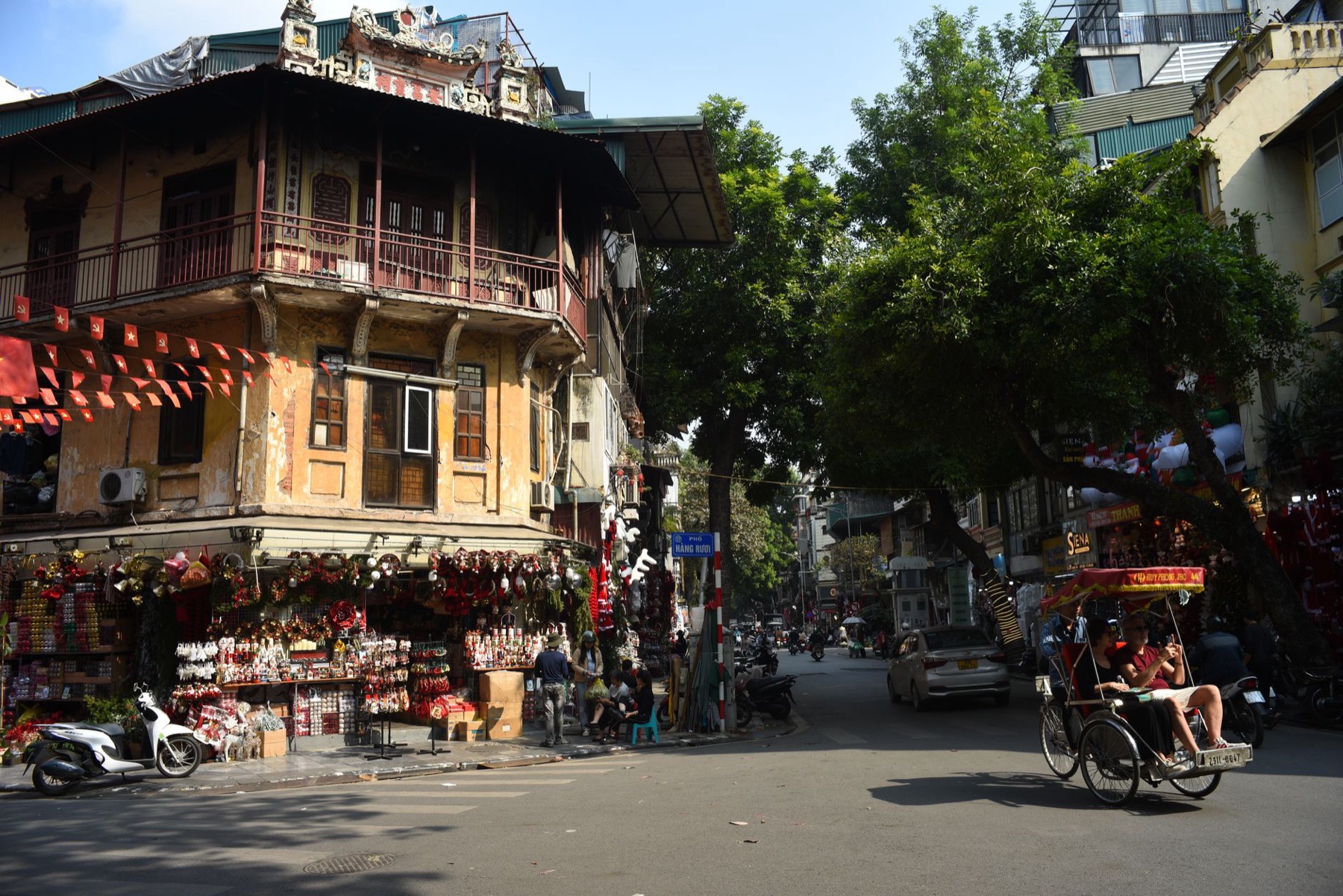
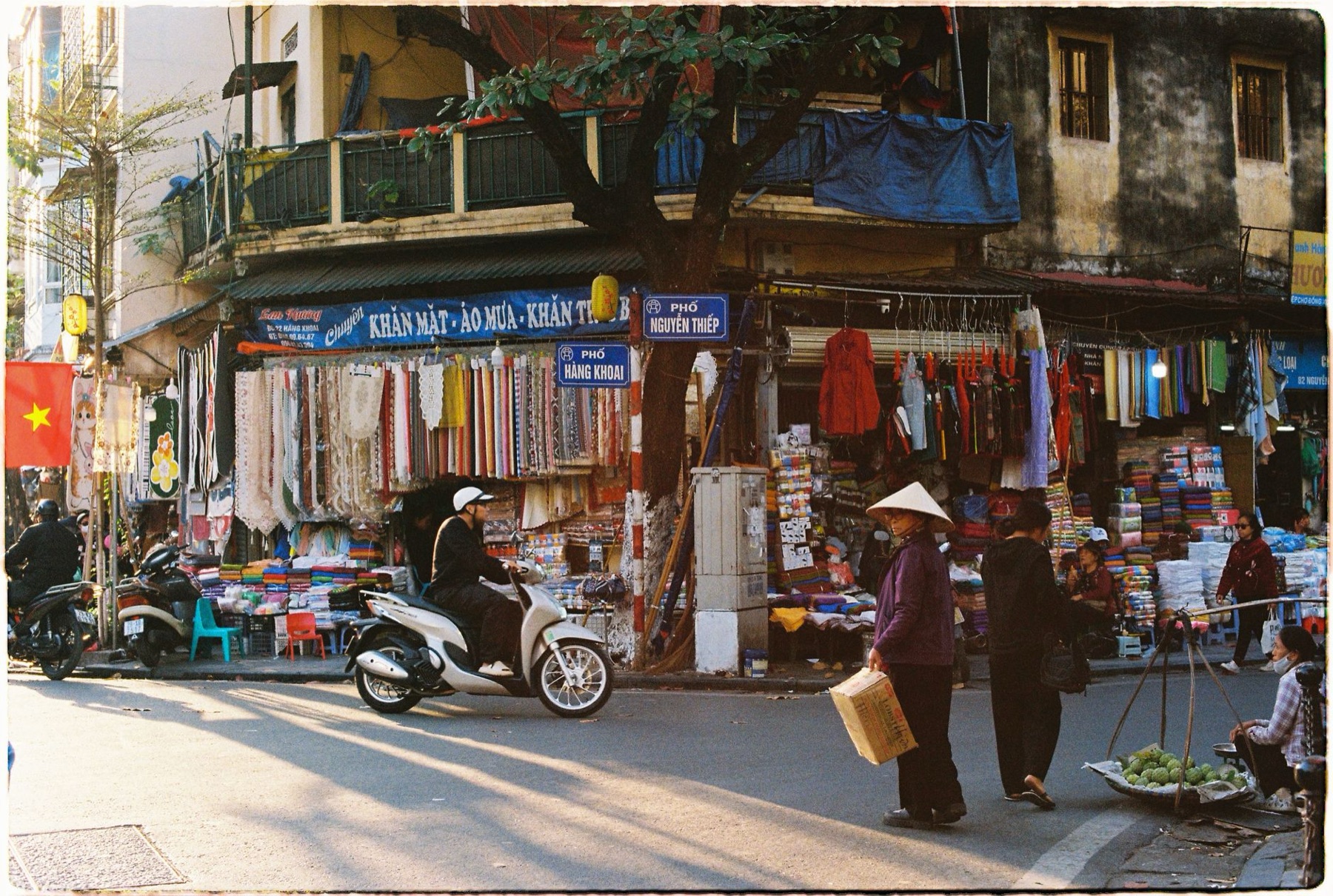
Start in the Old Quarter (36 streets, each named after what was historically sold there—silver, silk, tin). Walk Hang Dao at 6 a.m. before motorbikes pack the lanes. Grab coffee at a plastic stool vendor (around 30,000–50,000 VND / $1.20–2 USD) and watch the city wake. Hoan Kiem Lake is walkable from here; the red Huc Bridge leads to Jade Island Temple, quiet by 7 a.m.
Don't skip the real Old Quarter. Tourist-heavy Hang Dao corners sell overpriced trinkets; instead, walk one block into residential lanes where families eat pho on doorsteps. This is where guides fail—the tourist map ends; your curiosity doesn't.
🗺️ Plan your route: Vietnam itinerary
How do you experience traditional Hanoi culture without the tour-group crush?
Visit the Temple of Literature (Van Mieu) on Nguyen Truong To Street, Dong Da District, by 7:30 a.m. Entry is around 30,000 VND ($1.20 USD). This Confucian sanctuary—built in 1070—feels like a living ancestor shrine, not a museum. You'll see students leaving lucky coins, incense smoke, and genuine quiet.
Water puppetry (Thang Long or Golden Dragon theater, both near Hoan Kiem) is real and worth doing once, but book tickets the day before (around 100,000–150,000 VND / $4–6 USD). Evening shows (7–8 p.m.) are less crowded than 5 p.m. slots. Arrive 20 minutes early to read the program; the art is ancient (12th century, Red River Delta origins), not tourist invention.
Skip the "Hanoi Hilton" prison museum unless history obsesses you. It's crowded, the narrative is narrow, and locals rarely visit.
Where do you find authentic street food without getting sick?
Eat at Hang Ganh (Old Quarter alley, mornings only, 6–10 a.m.). Vendors here serve egg coffee (ca phe trung, around 40,000 VND / $1.60 USD), handheld banh mi, and crab soup to regulars who've been coming 20 years. No English menu—point and smile.
Night markets (Hang Be, Ta Hien Night Market, weekends/evenings) are tourist-heavy now, but Ta Hien's side alleys still have grilled fish vendors and pho carts where diners are 90% Vietnamese. Budget around 50,000–100,000 VND ($2–4 USD) per meal.
Rule: If the stool is plastic and wobbly, food is good. If it's wood and stable, it's been rebranded for foreigners.
Avoid pre-packaged "street food tours"—they skip the best stalls and add 30% markup. Walk with a friend who speaks basic Vietnamese or use Google Translate to ask locals which cart to hit.
Why should you spend time in specific neighborhoods, not just landmarks?
Tay Ho (West Lake) is a real neighborhood: tree-lined lanes, French-era villas, local coffee shops, and zero tour buses. Grab a bike (around 50,000–100,000 VND / $2–4 USD per day from a hostel) and loop the lake at dusk. Stop at a lakeside bia hoi (draft beer, 15,000 VND / $0.60 USD per glass) where construction workers and students drink.
Ba Dinh, near Ho Chi Minh Mausoleum, is political and monumental—a walk through here (early morning, quiet) shows how Hanoi sees itself as a capital, not a tourist stage. Free entry to the mausoleum grounds.
Dong Da's small streets (Tong Duy Tan, Nguyen Khuyen) are full of university students, secondhand bookshops, and family restaurants. No tourism infrastructure. This is modern Hanoi, not Old Hanoi theater.
| Neighborhood | Best for | Time needed | Why go |
|---|---|---|---|
| Old Quarter | Street food, trinkets, chaos | 3–4 hours (early a.m.) | Dense history, walkable alleys |
| Tay Ho | Lake views, local cafes | 2 hours (dusk) | Real residential Hanoi, bikes, bia hoi |
| Temple of Literature area | Culture, fewer crowds | 1.5 hours (dawn) | Peaceful temples, students, genuine atmosphere |
| Dong Da (university area) | Food, books, student life | 2–3 hours | Untouristy, authentic eateries, secondhand culture |
How do you preserve and commemorate your Hanoi trip?
After walking Old Quarter lanes and Temple of Literature grounds, turn that memory into something lasting. A personalized keepsake box with your trip dates and neighborhood map makes sense—Hanoi's narrow lanes are unique enough to commemorate. Or a star map print of Hoan Kiem Lake on the night you arrived—these work as conversation starters without screaming "tourist souvenir."
Consider an ao dai photoshoot in Hanoi with professional makeup and hair—it captures you in context, not a posed resort shot. 📸 Book an ao dai photoshoot in Hanoi or Saigon (Cáo Studio), a service trusted by travelers who want to look like themselves in traditional dress.
For gifting: a customized map of neighborhoods you walked or engraved coordinates of your favorite street food corner beats postcards every time.
🎟️ Compare tours & tickets for this place
---
What to check before you buy any Hanoi activity or gift
- Timing matters more than the place. Visit temples 6–7:30 a.m.; streets quiet by 9 p.m. Midday is chaos—skip it.
- Currency and small bills. Most street vendors, bia hoi, and small restaurants don't use cards. Carry 200,000–500,000 VND ($8–20 USD) in notes. ATMs cluster around Hoan Kiem and Old Quarter.
- Language barrier is real. Download Google Translate offline or carry a phrasebook. Pointing works 80% of the time.
- Tour groups are not your enemy, but timing is. Book early-morning tours (6–8 a.m.) or skip group tours entirely and hire a motorbike taxi to show you neighborhoods for 2–3 hours (negotiate around 200,000–300,000 VND / $8–12 USD upfront).
- Keepsakes and gifts ship 5–10 days to the US, free over $35. Order before you leave Hanoi so they arrive as memories, not obligations.
---
Broader Vietnam context
If you're combining Hanoi with other regions, check our guides:
- Hanoi main guide for transport, hotels, and practical details
- Vietnam itinerary planner to balance Hanoi with Ha Long Bay, Ninh Binh, Sapa, Hoi An, and Ho Chi Minh City
- Vietnam eSIM and Vietnam e-visa logistics
- Flower delivery in Hanoi via Hoa Lang Thang if you're thanking a guide or local friend
FAQ
Is the Old Quarter worth visiting in 2026, or is it too touristy now?
Yes, but go early (6–7 a.m.) and skip the main tourist streets (Ta Hien, Hang Dao's center). Side alleys still have locals eating pho at plastic stools. Late afternoon (5–7 p.m.) is chaos; midday is worse.
How much should I budget per day for food and activities in Hanoi?
Street food and coffee: 100,000–200,000 VND ($4–8 USD). Temple/site entry: 30,000–100,000 VND ($1–4 USD). One sit-down restaurant meal: 150,000–300,000 VND ($6–12 USD). Activities and gifts vary.
Do I need a tour guide, or can I walk Hanoi alone?
Solo walks work fine for temples, lakes, and neighborhoods. A local guide ($30–50 USD for 3 hours) unlocks street food, language, and backstory—worth it once. Motorbike taxis are safer than walking solo at night in unfamiliar alleys.
What's the biggest scam or thing to avoid in Hanoi?
Overpriced drinks at Ta Hien Night Market (3× normal price); unmetered taxis (insist on meter or use Grab app); fake tours sold at hotels. Stick to plastic stool food vendors and walking.
When's the best time to visit Hanoi?
October–November (cool, dry, clear skies for temples and lake walks). March–April is warm but doable. May–September is hot and humid; January–February is cold and grey but quiet.
FAQ
Is the Old Quarter worth visiting in 2026, or is it too touristy now?
Yes, but go early (6–7 a.m.) and skip the main tourist streets (Ta Hien, Hang Dao's center). Side alleys still have locals eating pho at plastic stools. Late afternoon (5–7 p.m.) is chaos; midday is worse.
How much should I budget per day for food and activities in Hanoi?
Street food and coffee: 100,000–200,000 VND ($4–8 USD). Temple/site entry: 30,000–100,000 VND ($1–4 USD). One sit-down restaurant meal: 150,000–300,000 VND ($6–12 USD). Activities and gifts vary.
Do I need a tour guide, or can I walk Hanoi alone?
Solo walks work fine for temples, lakes, and neighborhoods. A local guide ($30–50 USD for 3 hours) unlocks street food, language, and backstory—worth it once. Motorbike taxis are safer than walking solo at night in unfamiliar alleys.
What's the biggest scam or thing to avoid in Hanoi?
Overpriced drinks at Ta Hien Night Market (3× normal price); unmetered taxis (insist on meter or use Grab app); fake tours sold at hotels. Stick to plastic stool food vendors and walking.
When's the best time to visit Hanoi?
October–November (cool, dry, clear skies for temples and lake walks). March–April is warm but doable. May–September is hot and humid; January–February is cold and grey but quiet.
More: Hanoi guide · Things to do in Hanoi