Hanoi · Things to do
Top Things to Do in Hanoi: Honest Guide & Local Tips
By Wander in Vietnam editorial team · Hanoi, Vietnam
Hanoi is a city that punishes speed. The kind of place where your best memory emerges not from a checked box on an itinerary but from sitting on a plastic stool at a roadside pho stand at 7 a.m., elbows on your knees, watching motorbikes flow like water around you.
We've spent years navigating Hanoi's neighborhoods, eating in places tourists never find, and learning which "must-do" experiences are genuinely worth your time—and which are just Instagram backdrops. Here's what actually matters when you visit.
What should I see in the Old Quarter first?
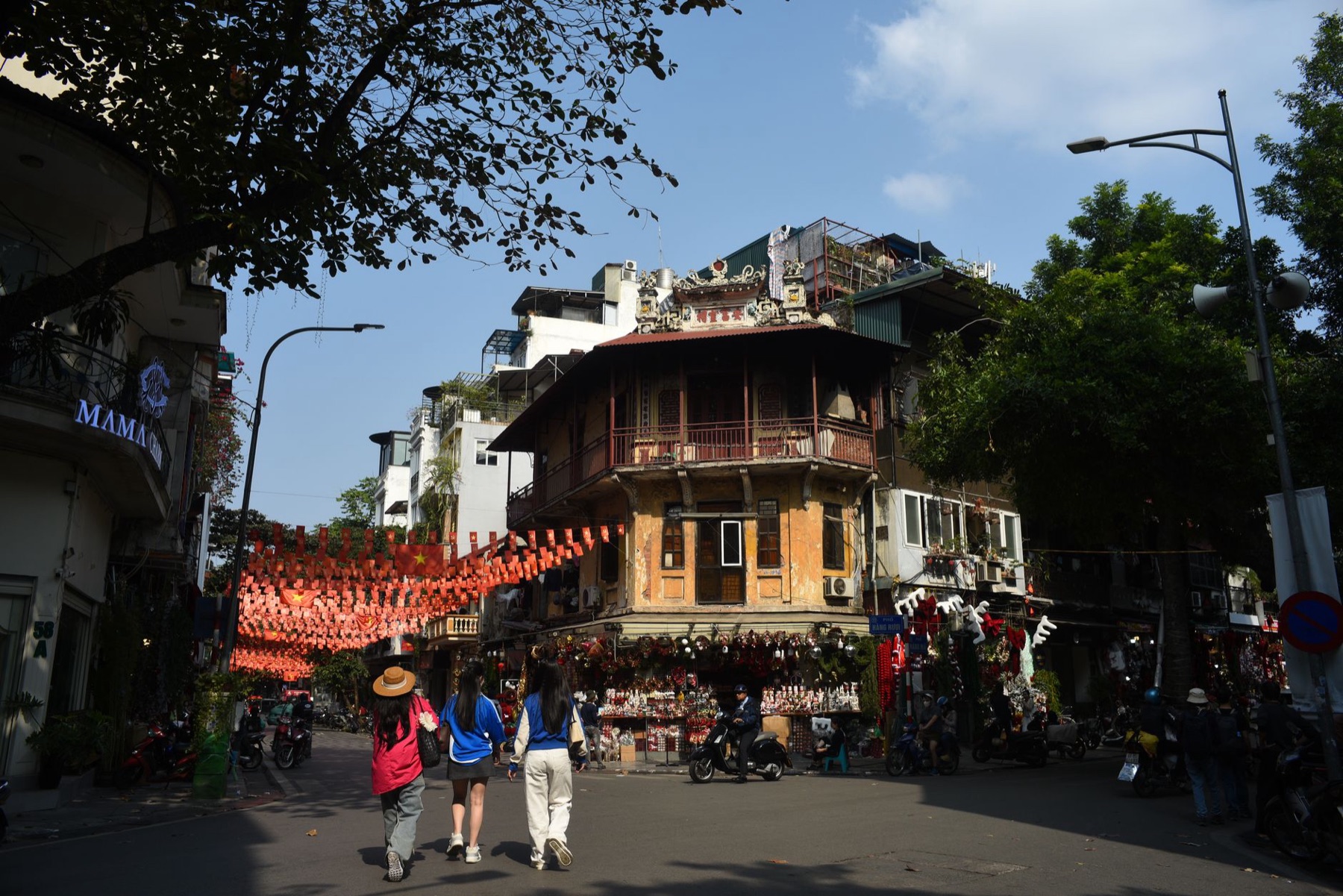
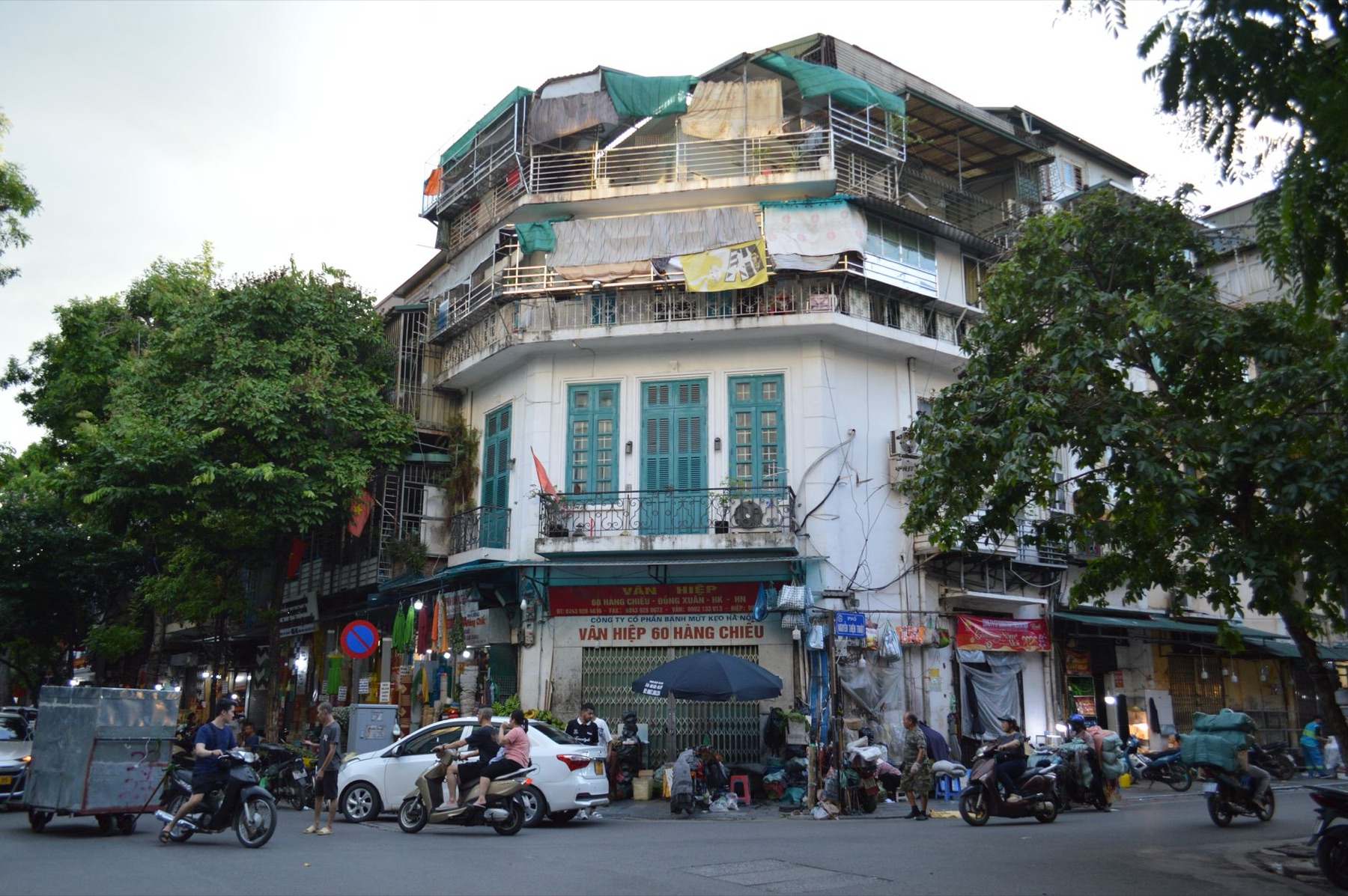
The Old Quarter (around Hoan Kiem Lake's north and east edges) is where Hanoi's chaotic heart beats. Expect narrow streets named after the goods historically sold there: Hang Gai (silk), Hang Ma (paper offerings), Hang Dao (leather). Motorbikes pile onto sidewalks. Laundry hangs overhead. Temples sit wedged between shops selling everything from NFC chips to plastic toys.
Don't try to "do" the Old Quarter in two hours. Walk it at 6–7 a.m. before the traffic thickens. Bring a small daypack. Wear crossbody bags (pickpockets work peak crowds). Street names repeat—use Google Maps offline because data can stall. Expect chaos; it's not a flaw, it's the point.
Best streets to walk without agenda: Hang Be (market, actual locals buying fish and greens), Hang Gai (quieter, artisan shops), Ngo Gai (temple tucked between buildings). Coffee shops hide on second floors—look for signs above doorways.
Why is Hoan Kiem Lake the center of everything?
Hoan Kiem Lake sits at Hanoi's heart, ringed by a walking path (about 1.5 km), two islands, and the Turtle Tower myth. Locals call it "Lake of the Returned Sword" after a 15th-century legend. Sunrise here feels different than anywhere else in the city—misty, quiet, locals doing tai chi.
The walking path is free, safe at dawn, busy by 9 a.m. Jade Island Temple (on the northern island, accessible by small bridge) costs around 30,000 VND ($1.25) entry. Skip the southern island; it's closed or rarely open. Walk the lake edge at 6–7 a.m., have breakfast afterward, and you'll understand why this lake matters to Hanoians beyond tourism.
Best time: Early morning or late afternoon (4–6 p.m.). Midday is suffocating—heat, crowds, tour groups with flags.
Where do I eat authentic street food without getting sick?
Hanoi's street food scene separates travelers into two camps: those who eat where locals do (minimal hygiene visible but lower food poisoning risk due to high turnover) and those who want validation from a guidebook. Both approaches work if you follow one rule: eat at busy stalls during the rush.
Pho at Hang Gai or Hang Dieu at 6–7 a.m.: local pho restaurants open early, crowds mean fresh stock, and you'll pay around 30,000–50,000 VND ($1.25–$2.10) per bowl. Egg coffee (ca phe trung) at a hole-in-the-wall on Hang Gai or near Hoan Kiem is around 25,000–35,000 VND ($1.05–$1.50)—creamy, sweet, uniquely Hanoi. Banh mi from street carts (not the fancy shops) costs 15,000–25,000 VND ($0.65–$1.05).
The safest rule: Eat where 10+ locals are eating right now. Avoid empty stalls. Bring hand sanitizer. Skip salads and uncooked vegetables if your stomach is sensitive. Tap water isn't safe; order water at restaurants (around 5,000–10,000 VND / $0.20–$0.42 per bottle).
Scam to avoid: Aggressive touts offering "authentic food tours" in the Old Quarter at $30+ per person. These mark up small bowls 3–5x. Wander alone or hire a local guide through your hotel instead.
📸 Book an ao dai photoshoot in Hanoi or Saigon (Cáo Studio)
Which temples and pagodas are actually worth visiting?
Hanoi has dozens of temples. Most tourists visit the same three and miss the ones that genuinely move you. Here's what to prioritize:
Tran Quoc Pagoda (north side, on the peninsula between Red River and Hoan Kiem Lake) is the oldest temple in Hanoi (6th century, though rebuilt many times). It's quiet compared to others, costs nothing to enter, and the views are good at dawn. Walk there: from Old Quarter, head northwest along the Red River edge. It takes 20–30 minutes but you see Hanoi's less-touristed neighborhoods. The climb up the pagoda's inner stairs feels like entering someone's home temple rather than a monument.
Temple of Literature (Van Mieu) sits south of Hoan Kiem in a separate complex—it's Vietnam's first university (11th century). Entry is around 30,000 VND ($1.25). It's peaceful but busy with school groups 10 a.m.–2 p.m.; go early. The gardens and calligraphy spaces are beautiful. English signage is decent.
One Pillar Pagoda is iconic but often missed. It's tiny, looks like a mushroom, and sits in a small park south of the city center. Free entry. Take a photo; don't expect to spend more than 10 minutes there. It's a "tick the box" stop, but the box is worth ticking if you're heading south anyway.
Skip: Ngoc Son Temple (on Jade Island, crowded, expensive for what it is, and the "Turtle Tower" legend is more atmospheric than the actual ruins).
Is a city tour or DIY exploration better for Hanoi?
DIY wins for Old Quarter, lakes, and street food. You move at your own pace, eat where you want, and see the city as residents do rather than through a script.
Tours make sense for:
- Full-day Hoa Lo Prison or War Remnants Museum visits (context-heavy, audio guides help)
- Water puppet theater evening (booking through your hotel ensures you get a decent seat; shows run 8–9 p.m., tickets around 100,000–200,000 VND / $4.20–$8.40)
- Mong Cai or Ha Long Bay day trips (logistics, driver, boat access; these aren't walkable from Hanoi)
- Bat Trang ceramic village (south of the city, pottery workshops, best with someone who speaks Vietnamese)
Honest cost comparison for first-timers:
| Activity | DIY Cost | Guided Tour Cost | Why It Matters |
|---|---|---|---|
| Old Quarter walk + pho | ~100k VND ($4.20) | 500k–1M VND ($21–42) | Same streets, you choose pace |
| Hoan Kiem Lake sunrise | Free | 400k–600k VND ($16.80–$25) | Sunrise is public; no tour adds value |
| Temple of Literature | 30k VND ($1.25) | 600k VND ($25) | Self-guided, good signage |
| Water puppet theater | 100–200k VND ($4.20–$8.40) | 1M+ VND ($42+) | Booking only; tour markup huge |
| Ha Long Bay overnight | 1.5M+ VND ($63+) | 2M+ VND ($84+) | Tour logistics justified; long drive |
The honest take: Hire a local guide for one half-day (around 400,000–600,000 VND / $16.80–$25 for 4 hours) to understand one neighborhood deeply—then explore the rest yourself. Your guide becomes a reference point, and you move faster after.
🗺️ Plan your route: Vietnam itinerary
How many days should I spend in Hanoi?
Most travelers ask "three days or four?" The answer depends on whether you're rushing or resting.
Two days: Old Quarter morning walk, Hoan Kiem Lake sunrise, one temple, street food, water puppet theater evening. You'll see the postcard Hanoi but not breathe it.
Three days: Add Tran Quoc Pagoda, a market morning (Hang Be or Dong Xuan), a coffee shop afternoon, slower meals, a second neighborhood exploration (Hoan Kiem's southwest side toward Hang Dieu is quieter than the tourist core).
Four days or more: You're living, not touring. Repeat favorite stalls, sit at cafes for hours, take a day trip to Bat Trang or Sapa (Sapa is 5+ hours by bus, better as overnight). Return to the same pho stand. Learn a vendor's routine.
Best move: Spend your first day in Hanoi after arrival in Ho Chi Minh City; you're fresher. Or end your trip here after Ha Long Bay or Sapa so you're broken in and know what you want to eat.
What practical things will make my visit smoother?
Get a local SIM or eSIM before arrival. Google Maps and Zalo (Vietnamese messaging app, easier than texting) require data. Prices vary—shop around—but check out our eSIM guide for Vietnam so you don't overpay.
Download offline maps (Google Maps allows this). Hanoi's streets rename and loop; offline maps save you when signal drops in the Old Quarter's concrete canyons.
Walk, don't taxi. Grab and Uber exist but surge pricing is real, and walking Hanoi is the experience. Motorbike taxis (xe om) are cheaper (around 20,000–50,000 VND / $0.85–$2.10 per ride depending on distance) but negotiate before riding.
Bring small bills. Many small vendors don't have change for notes larger than 50,000 VND. ATMs are everywhere (withdraw VND, not USD conversions—rates are worse).
Check your visa status before arrival. Most visitors need an e-visa; read our Vietnam visa guide to avoid airport delays.
Avoid these tourist traps:
- Coffee shops in the Old Quarter charging 50,000+ VND ($2.10+) per cup when locals pay 20,000 VND ($0.85).
- "Free" city tours that aggressively upsell at the end (common; you're pressured to tip 500k VND/$21+ or look cheap).
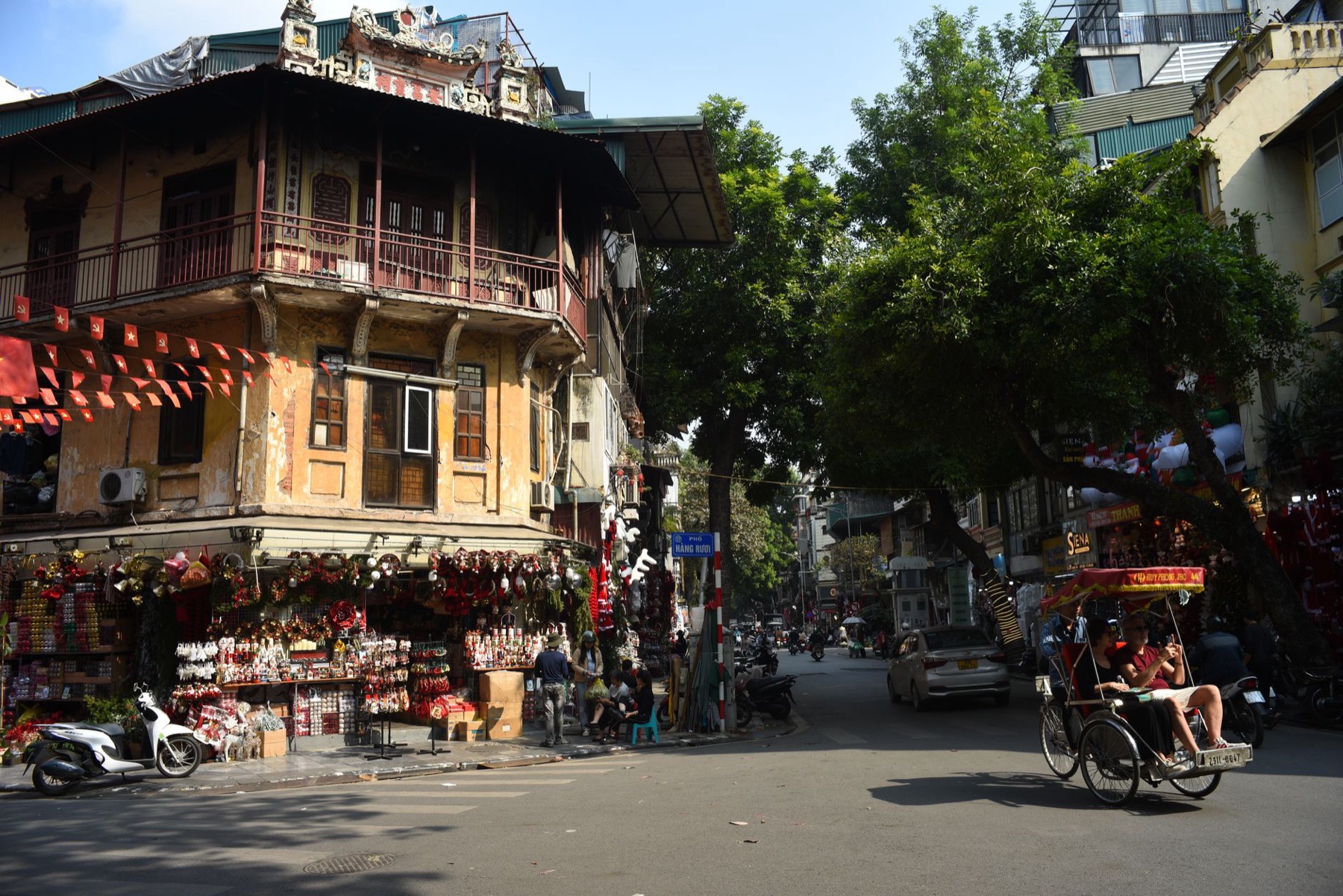
- Rickshaw rides through the Old Quarter at inflated rates—negotiate upfront or use an app.
- Watches, jewelry, or tailoring shops targeting foreigners; quality is often poor and markup massive.
🎟️ Compare tours & tickets for this place
What should I check before I go?
Weather and seasons: October–November and March–April are ideal (cool, dry). December–February is cool but still humid. May–September is hot, humid, and rainy—streets flood, scooter travel gets dicey.
Crowds: Avoid Hanoi during Vietnamese Tet holidays (late January/early February). Many shops close for a week. Summer (June–August) brings peak international tourists; go in May or September if you can.
Getting there: Noi Bai International Airport is 30 km north. Grab/Uber to the city costs around 200,000–300,000 VND ($8.40–$12.60). Skip unofficial taxis—they overcharge. Or use the airport shuttle bus (around 30,000 VND / $1.25, but slow).
Onward travel: Plan multi-city itineraries here. Hanoi connects easily to Ha Long Bay, Sapa, Ninh Binh, and south toward Ho Chi Minh City. Overnight buses and trains are cheap (300,000–700,000 VND / $12.60–$29.40) but slow; domestic flights cost similar to buses if booked early.
---
If you're capturing memories in Hanoi—whether a sunrise at the lake or a formal photo in traditional áo dài—consider a professional shoot. Cáo Studio offers ao dai photoshoots, makeup, and styling in Hanoi and Saigon so your photos feel like home, not a tourist stop. Or send flowers to friends during your trip via Hoa Lang Thang, Hanoi's trusted delivery service.
Hanoi rewards patience. Sit longer than feels efficient. Order a second coffee. Ask a vendor's name. Return tomorrow. That's when the city stops being a checklist and becomes a place you actually lived, even for three days.
FAQ
Is Hanoi safe for solo travelers?
Yes. Petty theft (pickpocketing, bag slashing on crowded streets) is the main risk, not violent crime. Keep valuables in crossbody bags, avoid empty streets after midnight, and trust your instincts. Women solo travelers report feeling safe during day and evening; apply normal city caution.
How much money should I budget per day in Hanoi?
Budget 300,000–500,000 VND ($12.60–$21) daily for food (street level), 200,000 VND ($8.40) for one temple or museum, and transport is minimal if you walk. A comfortable day with meals at slightly nicer restaurants and a tour: 800,000–1.2M VND ($33.60–$50.40).
Should I get a tour guide or explore alone?
Alone is fine for the Old Quarter, lakes, and temples—signage and walking trails are clear. Hire a guide (half-day, ~400k VND/$16.80) if you want historical context or plan to visit Bat Trang or remote neighborhoods. First-time visitors often regret rushing; guides prevent that.
What language do I need to speak?
English speakers are common in tourist zones (hotels, restaurants, Old Quarter cafes). Locals in residential areas speak little English. Download Google Translate offline and learn "hello" (xin chào), "thank you" (cảm ơn), and "how much?" (bao nhiêu tiền?). Effort is appreciated.
Is street food in Hanoi actually safe to eat?
Yes if eaten where locals queue. High turnover means fresh ingredients. Avoid salads and uncooked items if sensitive; stick to cooked pho, banh mi, grilled items, and egg coffee. Bring hand sanitizer. Most travelers eat street food safely; food poisoning is rare with common sense.
FAQ
Is Hanoi safe for solo travelers?
Yes. Petty theft (pickpocketing, bag slashing on crowded streets) is the main risk, not violent crime. Keep valuables in crossbody bags, avoid empty streets after midnight, and trust your instincts. Women solo travelers report feeling safe during day and evening; apply normal city caution.
How much money should I budget per day in Hanoi?
Budget 300,000–500,000 VND ($12.60–$21) daily for food (street level), 200,000 VND ($8.40) for one temple or museum, and transport is minimal if you walk. A comfortable day with meals at slightly nicer restaurants and a tour: 800,000–1.2M VND ($33.60–$50.40).
Should I get a tour guide or explore alone?
Alone is fine for the Old Quarter, lakes, and temples—signage and walking trails are clear. Hire a guide (half-day, ~400k VND/$16.80) if you want historical context or plan to visit Bat Trang or remote neighborhoods. First-time visitors often regret rushing; guides prevent that.
What language do I need to speak?
English speakers are common in tourist zones (hotels, restaurants, Old Quarter cafes). Locals in residential areas speak little English. Download Google Translate offline and learn "hello" (xin chào), "thank you" (cảm ơn), and "how much?" (bao nhiêu tiền?). Effort is appreciated.
Is street food in Hanoi actually safe to eat?
Yes if eaten where locals queue. High turnover means fresh ingredients. Avoid salads and uncooked items if sensitive; stick to cooked pho, banh mi, grilled items, and egg coffee. Bring hand sanitizer. Most travelers eat street food safely; food poisoning is rare with common sense.
More: Hanoi guide · Things to do in Hanoi