Hanoi · Things to do
Top Things to Do in Hanoi: Neighbourhoods, Food & Experiences 2026
By Wander in Vietnam editorial team · Hanoi, Vietnam
Hanoi rewards wandering more than ticking boxes. The city's best moments—a bowl of bun cha at a plastic stool, incense smoke in a centuries-old temple courtyard, a cyclo ride through flooded streets during monsoon—rarely appear on official itineraries. Over years of navigating Hanoi, we've learned what genuinely moves visitors and what drains both time and cash.
What Makes Hanoi Different from Other Vietnamese Cities?
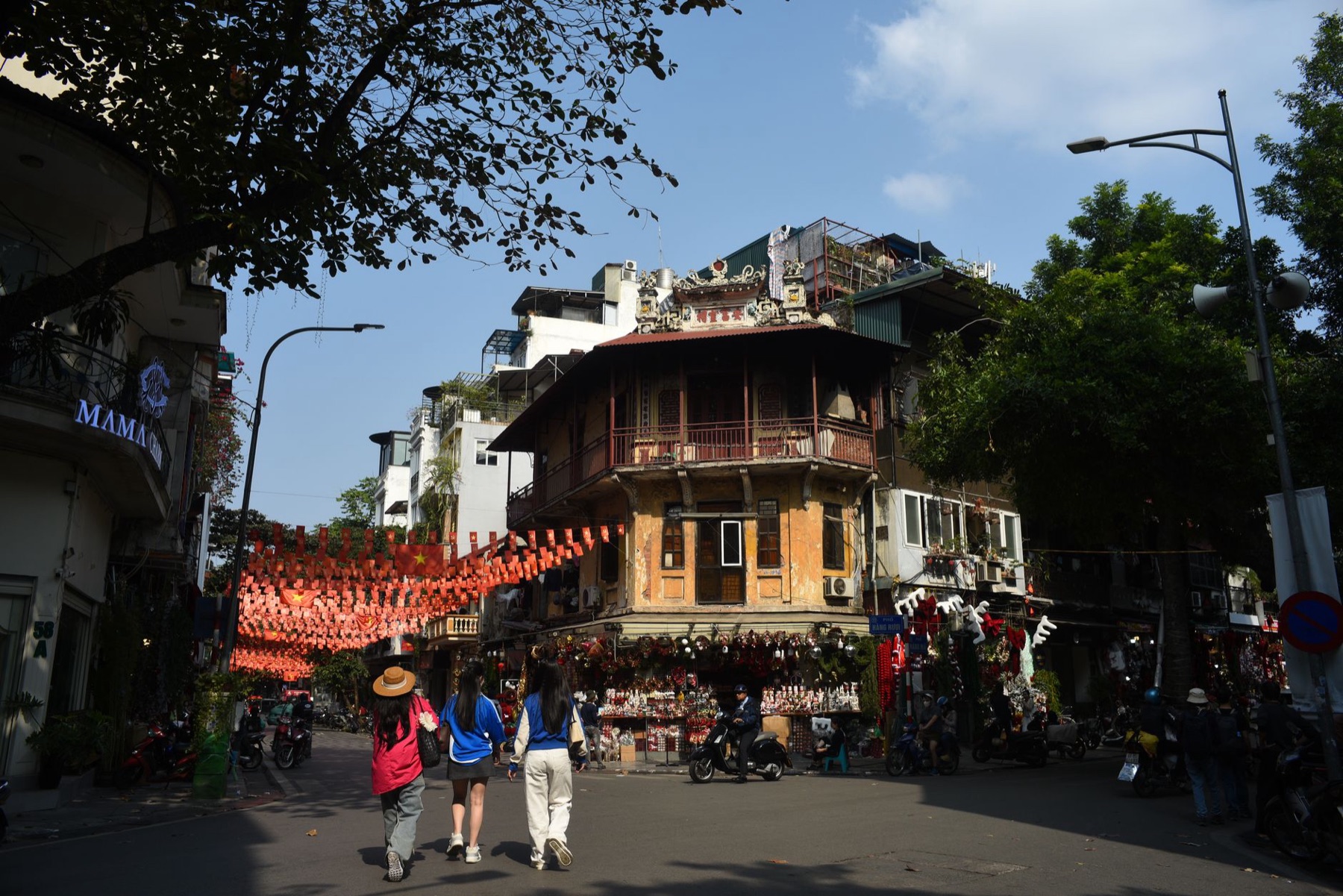
Hanoi is older, noisier, and less beach-focused than Ho Chi Minh City or Hoi An. The Old Quarter's medieval street layout (each street historically sold one product—silver, silk, coffins) creates a sensory overload most first-time visitors underestimate. Unlike the southern sprawl of Ho Chi Minh City or the preserved-for-tourists feel of Hoi An, Hanoi pulses with working life: children doing homework on storefronts, grandmothers playing cards, vendors stacking goods into dawn. This isn't curated; it's daily. You navigate it, not consume it.
🗺️ Plan your route: Vietnam itinerary
Where Should You Actually Spend Your Time?
Old Quarter (Hoan Kiem): The core—Hang Dao, Hang Buom, Hang Ngang—drowns in tour groups 9am–5pm. Return at 6pm or 6am. Restaurants advertised on TripAdvisor with 4.8★ and "rooftop views" charge 180,000–250,000 VND (~$7–10 USD) for average pho; family stalls one street over serve better for 35,000–45,000 VND (~$1.50–2 USD). Skip the "authentic cooking classes" targeting tourists; join locals at a market instead.
Ba Dinh District: Home to the Ho Tay lake path, One Pillar Pagoda, and residential streets where tourism hasn't penetrated. Cafes here charge 20,000–30,000 VND (~$0.80–1.25 USD) for coffee; you'll sit among students and retirees, not other foreigners. Tran Quoc Pagoda, on an island in the lake, opens 8am–5pm (free entry, donation-based). Visit early to avoid the midday school groups.
Cau Giay & Tay Ho: Where middle-class Hanoians live. The "Street Food Tour" trap ends here—don't book it. Instead, walk Nguyen Huu Huan Street at dusk and eat whatever smells best. Pho tai (beef pho) runs 40,000–50,000 VND (~$2–2.50 USD); banh mi from street carts, 15,000–20,000 VND (~$0.75–1 USD).
Dong Da District: Markets like Dong Xuan (the largest) and Hang Bai open early; arrive by 7am to see vendors unpacking, before the midday tourist crush. No entry fee. Photography of vendors selling meat or fish without permission creates friction—ask, buy, then shoot.
What Food Experiences Are Worth Your Time?
Forget "food tours"—they're marked-up, rushed, and designed for comfort rather than discovery. Instead:
- Night markets (6pm–midnight): Hang Dao becomes an open-air kitchen. Fried fish cakes (cha ca), roasted corn, and meat skewers cost 10,000–30,000 VND (~$0.50–1.50 USD) per item. No English menus; pointing works.
- Pho at dawn: Local stalls open 6am–9am, serve until sold out. A full bowl, 35,000–50,000 VND (~$1.50–2.50 USD). Beef or chicken; add chili, lime, herbs yourself.
- Bun cha Hanoi: Grilled pork patties + noodles + dipping sauce. Lunch-only (11am–2pm) at family-run joints in Hang Than or Tran Hung Dao. Around 45,000–70,000 VND (~$2–3.50 USD) for two people.
- Egg coffee (ca phe trung): Thick, sweet, whisked egg yolk over dark coffee. Iconic but polarizing. 25,000–35,000 VND (~$1.25–1.75 USD) at Giang Cafe (Old Quarter) or dozens of copycats. Go early or expect a 20-minute queue.
Water-puppet theatre (Thang Long Water Puppet Theatre, Dinh Tien Hoang Street, Ba Dinh) runs two 45-minute shows nightly at 8:15pm and 9:30pm. Tickets around 100,000–150,000 VND (~$4–6 USD). The puppetry is genuine—the stories are rural Vietnamese folk tales—but the audience is 80% tourists. Still worthwhile if you go to understand the craft, not for "authenticity."
How Do You Move Around Without Getting Ripped Off?
Grab (the Southeast Asian Uber equivalent) is safest: fares are metered, the app shows the driver's route. A typical 3km ride costs 30,000–50,000 VND (~$1.50–2.50 USD). Traditional taxis (Hanoi Taxi, Mai Linh) charge by meter; start rate is around 10,000 VND (~$0.50 USD) plus 15,000 VND/km (~$0.75/km USD). Cyclos are touristy and slow but atmospheric for 1–2km rides; negotiate first—expect 100,000–200,000 VND (~$5–10 USD) for 20 minutes. Motorbike taxis (xe om) are cheap (20,000–40,000 VND, ~$1–2 USD) but unsafe if you're unfamiliar with traffic.
Walk when daylight allows. Hanoi's street grid, once learned, is navigable. Download an offline map (Google Maps works offline in Vietnam after pre-download). Get a Vietnam eSIM for data (5GB plans from local providers cost around 150,000 VND, ~$7.50 USD for 30 days); Wander in Vietnam has a full eSIM guide for all providers.
📸 Book an ao dai photoshoot in Hanoi or Saigon (Cáo Studio)
What Temples & Historical Sites Are Actually Worth Visiting?
| Site | Location | Hours | Cost | Best for | Time needed |
|---|---|---|---|---|---|
| Tran Quoc Pagoda | Ho Tay lake island | 8am–5pm | Free (donation) | Lake walks, quiet mornings | 45 min |
| One Pillar Pagoda | Ba Dinh | 8am–5pm | Free (donation) | Iconic photos, 11th-century history | 20 min |
| Temple of Literature (Van Mieu) | Dong Da | 8am–5pm | 30,000 VND (~$1.50) | Vietnam's first university, courtyards | 60 min |
| Tran Temple | Red River dike | 8am–5pm | Free | Locals, river views, less touristy | 30 min |
| Ho Chi Minh Mausoleum | Ba Dinh | 8am–11am Tue–Thu | Free | Queue of 1–2 hours; skip unless deep interest | 60+ min |
Skip the Mausoleum unless you have specific historical interest. Lines form by 7:30am; tours block access. Ho Chi Minh's embalmed body (on display after summer restoration) is the draw, but no cameras, no bags, no pointing. Dress conservatively (covered shoulders, knees). The gardens and surrounding compound are interesting, but you can see them without entering the mausoleum building.
Temples ask for donations, not admission—50,000 VND (~$2.50 USD) is respectful, not mandatory. Wear covered shoulders and knees; remove shoes if asked. Incense smoke is heavy; people with asthma should visit early morning before the tourist crowds light more sticks.
What's the Honest Take on "Must-See" Attractions?
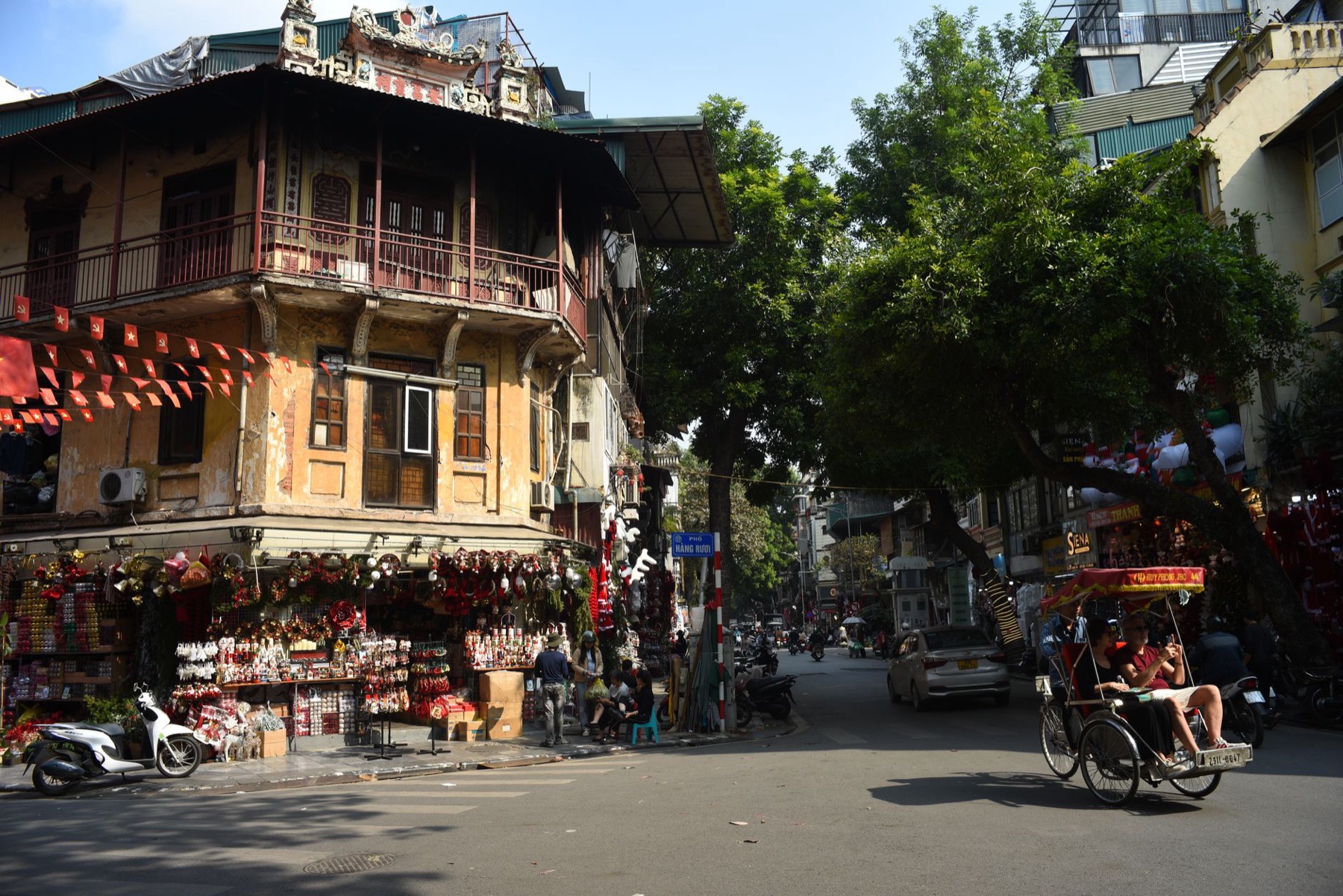
Hoan Kiem Lake: Iconic, walkable, free. Dawn is peaceful; dusk is crowded. The Turtle Tower (in the centre, inaccessible) is underwhelming in person. The walk is the point, not the destination.
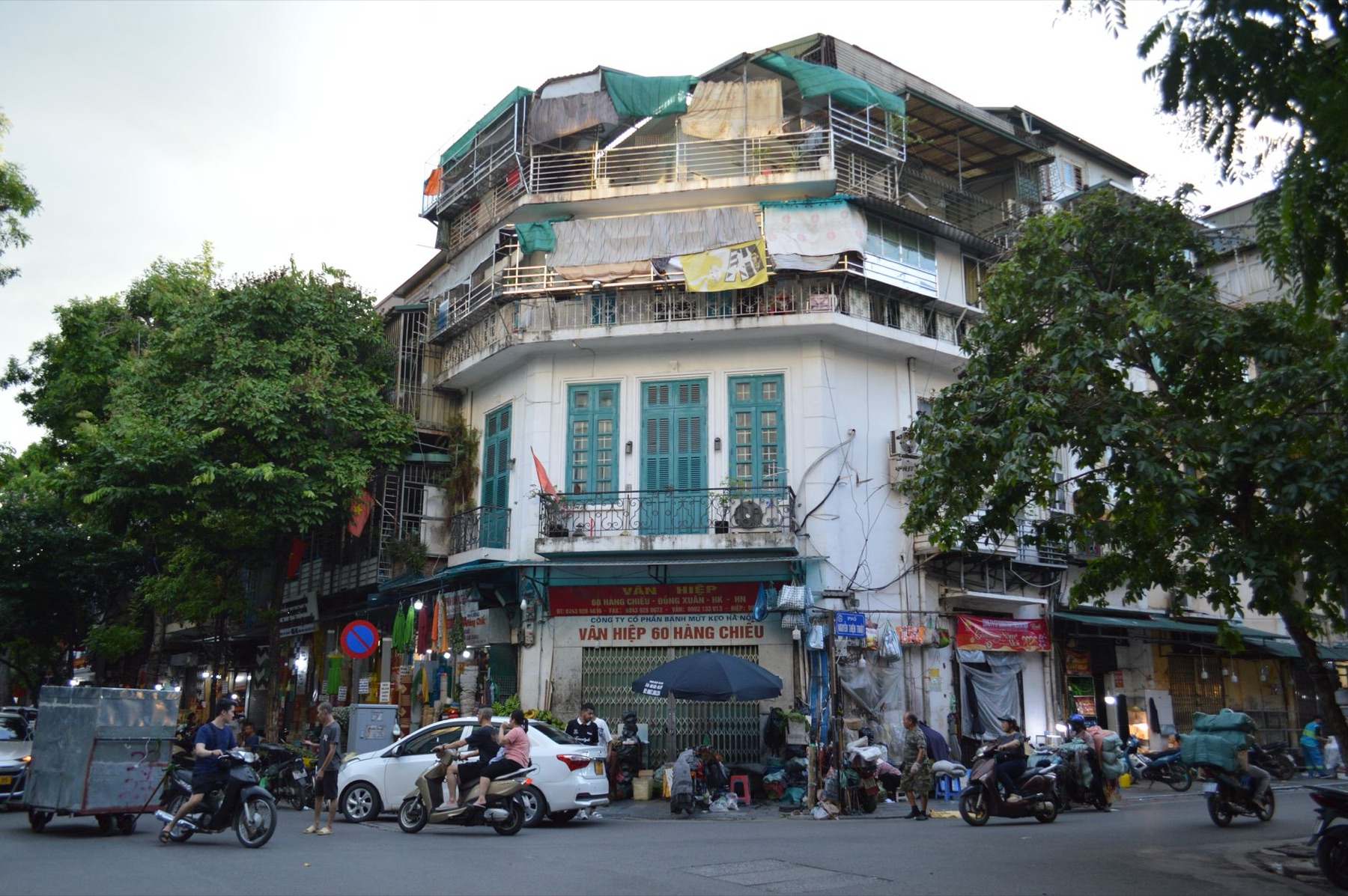
Old Quarter: Over-commercialized but unavoidable for first-time arrivals. Your first 2–3 hours should be here; afterwards, move on to residential neighbourhoods where prices drop and energy changes.
Hang Market: Chaotic, smelly, real. Small vendors sell everything from dried squid to bootleg phone chargers. Go to observe, not to buy (unless you know what you want). Photography rules vary by vendor; ask before shooting.
Silver Street (Hang Bac): Modern souvenir shops with inflated prices fill this. Genuine artisans are rare now. If you want a silver bracelet or pendant, shop Hanoi's jewellery districts (Hang Dieu) where locals buy, not tourist strips.
Puppet theatre: Do it once. The craft is real; the tourism markup (150,000 VND, ~$6 USD for seats tourists normally get) is unavoidable. Sit in the middle rows for best sightlines.
How to Extend Beyond Hanoi
Ninh Binh (2 hours south by bus, 70,000–100,000 VND, ~$3.50–5 USD) offers karst landscapes and cave temples without Hanoi's chaos. Ha Long Bay (3 hours east, overnight junk cruises from 800,000–2,500,000 VND, ~$40–125 USD) is iconic but crowded; consider Bai Tu Long Bay (quieter, same geology, similar cost) as an alternative.
Sapa (6 hours northwest by bus or overnight train, 150,000–300,000 VND, ~$7.50–15 USD for transport alone) offers trekking and mountain air but is packed with tourists June–September. Visit May or October for better weather and smaller crowds. The Vietnam itinerary planner can help you sequence these trips with Hanoi.
| Destination | Distance | Travel time | Cost (transport) | Vibe |
|---|---|---|---|---|
| Ninh Binh | 100km S | 2 hours (bus) | ~$3.50–5 | Rural, karst caves, temples |
| Ha Long Bay | 160km E | 3 hours (bus) + ferry | ~$5–10 (transport only) | Cruise, famous, crowded |
| Sapa | 350km NW | 6 hours (bus) or overnight train | ~$7.50–15 | Mountains, ethnic minorities, cool air |
Souvenirs That Won't Clutter Your Luggage
Hanoi's best take-homes aren't trinkets. If you're looking for gifts or keepsakes to commemorate your stay, consider:
- Silk items (scarves, pouches): Hang Gai Street has established silk shops; prices are fair if you negotiate. A small scarf costs 150,000–300,000 VND (~$7.50–15 USD). Avoid tourist traps that quote 500,000+ VND (~$25+ USD) for identical items.
- Coffee: Local Robusta blends are cheap (50,000–100,000 VND, ~$2.50–5 USD for 500g) and well-packaged for carrying. Buy at Tran Xuan Soan Market or local roasters, not airport stalls (3x markup).
- Lacquerware: Bowls, boxes, coasters. Made in nearby villages, sold in Hanoi's craft galleries. Small items (coasters) run 50,000–100,000 VND (~$2.50–5 USD); larger pieces, 300,000+ VND (~$15+ USD).
- Embroidered products: Tablecloths, pillowcases. Check stitching quality before buying. Tourist prices are 200,000–500,000 VND (~$10–25 USD); locals pay less at night markets.
For meaningful gifts—especially printed keepsakes like star maps, photo prints, or engraved boxes that capture your Hanoi memory—explore personalised gift collections that can be shipped internationally. These work well for marking the trip without adding weight to your bag.
🎟️ Compare tours & tickets for this place
What to Check Before You Book or Buy
Tours & Activities:
- Verify the tour operator is registered (ask for a business license number, not just a website).
- Confirm group size caps (small groups, 4–6 people, are better than 12+).
- Ask what's included (lunch? entrance fees?) to avoid surprise upcharges.
- Read recent (past month) reviews on Grab or local tourism websites, not just Google (easier to fake).
Accommodation:
- Book central (Districts 1, 2, 3 in the Old Quarter or Ba Dinh area) to avoid long commutes.
- A clean guesthouse runs 150,000–300,000 VND (~$7.50–15 USD) for a double; boutique hotels, 500,000–1,000,000 VND (~$25–50 USD).
- Check water pressure and WiFi speed before committing; power outages happen.
Street Food:
- Eat where locals eat. Queues = good sign.
- Cooked food (pho, banh mi) is safer than raw or undercooked items if you're cautious about food safety.
- Avoid ice in drinks from street stalls if your stomach is sensitive.
- Dengue fever is present year-round; avoid the rainy season (May–September) if mosquitoes concern you.
Visas & Entry:
- Most visitors need a Vietnam visa. Check Vietnam e-visa for online options (often faster than embassies).
- Your passport needs 6+ months validity from entry date.
- Some nationalities (Japan, South Korea, Germany) get 90-day visa-free entry; check current rules.
When Is the Best Time to Visit?
October–November: Cool (18–25°C), dry. Best weather, also peak tourist season. Expect crowds and higher prices.
December–February: Cold mornings (10–15°C), clear days. Fewer tourists than October–November. Heating is rare indoors; bring layers.
March–April: Warm (20–28°C), humid, occasional rain. Bearable before the summer heat.
May–September: Hot, humid, rainy. Cheap hotel rates (up to 30% discount), fewer tourists. Flooding happens; use Grab instead of walking.
Most of us visit October–November or early February. Hanoi's charm doesn't vanish in off-season, but infrastructure gets creaky in heat and wet.
---
📸 Book an ao dai photoshoot in Hanoi or Saigon (Cáo Studio)
If you want to commemorate your Hanoi visit with professional photography in traditional ao dai, Cáo Studio offers makeup, hair, and guided shoots in Old Quarter and Ba Dinh. They also operate in Ho Chi Minh City and Saigon for southern trips.
For gifts sent home—personalised keepsakes, star maps marking your Hanoi arrival date, or engraved boxes—browse our gift collections and personalised prints. Shipping to the US takes 5–10 days; orders over $35 ship free, with a 30-day smile guarantee.
---
FAQ
Do I need a guided tour to see Hanoi properly?
No. Hanoi's Old Quarter and main temples are walkable and signposted. Grab an offline map, wear good shoes, and go. Guided tours are useful if you want background on architecture or history, but they're expensive and rush you. For deep dives (colonial history, water puppetry backstory), hire a local guide for half a day instead of a full tour group.
Is it safe to eat street food in Hanoi?
Yes, if you use common sense. Eat cooked food from busy stalls; avoid raw or cold items from stationary carts. Your stomach may adjust the first 2–3 days, but serious illness is rare. Locals eat street food daily. Stick to cooked pho, banh mi, spring rolls. Skip unpeeled fruit from random vendors and ice in drinks if your gut is sensitive.
How much should I budget per day for food, transport, and activities?
Budget 200,000–400,000 VND (~$10–20 USD) per day for food (eating like a local, not tourist restaurants), 50,000–100,000 VND (~$2.50–5 USD) for transport, and 30,000–100,000 VND (~$1.50–5 USD) per temple or paid attraction. Total: roughly $15–30 USD/day for budget travellers. Midrange spenders should add 50% for cafes, nicer meals, and paid tours.
What's the biggest tourist trap in Hanoi?
Overpriced "Old Quarter dining" (rooftop restaurants with 4.8★ reviews charging 180,000+ VND/~$9 USD for mediocre pho). Also, booking tours online from home instead of asking your guesthouse (you'll pay 30–50% markup). Mausoleum queues are a time trap, not a money trap—skip it unless you have deep interest.
Do I need to speak Vietnamese?
No. English is spoken in tourist areas and by younger people (under 35). Older vendors and rural residents speak little. Learn 5 words (hello, thank you, no ice, how much, sorry) and carry a phrase book or Google Translate offline app. Smiling and politeness go further than perfect grammar.
Is December or January better for Hanoi?
December is slightly warmer (15–20°C), clearer, and still less crowded than October–November. January is colder (10–15°C) and greyish, but emptier and cheaper. Both are good; December edges out January for comfort. Avoid May–September unless you like heat and don't mind rain.
FAQ
Do I need a guided tour to see Hanoi properly?
No. Hanoi's Old Quarter and main temples are walkable and signposted. Grab an offline map, wear good shoes, and go. Guided tours are useful if you want background on architecture or history, but they're expensive and rush you. For deep dives (colonial history, water puppetry backstory), hire a local guide for half a day instead of a full tour group.
Is it safe to eat street food in Hanoi?
Yes, if you use common sense. Eat cooked food from busy stalls; avoid raw or cold items from stationary carts. Your stomach may adjust the first 2–3 days, but serious illness is rare. Locals eat street food daily. Stick to cooked pho, banh mi, spring rolls. Skip unpeeled fruit from random vendors and ice in drinks if your gut is sensitive.
How much should I budget per day for food, transport, and activities?
Budget 200,000–400,000 VND (~$10–20 USD) per day for food (eating like a local, not tourist restaurants), 50,000–100,000 VND (~$2.50–5 USD) for transport, and 30,000–100,000 VND (~$1.50–5 USD) per temple or paid attraction. Total: roughly $15–30 USD/day for budget travellers. Midrange spenders should add 50% for cafes, nicer meals, and paid tours.
What's the biggest tourist trap in Hanoi?
Overpriced "Old Quarter dining" (rooftop restaurants with 4.8★ reviews charging 180,000+ VND/~$9 USD for mediocre pho). Also, booking tours online from home instead of asking your guesthouse (you'll pay 30–50% markup). Mausoleum queues are a time trap, not a money trap—skip it unless you have deep interest.
Do I need to speak Vietnamese?
No. English is spoken in tourist areas and by younger people (under 35). Older vendors and rural residents speak little. Learn 5 words (hello, thank you, no ice, how much, sorry) and carry a phrase book or Google Translate offline app. Smiling and politeness go further than perfect grammar.
Is December or January better for Hanoi?
December is slightly warmer (15–20°C), clearer, and still less crowded than October–November. January is colder (10–15°C) and greyish, but emptier and cheaper. Both are good; December edges out January for comfort. Avoid May–September unless you like heat and don't mind rain.
More: Hanoi guide · Things to do in Hanoi