Hanoi · Things to do
Top Things to Do in Hanoi Vietnam 2026: Local Guide
By Wander in Vietnam editorial team · Hanoi, Vietnam
Which Lake Should You Actually Visit: Hoan Kiem or Ho Tay?
Hoan Kiem Lake sits in central Hanoi (District 1), accessible by any street, walkable in 40 minutes. Ho Tay (West Lake) sprawls in Districts 5 and 6—far larger, residential, fewer tourists. Both have temple access, but Hoan Kiem at dawn (6–7 AM) offers isolation before crowds. Ho Tay suits cyclists and longer stays. Skip the overpriced lakeside restaurants; eat 200 meters inland instead.
🗺️ Plan your route: Vietnam itinerary
What's the Old Quarter Actually Like (and When Should You Avoid It)?
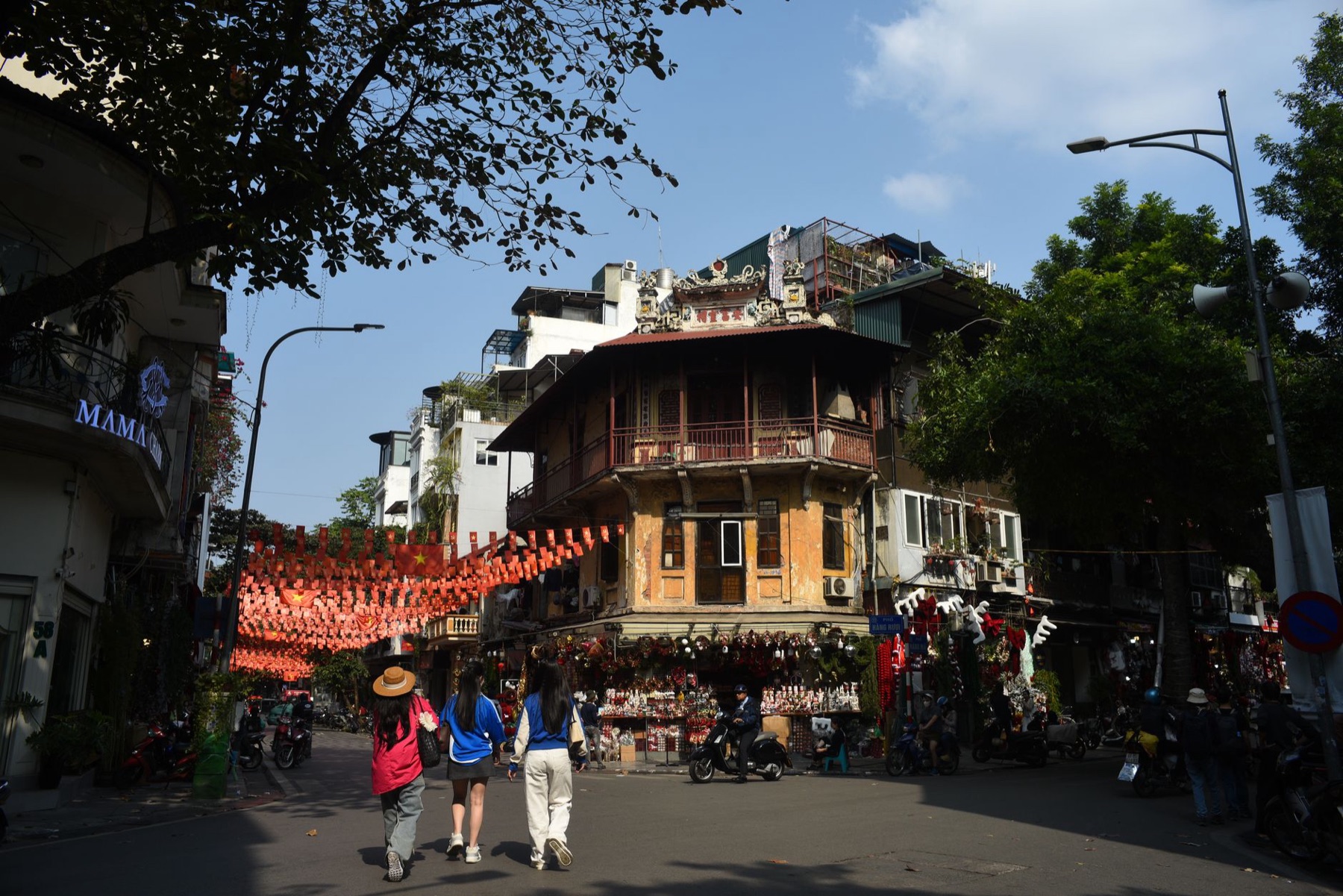
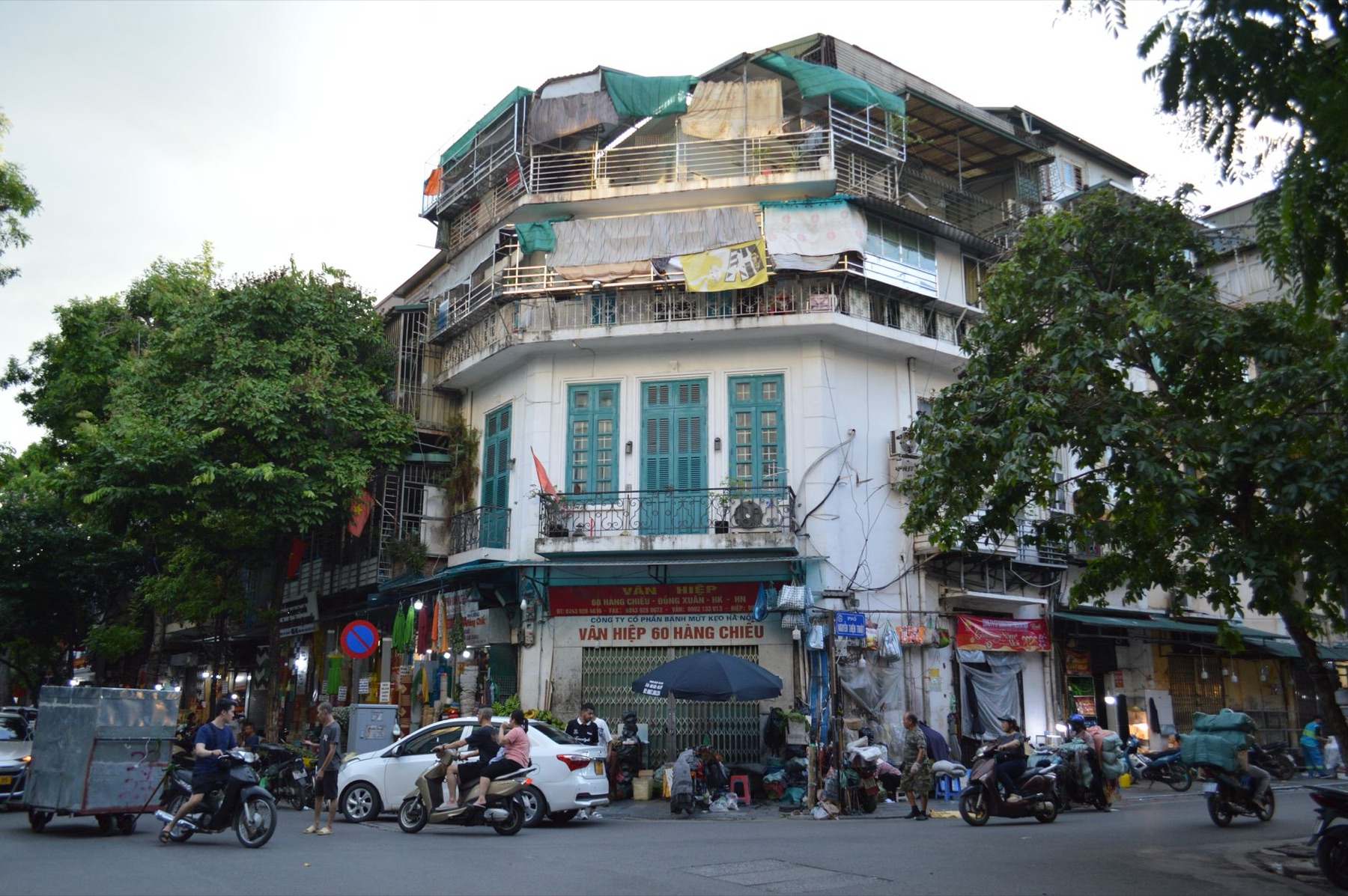
The Old Quarter (36 Streets, District 1) is a warren of narrow alleys, tube-style shops, and street-food stalls. It's dense, loud, and genuinely chaotic—not pleasant for everyone. Peak chaos runs 11 AM–2 PM and 5–8 PM (meal times). Early morning (7–9 AM) or late evening (9–11 PM) is calmer. Avoid Hang Dao and Ta Hien Streets during weekends entirely if you dislike crowds. Stick to side lanes like Hang Buom or Hang Mam instead.
Why Skip the Famous "Water Puppet Show" (and Where Real Theater Happens)
The tourist water-puppet theater on Dinh Tien Hoang Street charges 100,000–200,000 VND (around $4–8 USD) for a 45-minute show that's identical every night. Genuine puppet traditions survive at community temples and local festivals (Tet and Mid-Autumn). If you want theater, catch a contemporary Vietnamese drama at Thao Dien Theatre in District 2 or ask your hotel about live music venues in Tay Ho that host actual local performers, not stage shows for tour groups.
How to Navigate Street Food Without Stomach Risk (Real Checklist)
Street food in Hanoi is safe if vendors cook in front of you. Follow this:
- Choose busy stalls: High turnover = fresh ingredients. Avoid empty carts.
- Watch the prep: Raw and cooked items separate? Vendor hands washed? Good signs.
- Stick to cooked items first visit: Pho, com tam (broken-rice), banh mi. Avoid raw spring rolls initially.
- Bring hand sanitizer: Wash before eating, even after vendor washes your hands.
- Eat lunch, not late-night street: Morning and midday stalls are cleaner; 10 PM carts less so.
- Ask locals: Hanoians know which pho stand on Hang Dieu or Hang Thi is safest; your hotel staff will guide you.
Estimated cost: 30,000–60,000 VND (around $1.20–2.40 USD) per meal. Tourist stalls near Hoan Kiem charge 80,000+ (overpriced).
| Dish | Where to Eat | Estimated Cost (VND) | Why It Works |
|---|---|---|---|
| Pho bo | Hang Dieu, early morning (6–7 AM) | 30,000–40,000 | Fresh broth, cooked that morning |
| Com tam | Nguyen Huu Huan Street, lunch | 25,000–35,000 | Broken-rice is Hanoi's comfort dish |
| Banh mi | Hang Gai Street vendors, any time | 20,000–30,000 | Portable, safe (everything visible) |
| Egg coffee | Giang cafe (Hang Gai), breakfast | 35,000–50,000 | Iconic, Instagram-famous, actually good |
| Bun dau mam tom | Local pho shops, lunch | 40,000–60,000 | Adventurous; pungent shrimp paste tests palate |
📸 Book an ao dai photoshoot in Hanoi or Saigon (Cáo Studio)
Which Temples Are Worth Your Time (and Which Are Tourist Traps)?
Worth it:
- Temple of Literature (Van Mieu, District 1): Hanoi's first university (1070). Quiet courtyards, actual history. Go 8–9 AM before groups arrive. Free entry; donation suggested 20,000 VND.
- One Pillar Pagoda (District 1): Small, historic, often overlooked. 10 minutes walk from Ho Tay Mausoleum. Free.
- Tran Quoc Pagoda (District 1, northern Ho Tay edge): Active monastery, peaceful, overlooking water. No tourists. Free.
Skip:
- Jade Mountain Temple (Hoan Kiem Lake): Tiny, expensive entry (50,000+ VND), overwhelmed by crowds. View from bridge instead.
- Hang Pagoda: Tourist shuttle trap. Same spiritual experience at neighborhood temples.
The best approach: hire a local guide (350,000–500,000 VND for half-day, around $14–20 USD) to access temples most visitors miss in districts 6 and 8.
How to Spend Time Like a Local (Not a Tour Group)
Real Hanoians cycle to nearby villages (Bat Trang pottery, Co Loa archaeology site), visit coffee shops for 2–3 hours (small iced coffee, 20,000–30,000 VND), and gather in parks (Thong Nhat Park, District 1, evenings). They avoid the Old Quarter except for specific meals. Rent a bicycle from your hotel or a local shop (30,000–50,000 VND/day, around $1.20–2 USD), skip tours, and follow alley signs. Download a map offline (Google Maps, Grab) because WiFi fails in alleys.
🎟️ Compare tours & tickets for this place
---
What to Check Before You Book (or Arrive)
- Visa status: Check Vietnam e-visa requirements before booking flights. Processing takes 3–5 days.
- eSIM or local SIM: Get an eSIM for Vietnam for reliable navigation and ride-hailing apps (Grab). Tourist SIMs at airport are overpriced.
- Season & weather: November–January is cool and dry (best). April–June is unbearably hot and humid. September–October has rain.
- Scam awareness: Xe om (motorbike taxi) drivers without meters will inflate fares; use Grab instead. Avoid "cyclo tours" that steer you into gem shops or tailor hustles.
- Packing: Lightweight, breathable clothes. Comfortable walking shoes (alleys are uneven). Sunscreen. Earplugs (street noise). A power bank.
---
Next Steps: Extend Beyond Hanoi
If you have 2+ weeks, combine Hanoi with nearby destinations. Ha Long Bay (overnight cruise, 3.5 hours east) is a UNESCO site. Ninh Binh (2 hours south) offers landscape hikes without Sapa crowds. Sapa (far north, 5+ hours) suits trekkers but reserve time. Use our Vietnam itinerary planner to build a route. Hanoians often day-trip to Hoi An (1 flight hour) for different energy.
🗺️ Plan your route: Vietnam itinerary
For a personal touch, book an ao dai photoshoot in Hanoi (Cáo Studio) to capture your trip in Vietnam's traditional dress. Professional makeup, hair, and editing included. Or arrange flower delivery in Hanoi (Hoa Lang Thang) for a host who welcomed you.
Return to our main Hanoi guide anytime for restaurant updates, neighborhood walks, and seasonal events we discover in person.
FAQ
Is it safe to walk around Hanoi alone at night?
Hanoi is generally safe after dark, but avoid the Old Quarter's alleys past 11 PM (pickpocketing risk), poorly lit parks, and deserted streets. Stick to main roads, use Grab for rides after 9 PM, and keep valuables hidden. Women travelers report feeling secure in busy areas; solo travelers should stay aware.
How many days do you need in Hanoi?
Three days covers main sites without rushing: Day 1, Old Quarter and Hoan Kiem Lake; Day 2, Temple of Literature and Ho Tay; Day 3, local markets or a day trip. Longer stays reveal neighborhood cafes, lesser-known temples, and cycling routes. Four–five days is ideal for a slower pace.
What's the cheapest way to get around Hanoi?
Grab motorbike rides cost 15,000–40,000 VND (around $0.60–1.60 USD) per trip. Buses cost 7,000 VND (under $0.30 USD) but routes are confusing. Walking and cycling are free and best for exploring alleys. Taxis are overpriced unless pre-booked by phone.
Should you hire a guide for Hanoi, or is it self-guided okay?
Self-guided works if you read up on neighborhoods and download offline maps. Guides (350,000–500,000 VND, around $14–20 USD, half-day) speed up learning and unlock locals-only spots—worthwhile if time is short. First-time visitors benefit from a guide's first 1–2 days.
When is the best time to visit Hanoi?
November through February is ideal: cool, dry, 15–20°C (60–68°F). Avoid April–June (hot, 35°C+/95°F+, humid) and September–October (rain, muggy). Tet (lunar new year, late January–early February) brings festivals but crowded streets and closed shops; tourism peaks then.
FAQ
Is it safe to walk around Hanoi alone at night?
Hanoi is generally safe after dark, but avoid the Old Quarter's alleys past 11 PM (pickpocketing risk), poorly lit parks, and deserted streets. Stick to main roads, use Grab for rides after 9 PM, and keep valuables hidden. Women travelers report feeling secure in busy areas; solo travelers should stay aware.
How many days do you need in Hanoi?
Three days covers main sites without rushing: Day 1, Old Quarter and Hoan Kiem Lake; Day 2, Temple of Literature and Ho Tay; Day 3, local markets or a day trip. Longer stays reveal neighborhood cafes, lesser-known temples, and cycling routes. Four–five days is ideal for a slower pace.
What's the cheapest way to get around Hanoi?
Grab motorbike rides cost 15,000–40,000 VND (around $0.60–1.60 USD) per trip. Buses cost 7,000 VND (under $0.30 USD) but routes are confusing. Walking and cycling are free and best for exploring alleys. Taxis are overpriced unless pre-booked by phone.
Should you hire a guide for Hanoi, or is it self-guided okay?
Self-guided works if you read up on neighborhoods and download offline maps. Guides (350,000–500,000 VND, around $14–20 USD, half-day) speed up learning and unlock locals-only spots—worthwhile if time is short. First-time visitors benefit from a guide's first 1–2 days.
When is the best time to visit Hanoi?
November through February is ideal: cool, dry, 15–20°C (60–68°F). Avoid April–June (hot, 35°C+/95°F+, humid) and September–October (rain, muggy). Tet (lunar new year, late January–early February) brings festivals but crowded streets and closed shops; tourism peaks then.
More: Hanoi guide · Things to do in Hanoi