Hanoi · Things to do
Top Things to Do in Hanoi Vietnam: Local Tips & Unique Experiences
By Wander in Vietnam editorial team · Hanoi, Vietnam
Hanoi isn't a single itinerary—it's a series of overlapping neighborhoods, each with distinct rhythms. Knowing which areas suit your energy level, budget, and interests saves frustration. We've lived here long enough to spot the tourist noise versus real activity. Here's what actually happens, where, and how much it costs in 2026.
What makes the Old Quarter different from the rest of Hanoi?
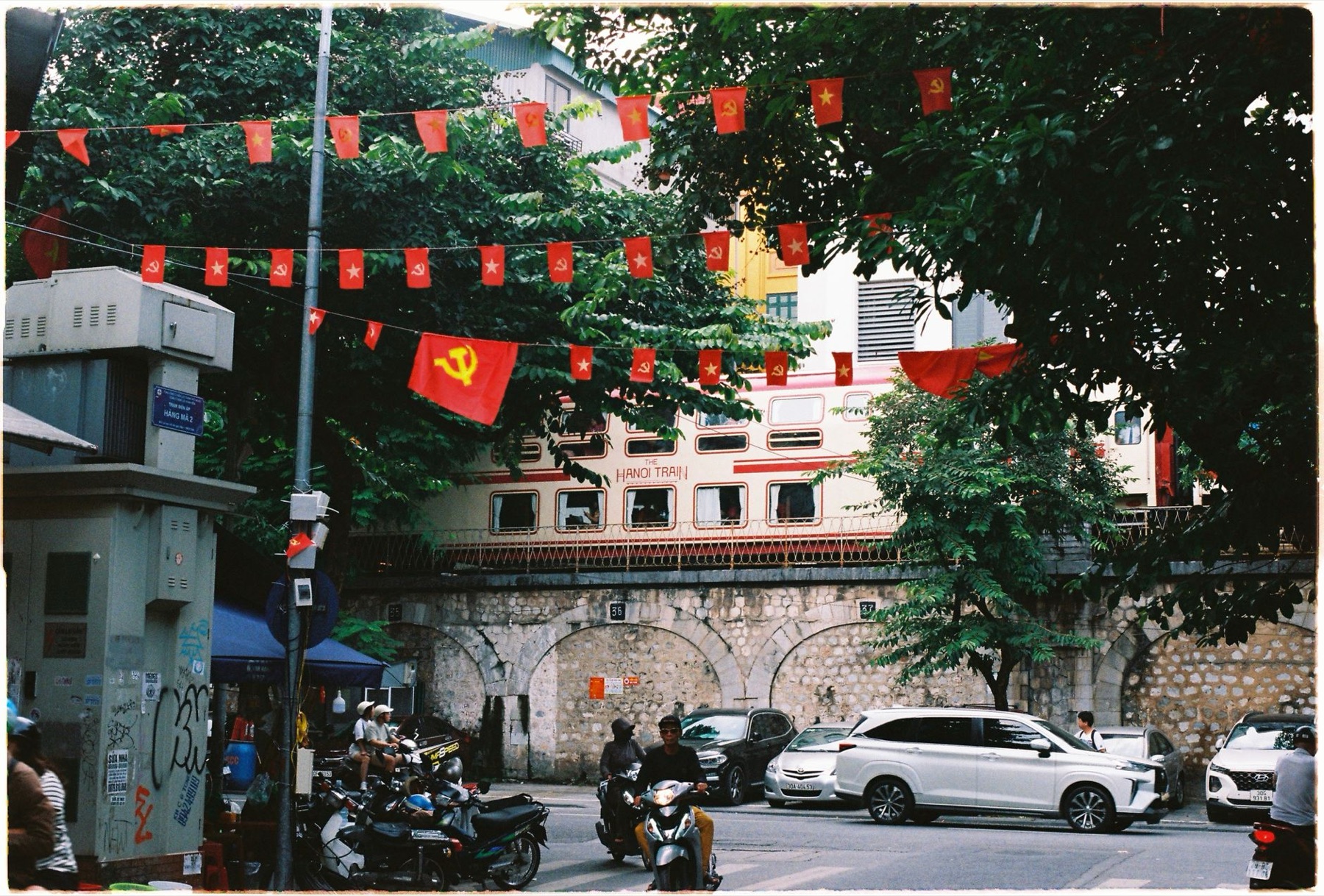
The Old Quarter (Hoàn Kiếm district, centered around Hoan Kiem Lake) is a dense tangle of streets named after the goods once sold there—Hang Gai (silk), Hang Dau (hemp), Hang Muoi (salt). Walking here at dawn feels chaos-free; by 10 a.m., motorbike traffic and selfie-stick crowds take over. The lake itself is pleasant for a stroll, and the surroundings hold small temples and modest eateries locals actually use.
Real cost: Street pho bowl around 40,000–60,000 VND ($1.60–$2.40 USD). Cyclo tour (30 min) around 150,000–200,000 VND ($6–$8 USD) depending on negotiation. Water puppet theater tickets 100,000–150,000 VND ($4–$6 USD).
What to skip: The "silk shops" hawking mass-produced scarves at inflated prices, and any tour operator who doesn't show you a fixed price in writing first. Pickpocketing happens in crowds near the lake at night—keep bags zipped and phones in front pockets.
Best time: 7–8 a.m. for morning tai chi by the lake, or 5–6 p.m. when locals gather and the heat breaks.
Is West Lake worth the trip from downtown Hanoi?
Ho Tay (West Lake) sits northwest of the Old Quarter, a 15–20 minute taxi ride around 50,000–80,000 VND ($2–$3.20 USD) or a motorbike-taxi slightly less. It's a real neighborhood—not a museum—with jogging paths, cafes, and a temple (Tran Quoc) on a small peninsula. Sunset walks here are quiet and genuinely pleasant. The lake water isn't clean enough to swim in, so don't expect a beach experience.
Who goes: Expats, young Vietnamese couples, joggers. Tourists often skip it thinking it's "just water," but the surrounding villages have unexploited food and the pace is completely different from downtown chaos.
Real cost: Waterside coffee around 30,000–50,000 VND ($1.20–$2 USD). No paid entry to the lake or Tran Quoc temple (small donation box at the temple, 10,000–20,000 VND optional).
Scam to avoid: Motorbike drivers claiming the temple is "closed for renovation" and steering you to a fake one nearby.
Where do locals actually eat, and what does a proper street food tour look like?
Hanoi's best food isn't on Instagram—it's at unmarked stalls, open 6–10 a.m. and 4–8 p.m., selling one or two dishes. Hang Ga market (intersection of Hang Ga and Hang Dao streets in the Old Quarter) is a working market first, tourist backdrop second. Women frying spring rolls in oil-splattered aprons, vendors hollering prices, kids eating before school—that's the real deal.
Specific dishes to find:
- Bánh mì (filled sandwich): around 25,000–40,000 VND ($1–$1.60 USD)
- Cơm tấm (broken-rice with grilled pork chop): 40,000–60,000 VND ($1.60–$2.40 USD)
- Chả cá (turmeric fish with dill): 60,000–100,000 VND ($2.40–$4 USD) at specialist street shops
- Egg coffee (Vietnamese style, beaten yolk + espresso): 40,000–60,000 VND ($1.60–$2.40 USD) at cafes in Hang Gai
How to do it right: Skip paid "street food tours" that herd you in groups. Walk alone or with a local friend, point at food you recognize, ask "Bao nhiêu?" (How much?). Most stalls have price lists written on walls or boards. Bring small bills—vendors often claim no change for notes over 50,000 VND.
Opening-hour realities: Many famous spots close by 8 a.m. (that's breakfast service ending). Lunch is 11 a.m.–1 p.m.; dinner starts 4:30 p.m. Tourist restaurants stay open 11 a.m.–10 p.m. but serve bland versions of the same food.
What should you expect at water puppet theater, and is it worth it?
Water puppetry is genuinely unique to Vietnam—wooden puppets dance on water while puppeteers stand behind, hidden. Shows last 45 minutes, are entirely in Vietnamese (no subtitles), and feature stories of rice farming, fishing, and folklore. Non-Vietnamese speakers still enjoy the music and movement. The main theater (Thang Long Water Puppet Theatre) sits near Hoan Kiem Lake, walking distance from the Old Quarter.
Practical details:
- Shows run 3–4 times per day (typically 9:30 a.m., 3 p.m., 7:15 p.m.—check ahead).
- Tickets: 100,000–150,000 VND ($4–$6 USD) standard seating.
- Language: Entirely Vietnamese; no translation provided, but the visuals are self-explanatory.
- Duration: 45 minutes; arrive 15 minutes early to photograph the puppets.
Why it works as an experience: It's a living art form (not a tourist gimmick that's been hollowed out). Puppeteers train for years. The venue is small and intimate. You're not sitting in a giant auditorium.
Honest caveat: If you're jet-lagged or culturally fatigued, it might feel slow. If you love theater and water imagery, it's worth one showing. Don't go twice—once is enough.
📸 Book an ao dai photoshoot in Hanoi or Saigon (Cáo Studio)
How does a gift for someone who's been to Hanoi differ from one for someone planning to visit?
If you want to mark a Hanoi memory, think differently than generic "Vietnam" gifts.
| Gift Type | Who It's For | Why It Works |
|---|---|---|
| Personalized map print (city or neighborhood) | Visited Hanoi, wants a wall print | Shows specific streets they walked; meaningful detail |
| Engraved keepsake box | Souvenir from trip | Stores tickets, receipts, memories; lasts years |
| Custom star map (date of visit) | Romantic memory or milestone trip | Captures the exact night sky over Hanoi on their arrival date |
| Vintage travel journal | Planning a trip | Practical for note-taking; heirloom quality; encourages slow travel |
| Framed photo or canvas (local neighborhood scene) | Has emotional attachment to a place | Authentic moment > generic temple shot |
The best souvenirs don't scream "Vietnam"—they whisper a specific moment. A print of Hang Gai street market where you ate pho beats a mass-produced "Hanoi" poster every time.
Where to shop for these thoughtfully: We recommend exploring collections of keepsake gifts and personalized travel maps that let you customize with dates, coordinates, or neighborhood names. These types of items turn a trip into a story that stays on your shelf.
What's the honest time budget for a 3–4 day Hanoi visit?
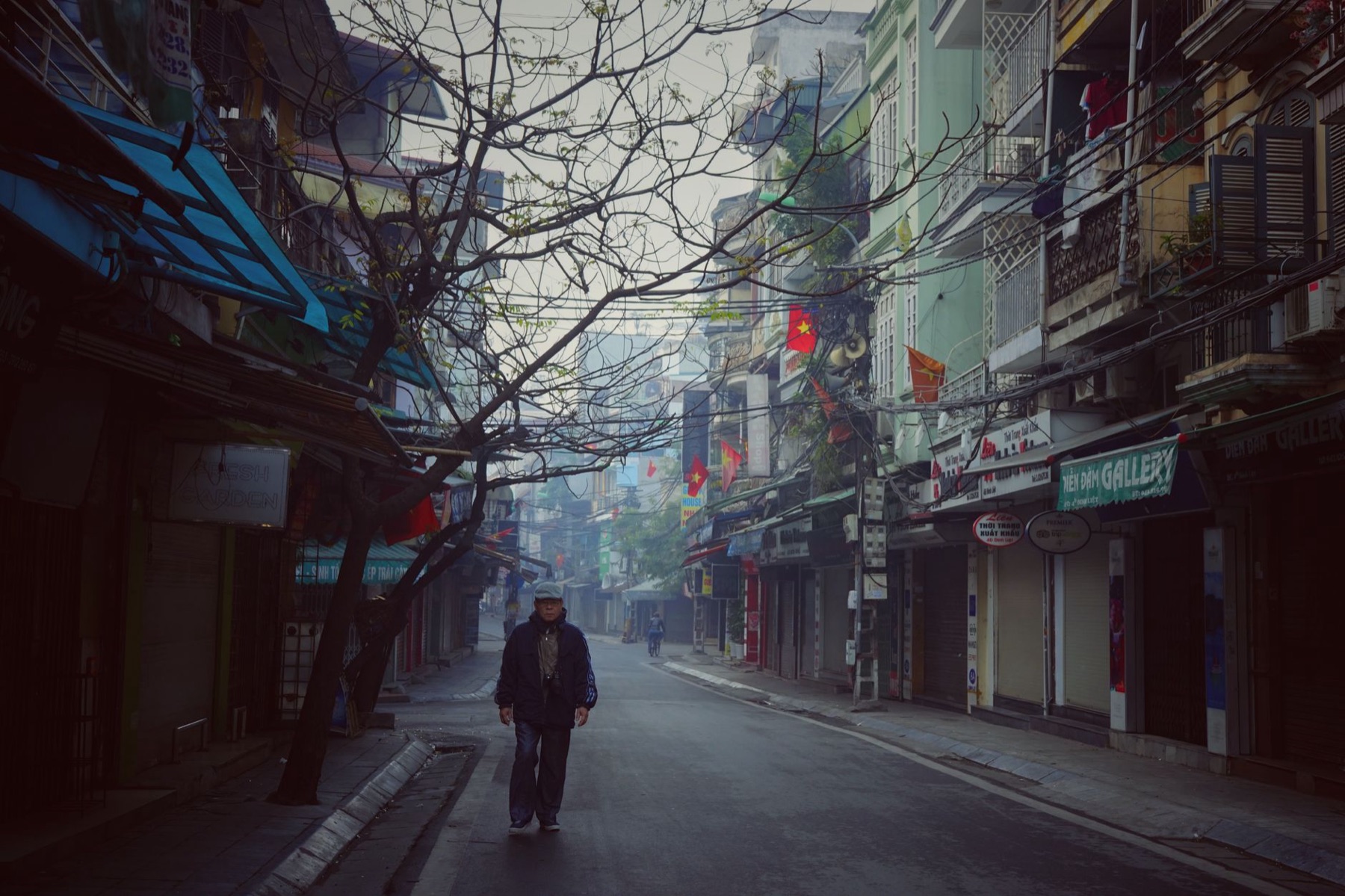
Realistically, you need three full days to feel the city without rushing.
Day 1 (Old Quarter immersion):
- Morning (7–9 a.m.): Walk around Hoan Kiem Lake, watch tai chi.
- Late morning (9–11 a.m.): Breakfast pho at a local stall, wander Hang Gai and Hang Dau streets.
- Afternoon (2–4 p.m.): Temple visit (Quan Thanh or Tran Quoc; 30–45 min each).
- Evening (5–7 p.m.): Dinner at a street-food stall or low-key restaurant.
Day 2 (West Lake + French Quarter):
- Morning (8–10 a.m.): Cyclo ride or walk through the French Quarter (Pham Ngu Lao street, old villas).
- Midday: Lunch in Hoai Duc village (30 min taxi; fresh crab, local seafood).
- Afternoon: West Lake walk, Tran Quoc temple if not done Day 1.
- Evening: Water puppet show (7:15 p.m. slot).
Day 3 (markets + day-trip option):
- Early (6–7 a.m.): Dong Xuan market (largest wholesale market; closes by 10 a.m.).
- Midday: Lunch, rest.
- Afternoon (2–5 p.m.): Day trip to Ninh Binh (1.5 hours south) for temples and boat rides, OR stay in city and visit Hanoi Tower observation deck, OR explore a neighborhood you missed.
Day 4 (optional): Ha Long Bay day trip (2.5 hours by car; leaves 7–8 a.m., returns 6–7 p.m.) or travel onward via Vietnam itinerary planner.
Planning a multi-city trip? How does Hanoi compare to Ho Chi Minh City and other regions?
Hanoi moves slower and is denser with history. Ho Chi Minh City is more modern, sprawling, and tourist-friendly (English spoken more often). Hoi An is a small, preserved ancient town best for 1–2 days. Ha Long Bay requires a cruise (1–3 days). Ninh Binh is temples and karst scenery (1 day from Hanoi). Sapa is mountain trekking (flights or overnight bus, 3–4 days).
If you're traveling Vietnam for 2+ weeks, Hanoi works best as your first or last stop—it's mentally heavy and rewarding, but not a beach town. Come here first to understand Vietnam, then ease into quieter regions.
🗺️ Plan your route: Vietnam itinerary
What do you actually need to carry or arrange before arriving in Hanoi?
Before landing:
- Visa: Apply for a Vietnam e-visa online (1–3 days processing; around $25–$30 USD). Or arrange on arrival (same-day, around $100 USD at the airport, slightly pricier).
- SIM card / connectivity: Get a local eSIM for Vietnam (orders ship before your flight if you plan ahead) or buy a Viettel/Mobifone SIM at Noi Bai Airport (200,000–300,000 VND / $8–$12 USD for a starter pack with data). Cheapest: airport counter, ~2 minutes.
- Currency: Bring USD or a credit card. ATMs are everywhere (withdraw 1–2 million VND / $40–$80 USD at a time). Exchange rates at banks and ATMs are fair; avoid airport exchanges (5–10% markup).
- Accommodation: Book central Old Quarter or West Lake area. Avoid Hoan Kiem district if you want quiet (it's the epicenter of tour-group tourism).
- Transport from airport (Noi Bai): 30 km north. Taxi: 350,000–450,000 VND ($14–$18 USD). Grab app (ride-share, similar price, trackable). Bus 86: 30,000 VND ($1.20 USD), 45 min, serves Old Quarter and Hoan Kiem.
- Travel insurance: Highly recommended for any Southeast Asia trip.
---
What to check before you buy or book anything in Hanoi
- Confirm prices in writing (screenshot texts or emails from guides/tour operators; verbal quotes change).
- Check opening hours the day before—many temples close randomly for maintenance.
- Avoid "special offers" from strangers on the street (fake tickets, marked-up tours, overpriced drugs/goods).
- Use Grab app for taxis, not street-hailed ones; you see the meter in advance.
- Buy water and snacks before entering markets—prices inside are inflated 200–300%.
- Don't carry valuables in backpacks in crowded markets; wear a crossbody bag zipped to your front.
---
🎟️ Compare tours & tickets for this place
---
FAQ
How many days do I actually need in Hanoi?
Three full days lets you experience the Old Quarter, West Lake, street food, and a temple or water puppet show without rushing. Four days lets you add a day trip to Ninh Binh or rest days. Two days is too rushed; you'll miss the rhythm and eat mediocre tourist food.
Is Hanoi safe for solo travelers?
Yes, safer than many major cities. Petty theft (pickpocketing in crowded markets) and bag-snatching on motorbikes are real but avoidable. Keep bags zipped, phones in pockets, valuables in a hotel safe. Women travelers report normal hassle (street attention, persistent touts) but no violent crime in tourist areas. Use common sense; don't walk alone late at night in unfamiliar alleys.
What's the best time of year to visit Hanoi?
October–November (autumn) and February–March (spring): cool (15–25°C), low humidity, clear skies. Avoid May–September (hot, humid, 30–35°C, sudden rain). December–January can be cold (10–15°C) with occasional drizzle. Early morning walks are best year-round; heat kicks in by 10 a.m.
Do I need a guide for the Old Quarter, or can I just walk?
Walking alone works fine—just use Google Maps offline and ask locals directions (they're patient). Guides help if you want history context, local connections, or language help. Expect to pay 400,000–800,000 VND ($16–$32 USD) for a half-day private guide. Group tours are cheaper but move in packs and stop at marked tourist spots.
How much should I budget per day in Hanoi?
Budget 800,000–1,500,000 VND per day ($32–$60 USD) for food (local stalls and casual restaurants), transport, and one paid activity (temple, water puppet, or a short tour). Mid-range hotels run 500,000–1,200,000 VND ($20–$48 USD) per night. Backpackers: 400,000–600,000 VND ($16–$24 USD) per day (dorm beds, street food, free walks).
What's the actual time to visit a temple in Hanoi?
Most temples open 8 a.m.–5 p.m., with lunch closures 11:30 a.m.–1 p.m. at smaller ones. Plan 30–45 minutes per temple (10 min to walk around, 20–30 min to sit and observe, avoid peak tour times 10–11 a.m.). No paid entry at most working temples; donation boxes (5,000–50,000 VND optional).
FAQ
How many days do I actually need in Hanoi?
Three full days lets you experience the Old Quarter, West Lake, street food, and a temple or water puppet show without rushing. Four days lets you add a day trip to Ninh Binh or rest days. Two days is too rushed; you'll miss the rhythm and eat mediocre tourist food.
Is Hanoi safe for solo travelers?
Yes, safer than many major cities. Petty theft (pickpocketing in crowded markets) and bag-snatching on motorbikes are real but avoidable. Keep bags zipped, phones in pockets, valuables in a hotel safe. Women travelers report normal hassle (street attention, persistent touts) but no violent crime in tourist areas. Use common sense; don't walk alone late at night in unfamiliar alleys.
What's the best time of year to visit Hanoi?
October–November (autumn) and February–March (spring): cool (15–25°C), low humidity, clear skies. Avoid May–September (hot, humid, 30–35°C, sudden rain). December–January can be cold (10–15°C) with occasional drizzle. Early morning walks are best year-round; heat kicks in by 10 a.m.
Do I need a guide for the Old Quarter, or can I just walk?
Walking alone works fine—just use Google Maps offline and ask locals directions (they're patient). Guides help if you want history context, local connections, or language help. Expect to pay 400,000–800,000 VND ($16–$32 USD) for a half-day private guide. Group tours are cheaper but move in packs and stop at marked tourist spots.
How much should I budget per day in Hanoi?
Budget 800,000–1,500,000 VND per day ($32–$60 USD) for food (local stalls and casual restaurants), transport, and one paid activity (temple, water puppet, or a short tour). Mid-range hotels run 500,000–1,200,000 VND ($20–$48 USD) per night. Backpackers: 400,000–600,000 VND ($16–$24 USD) per day (dorm beds, street food, free walks).
What's the actual time to visit a temple in Hanoi?
Most temples open 8 a.m.–5 p.m., with lunch closures 11:30 a.m.–1 p.m. at smaller ones. Plan 30–45 minutes per temple (10 min to walk around, 20–30 min to sit and observe, avoid peak tour times 10–11 a.m.). No paid entry at most working temples; donation boxes (5,000–50,000 VND optional).