Ho Chi Minh City · Things to do
Top Things to Do in Ho Chi Minh City 2025–2026
By Wander in Vietnam editorial team · Hanoi, Vietnam
Ho Chi Minh City sprawls across 2,000+ square kilometers, but most visitors orbit the same three blocks. We'll show you where the city actually lives—and how to document it properly when you leave.
Where should I spend my first afternoon?
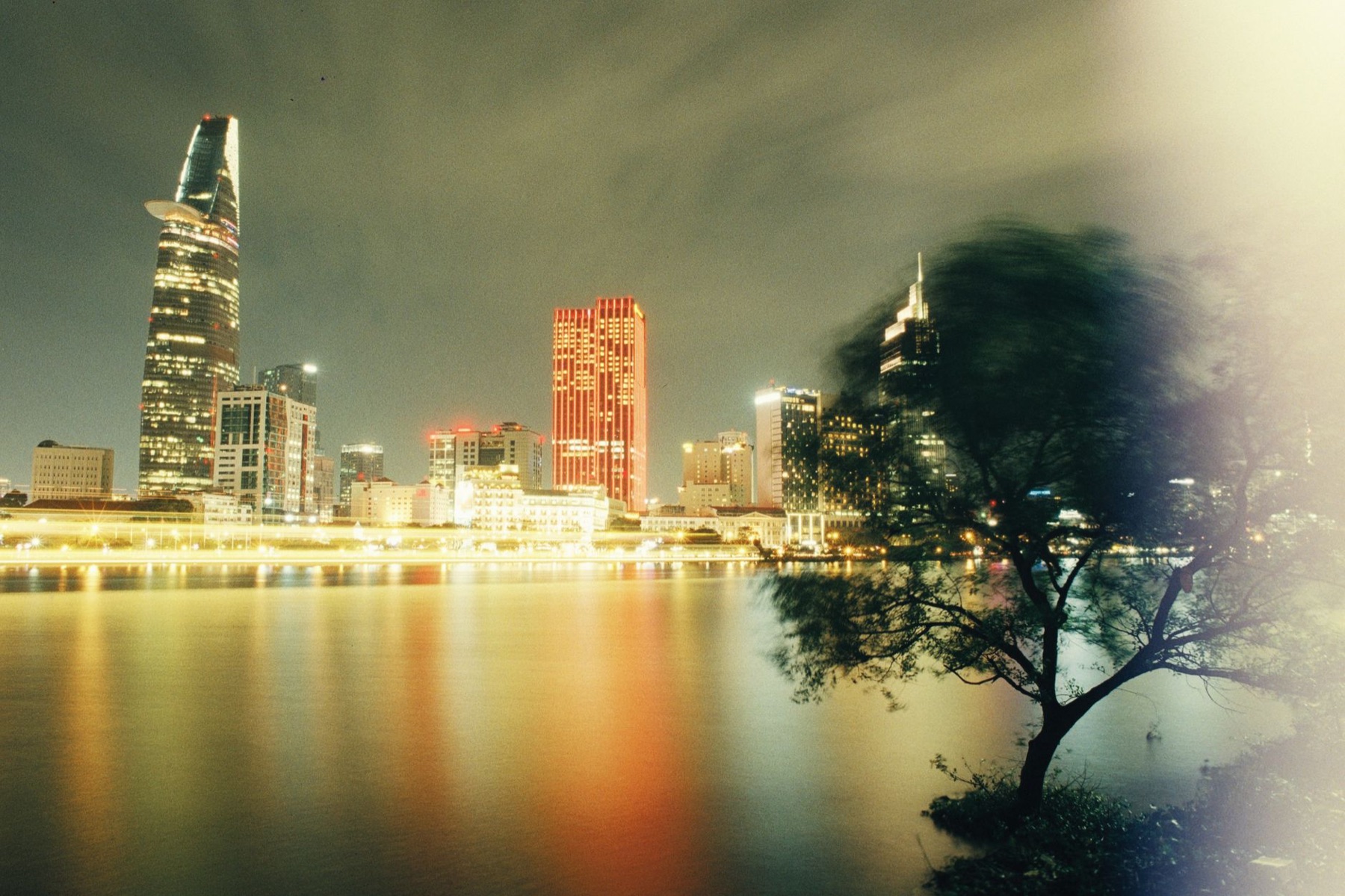
Start in District 1 along the Saigon River from Bitexco Financial Tower south to the Nguyen Hue Walking Street. Walk it backward (away from the crowds) at 3 p.m., not peak hours. Stop at a street-side cà phê đen (black coffee, around 15,000 VND / $0.70) and watch the motorbike ballet. Bitexco's ground floor hosts actual local shops, not chains.
Honest take: Nguyen Hue itself is grimy and loud. The real magic is the side alleys—Ton Duc Thang Street's riverside stalls, the little temples tucked between shophouses. Your phone's camera will thank you here.
What food shouldn't you miss?
Cho Ben Thanh (District 1, opening 6 a.m.–6 p.m. daily) is a working market first, tourist photo-op second. Arrive before 8 a.m. if you want to eat; by 10 a.m., the vendors have already fed their families and the energy shifts. Hunt for:
- Bánh mì at stalls near Gate 3 (around 25,000–35,000 VND / $1.20–$1.70): French-Vietnamese fusion that was invented here.
- Cơm tấm (broken rice, around 30,000 VND / $1.45): pork chop, egg, pickled vegetables—the Saigon blue-collar breakfast.
- Bánh hoai knockoffs: skip them; the real deal is in Hoi An (see our Hoi An guide).
Don't haggle over 5,000 VND. Don't photograph people eating without asking. Do carry small bills (no one breaks 100,000 VND notes at 6 a.m.).
Outside the market, Binh Thanh District (northeast of District 1) is where HCMC's young professionals actually eat. Nguyen Hue Boulevard's upscale restaurants are tourist traps; instead, walk Tran Quoc Toan Street around 6–7 p.m. when families spill onto plastic stools. A proper bowl of bánh canh (tapioca dumpling soup, around 40,000 VND / $1.95) tastes nothing like the backpacker-bar versions downtown.
| Dish | Best Place | Time to Eat | Budget | Why it works |
|---|---|---|---|---|
| Bánh mì | Cho Ben Thanh, Gate 3 | 6:30–8 a.m. | 25–35k VND | Vendors sell out; freshness matters |
| Cơm tấm | Binh Thanh stalls | 11 a.m.–2 p.m. | 30–50k VND | Peak quality during lunch prep |
| Bánh hoai | Hoi An only | Any time | 15–25k VND | HCMC versions are watered down |
| Hu tieu | District 5 (Cho Lon) | 6–9 a.m. | 35–60k VND | Pork broth requires dawn freshness |
🗺️ Plan your route: Vietnam itinerary
Which temples and cultural sites actually matter?
Jade Emperor Pagoda (District 1, corner of Nguyen Trai & Mai Thi Luu, opening 8 a.m.–6 p.m., free entry) is where locals burn incense daily. The air is thick, the carvings are real Ming Dynasty replicas, and tourists rarely find it. Arrive before 9 a.m. to see prayers in action.
War Remnants Museum (District 1, 65 Vo Van Tan) is historically vital but emotionally draining. Go once, not twice. Budget 90 minutes. The admission line moves faster after 2 p.m., when most groups have left.
Skip the fake "tunnels near HCMC"—Cu Chi Tunnels are a 45-minute drive and often overcrowded. If you're interested in Vietnam's war history, the museum's artifacts are more authentic anyway.
Binh Thanh District's French colonial villas (along Dong Khoi Street, Ngo Duc Ke Street) don't have plaques, but walking them is free. These shophouses date to 1880–1920 and are slowly being demolished for condos. Photograph them now.
What's the real cost breakdown for a day in HCMC?
Budget honestly:
- Breakfast (bánh mì + coffee): 40,000 VND / $1.95
- Motorbike taxi across district (short hop): 20,000–30,000 VND / $0.95–$1.45
- Lunch (bowl of cơm tấm or bánh canh): 40,000–60,000 VND / $1.95–$2.90
- Afternoon coffee + snack: 30,000 VND / $1.45
- Dinner (street stall, proper meal): 50,000–100,000 VND / $2.40–$4.85
- Museum or temple entry: free–50,000 VND / free–$2.40
- Evening drink (local beer, Saigon Green or 333): 20,000–40,000 VND / $0.95–$1.95
Total daily food + transport: roughly 220,000–350,000 VND / $10.70–$17.00 if you eat where locals eat.
Expensive? No. Overrated apps like Grab will tempt you to cross the city for a "hidden gem" restaurant; you'll pay 100,000 VND / $4.85 for something that costs 60,000 VND / $2.90 three blocks away.
How do you actually navigate and remember this place?
📸 Book an ao dai photoshoot in Hanoi or Saigon (Cáo Studio)
HCMC's grid is chaotic—street numbers restart in each ward, and Google Maps often misplaces temples. Grab app (Southeast Asia's Uber) is your lifeline; motorbike taxis accept it. Agree on the destination before getting on a motorbike.
To document your trip:
- Smartphone star maps or keepsakes: Consider a personalized star map print showing HCMC's night sky the day you arrived—it grounds the abstract chaos into a single image.
- Áo dài photoshoots: A professional Saigon photoshoot with Cáo Studio (makeup, styling, edited images) lets you pose in traditional dress without the street chaos. Many travelers regret not doing this.
- Written notes: HCMC moves fast. Jot street names, stall owners' names, opening hours. In six months you'll forget where that perfect bánh hoai taste came from.
🎟️ Compare tours & tickets for this place
What are the real scams to avoid?
- Fake cyclo ("xe lôi") tours. Only use Grab; agree on price upfront. A cyclo ride quoted at 100,000 VND / $4.85 often ends in a 500,000 VND / $24.40 demand.
- Tailored áo dài shops on backpacker streets. They'll promise "ready in 24 hours." It won't be. Wait 5–7 days or book a professional photoshoot instead.
- Overpriced "local restaurant" recommendations from your hotel. If it's in your lobby or directly on Nguyen Hue, it's marked up 200%.
- Gem and lacquerware shops. Diamond authenticity is impossible to verify as a tourist. Skip it.
- Motorbike rental without insurance. If you're inexperienced, don't rent. The roads are genuinely dangerous, and a minor fender-bender can cost 10–50 million VND in damages.
What should you check before leaving HCMC?
- Do you have an eSIM or reliable data? Vietnam's eSIM coverage is excellent in the city; buy it here before heading north.
- Do you need a Vietnam e-visa extension? If you're staying beyond 90 days, apply before arrival.
- Have you tried the Mekong Delta? A proper day trip (6 a.m.–4 p.m. from District 1) costs around 800,000–1,500,000 VND / $39–$73 per person—skip the Saigon Hotel packages and use a local guide instead.
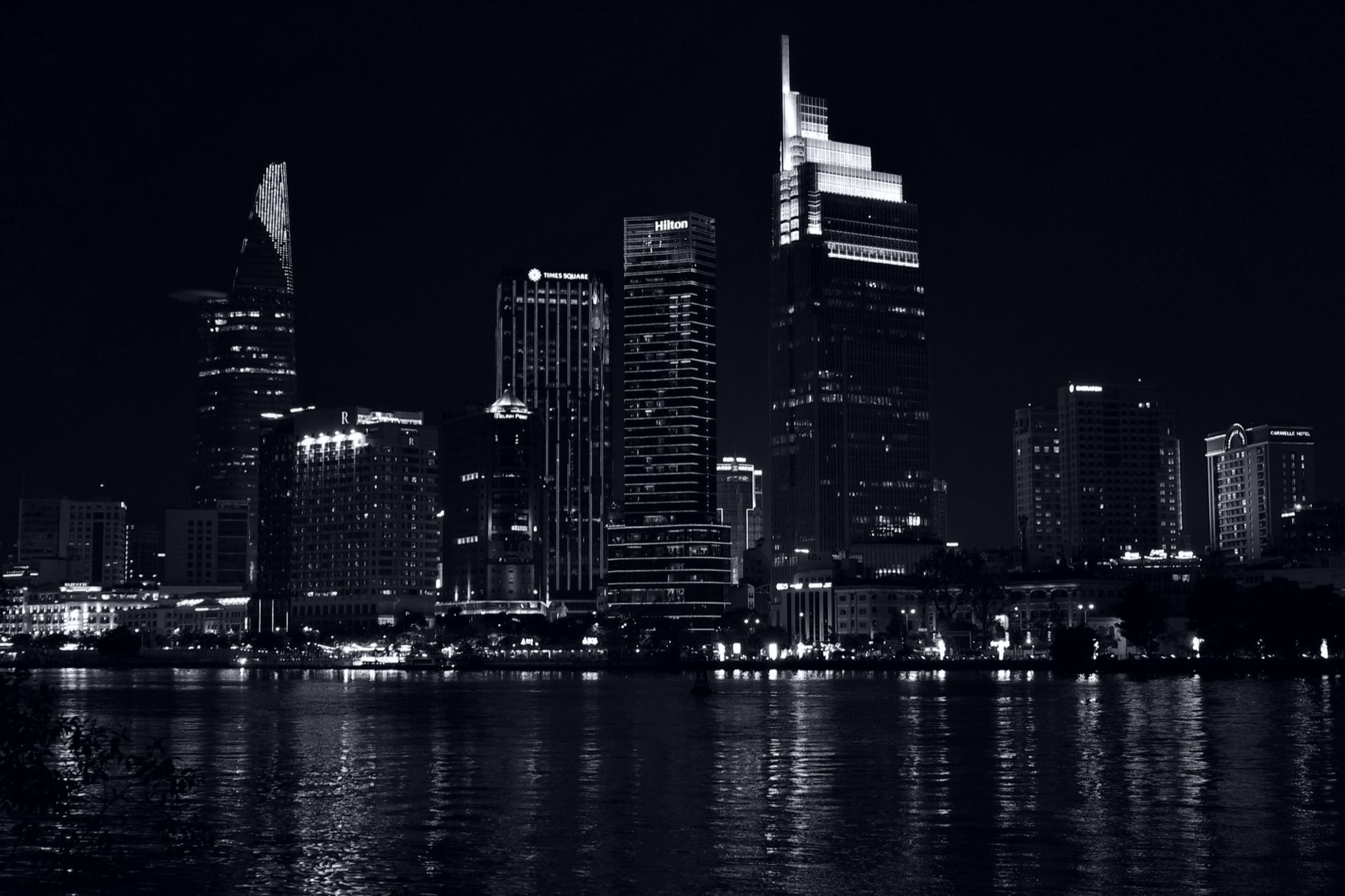
- Is your phone charged for night photos? District 1's Saigon River walk at 7 p.m. is stunning; the riverside bars at 9 p.m. are overpriced copies of Bangkok.
Before you book a memorable experience, consider pairing it with something tangible you'll keep: a personalized star map from the night you arrived or a professional Saigon photoshoot in áo dài. We've seen travelers return three years later because a single keepsake reminded them why HCMC mattered.
If HCMC is a layover, read our full Ho Chi Minh City guide. If you're planning a longer Vietnam trip, use our Vietnam itinerary planner to string together Hanoi, Hoi An, Ha Long Bay, and beyond.
---
FAQ
Is it safe to eat street food in HCMC?
Yes—locals eat it daily. Avoid stalls that sit idle; hunt those with constant turnover. Stick to cooked food (bánh mì, cơm tấm, bánh canh), not raw vegetables. Your immune system will adjust within two days.
How many days do I need in Ho Chi Minh City?
Three days minimum: one for District 1 walking, one for market food and temples, one for a Mekong day trip or Binh Thanh neighborhood wandering. Four days lets you breathe.
Should I take a cooking class or food tour?
Cooking classes in tourist zones cost 1.5–2 million VND / $73–$97 for basic skills. Better: buy groceries at Cho Ben Thanh (50,000 VND / $2.40) and cook in your hotel room, then eat at local stalls to compare.
What's the best time of year to visit HCMC?
November–February (cool and dry). Avoid May–September (36°C heat and rainy). Tet (Lunar New Year, late January–early February) shuts shops but fills the streets with celebration.
Can I skip HCMC and go straight to other cities?
Most international flights land here, so no. But if you hate cities, take a 6 a.m. bus to Mekong Delta towns (Can Tho, Chau Doc) or head north to Hoi An, Ha Long Bay, or Hanoi within 24 hours. Don't force three days here if it's not your style.
FAQ
Is it safe to eat street food in HCMC?
Yes—locals eat it daily. Avoid stalls that sit idle; hunt those with constant turnover. Stick to cooked food (bánh mì, cơm tấm, bánh canh), not raw vegetables. Your immune system will adjust within two days.
How many days do I need in Ho Chi Minh City?
Three days minimum: one for District 1 walking, one for market food and temples, one for a Mekong day trip or Binh Thanh neighborhood wandering. Four days lets you breathe.
Should I take a cooking class or food tour?
Cooking classes in tourist zones cost 1.5–2 million VND / $73–$97 for basic skills. Better: buy groceries at Cho Ben Thanh (50,000 VND / $2.40) and cook in your hotel room, then eat at local stalls to compare.
What's the best time of year to visit HCMC?
November–February (cool and dry). Avoid May–September (36°C heat and rainy). Tet (Lunar New Year, late January–early February) shuts shops but fills the streets with celebration.
Can I skip HCMC and go straight to other cities?
Most international flights land here, so no. But if you hate cities, take a 6 a.m. bus to Mekong Delta towns (Can Tho, Chau Doc) or head north to [Hoi An](/hoi-an), [Ha Long Bay](/ha-long-bay), or [Hanoi](/hanoi) within 24 hours. Don't force three days here if it's not your style.
More: Ho Chi Minh City guide · Things to do in Ho Chi Minh City