Ho Chi Minh City · Things to do
Top Things to Do in Ho Chi Minh City 2025 – Local Guide
By Wander in Vietnam editorial team · Hanoi, Vietnam
Ho Chi Minh City remains Vietnam's largest metropolis and most walkable urban center for travelers. Unlike Hanoi's narrow Old Quarter labyrinth, Saigon (locals still use both names) spreads across wider districts with clearer transport links. The real appeal isn't monument-checking; it's neighborhood immersion, unguarded street food moments, and understanding how 10 million people coexist in planned and chaotic zones simultaneously.
We've filtered tourism noise to highlight what actually justifies your time and travel budget—and what genuinely isn't worth the hype.
🗺️ Plan your route: Vietnam itinerary
What museums and colonial buildings are actually worth visiting?
War Remnants Museum (23 Vo Van Tan, District 1, 7:30 a.m.–5 p.m., closed Mondays) and Independence Palace (135 Nguyen Hue, District 1, 7:30 a.m.–11 a.m./1 p.m.–4 p.m., book online 24 hours ahead) remain essential for understanding Vietnam's 20th-century history. Saigon Central Post Office (2 Cong Truong Mong Duc Sac, District 1, 7 a.m.–6 p.m.) deserves 30 minutes for its 1886 French architecture—photographs inside are restricted, so expect queues at opening. Skip Ben Thanh History Museum; it's a minor upstairs room without meaningful curation. Entry to War Remnants runs around 40,000 VND (~$1.60 USD); Independence Palace, around 30,000 VND (~$1.20 USD).
The genuine draw isn't the buildings themselves but the context: these sites sit within walking radius of each other in District 1, so combine them with a 2–3 hour walk. Bring water. Midday humidity tops 35°C July–September; morning visits yield better photos and fewer tour groups.
Which markets offer authentic street food and how do you avoid tourist pricing?
Ben Thanh Market (intersection of Le Loi, Tran Hung Dao, Cach Mang Thang Tam, and Nguyen Hue, District 1, 6 a.m.–7 p.m.) is overrated as a market but essential for newcomers to understand the scale of Saigon commerce. Tourist pricing inflates 40–60% on ground level; food stalls upstairs (2nd floor, southern wing) charge 20,000–35,000 VND (~$0.80–$1.40 USD) for bánh bao, cơm tấm, and fresh juice—close to local rates. Go before 9 a.m. or after 4 p.m. to avoid peak crowds.
Binh Tay Market (Nguyen Hue Boulevard, District 6, 6 a.m.–6 p.m.) operates on genuine wholesale logistics; it's larger, less English-spoken, and primarily serves Saigon residents. Expect zero fake goods or inflated tourist snacks. A full breakfast here (bánh mì, cà phê sữa đá, fresh papaya) costs around 30,000–50,000 VND (~$1.20–$2 USD). Taxi or Grab from central District 1 runs around 50,000–80,000 VND (~$2–$3.20 USD) each way.
Binh Thanh neighborhood (east of the Saigon River) has emerged as the real market district for locals. Phuong Nam Market and several unnamed stalls along Xuan Huong Street trade in dry goods, textiles, and spices; food courts here serve bun oc (snail noodles) and hu tieu (clear pork broth) for 25,000–40,000 VND (~$1–$1.60 USD) per bowl. Tourist guides rarely mention it.
📸 Book an ao dai photoshoot in Hanoi or Saigon (Cáo Studio)
Where should you eat and which neighborhood has the best pho?
| Neighborhood | Signature Dish | Price Range | Best Time | Why It Works |
|---|---|---|---|---|
| Binh Thanh | Bánh mì, cà phê, bun oc | 20k–50k VND | 6–11 a.m., 5–7 p.m. | Local-only, minimal English, authentic volume |
| District 1 (Tao Đàn area) | Cơm tấm, hu tieu | 30k–60k VND | 11 a.m.–2 p.m. | Walkable, mixed locals & travelers, no markup |
| District 4 (Nguyen Hue Riverside) | Cơm tấm chả cá, cocktails | 40k–150k VND | Lunch, 6–10 p.m. | Expanding food scene, less touristy than D1 |
| Ben Thanh surroundings | Mixed Vietnamese | 50k–200k VND | All hours | Tourist-heavy pricing, but options for all budgets |
Pho isn't concentrated in one district; quality depends on individual stall reputation, not neighborhood. Pho Hoa Noodle Soup (no fixed location—chain operates storefronts across Saigon, typically 6–10 a.m. service, 35,000–50,000 VND per bowl) serves correct broth, but local stalls in Binh Thanh produce better versions for 30,000 VND (~$1.20 USD). Ask your guesthouse staff which pho counter they eat from; that's faster than guidebook hunting.
Dinner culture shifts toward 6–8 p.m., not Western 7–9 p.m. Restaurants fill by 6:15 p.m. and close by 10 p.m. or 11 p.m., even on weekends. Street food (bánh mì stands, banh hoai carts, fruit juice vendors) operates dawn–dusk; sit-down restaurants close early to mid-evening.
What should you do outdoors and which parks are worth cycling through?
Tao Đàn Park (Le Loi Street, District 1, 6 a.m.–10 p.m., free entry) spans a full city block, older and less manicured than European parks but genuinely used by Saigon residents for tai chi, jogging, and water aerobics at dawn. Morning sessions (6–7 a.m.) are least crowded. Rent a single-speed bicycle from nearby stalls (around 50,000 VND per day, ~$2 USD) and loop through Tao Đàn and the quieter lanes of Nguyen Hue Street before breakfast.
Reunification Palace Gardens (135 Nguyen Hue, District 1, accessible with palace ticket, open 7:30–11 a.m./1–4 p.m.) provides manicured grounds and shadier walking paths than Ben Thanh surroundings.
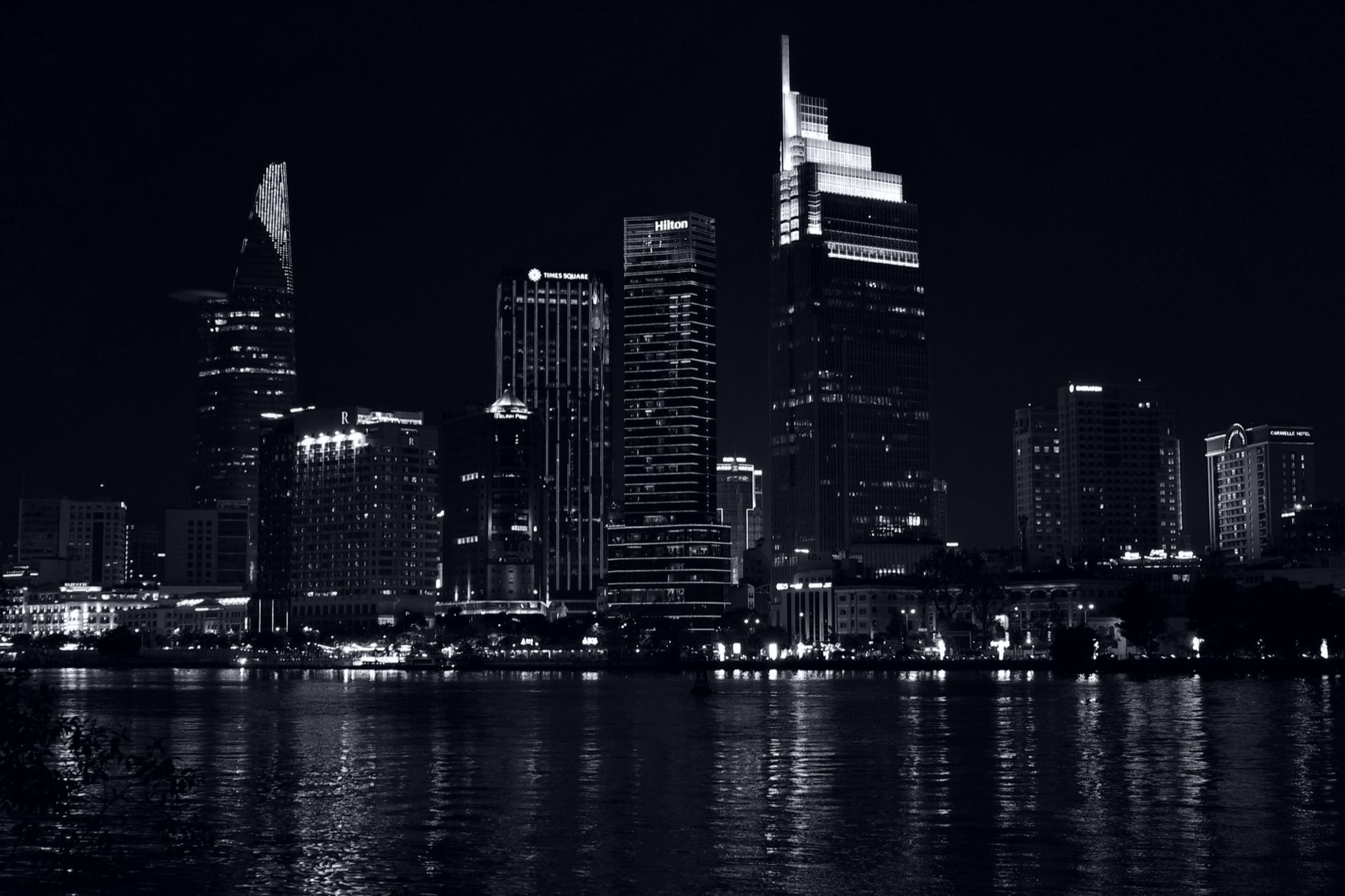
Saigon River cycling isn't practical for central areas (no dedicated lanes), but the District 4 riverside promenade (Ton Duc Thang Boulevard) has expanded pedestrian and cycle routes since 2023. Walk or cycle from Bitexco Financial Tower southward toward District 7; allow 90 minutes for a 5 km round trip. Stop at riverside cafés—many serve cà phê sữa đá and bánh (bread) for 25,000–40,000 VND (~$1–$1.60 USD).
Binh Thanh riverside paths are less touristy; hire Grab bikes (~40,000 VND per hour, ~$1.60 USD) for exploration. Don't leave bicycles unattended in District 1.
How do you avoid scams and what are the real pitfalls for visitors?
Fake meter taxis: Use Grab (app-based, no negotiation, transparent pricing) instead of street-hailed taxis. If you must take a taxi, only board white-and-green Vinasun or Mai Linh branded vehicles. Single-meter scams inflate short trips by 200–300%.
Counterfeit goods: Don't buy anything promising "authentic designer" outside formal shops. Ben Thanh Market's ground floor, tailors claiming "same factory as…," and street vendors all sell marked-up fakes. Proceed expecting replicas and budget accordingly, or skip entirely.
Rooftop bar overpricing: District 1 rooftop bars charge 80,000–200,000 VND (~$3.20–$8 USD) per beer; District 4 newer venues run 60,000–120,000 VND (~$2.40–$4.80 USD). Cover charges don't exist, but expect minimum spend on quiet nights. Microbreweries in Binh Thanh (Bia Hoi culture, open courtyards) serve fresh draught for 20,000–30,000 VND (~$0.80–$1.20 USD).
Cyclo and motorbike-taxi ambush: Avoid cycle rickshaws ("cyclo") on Nguyen Hue or Ben Thanh approaches—drivers demand 5–10× fair price once moving. Use Grab Bike (motorbike taxi) at 15,000–40,000 VND per trip within District 1, transparent before ride.
Currency exchanges and ATMs: Withdraw VND at reputable bank ATMs (Vietcombank, ACB branches, always indoor) rather than street exchange shops. Rates differ by 2–5%. Never use ATMs inside tourist areas late at night.
Time allocation pitfall: Three hours at Ben Thanh Market + War Remnants Museum + Independence Palace drains a full day. Prioritize. Dedicate one morning to colonial District 1, one afternoon to Binh Thanh food exploration, one evening to riverside walks. Rushing yields disappointment.
🎟️ Compare tours & tickets for this place
What's the best way to travel between Ho Chi Minh City and other regions?
If Ho Chi Minh City is your hub, consider day trips and overnight jaunts: Ha Long Bay (northeast, 11–13 hours by bus, overnight luxury cruises common), Ninh Binh (north-central, 6–7 hours, cave systems and rural cycling), Hoi An (central coast, 1–1.5 hours by flight or 15+ hours by bus, Old Town UNESCO site and tailor culture). Hanoi remains the northern capital; flights run 2 hours, around 500,000–1,200,000 VND (~$20–$48 USD) for budget carriers.
Grab and local bus services (Kumho, Thaco) link Saigon to surrounding provinces cheaply (around 100,000–300,000 VND, ~$4–$12 USD) but consume full days. Domestic flights save time if your budget allows. Book through Vietjet or Bamboo Airways websites, not tourist agents (same price, no middleman fee).
For international entry/exit: ensure your Vietnam e-visa is processed (online, 3–7 days) and a local eSIM for Vietnam is active before arrival (avoids airport overpricing).
What gift should you bring home from Ho Chi Minh City?
Ao dai fabrics and tailor services (Vietnam's iconic silk gown) make lasting, personal souvenirs. Rather than buying premade garments (quality varies wildly, tailors overcharge tourists 30–100%), commission a custom ao dai at a reputable Hoi An tailor (central coast, day trip from Saigon) or Hanoi specialist. Browse curated fabric collections for silk scarves, cushion covers, and embroidered textiles that reflect Saigon craftsmanship at fair pricing.
Lacquerware boxes and inlaid mother-of-pearl trays are traditionally produced in northern Vietnam but sold throughout Saigon. Look for items marked "handmade, Vietnam" rather than unmarked mass-produced versions. Quality lacquer feels warm to touch and weighs noticeably; fakes are plastic-light.
Coffee (cà phê) from central highlands (Dak Lak, Lam Dong) is cheaper in Saigon than Ho Chi Minh City airport. Buy whole beans from Binh Thanh markets (around 80,000–150,000 VND per kg, ~$3.20–$6 USD) rather than touristy packaging. Weasel coffee (civet coffee, ca phe chon) is expensive, ethically questionable, and oversold; skip it.
Explore our keepsake and gift collections for personalized options—star maps, engraved boxes, and memory albums capture your Saigon dates and names meaningfully.
📸 Book an ao dai photoshoot in Hanoi or Saigon (Cáo Studio)
What to check before you visit
- Weather: November–January (22–28°C, low humidity) vs. May–September (30–35°C, 80–90% humidity and monsoon rain). Book indoor attractions for wet season afternoons.
- Days open: Museums close Mondays; night markets operate Thursday–Sunday primarily. Confirm hours before traveling.
- Cash vs. card: Markets and street food require VND cash. ATM withdrawals are safe and reliable; credit cards work at restaurants but not stalls.
- Neighborhood vibe: District 1 is foreigner-heavy and pricier. Binh Thanh is local-focused and cheaper. Choose based on your travel style.
- Transport: Get Vietnam eSIM activated, download Grab app, and avoid hailing taxis on streets.
- Return gifts: Ship keepsakes home or carry-on if traveling onward. Lacquerware and ceramics survive packing well.
🗺️ Plan your route: Vietnam itinerary
---
FAQ
Is three days enough for Ho Chi Minh City?
Two full days covers War Remnants Museum, Independence Palace, Ben Thanh Market, and riverside walks. Three days allows Binh Thanh neighborhood immersion, cycling, and one evening exploring District 4. Four days is ideal if you're also taking day trips to Ninh Binh or other regions.
What's the cheapest way to eat in Saigon without missing out?
Eat street food for breakfast and lunch (bánh mì, cơm tấm, phở, 20,000–50,000 VND), then sit-down dinners at local restaurants (60,000–120,000 VND). Avoid Ben Thanh ground floor and Nguyen Hue restaurant rows; Binh Thanh stalls and District 6 offer double the portion for half the price.
Should I book tours or explore on my own?
Walking District 1 independently takes 3–4 hours and costs zero. Hiring a local guide (around 300,000–500,000 VND for a half-day, ~$12–$20 USD) is worthwhile only if you want insider stories about war history or architecture. Markets and cycling are safer solo with a charged phone and downloaded offline map.
Is it safe to cycle or use motorbike taxis at night?
Grab Bike (app-based motorbike taxi) is safe until 11 p.m. in central districts. Cycling after dark requires lights and awareness; stick to well-lit Tao Đàn Park or riverside paths. Avoid cycling solo in unfamiliar areas after 9 p.m.
When is the best time to visit Ho Chi Minh City?
November–January offers 22–28°C weather and clear skies. February–April is hot but dry. May–October is humid, rainy afternoons common, but fewer tourists and lower accommodation rates. Lunar New Year (late January–early February) shuts restaurants for 3–5 days; plan accordingly.
What should I absolutely not do in Ho Chi Minh City?
Don't rent motorbikes as a foreigner without a valid Vietnamese driver's license (police fines, insurance voids). Don't negotiate prices after agreeing on cyclo fares; don't accept unsolicited jewelry/watch offers on streets. Don't photograph military or government buildings. Don't leave valuables unattended on market tables.
FAQ
Is three days enough for Ho Chi Minh City?
Two full days covers War Remnants Museum, Independence Palace, Ben Thanh Market, and riverside walks. Three days allows Binh Thanh neighborhood immersion, cycling, and one evening exploring District 4. Four days is ideal if you're also taking day trips to [Ninh Binh](/ninh-binh) or other regions.
What's the cheapest way to eat in Saigon without missing out?
Eat street food for breakfast and lunch (bánh mì, cơm tấm, phở, 20,000–50,000 VND), then sit-down dinners at local restaurants (60,000–120,000 VND). Avoid Ben Thanh ground floor and Nguyen Hue restaurant rows; Binh Thanh stalls and District 6 offer double the portion for half the price.
Should I book tours or explore on my own?
Walking District 1 independently takes 3–4 hours and costs zero. Hiring a local guide (around 300,000–500,000 VND for a half-day, ~$12–$20 USD) is worthwhile only if you want insider stories about war history or architecture. Markets and cycling are safer solo with a charged phone and downloaded offline map.
Is it safe to cycle or use motorbike taxis at night?
Grab Bike (app-based motorbike taxi) is safe until 11 p.m. in central districts. Cycling after dark requires lights and awareness; stick to well-lit Tao Đàn Park or riverside paths. Avoid cycling solo in unfamiliar areas after 9 p.m.
When is the best time to visit Ho Chi Minh City?
November–January offers 22–28°C weather and clear skies. February–April is hot but dry. May–October is humid, rainy afternoons common, but fewer tourists and lower accommodation rates. Lunar New Year (late January–early February) shuts restaurants for 3–5 days; plan accordingly.
What should I absolutely not do in Ho Chi Minh City?
Don't rent motorbikes as a foreigner without a valid Vietnamese driver's license (police fines, insurance voids). Don't negotiate prices after agreeing on cyclo fares; don't accept unsolicited jewelry/watch offers on streets. Don't photograph military or government buildings. Don't leave valuables unattended on market tables.
More: Ho Chi Minh City guide · Things to do in Ho Chi Minh City