Ho Chi Minh City · Things to do
Top Things to Do in Ho Chi Minh City 2026
By Wander in Vietnam editorial team · Hanoi, Vietnam
Ho Chi Minh City—still called Saigon by most locals—isn't a "must-see" checklist. It's a working city where air-conditioned malls sit next to 50-year-old noodle stalls, and where "tourist" and "local" rarely overlap. We've spent enough time in its humid alleys, traffic-choked intersections, and rooftop bars to separate what's genuinely worth your day from what's Instagram theater.
What's the single most important museum to visit?
The War Remnants Museum in District 1 is non-negotiable if you want any context for modern Vietnam. The exhibits are frank, heavy, and sometimes graphic; allow 2–3 hours. Entry is around 40,000 VND ($1.60 USD). Arrive by 8:30 a.m. before tour groups clog the halls. Skip the gift shop; quality souvenirs are elsewhere.
🗺️ Plan your route: Vietnam itinerary
Which market is actually worth the tourist hassle?
Ben Thanh Market (District 1, Tôn Đức Thắng Street) is loud, heaving, and unmissable—not for shopping (prices inflate for foreigners), but for the atmosphere. Textiles, souvenirs, and street snacks fill three levels. Go 7–8 a.m. before humidity peaks. Bring small bills; vendors rarely have change. A commemorative or personalized gift from your visit makes a genuine keepsake later.
How do you actually navigate temple culture without looking clueless?
Jade Emperor Temple (Chùa Ngọc Hoàng, District 3, Mai Thị Lữ Street) is Saigon's most visited pagoda—narrow, smoky, alive with incense and worshippers. Dress modestly (knees, shoulders covered); remove shoes before entering chambers. There's no entry fee, but small donations are customary. Go mid-morning on weekdays to avoid crowds. A guided walk (around 250,000 VND / $10 USD for small groups via local tour operators) explains the altar symbolism; otherwise you're guessing.
Is the Cu Chi Tunnels tour worth the day trip?
The Cu Chi Tunnels are 40 km northwest; most half-day tours cost around 400,000–600,000 VND ($16–$24 USD) including transport and guide. They're historically important but touristy—expect crawling through recreated sections, war memorabilia museums, and lunch at a tour-operator canteen. Pick a smaller group operator (max 8 people) over massive coach tours. Go early; afternoon heat and crowds kill the experience. Plan your full itinerary to decide if it fits.
Where do locals actually eat, and how much does it cost?
Street food beats restaurants here. Pho, bánh mì, bánh mỳ nướng mè (sesame bread), and cơm tấm (broken-rice) stalls cluster in:
- Nguyen Hue Walking Street (District 1): evening street-food vendors, grilled squid & spring rolls around 20,000–40,000 VND ($0.80–$1.60 USD)
- Alleyway on Tôn Thất Thuyết Street (District 4): local pho bowls, around 35,000–50,000 VND ($1.40–$2 USD)
- Binh Tay Market (District 5, Chinatown): chaotic, deep-price food stalls, 15,000–30,000 VND ($0.60–$1.20 USD)
Sit on plastic stools, point at what others are eating, and negotiate nothing—prices are fixed at source.
What else fits a 1-day itinerary?
| Activity | District | Time | Cost | Honest Take |
|---|---|---|---|---|
| War Remnants Museum | 1 | 2.5 hrs | 40,000 VND | Essential context; heavy. |
| Jade Emperor Temple | 3 | 1 hr | Free–donation | Spiritual, atmospheric, quick. |
| Ben Thanh Market | 1 | 1.5 hrs | 0 (browse only) | Sensory overload; not for shopping. |
| Bitexco Financial Tower (37th floor) | 1 | 1 hr | 200,000 VND | Views, pricey; skip if tight. |
| Saigon Rooftop Bar | 1 | 2 hrs | 100,000–200,000 VND / drink | Sunset is magic; crowds by 7 p.m. |
| Street food crawl | Various | 2 hrs | 100,000–150,000 VND | Best real meals; go hungry. |
🎟️ Compare tours & tickets for this place
Which neighborhoods should you actually spend time in?
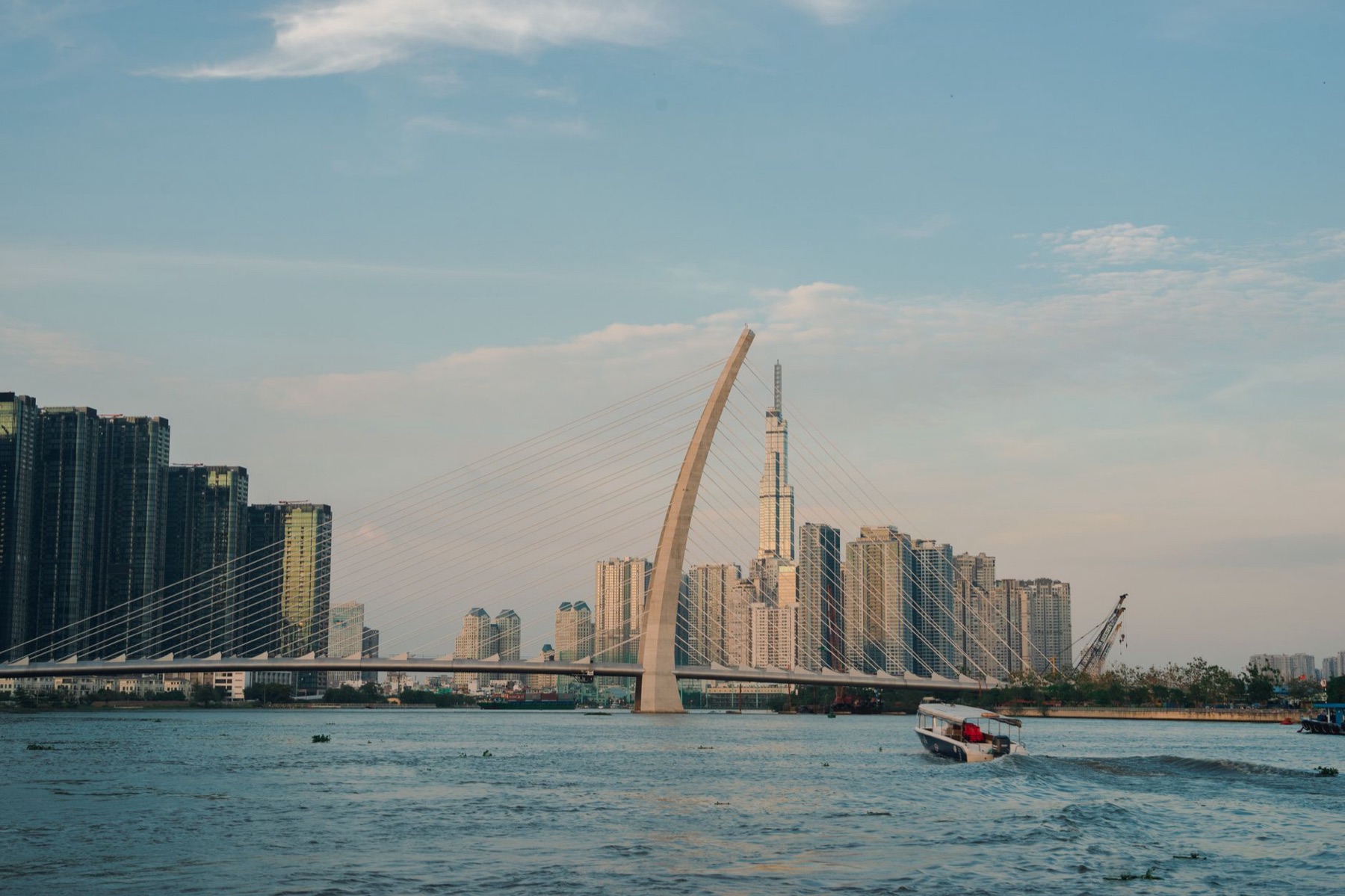
District 1 (downtown): colonial architecture, War Remnants Museum, riverfront hotels, touristy but walkable. Café culture on Bui Vien Street caters to backpackers; quieter spots lie on Ly Tu Trong or Dong Du.
District 3 (Jade Emperor Temple, Tao Đàn Park): leafier, fewer tourists, local life. Parks and galleries mix with residential alleys.
District 4 (Chinatown/Binh Tay): tight, thriving, loud. Markets and noodle shops are authentic; English-speaking staff rare.
District 7 (Phu My Hung): modern, expat-heavy, sleek malls and riverside walks. Quiet; lacks the chaos most visitors seek.
Avoid: Bui Vien Street past 10 p.m. (fake bar scams, overpriced drinks); district 5 at night (poorly lit for solo travelers).
What's genuinely worth buying as a souvenir?
Avoid mass-produced "Vietnam" key chains. Instead:
- Lacquerware (small boxes, trays): quality differs wildly; buy from artisan shops on Hang Trong Street (Hanoi-based but sold in Saigon shops). Around 150,000–500,000 VND ($6–$20 USD) for authentic pieces.
- Embroidered textiles: silk scarves, wall hangings from Binh Tay Market or galleries. Negotiate to 60–70% of opening price.
- Custom photograph gifts: Consider an ao dai photoshoot in Saigon at 📸 Cáo Studio (makeup, hair & styling), then order a personalized star map print or engraved keepsake box capturing the date and location of your trip.
What are the real scams and how do you avoid them?
- Motorbike taxi ("grab bikes") at night: Use Grab app instead; transparent pricing.
- Fake tour operators: Book through your hotel or established agencies (Saigon Tourist, Buffalo Tours). Budget tours under 300,000 VND are usually unreliable.
- Overpriced drinks in tourist bars: Stick to street stalls or hotel venues with printed menus.
- Fake gems/watches in markets: Don't buy stones; stick to textiles or crafts where quality is obvious.
When's the best time to visit?
November–January: cool, dry, best weather (22–28°C). Book accommodation early; prices spike. February–April: warm, humid, occasional rain. Fewer crowds; acceptable. May–October: hot, wet, flood risk in alleys. Typhoons possible September–October. Locals stay indoors; restaurants half-empty. Go only if schedules force it.
How many days do you actually need?
- 1 day: War Remnants Museum, Jade Emperor Temple, street food. Rushed.
- 2 days: Add Ben Thanh Market, riverside walk, rooftop sunset. Better.
- 3 days: Include a day trip (Cu Chi Tunnels or Mekong Delta), explore neighborhoods, sit in cafés. Ideal.
- 4+ days: Overkill unless you're working or deep-diving into districts 4 and 5.
Most visitors combine Saigon with a Ha Long Bay or Mekong Delta extension.
What to check before you buy (souvenirs & gifts)
- Authenticity: Lacquerware should be hand-painted, not printed. Feel the texture.
- Weight & fragility: Markets are crowded; buy gifts only if you can carry or ship directly.
- Shipping: If ordering personalized gifts or prints before travel, allow 2–3 weeks. US delivery is 5–10 days; free over $35 USD. A 30-day smile guarantee covers defects.
- Receipts: Keep them for customs if importing lacquer or textiles.
- Pricing: Halve the first asking price in markets; settle around 60%. Fixed-price shops (malls, official stores) won't negotiate.
🗺️ Plan your route: Vietnam itinerary
---
FAQ
Is it safe to walk around District 1 at night alone?
Mostly safe; petty theft and touts exist but violent crime is rare. Stick to main streets (Dong Khoi, Ly Tu Trong) and avoid alleys after 11 p.m. Avoid Bui Vien Street bars late—overpriced drinks and occasional scams. Use Grab for transport after dark.
How do I get an eSIM or local SIM in Ho Chi Minh City?
Buy at the airport (Viettel, Mobifone, Vinaphone; around 50,000 VND/$2 USD), convenience stores, or order a Vietnam eSIM pre-travel for seamless connectivity. Airport counters take 10 minutes; no haggling needed.
Can I use cash or do I need a credit card?
Carry cash (Vietnamese Dong) for street food and markets; cards work in malls and restaurants. ATMs are everywhere but charge 3–5% foreign fees. Budget 500,000–1,000,000 VND ($20–$40 USD) daily for food, transport, and activities.
Do I need a visa before arriving?
EU, US, UK, Australian, and many other passports get 90-day visa exemption. For longer stays or if unsure, apply for a Vietnam e-visa online (around $25 USD, 3–5 day processing). Check your embassy's current rules.
What should I pack for Saigon?
Light, breathable clothing; strong sunscreen; an umbrella (rain or sun); comfortable walking shoes for markets; and modest layers for temples. A power bank is essential (outlets are sparse in alleys). A personalized travel gift (e.g., custom luggage tag or travel journal) makes the trip feel intentional before you leave.
FAQ
Is it safe to walk around District 1 at night alone?
Mostly safe; petty theft and touts exist but violent crime is rare. Stick to main streets (Dong Khoi, Ly Tu Trong) and avoid alleys after 11 p.m. Avoid Bui Vien Street bars late—overpriced drinks and occasional scams. Use Grab for transport after dark.
How do I get an eSIM or local SIM in Ho Chi Minh City?
Buy at the airport (Viettel, Mobifone, Vinaphone; around 50,000 VND/$2 USD), convenience stores, or order a [Vietnam eSIM](/vietnam/esim) pre-travel for seamless connectivity. Airport counters take 10 minutes; no haggling needed.
Can I use cash or do I need a credit card?
Carry cash (Vietnamese Dong) for street food and markets; cards work in malls and restaurants. ATMs are everywhere but charge 3–5% foreign fees. Budget 500,000–1,000,000 VND ($20–$40 USD) daily for food, transport, and activities.
Do I need a visa before arriving?
EU, US, UK, Australian, and many other passports get 90-day visa exemption. For longer stays or if unsure, apply for a [Vietnam e-visa](/vietnam/visa) online (around $25 USD, 3–5 day processing). Check your embassy's current rules.
What should I pack for Saigon?
Light, breathable clothing; strong sunscreen; an umbrella (rain or sun); comfortable walking shoes for markets; and modest layers for temples. A power bank is essential (outlets are sparse in alleys). A [personalized travel gift](/collections/travel-gifts) (e.g., custom luggage tag or travel journal) makes the trip feel intentional before you leave.
More: Ho Chi Minh City travel guide · Things to do in Ho Chi Minh City