Ho Chi Minh City · Things to do
Top Things to Do in Ho Chi Minh City: Real Guide 2026
By Wander in Vietnam editorial team · Hanoi, Vietnam
What actually makes Ho Chi Minh City worth visiting?
Ho Chi Minh City isn't Hanoi's prettier cousin or a one-day stopover. It's a sprawling, contradictory megacity where 9 million people live compressed into 21 districts, creating pockets of colonial charm, street food genius, and deliberate chaos. The city rewards explorers who ditch the Nguyen Hue Walking Street crowds and spend time in residential areas, forgotten temples, and neighborhood food markets where meals cost around 40,000–80,000 VND ($1.50–$3 USD). We recommend three to four days minimum to sense what the city actually is.
Why is District 1 overrated for first-time visitors?
District 1 (the central business district) is where most guidebooks dump tourists. The War Remnants Museum is genuinely important and worth a half-day visit; the architecture is photogenic; Nguyen Hue Walking Street is busy and overpriced. But spending your entire Ho Chi Minh City time here means you'll miss what makes the city tick. Restaurants in District 1 charge 150,000–300,000 VND ($6–$12 USD) for dishes that cost 50,000–80,000 VND ($2–$3 USD) in working neighborhoods. Avoid: tourist-trap coffee shops claiming "authentic experience," overpriced phở on the walking street, and "cyclo tours" quoted above 200,000 VND ($8 USD). Instead, walk Dong Khoi Street early (6–7 a.m.) before crowds, visit the museum before 10 a.m., then leave.
🗺️ Plan your route: Vietnam itinerary
Where should you actually spend your first two days?
Split time between two anchors: War Remnants Museum (District 1, open 7:30 a.m.–12 p.m., 1–5:30 p.m., closed Mondays; entry around 40,000 VND/$1.50) and Ben Thanh Market (District 1, 6 a.m.–6 p.m.). The museum is heavy but essential; allow 2 hours minimum. Ben Thanh's ground floor is tourist theatre; go upstairs where locals buy fabric, spices, and produce. Eat phở at one of the open stalls inside the market (30,000–40,000 VND/$1–$1.50) rather than a restaurant nearby.
Then move to Binh Tay Market in District 6 (take a taxi or Grab for around 50,000–80,000 VND/$2–$3). This is where wholesale traders and locals actually shop. Get lost in the seafood, dried goods, and produce sections. Eat bánh mì or cơm tấm (broken-rice dishes) at one of the casual stalls for 25,000–35,000 VND ($1–$1.35). No English menus; point and smile.
Neighborhoods to prioritize:
- Tan Binh (District Tan Binh): Residential, zero tourists, food-obsessed. Walk Nguyen Hue Street (different from the walking street), try bánh tráng nướng (grilled rice paper) from street vendors at dusk.
- Go Vap (District Go Vap): Family-run pho shops, banh mi stalls, and noodle places. Food is 30–50% cheaper than District 1. Go for breakfast or lunch.
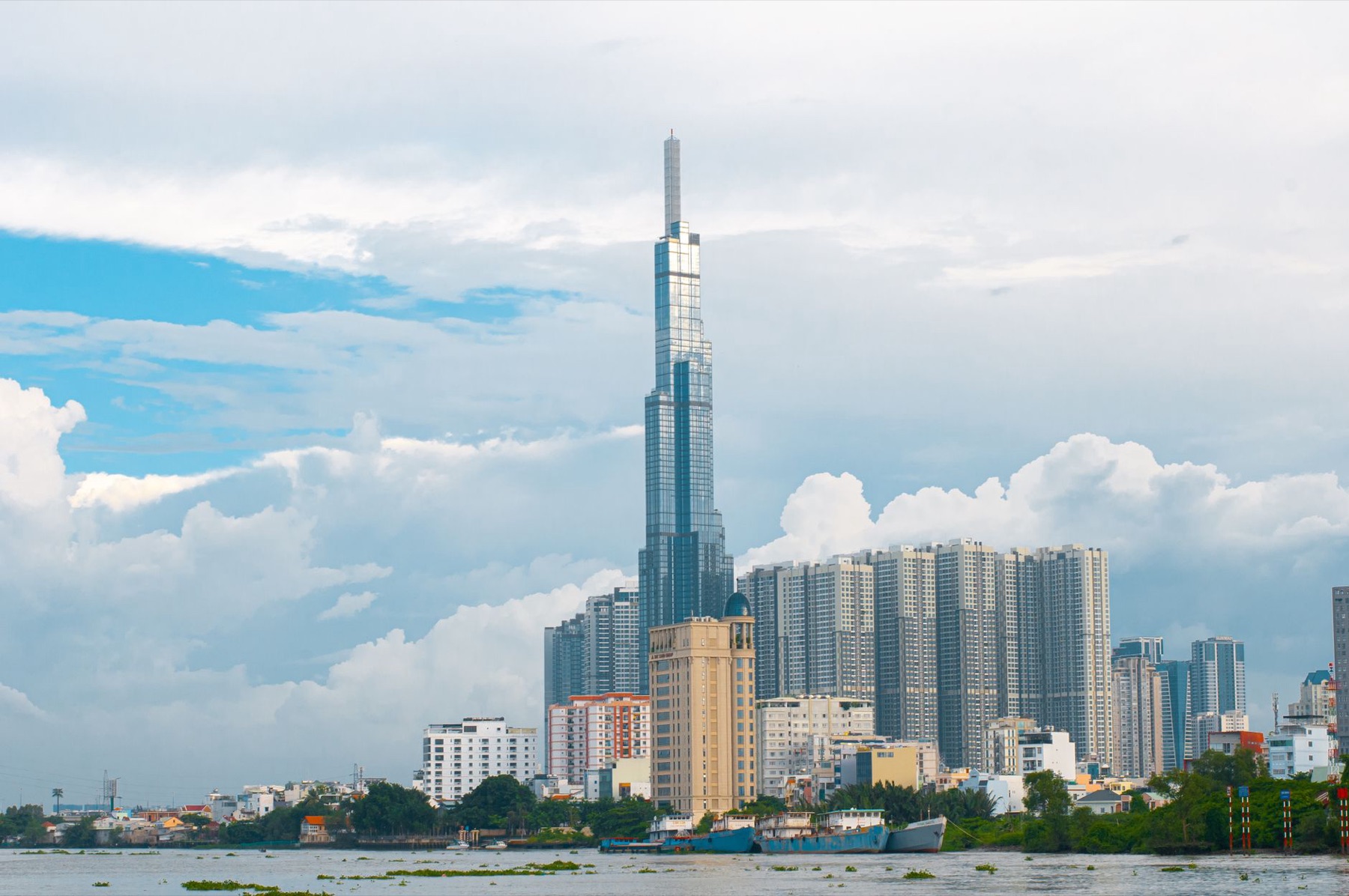
- Binh Thanh (District Binh Thanh): Less chaotic than District 1, old villas, decent cafes, Landmark 81 (the tall building you'll see from everywhere) is here if you want city views for around 200,000 VND ($8 USD).
What cultural sites actually justify your time?
War Remnants Museum (District 1): Heavy, important, necessary. Arrive early, 2 hours minimum. Avoid peak hours (11 a.m.–1 p.m., 2–4 p.m.).
Jade Emperor Pagoda (District 1, small entry donation): Cramped, atmospheric, active Buddhist site. Locals come to pray; tourists come for photos. Early morning (before 9 a.m.) is quieter. Free but bring 10,000–20,000 VND in cash if you light incense.
Notre-Dame Cathedral (District 1): Exterior is the photo, interior often closed. Go at dawn for light. Free.
Reunification Palace (District 1): Guided tours only, around 60,000 VND ($2.50 USD), 30 minutes. Interesting if you care about Cold War history; easy to skip.
Tao Đàn Park (District 1): Where locals do tai chi at 5–6 a.m. Free, authentic, good for photos if you're respectful. Go early, leave by 7 a.m. before it's hot.
📸 Book an ao dai photoshoot in Hanoi or Saigon (Cáo Studio)

How do you avoid scams and tourist traps?
| Trap | What happens | How to avoid |
|---|---|---|
| Cyclo overcharging | Quoted 200,000 VND, driver demands 500,000 after | Use Grab app, walk, or negotiate firmly in VND upfront |
| Restaurant bill shock | "Special" price added to phở or iced coffee | Eat at stalls with visible prices (posted or on signage) |
| Fake guides offering "private tour" | Leads to gem/silk shops with 300% markup | Decline unsolicited offers; book tours through your hotel or Grab |
| Coffee shops claiming "authentic Hanoi vibes" (sic) | Tourist trap in District 1 charging 80,000 VND for mediocre coffee | Make your own or visit local cafes in Tan Binh, Go Vap; coffee there costs 15,000–25,000 VND |
| Motorbike taxi ("xe ôm") from airport | No meter, open negotiation = overcharge | Pre-arrange Grab or use official taxi desk in airport terminal |
Real strategy: Download Grab (Southeast Asia's Uber), use it for all transport, get comfortable saying "không" (no), eat where other Vietnamese people eat, avoid English menus posted outside.
🎟️ Compare tours & tickets for this place
What should you take home that actually means something?
Forget mass-market souvenirs. We recommend:
Áo dài (traditional silk tunic): Get a custom fitting and photoshoot in Saigon through Cáo Studio's professional ao dai service. Costs 1–2 million VND ($40–$80 USD) for a full-day experience with makeup, styling, and portraits. You wear it during the shoot, keep the photos forever, and can order a finished garment afterward.
Coffee: Buy single-origin Vietnamese beans from a local roaster in District 1 or 3. Expect around 150,000–250,000 VND ($6–$10 USD) per 200g bag. Brands like Cà Phê Vợt or Mê Trang are trusted. Coffee shops will pack for travelers; no weight penalty in luggage.
Lacquerware or wood carvings: Ben Thanh Market's upper floors have unfinished pieces at real prices. Finished items in tourist shops are 2–3× markup. Lacquerware trays or boxes run 50,000–200,000 VND ($2–$8 USD) unfinished; finished pieces 200,000–500,000 VND ($8–$20 USD).
Embroidery or fabric: Binh Tay Market, second floor, fabric stalls. Meters of silk or cotton embroidery 30,000–80,000 VND ($1.20–$3.20 USD). You can have a local tailor make a small bag or scarf. Budget 200,000–400,000 VND ($8–$16 USD) including materials and labor.
Honey or spices: Spice stalls inside Ben Thanh or Binh Tay. Fresh turmeric, lemongrass, star anise 10,000–20,000 VND per kilo ($0.40–$0.80 USD). Honey from Mekong Delta, sealed bottles 80,000–150,000 VND ($3–$6 USD).
Books: Saigon Books (District 1, Nguyen Hue Walking Street area) stocks English-language Vietnam histories and fiction. Around 80,000–200,000 VND ($3–$8 USD) per title.
These personal gift collections are more meaningful than airport-duty-free and cost far less.
📸 Book an ao dai photoshoot in Hanoi or Saigon (Cáo Studio)
What's the honest one-day itinerary if you have limited time?
6:00 a.m. — Wake up, eat phở or bánh mì at a street stall near your hotel (30,000–40,000 VND/$1–$1.50).
7:00 a.m. — Walk Tao Đàn Park, watch locals do tai chi, photograph the colonial villas nearby.
9:00 a.m. — War Remnants Museum (arrive early, 2 hours, 40,000 VND/$1.50). Grab taxi to go.
12:00 p.m. — Lunch at Ben Thanh Market food stalls or a random phở place in District 1 (40,000–60,000 VND/$1.50–$2.50).
1:30 p.m. — Jade Emperor Pagoda or Notre-Dame Cathedral exterior + quick neighborhood walk (District 1 back alleys between Nguyen Hue and the Saigon River).
3:00 p.m. — Grab to Binh Tay Market (District 6) or Tan Binh neighborhood. Wander, buy a souvenir or snack (cơm tấm/broken-rice plate 35,000 VND/$1.35).
5:00 p.m. — Return to District 1, sit at a café or riverside restaurant. Watch the city cool down. Dinner 80,000–150,000 VND ($3–$6 USD) at a mid-range spot.
7:00 p.m. — Walk to Saigon River at dusk if energy remains. Grab home by 8 p.m.
Realism check: Don't try to cram more. The city heat, humidity, and noise demand rest. A good second day lets you explore a neighborhood deeply (Go Vap or Tan Binh), eat multiple times, and absorb instead of rushing.
What to check before you book or buy:
- Flights & e-visa: Ensure your Vietnam e-visa is approved before you buy tickets. Processing takes 2–3 business days online.
- eSIM connectivity: Get a local Vietnam eSIM before you arrive for Grab, maps, and hostel booking apps. Saves buying a SIM card on arrival.
- Accommodation: Book near a Grab-accessible location (most hotels are). Avoid tiny alleys where taxis can't enter.
- Weather: October–February is cool and dry. May–September is wet and hot. Bring rain gear and quick-dry clothes.
- Cash: ATMs are everywhere. Withdraw 2–3 million VND ($80–$120 USD) on arrival. Most small stalls, markets, and taxis need cash.
- Food safety: Eat where other locals eat. Hot food prepared in front of you is safe. Street stalls with high turnover are safer than expensive restaurants claiming "authentic."
---
Looking for more Vietnam context? Explore our Ho Chi Minh City guide for deeper neighborhood breakdowns, or plan a multi-city trip combining Hanoi, Hoi An, Ha Long Bay, and other destinations. If you're heading north, check our Hanoi guide, Sapa, and Ninh Binh resources.
FAQ
Is three days enough for Ho Chi Minh City?
Yes, if you skip the tourist theater. Two days for War Remnants Museum, markets, and district exploration; one day for a neighborhood deep-dive or day trip to Cu Chi Tunnels (1–2 hours north). Four days is better and less rushed. Don't feel obligated to stay longer; the city doesn't improve with exhaustion.
Should I take a tour or explore alone?
Explore alone. Walking, using Grab, and eating at local stalls is cheaper and more authentic. Tours lock you into crowds, markup prices, and remove the joy of getting lost. Exception: Cu Chi Tunnels require a guide and vehicle; book through your hotel or a reputable agency (avoid street touts).
How much should I budget per day?
Budget around 500,000–1,000,000 VND ($20–$40 USD) daily if you eat street food, use Grab, and stay in a mid-range hostel. Tourist-trap restaurants and activities (dinner in District 1, paid tours, shopping malls) double that. Street food is 25,000–60,000 VND ($1–$2.50 USD) per meal; a sit-down lunch 80,000–150,000 VND ($3–$6 USD).
What's the best time to visit?
October–January is ideal: cool, dry, low humidity. February–April is warm but manageable. May–September is wet, hot (32–35°C/90–95°F), and sticky. Typhoon season (September–November) can bring rain but rarely shuts the city down.
Is it safe to walk around alone at night?
Yes, mostly. Stick to populated areas (District 1, Binh Thanh, Tan Binh main streets), use Grab or official taxis after dark, avoid displaying expensive jewelry or cameras, and watch for motorbike snatchers (rare but real on empty side streets). Women traveling alone report feeling safe, especially in groups or well-lit areas.
FAQ
Is three days enough for Ho Chi Minh City?
Yes, if you skip the tourist theater. Two days for War Remnants Museum, markets, and district exploration; one day for a neighborhood deep-dive or day trip to Cu Chi Tunnels (1–2 hours north). Four days is better and less rushed. Don't feel obligated to stay longer; the city doesn't improve with exhaustion.
Should I take a tour or explore alone?
Explore alone. Walking, using Grab, and eating at local stalls is cheaper and more authentic. Tours lock you into crowds, markup prices, and remove the joy of getting lost. Exception: Cu Chi Tunnels require a guide and vehicle; book through your hotel or a reputable agency (avoid street touts).
How much should I budget per day?
Budget around 500,000–1,000,000 VND ($20–$40 USD) daily if you eat street food, use Grab, and stay in a mid-range hostel. Tourist-trap restaurants and activities (dinner in District 1, paid tours, shopping malls) double that. Street food is 25,000–60,000 VND ($1–$2.50 USD) per meal; a sit-down lunch 80,000–150,000 VND ($3–$6 USD).
What's the best time to visit?
October–January is ideal: cool, dry, low humidity. February–April is warm but manageable. May–September is wet, hot (32–35°C/90–95°F), and sticky. Typhoon season (September–November) can bring rain but rarely shuts the city down.
Is it safe to walk around alone at night?
Yes, mostly. Stick to populated areas (District 1, Binh Thanh, Tan Binh main streets), use Grab or official taxis after dark, avoid displaying expensive jewelry or cameras, and watch for motorbike snatchers (rare but real on empty side streets). Women traveling alone report feeling safe, especially in groups or well-lit areas.
More: Ho Chi Minh City travel guide · Things to do in Ho Chi Minh City