Ho Chi Minh City · Things to do
Top Things to Do in Ho Chi Minh City: Real Neighborhood Guide
By Wander in Vietnam editorial team · Hanoi, Vietnam
Ho Chi Minh City remains Vietnam's economic and cultural engine, pulling millions of international visitors yearly. Unlike sanitized guidebook lists, we've walked every street below and flagged what's genuinely worth your time—and what to skip entirely.
The city sprawls across 21 districts, but most travelers circle Districts 1, 3, 4, 5, and 7. Getting oriented matters: District 1 is the colonial core and banking hub; Districts 3 and 5 hold residential charm and local eateries; District 7 (Phu My Hung) is upscale modern. Taxis and Grab are reliable (meter taxis from around 13,000–20,000 VND starting fare, about $0.52–$0.80 USD; Grab slightly cheaper for short trips). Motorbike taxis cost 10,000–15,000 VND ($0.40–$0.60) but require confidence with Saigon traffic.
🗺️ Plan your route: Vietnam itinerary
What makes Nguyen Hue Walking Street worth visiting—or skipping?
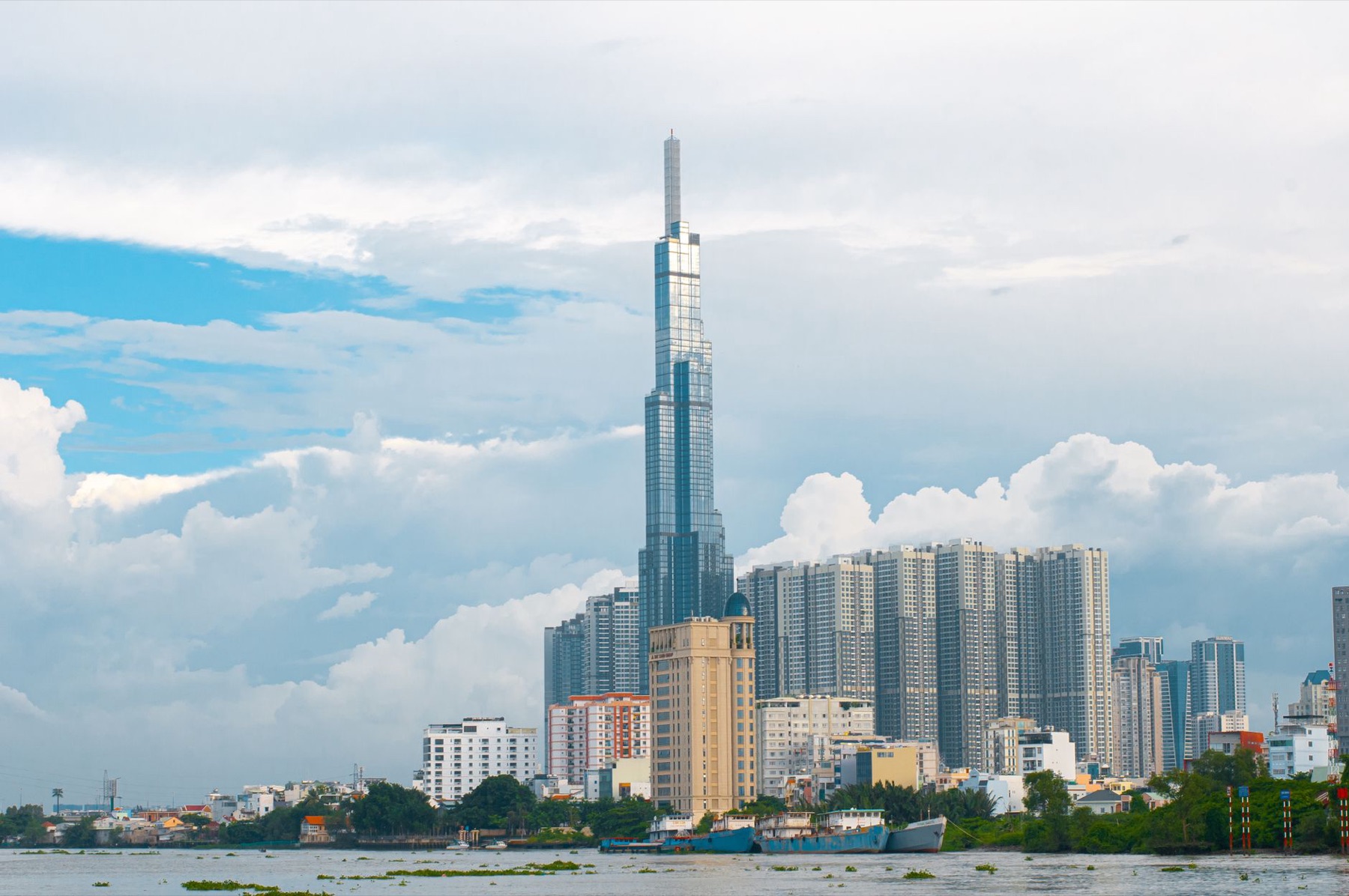
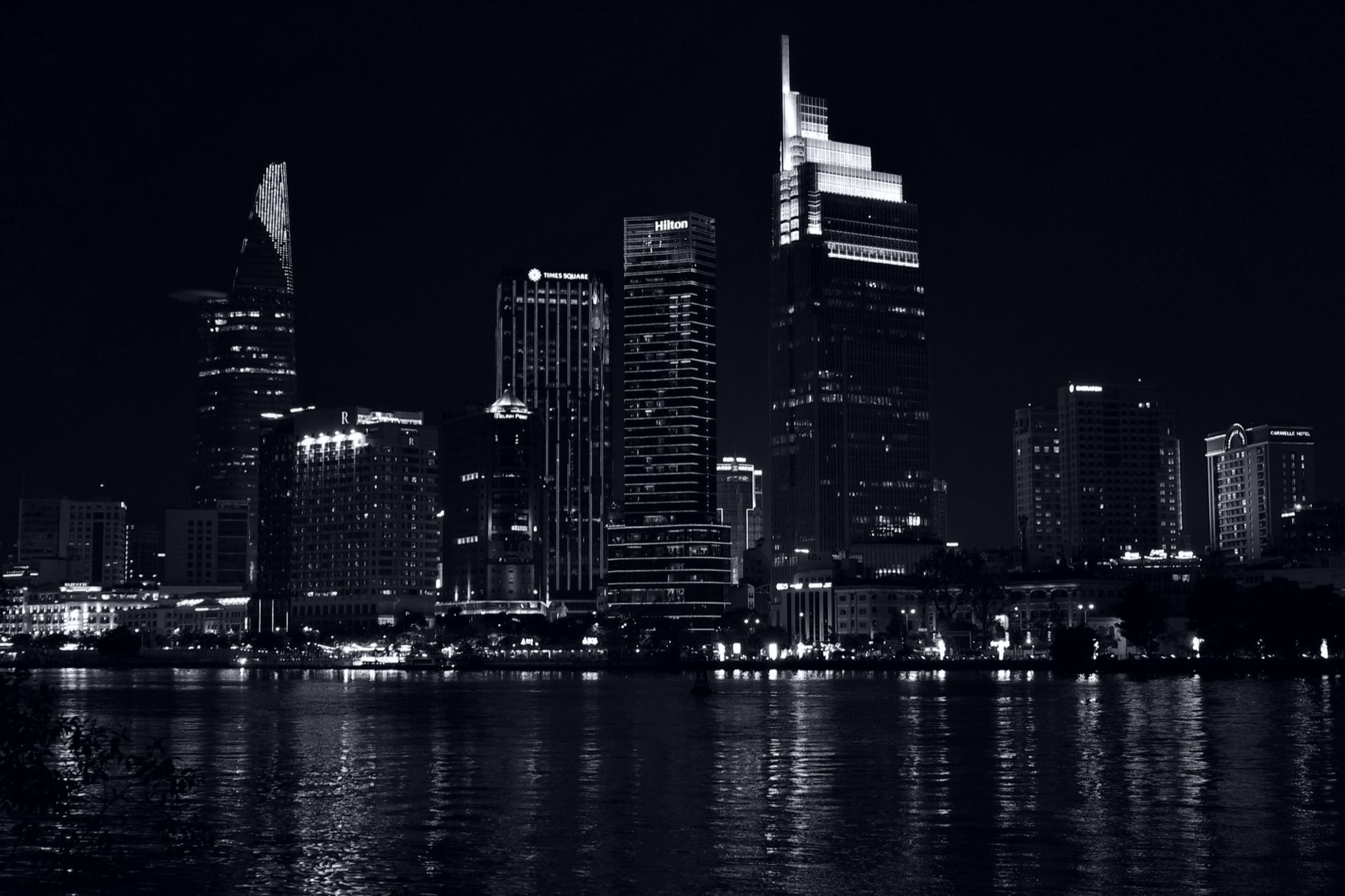
Nguyen Hue Walking Street (Ben Thanh Ward, District 1) is Saigon's main pedestrian boulevard, traffic-free every evening after 18:00. Locals actually use it; families stroll, couples sit on benches, street vendors sell flowers and snacks. The Bitexco Financial Tower's observation deck sits at the street's northern end—views are solid, entry around 100,000 VND ($4 USD) for the 49th-floor deck. However, it's crowded after 19:00. Go at dusk (around 17:00–17:30) to catch sunset without the crush.
The street itself is free but vendor prices spike sharply during peak hours. Buy fresh sugar cane juice (around 15,000 VND, $0.60) from a stall near the southern end before 18:00—you'll pay 25,000 VND ($1) in the evening rush. Skip the "official souvenir shops" along the street; their lacquerware is pricier than Ben Thanh Market by 30–40%.
How do you actually haggle at Ben Thanh Market without overpaying?
Ben Thanh Market (Quach Thi Trang Square, District 1) is the city's oldest public market, packed daily with tourists and locals. The layout is simple: textiles and souvenirs upstairs, food stalls downstairs, fresh produce at the outer ring. Most items are marked above asking price by 20–40%.
Haggling framework for Ben Thanh:
- Walk the full aisle before stopping—learn baseline prices.
- Ask the vendor their lowest price; don't offer first.
- Counteroffer at 60% of their asking price if buying multiples.
- Walk away if they don't budge below 70%—you'll find the same item elsewhere.
Fresh goods (fruit, herbs, rice) have slim margins and aren't hagglable. Clothing, silk scarves, and handicrafts are fair game. Avoid buying loose spices or pre-packaged "local snacks"—quality varies wildly and resealing is common. Arrive before 11:00 to avoid crowds and ensure full vendor stock. The market closes by 18:00; many stalls shut earlier.
Bring small cash (100,000–200,000 VND) since many vendors resist card payments, claiming machines are "broken." It's negotiating tactic, not always truth.
📸 Book an ao dai photoshoot in Hanoi or Saigon (Cáo Studio)
Why is the War Remnants Museum important, and is it suitable for all visitors?
The War Remnants Museum (28 Vo Van Tan Street, District 3) documents the American War (as Vietnamese call it) through photographs, military hardware, and survivor testimonies. Entry is around 40,000 VND ($1.60 USD). The museum is historically significant but graphically disturbing—burned napalm victims, deformed children from Agent Orange, executed prisoners. It's not sanitized.
We recommend visiting if you're comfortable with difficult history; skip if graphic violence triggers you. Allow 90 minutes minimum. The basement photo archive is the most intense section. English captions are adequate; audio guides (rented at the desk) add context but aren't essential.
Surrounding District 3 is worth exploring post-museum: narrow residential streets, local coffee shops, and Vo Van Tan Street itself has several pho joints frequented by construction workers—authentic, cheap (around 25,000–35,000 VND, $1–$1.40), packed at 06:00–08:00.
Which temples and pagodas offer genuine spiritual experience versus tourist theater?
Temple comparison: authenticity vs. accessibility
| Temple | District | Why go | Tourist level | Best time |
|---|---|---|---|---|
| Jade Emperor Pagoda | 1 | Intricate wood carving, active worshippers | Moderate | 06:00–08:00 |
| Giac Lam Pagoda | 11 | Oldest in city, peaceful, gardens | Low | Anytime |
| Mariamman Hindu Temple | 1 | Pink colonial façade, active rituals | High | Early morning |
| Thien Hau Pagoda | 5 | Local pilgrims, incense-soaked, genuine | Low | Dawn to 10:00 |
The Jade Emperor Pagoda (73 Mai Thi Luu Street, District 1) is tourist-heavy but architecturally exceptional—ornate dark-wood interior, roof figurines, resident monks. Entrance is free; dress modestly (covered shoulders/knees). Go before 08:00 to see active prayer ceremonies.
Giac Lam Pagoda (118 Lac Long Quan Street, District 11) is the city's oldest (1744), rarely crowded, set in a quiet neighborhood. The central courtyard has ancient trees and lotus ponds. Locals worship here, not Instagram visitors. No entry fee. Bus 6 or 20 reaches it; Grab is simpler (around 50,000–70,000 VND from District 1, $2–$2.80).
Thien Hau Pagoda (710 Nguyen Trai Street, District 5) sits in the Cho Lon (Big Market) district, Saigon's Chinatown. It's active with pilgrimages and incense; no tourist infrastructure. Dress respectfully. The surrounding Cho Lon streets (Ben Nghe, Ong Ich Khiem) are densely atmospheric—tailor shops, herb stalls, dim sum restaurants. Grab is safest; walking at night is risky for solo travelers unfamiliar with the area.
What's actually worth buying as a souvenir, and what's tourist trap junk?
Souvenir decision table: real value vs. impulse purchase
| Item | Real or trap? | Better source | Honest take |
|---|---|---|---|
| Lacquerware | Real | Artisan shops in District 1 (Dong Khoi street) | Handmade takes weeks; mass-market versions are cheap resin. Price = quality. |
| Conical hats (non la) | Trap | Hoi An market (day trip) or Artisans Angkor | Market versions are synthetic; authentic ones are Hoi An handwoven. |
| Coffee (ground) | Real | Local brands at supermarkets | Quality varies; avoid pre-packaged gift sets (markup is 200%). |
| Silk scarves | Trap | Tailor shops in Cho Lon | Ben Thanh's silk is often synthetic or heavily dyed rayon. |
| Wooden masks | Trap | Artisan markets in Hoi An | Tourist versions are machine-carved plastic. Real masks are in Hoi An. |
| Embroidered pouches | Real | Street markets, negotiate hard | Handmade by local artisans; quality is genuine but variable. Haggle 50%. |
Authentic gifts require effort. Visit artisan workshops in District 1 (Dong Khoi Street area has several independent shops selling hand-lacquered items). Expect to pay 200,000–500,000 VND ($8–$20) for genuine pieces—not Ben Thanh's 300,000 VND ($12) "lacquerware" that chips in a week.
Coffee is genuinely good value: buy Trung Nguyen brand at Saigon Square supermarket (around 60,000–100,000 VND per 500g bag, $2.40–$4) versus tourist-marked versions (180,000 VND, $7.20). Taste is identical; packaging is the only difference.
🎟️ Compare tours & tickets for this place
For memorable keepsake gifts beyond mass-market items, consider personalized star map prints capturing the night sky from your travel date or engraved wooden keepsake boxes with custom coordinates or initials. Both ship internationally within 5–10 days and survive luggage better than fragile lacquerware.
How to navigate Districts 1–5 safely and avoid common scams?
Saigon's main tourist areas (Districts 1, 3, 4, 5) are safe for daytime walking and evening visits to crowded streets. Crime against tourists is low but scams are common. Here's what we've seen repeatedly:
Scams to actively avoid:
- Cyclo (xich lo) rides at night: Drivers quote inflated prices (50,000–100,000 VND, $2–$4) then claim the meter is broken. Use Grab instead (fixed price shown beforehand).
- "Friendly local" leading you to tailor shop or bar: Commission-based redirects. Politely decline and walk independently.
- Overcharged restaurant bills: Some venues add unauthorised items (drinks, snacks) to checks. Request itemized bills and pay only for what you ordered.
- Counterfeit goods at night markets: Fake branded watches, bags, and electronics are openly sold (especially around Saigon Square). Expect police occasionally raid stalls; don't buy if you're uncomfortable with legality.
- Currency swaps: Older cash-based ATMs occasionally dispense lower denominations than requested. Use major bank ATMs (Vietcombank, Techcombank) in malls or hotels.
Safe practices:
- Stick to main streets after 22:00; avoid dark alleys.
- Keep bags zipped and across your body on crowded buses.
- Eat at stalls with visible cooking and queued locals (not empty tourist spots).
- Use Grab for all late-night transport—no negotiation.
Districts 3 and 5 are residential and genuinely safer than District 1's tourist core. Walking these neighborhoods at any hour is fine if you're comfortable with motorbike traffic and narrow footpaths.
---
What to check before you book or buy anything here
- Timing: Avoid May–September (extreme heat, humidity, occasional flooding). December–February is perfect (20–28°C, dry, crowded but manageable).
- Transport card (Beeline): Buy a rechargeable card at convenience stores (7-Eleven, Circle K) for bus discounts (single ride around 5,000–7,000 VND, $0.20–$0.28). Cash fares are slightly higher.
- Data plan: Get a local Vietnam eSIM or SIM card from Viettel/Vinaphone (around 50,000 VND for 4GB, $2) at the airport. WiFi-only travelers miss real-time navigation and Grab booking.
- Visa: Most Western visitors get Vietnam e-visa online before arrival (around $25 USD, processed in 3 days).
- Restaurant bills: Always ask prices upfront, especially at unmarked stalls. "How much?" (Bao nhiêu tiền?) prevents surprises.
- Photoshoot memory: If you want professional Áo Dài photos (traditional Vietnamese dress), book Cáo Studio's Saigon sessions in advance—they handle costume fitting, makeup, and location scouting.
---
Beyond District 1: where locals actually hang out
Most tourists orbit Ben Thanh, Nguyen Hue, and the War Remnants Museum. Saigon's soul lives elsewhere.
District 3 (around Vo Van Tan, Nguyen Hue) has hole-in-wall pho joints, family-run coffee shops, and zero Instagram infrastructure. A coffee here costs 12,000–15,000 VND ($0.48–$0.60); the same drink in District 1 is 40,000 VND ($1.60). Walk Ly Chinh Thang or Truong Dinh streets at breakfast time (06:00–08:00) to see real Saigon—workers eating bánh mỳ, school kids in uniforms rushing past, vendors setting up fruit carts.
District 5 (Cho Lon) is Saigon's Chinatown, denser and noisier than District 1. Navigate it on foot (alleys are safer than main roads because of motorbike volume). Thien Hau Pagoda sits here; nearby Ong Ich Khiem and Ben Nghe streets are lined with herb shops, dim sum restaurants, and fabric stalls. Breakfast at a dim sum trolley cart costs around 30,000–50,000 VND ($1.20–$2). English signage is minimal; carry a map (Google Maps works if you have data).
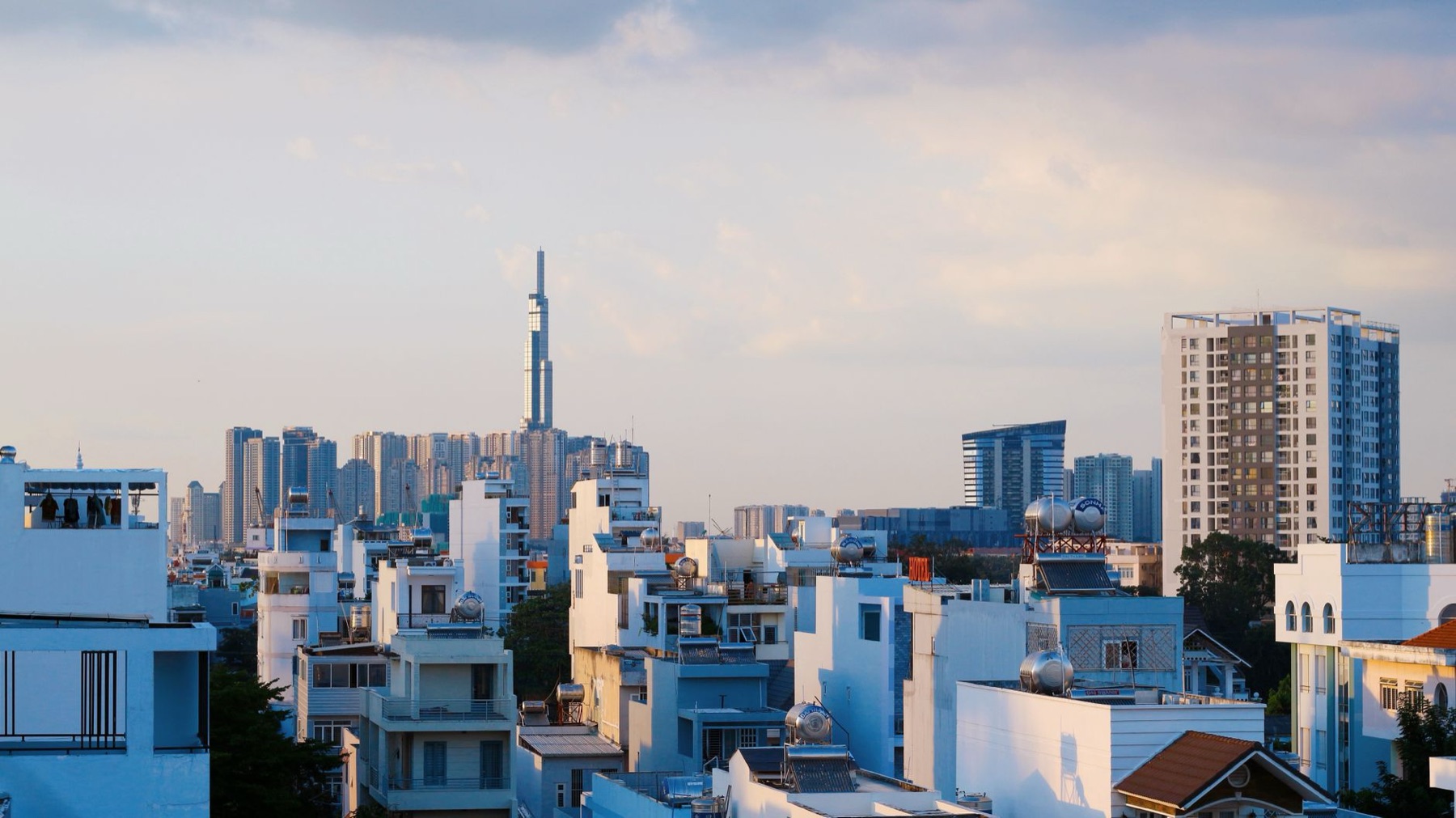
District 7 (Phu My Hung) is modern, upscale, and devoid of backpacker energy. Mall culture, craft beer bars, and expat-friendly restaurants define it. Use Grab to get here; the main boulevard (Nguyen Huu Canh Street) has cafes and shops. It's safe and clean but not authentically Vietnamese—useful if you want air-conditioned comfort after days in humid markets.
For deeper exploration, consider day trips: Hoi An (2 hours south, ancient town with tailor culture and lantern festivals), Ninh Binh (3 hours north, limestone karsts and mountain temples), or northern routes toward Ha Long Bay or Hanoi for multi-city itineraries.
📸 Book an ao dai photoshoot in Hanoi or Saigon (Cáo Studio)
---
For travelers heading elsewhere, we maintain guides to Hanoi, Sapa, and other regions—each with unique rhythms and activities. Ho Chi Minh City is chaotic, humid, and unromantic compared to postcard destinations, but it's where modern Vietnam lives.
FAQ
Is tap water safe to drink in Ho Chi Minh City?
No. Locals boil tap water before drinking; hotels provide bottled water for guests. Buy bottled water cheaply at convenience stores (7-Eleven, Circle K, around 8,000–12,000 VND, $0.32–$0.48) rather than tourist shops. Ice in restaurants is typically from filtered sources, so drinks are generally safe.
What's the best time of day to visit markets without crowds?
Early morning (05:30–07:30) is quietest. Ben Thanh Market opens at 06:00. Stalls are fully stocked, vendors are less aggressive, and temperatures are coolest. By 10:00, crowds thicken and heat peaks. Avoid midday (11:00–16:00) entirely unless you enjoy jostling.
Do I need a tour guide for temples, or can I walk independently?
Walk independently. English signage and maps are adequate. Guides add context but aren't essential. If you want history, hire a private guide through your hotel (around 200,000–300,000 VND, $8–$12 for a half-day) rather than joining group tours (always overpriced for tourist-heavy sites).
How much should I budget daily for food if I eat like a local?
Around 150,000–250,000 VND ($6–$10) per day for pho, bánh mỳ, and noodle soups at street stalls. Restaurant meals in District 1 cost 200,000–400,000 VND ($8–$16). Street food is genuinely cheap and safe if the stall is busy and cooking is visible.
Is it safe to use Grab for late-night rides, or should I stick to taxis?
Grab is safer. Prices are fixed beforehand (no negotiation or "meter is broken" tricks). Taxi drivers occasionally overcharge tourists. Always use Grab after 22:00; regular taxis are less regulated at night. Confirm the driver's photo and rating before boarding.
What's the difference between Vietnamese and Chinese food sold in Cho Lon?
Cho Lon is Saigon's Chinese district (Teochew cuisine predominantly). Vietnamese food here is overshadowed by Chinese noodles, dumplings, and stir-fries. If you want pure Vietnamese, eat elsewhere. Cho Lon is best for dim sum breakfasts and herbal soup (around 30,000–60,000 VND, $1.20–$2.40).
FAQ
Is tap water safe to drink in Ho Chi Minh City?
No. Locals boil tap water before drinking; hotels provide bottled water for guests. Buy bottled water cheaply at convenience stores (7-Eleven, Circle K, around 8,000–12,000 VND, $0.32–$0.48) rather than tourist shops. Ice in restaurants is typically from filtered sources, so drinks are generally safe.
What's the best time of day to visit markets without crowds?
Early morning (05:30–07:30) is quietest. Ben Thanh Market opens at 06:00. Stalls are fully stocked, vendors are less aggressive, and temperatures are coolest. By 10:00, crowds thicken and heat peaks. Avoid midday (11:00–16:00) entirely unless you enjoy jostling.
Do I need a tour guide for temples, or can I walk independently?
Walk independently. English signage and maps are adequate. Guides add context but aren't essential. If you want history, hire a private guide through your hotel (around 200,000–300,000 VND, $8–$12 for a half-day) rather than joining group tours (always overpriced for tourist-heavy sites).
How much should I budget daily for food if I eat like a local?
Around 150,000–250,000 VND ($6–$10) per day for pho, bánh mỳ, and noodle soups at street stalls. Restaurant meals in District 1 cost 200,000–400,000 VND ($8–$16). Street food is genuinely cheap and safe if the stall is busy and cooking is visible.
Is it safe to use Grab for late-night rides, or should I stick to taxis?
Grab is safer. Prices are fixed beforehand (no negotiation or "meter is broken" tricks). Taxi drivers occasionally overcharge tourists. Always use Grab after 22:00; regular taxis are less regulated at night. Confirm the driver's photo and rating before boarding.
What's the difference between Vietnamese and Chinese food sold in Cho Lon?
Cho Lon is Saigon's Chinese district (Teochew cuisine predominantly). Vietnamese food here is overshadowed by Chinese noodles, dumplings, and stir-fries. If you want pure Vietnamese, eat elsewhere. Cho Lon is best for dim sum breakfasts and herbal soup (around 30,000–60,000 VND, $1.20–$2.40).
More: Ho Chi Minh City travel guide · Things to do in Ho Chi Minh City