Ho Chi Minh City · Things to do
Top Things to Do in Ho Chi Minh City Vietnam: Honest 2026 Guide
By Wander in Vietnam editorial team · Hanoi, Vietnam
Ho Chi Minh City is Vietnam's most energetic hub—a blend of colonial history, street food culture, and modern chaos. We've mapped the must-see sites and hidden corners where locals actually spend their time.
What's Worth the Hype vs. What's Overrated?
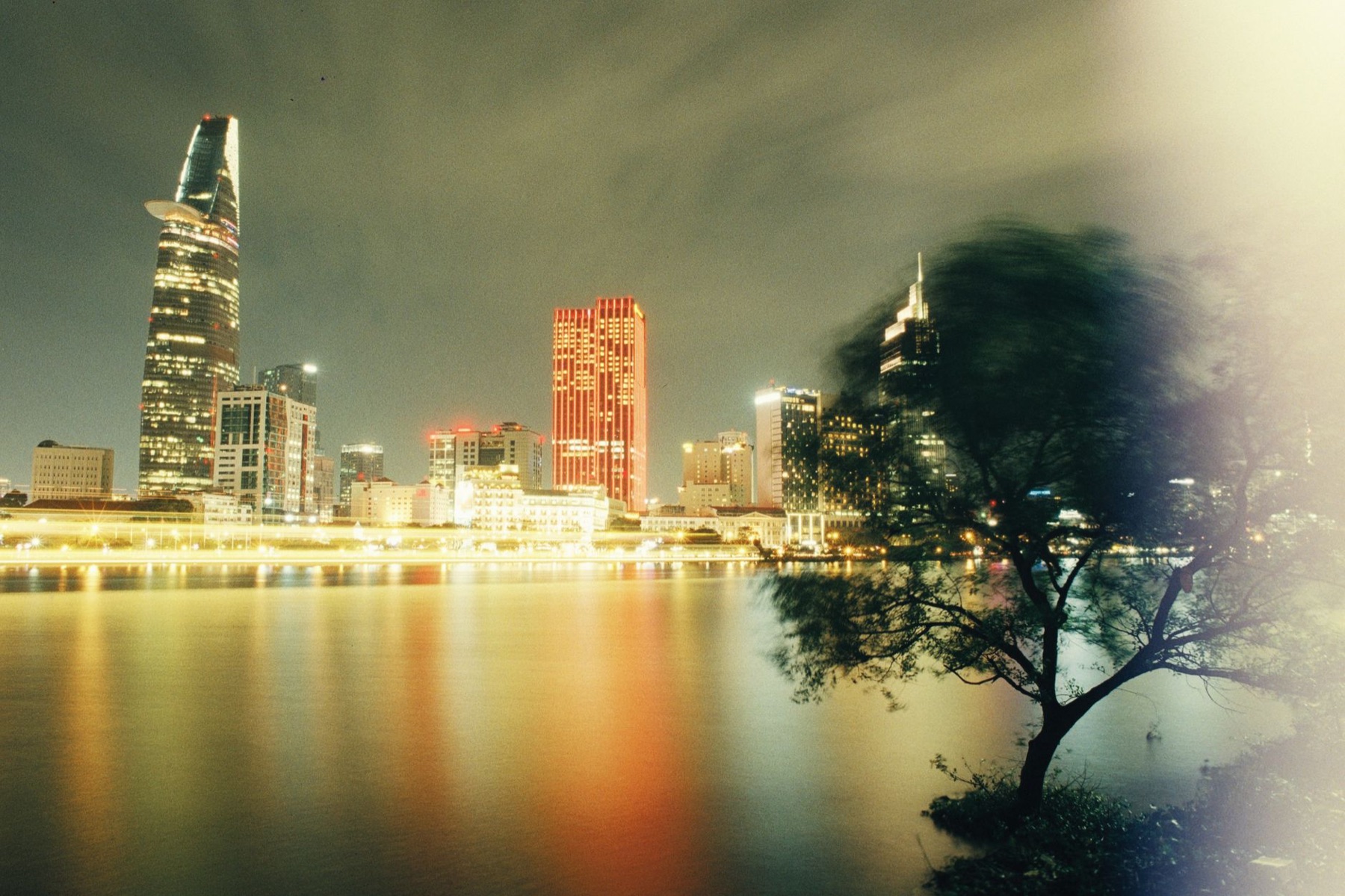
War Remnants Museum (23 Vo Van Tan, District 3) genuinely matters—confronting and historic. Admission around 40,000 VND (~$1.60 USD). Ben Thanh Market feels touristy at peak hours, but go early (6–8 am) and it's real: vendors, produce, lacquerware. Bitexco Financial Tower observation deck costs around 200,000 VND (~$8 USD) but queues are brutal midday. Skip it if you're short on time; the view isn't radically different from a café rooftop. Reunification Palace (135 Nguyen Hue Boulevard, District 1) is historically significant but feels sterile unless you book a guided tour (around 40,000 VND). 🗺️ Plan your route: Vietnam itinerary
Which Neighbourhoods Should You Actually Explore?
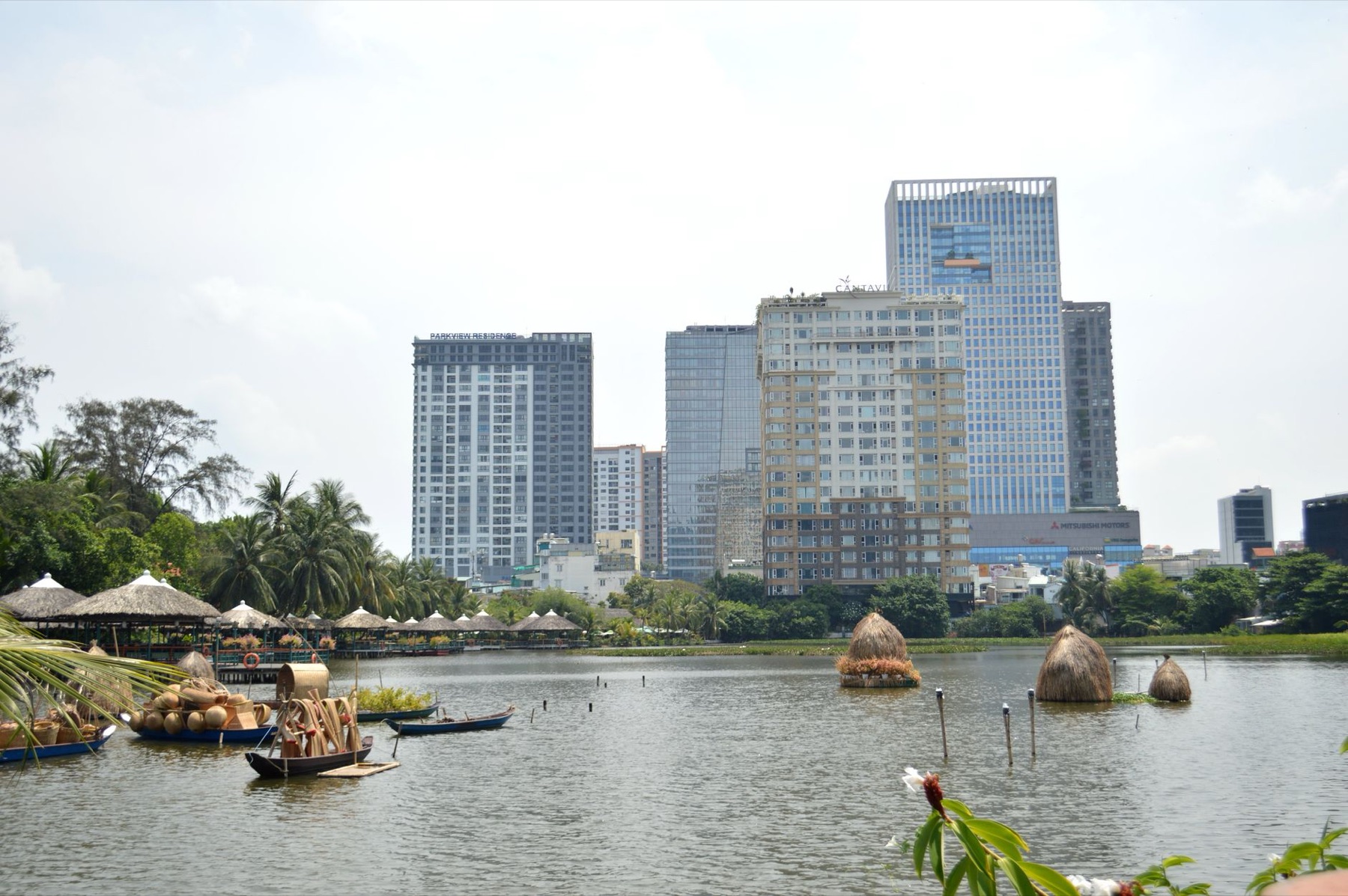
District 1 (Dong Khoi area): Colonial buildings, upmarket dining, Ben Thanh Market. Busiest, most touristy, but unavoidable for history.
District 3: War Remnants Museum, Tan Dinh Church (Dong Du Street), quieter cafés. Fewer crowds than District 1.
Thao Dien (District 2): Art galleries, craft breweries, modern Vietnamese restaurants, expat hubs. Best for afternoon wandering and dinner; 15 minutes taxi from District 1 (around 50,000–80,000 VND / $2–3.20 USD).
District 7 (Phu My Hung): New financial district with parks, riverside walks, upmarket shopping malls. Less "Vietnam feel" but good if you need modern comfort and want to escape tourist crowds.
District 4 (Pham Ngu Lao area): Backpacker strip, cheap beer, late-night street food. Chaotic but authentic nightlife and pubs packed until midnight.
What Are the Real Costs & Best Times to Visit?
Seasonality: October–November is peak (coolest, driest). December–February is still pleasant but busier. May–September is hot, humid, and rainy—fewer tourists, better deals.
Daily budget breakdown:
- Street meal (com tam, pho, banh mi): 15,000–30,000 VND (~$0.60–1.20 USD)
- Museum entry: 40,000–80,000 VND (~$1.60–3.20 USD)
- Taxi/Grab ride across city: 50,000–150,000 VND (~$2–6 USD)
- Café coffee: 20,000–60,000 VND (~$0.80–2.40 USD)
- Restaurant meal (mid-range local): 80,000–200,000 VND (~$3.20–8 USD)
Book tours (Saigon River cruises, Cu Chi Tunnels half-day trips) 1–2 days ahead through your hotel or verified platforms—don't book from street touts.
Which Scams & Traps Should You Avoid?
Cyclo touts at Ben Thanh Market: Agree a fare upfront (around 200,000–300,000 VND / $8–12 USD for 30 min). Meters don't exist; they'll overharge.
"Friendly" locals on Nguyen Hue Walking Street: Offering tea, motorbike tours, or tailoring. Politely refuse; it's a bait for overcharging or theft.
Fake cycad plants & fake jade at markets: Sellers target tourists. If buying souvenirs, stick to established lacquerware shops on Dong Khoi or organized night markets.
Restaurant bill padding: Check prices on menu before ordering. Some tourist-trap restaurants add "service charges" that aren't disclosed.
Taxi without meter: Always use Grab app (ride-hailing, pre-set fare) or insist on a metered taxi. Unmetered taxis will overcharge by 30–50%.
If you're buying keepsakes to bring home, consider engraved keepsake boxes or personalized prints as souvenirs that won't occupy luggage space.
How Many Days Should You Actually Spend Here?
3 days (minimum): War Remnants Museum (half-day), Ben Thanh Market (morning), Dong Khoi walk, Reunification Palace. One evening: Saigon River cruise or District 4 street food tour.
5 days (ideal): Add day trip to Cu Chi Tunnels (2–3 hours away, budget around 300,000–500,000 VND / $12–20 USD for half-day tour including transport). Explore Thao Dien galleries and cafés. Spend one full evening on street food crawl (Nguyen Hue Food Tour or self-guided: Pham Ngu Lao → Ben Thanh → back alleys near Tan Dinh Church).
Comparison: Attractions by Type & Time
| Attraction | Best For | Duration | Cost (VND) | Real Talk |
|---|---|---|---|---|
| War Remnants Museum | History buffs | 2–3 hrs | ~40,000 | Essential; emotionally heavy; guides help |
| Ben Thanh Market | Food & souvenirs | 1–2 hrs | Free entry, ~200k food | Go before 9 am; peak = chaos |
| Bitexco Tower | City views | 45 min | ~200,000 | Nice but overrated; rooftop cafés cheaper |
| Reunification Palace | Architecture & history | 1 hr (guided) | ~40,000 | Cold if you self-guide; tours recommended |
| Saigon River Cruise | Sunset & evening | 2–3 hrs | 300k–500k | Touristy but atmospheric; book ahead |
| Thao Dien District | Art, crafés, dining | 3–4 hrs | Varies | Trendy; less "Vietnam" but excellent food |
| Cu Chi Tunnels (day trip) | WWII history | 5–6 hrs total | 300k–500k (tour) | Intense; book through hotels, not street vendors |
🎟️ Compare tours & tickets for this place
Where Should You Eat & Sleep by Neighbourhood?
District 1 (Dong Khoi): Expensive; safe; walking distance to museums and markets. Budget hotels from ~400,000 VND/night (~$16 USD); mid-range ~800,000–1.2M VND / $32–48 USD. Food is upmarket and touristy.
District 3: Quieter than District 1; good mid-range options (600,000–900,000 VND / $24–36 USD/night). Street food is authentic; cafés are chill.
Thao Dien (District 2): Hipster hangout; trendy restaurants (craft burgers, Italian, modern Vietnamese) cost 150,000–400,000 VND (~$6–16 USD). Hotels mid-range to luxury. Good for 1–2 nights if you want to escape chaos.
District 4 (Pham Ngu Lao): Backpacker prices; budget hotels 200,000–400,000 VND (~$8–16 USD/night). Noisy (bars until 2 am), young crowd, authentic street food.
District 7 (Phu My Hung): Modern, safe, quiet; 15 min taxi to District 1. Hotels from ~600,000 VND (~$24 USD) to luxury. Less character, but good for families or those who want order.
What to Check Before You Go
- Internet: Buy a local eSIM at airport or order before travel. WiFi exists but unreliable outside major hotels.
- Visa: Check if you need a Vietnam e-visa (most nationalities do).
- Cash vs. cards: ATMs everywhere; Grab/ride-hailing apps work with debit cards. Carry cash for markets and small vendors.
- Opening hours: Museums close Mondays; confirm on Google Maps before visiting (hours vary).
- Rainy season (May–September): Afternoon downpours are brief; carry an umbrella, not a raincoat.
- Footwear: Streets are chaotic; comfortable shoes essential. Flip-flops okay for evenings only.
If you're planning a multi-city trip, start with our Hanoi guide or Hoi An guide to piece together a full itinerary. 📸 Book an ao dai photoshoot in Hanoi or Saigon (Cáo Studio)
Ho Chi Minh City rewards slow wandering—the real discoveries happen in narrow alleys, at unmarked pho stalls, and in conversations with cyclo drivers. Skip the overhyped rooftop bars, go early to markets, and eat where locals eat. You'll leave with better stories than photos.
FAQ
Is Ho Chi Minh City safe for solo travellers?
Yes; theft and violent crime are rare. Street harassment is mild (touts, taxis). Use Grab instead of street taxis, avoid walking alone after midnight in District 4, and keep valuables hidden. Millions of solo travellers visit annually without incident.
How many days is enough for Ho Chi Minh City?
Three days covers main sights; five days lets you explore neighbourhoods like Thao Dien and take a day trip to Cu Chi Tunnels. Seven days feels luxury but you'll repeat yourself.
What's the best way to get around—Grab, taxi, or cyclo?
Grab app (ride-hailing) is safest, cheapest, and most reliable. Taxis are fine if metered and reputable (Vinasun, Mai Linh). Cyclos are tourist experiences, not transport—agree fares upfront.
Should I book tours in advance or on the street?
Book through your hotel or verified platforms (ToursByLocals, Klook). Street vendors often overprice or run low-quality tours. Cu Chi Tunnels and river cruises especially warrant pre-booking.
What currency and payment methods should I use?
Vietnamese Dong (VND). Bring cash (ATMs are reliable); credit cards work in restaurants and hotels. Grab accepts debit cards. Markets, street food, and small vendors are cash-only.
Is tap water drinkable?
No. Drink bottled water (20,000 VND per 1.5L bottle at any shop) or filtered water from hotels. Ice in street-food drinks is generally safe if it looks clear.
What's the dress code for temples and museums?
Cover shoulders and knees. War Remnants Museum has no strict code, but respectful dress (pants/skirt below knee, shirt with sleeves) is polite. Shoes must be removed at pagodas.
FAQ
Is Ho Chi Minh City safe for solo travellers?
Yes; theft and violent crime are rare. Street harassment is mild (touts, taxis). Use Grab instead of street taxis, avoid walking alone after midnight in District 4, and keep valuables hidden. Millions of solo travellers visit annually without incident.
How many days is enough for Ho Chi Minh City?
Three days covers main sights; five days lets you explore neighbourhoods like Thao Dien and take a day trip to Cu Chi Tunnels. Seven days feels luxury but you'll repeat yourself.
What's the best way to get around—Grab, taxi, or cyclo?
Grab app (ride-hailing) is safest, cheapest, and most reliable. Taxis are fine if metered and reputable (Vinasun, Mai Linh). Cyclos are tourist experiences, not transport—agree fares upfront.
Should I book tours in advance or on the street?
Book through your hotel or verified platforms (ToursByLocals, Klook). Street vendors often overprice or run low-quality tours. Cu Chi Tunnels and river cruises especially warrant pre-booking.
What currency and payment methods should I use?
Vietnamese Dong (VND). Bring cash (ATMs are reliable); credit cards work in restaurants and hotels. Grab accepts debit cards. Markets, street food, and small vendors are cash-only.
Is tap water drinkable?
No. Drink bottled water (20,000 VND per 1.5L bottle at any shop) or filtered water from hotels. Ice in street-food drinks is generally safe if it looks clear.
What's the dress code for temples and museums?
Cover shoulders and knees. War Remnants Museum has no strict code, but respectful dress (pants/skirt below knee, shirt with sleeves) is polite. Shoes must be removed at pagodas.
More: Ho Chi Minh City guide · Things to do in Ho Chi Minh City