Ho Chi Minh City · Things to do
Top things to do in Saigon Vietnam: insider guide 2026
By Wander in Vietnam editorial team · Hanoi, Vietnam
Ho Chi Minh City—still called Saigon by many residents—sits at the delta's heart, blending colonial grandeur, French villas, Buddhist temples, and relentless motorbike energy. Most visitors spend 3–5 days here. We've tested the core attractions and side streets to separate genuine must-sees from tourist theatre. Here's how to spend your time.
Which museums matter, and which drain hours?
The War Remnants Museum in District 1 is heavy, necessary, and unavoidable if you care about 20th-century Vietnamese history. Arrive before 9:00 a.m. or after 2:00 p.m. to dodge school groups. Expect 2–3 hours. The exhibits on Agent Orange, photography, and weaponry are sobering and direct—not softened for comfort. Entry costs around 40,000 VND (~$1.60 USD).
The Reunification Palace (Independence Palace) sits a short walk away. Tours run hourly and require guides; the 1960s interiors feel preserved in amber, but the 45-minute experience often feels rushed. Skip if short on time.
The HCMC Museum (Hôn Chứng) covers city evolution across three floors—ceramics, royal regalia, modern photographs. Less crowded than War Remnants. Entry ~30,000 VND (~$1.20 USD). Worth a morning if museums appeal to you; locals rarely visit.
📸 Book an ao dai photoshoot in Hanoi or Saigon (Cáo Studio)
Where do locals actually eat breakfast and lunch?
District 3's pho lanes—between Nguyễn Hữu Cảnh and Tôn Thất Tuyết streets—serve the best bowls in the city. Open 6:00–11:00 a.m. Order phở bò (beef). Cost: around 35,000–50,000 VND (~$1.40–2.00 USD) per bowl. Arrive early; the best stalls close by 10:30 a.m.
Bún riêu (mud crab noodle soup) shines at small vendors clustered near Bến Thành Market's back alleys. 7:00–11:00 a.m. window. Around 45,000 VND (~$1.80 USD).
Ben Thanh Market itself (Chợ Bến Thành) remains a tourist draw but serves real food if you navigate past souvenir stalls. Ground floor: fresh produce, herbs, meat. Basement: ready-to-eat dishes. Lunch 11:00 a.m.–1:30 p.m. Best for coffee, bánh mì, and sticky rice parcels, not a full meal sit-down.
Cho Lon (District 5) holds the city's largest food scene. Arrive hungry: bánh chưng (square sticky rice), grilled snails on Trần Hưng Đạo Street, and medicinal brews. Weekday mornings feel less touristy. Budget 80,000–150,000 VND (~$3.20–6.00 USD) for a sampling tour.
🗺️ Plan your route: Vietnam itinerary
| Dish | Where | Cost (VND) | Cost (USD) | Why try it |
|---|---|---|---|---|
| Phở bò | District 3 lanes | 35,000–50,000 | $1.40–2.00 | Best pho in city; locals only |
| Bánh mì | Ben Thanh Market | 20,000–35,000 | $0.80–1.40 | Quick, authentic, cheap |
| Bún riêu | Market back alleys | 45,000 | $1.80 | Iconic crab soup; morning only |
| Cơm tấm | Cho Lon | 40,000–60,000 | $1.60–2.40 | Broken rice, grilled pork; lunch staple |
| Cà phê trứng | Any phở stall | 25,000–40,000 | $1.00–1.60 | Egg coffee; invented in Hanoi, perfected here |
What colonial and cultural walking routes avoid the crowds?
District 1's French Quarter stretches between Tôn Đức Thắng (riverside) and Nguyễn Hữu Cảnh. Yellow shutters, 1920s shophouses, tree-lined pavements. Most tourists cluster around Saigon Notre-Dame Cathedral and the Central Post Office; skip the vendor mobs there. Instead, walk quieter blocks: Hàm Nghi (north of Dong Khoi Street), Lý Tự Trọng, and Nguyễn Đình Chiểu. Entire loop: 1–2 hours.
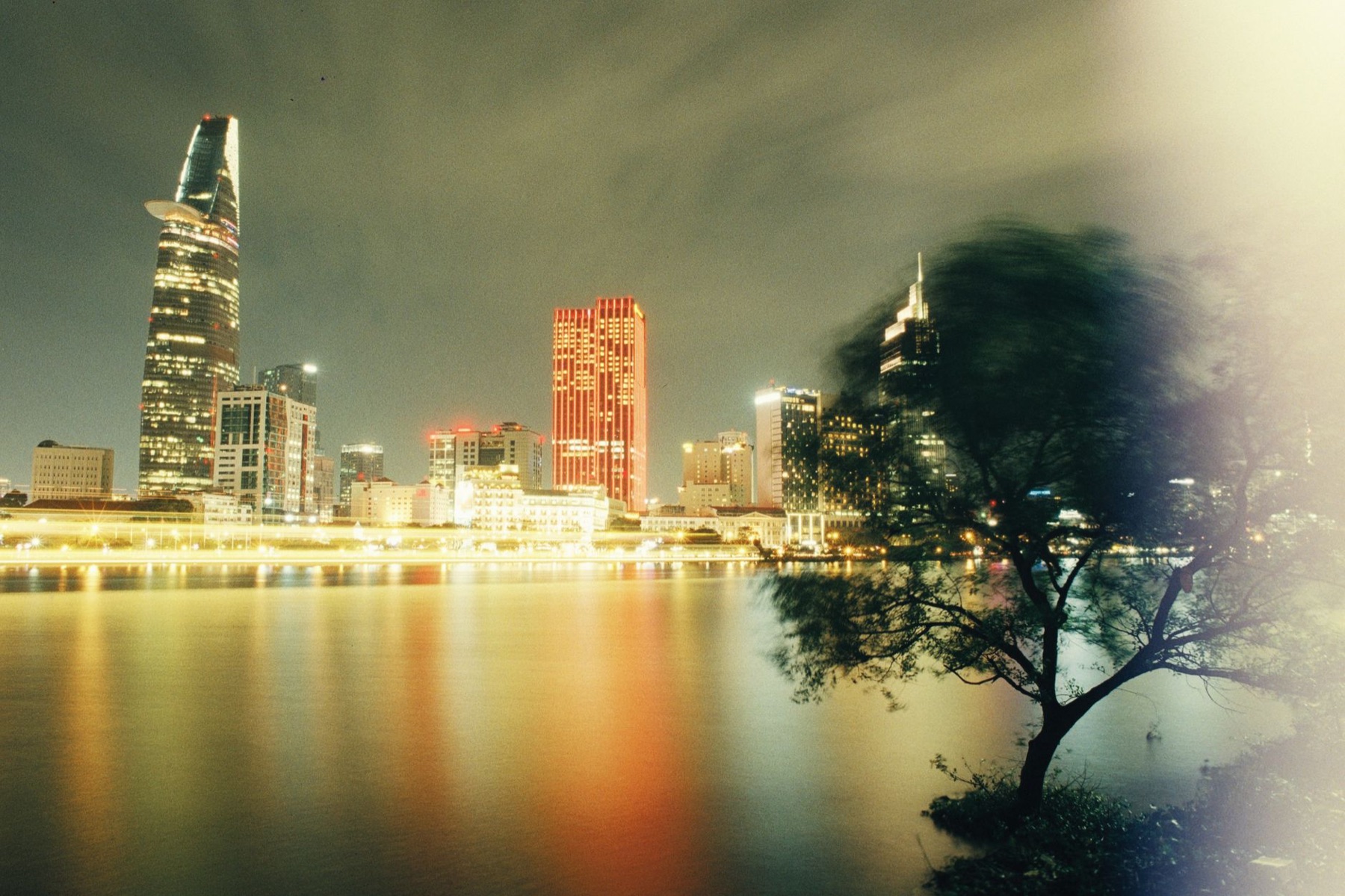
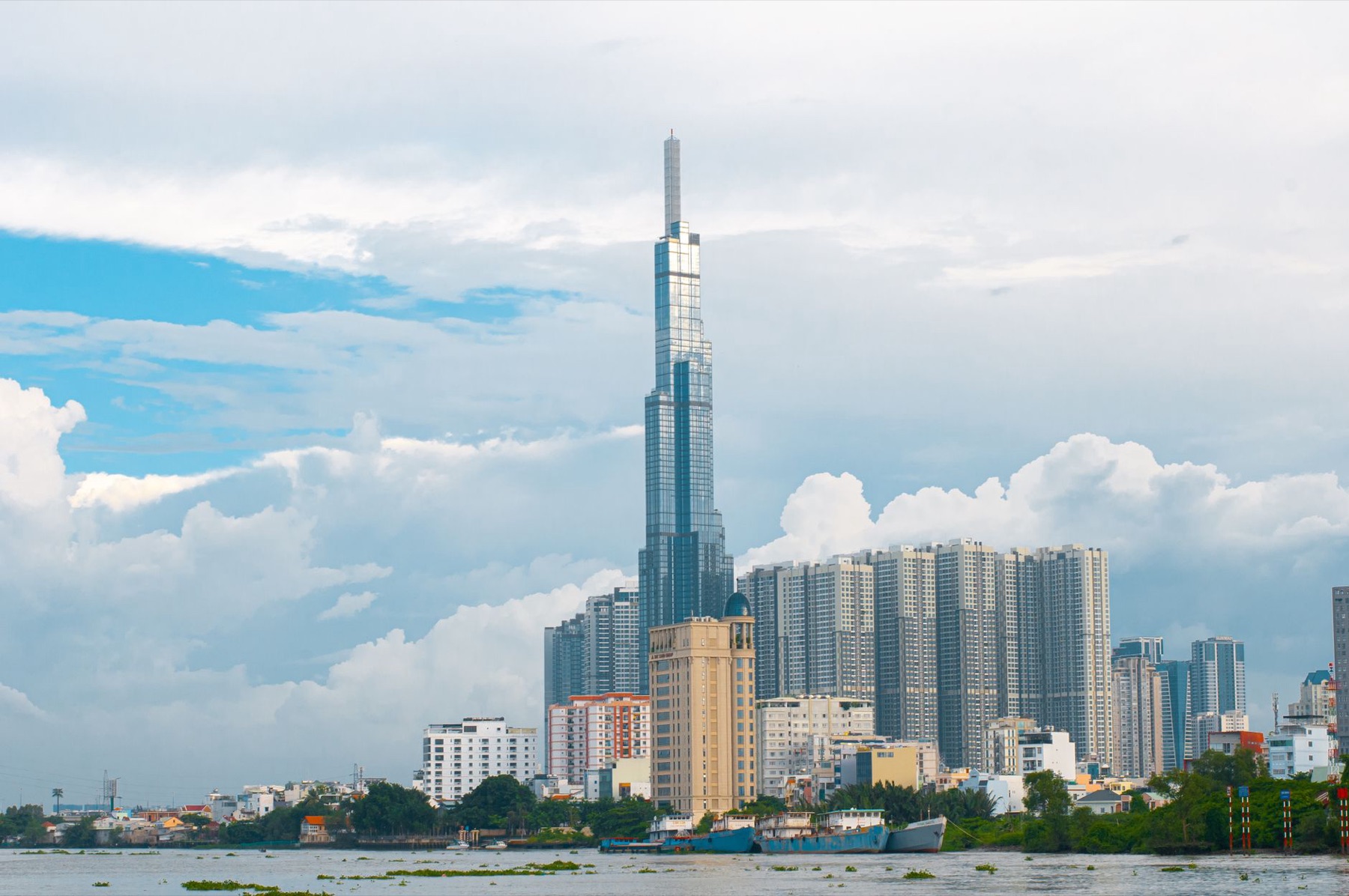
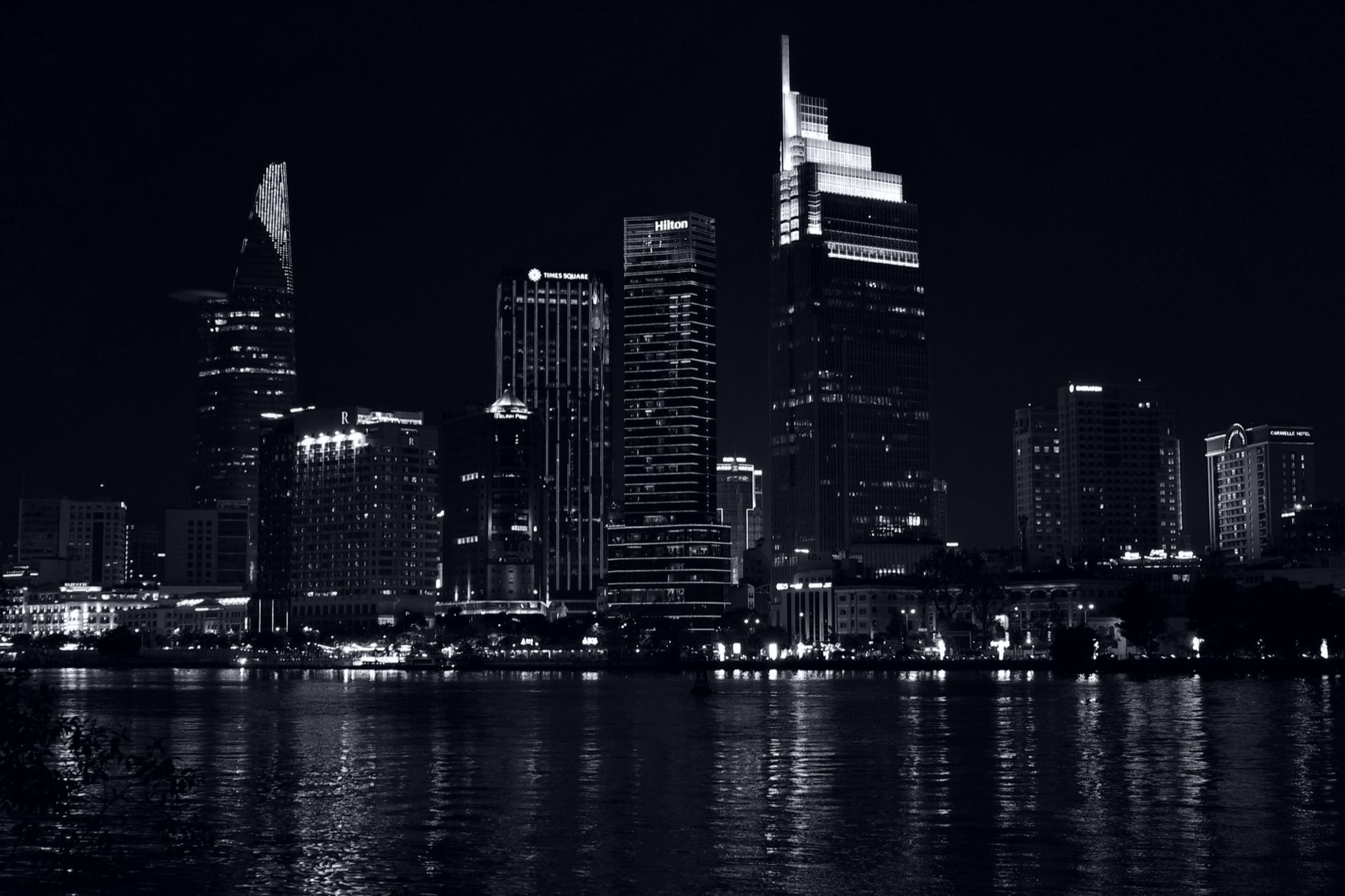
Bitexco Financial Tower (88 floors, Nguyễn Huệ Boulevard) offers paid observation decks. Entry ~80,000–120,000 VND (~$3.20–4.80 USD). Sunset views over the Saigon River and Distrito 1 rooftops beat ground-level walks. Book online; queues peak 5:00–6:30 p.m.
Tao Đàn Park (District 1, Ngô Tất Tố Street) is where locals do tai chi, play badminton, and sit on benches before dawn. No entry fee. Mornings 5:30–8:00 a.m. capture the real rhythm of Saigon life. Foreign visitors are rare. Excellent for a slow coffee alongside park-goers.
Cho Lon's temples—Thiên Hậu Temple (highest concentration of incense, District 5, Nguyễn Trãi Street)—require no entry fee but respectful dress (shoulders and knees covered). Open 8:00 a.m.–5:00 p.m. daily. Quietest at midday. Locals pray; tourists gawk. Arrive respectfully or skip.
🎟️ Compare tours & tickets for this place
Are day trips worth the time and cost?
Cái Bè Floating Markets (Tiền Giang Province, ~70 km south) require early starts: 4:30 a.m. departures, 8-hour tours, around 250,000–400,000 VND (~$10–16 USD) per person via group tour. Motorboat rides through produce-laden sampans. Markets peak 6:00–8:00 a.m.; afternoon crowds dilute the experience. Worth one morning if you love water and food; skip if tight on time.
Cù Chi Tunnels (30 km northwest) offer historical depth but feel Disney-fied: ziplines, shooting ranges, souvenir shops. Real tunnels are cramped and damp. 4–5 hour tours ~200,000–350,000 VND (~$8–14 USD). Combine with local village homestay meals for authenticity. Avoid peak midday hours.
Vùng Tàu Beach (120 km southeast, 2-hour drive) attracts local weekend crowds. Sand is coarse, water warm, food excellent. Best as an overnight escape, not a same-day dash.
Skip Mekong Delta homestays as day trips; they're exhausting, touristy, and lose character when rushed. Instead, book a Ha Long Bay multi-day cruise or explore Ninh Bình mountains from Hanoi as part of a broader Vietnam itinerary.
How do you avoid scams and stay safe?
Taxi and Grab: Use Grab app (ride-hailing) whenever possible; traditional taxis often overcharge. Grab fares are transparent upfront. Around 30,000–80,000 VND (~$1.20–3.20 USD) for short rides.
Money and ATMs: Vietcombank and BIDV ATMs are reliable. Withdraw 2–3 million VND (~$80–120 USD) at a time to avoid repeated fees. Never exchange money with street dealers.
Gem and silk shops on Dong Khoi Street: Tourist traps. Prices inflated 300–500%. Ignore persistent touts. Buy textiles at fabric markets (Biên Hòa, outside the city) or from design shops in District 3 (Thảo Điền area) where locals shop.
Cyclo and motorbike taxis: Agree prices before boarding. Non-metered rides invite negotiation disputes. Most journeys cost 40,000–100,000 VND (~$1.60–4.00 USD).
Fake goods and counterfeit meds: Widespread in markets. Stick to licensed pharmacies. Download the Vietnam eSIM app before arrival for offline maps and translation; data helps identify scams.
Petty theft on crowded streets: Keep bags zipped. Thieves work Ben Thanh Market, Bitexco tower queues, and night-time bar zones (Bùi Viện Street, District 1). Move with purpose; don't display phones or cameras openly.
What should you pack to enhance your Saigon stay?
A lightweight ao dai or traditional dress elevates photos and opens cultural doors. Many temples and formal dinners welcome traditional garb. Cáo Studio in Saigon offers full ao dai photoshoots with makeup and hair styling—the perfect keepsake from your trip.
Consider engraved keepsake boxes or star map prints of your travel dates as gifts for friends or memory markers. These thoughtful items remind visitors of specific moments: sunset at Bitexco, a morning at Tao Đàn Park, or a first phở sunrise.
| Gift Type | Who it's for | Why it works | Shop |
|---|---|---|---|
| Engraved keepsake box | Travellers | Stores memories; compact; handmade | Collections |
| Star map print (Saigon date) | Romantics | Captures sky on arrival/departure night | Collections |
| Ao dai photoshoot & album | Instagram makers | Professional, memorable, wearable art | Collections |
| Silk scarf (local artisan) | Fashion-focused | Quality; lightweight; local support | Market buys |
🎟️ Compare tours & tickets for this place
What to check before you buy or book
Before booking tours:
- Verify group size (small groups ~8–10 people beat large coach tours for experience and flexibility).
- Confirm pick-up location and time; many hotels charge extra for early or remote spots.
- Ask if meals are included; street-food tours often exclude drinks and snacks.
- Check cancellation windows (48–72 hours standard); refund policies vary wildly.
Before visiting temples or cultural sites:
- Dress code: shoulders, knees covered. Temples close during prayers (noon–1:00 p.m. often).
- Photography: ask permission; some inner sanctums ban photos.
- Timing: mornings (6:00–9:00 a.m.) and late afternoons (4:00–5:30 p.m.) are quietest.
Before buying souvenirs:
- Check origin: fake goods flood markets. Ask vendors directly; authentic makers usually have stories.
- Prices: negotiate at markets, but not at established shops (fixed prices signal legitimacy).
- Weight and shipping: large fragile items rarely survive postal shipping. Choose compact, breakable-resistant gifts.
Before eating street food:
- Busy stalls = fresh stock and high turnover (safer). Avoid empty vendor spots at midday.
- Stomach acclimatisation: ease into local food; your gut needs 2–3 days.
- Hydration: carry bottled water; tap water isn't tourist-safe for drinking.
---
We've tested these routes and attractions across seasons. Saigon rewards unhurried exploration—backstreet wandering reveals more than any guidebook. Combine Ho Chi Minh City's core attractions with Hanoi's heritage or Ha Long Bay's limestone karsts for a fuller Vietnam experience. Use your Vietnam eSIM for offline navigation and real-time feedback from locals (translation apps work well once connected).
---
FAQ
How many days should I spend in Ho Chi Minh City?
3–4 days covers War Remnants, colonial architecture, food tours, and a day trip. 5+ days lets you revisit neighbourhoods, take cooking classes, and explore less-touristy areas. Weekend timing means Tao Đàn Park and Cho Lon feel slower and more authentic.
Is tap water safe to drink in Saigon?
No. Hotels provide bottled or filtered water; always drink bottled outside. Ice in drinks is risky; avoid it at street stalls. Your stomach needs 2–3 days to adjust to local food anyway. Drink plenty of coconut water, cà phê (coffee), and herbal tea instead.
What's the best time of year to visit Ho Chi Minh City?
November to March (cool and dry). April to October is hot, humid, and rainy; dengue fever peaks July–September. Humidity often exceeds 90% May–September. Plan walking tours for early mornings year-round.
How do I get from Tan Son Nhat Airport to District 1?
Grab (app-based taxi) costs ~120,000–180,000 VND (~$4.80–7.20 USD); takes 30–60 minutes depending on traffic. Airport bus 152 (to Ben Thanh) costs ~10,000 VND (~$0.40 USD) but slower. Avoid traditional taxis at arrivals; drivers overcharge tourists.
Can I haggle at Ben Thanh Market, and how much should I expect to save?
Yes, but sparingly. Souvenirs and handicrafts allow 10–20% negotiation; food vendors rarely budge. Start at 70% of asking price for textiles or antiques. Locals pay less because they visit repeatedly. Single-purchase tourists should expect minimal discounts unless buying multiple items.
Is it safe to walk around Saigon at night?
Yes, major streets and Districts 1 and 3 are safe after dark. Avoid Bùi Viện Street (bar zone, petty theft), riverside paths late-night, and travelling alone visibly drunk. Stick to well-lit areas. Motorbike theft and bag-snatching happen; keep valuables secure. Most tourists walk freely; common sense applies.
FAQ
How many days should I spend in Ho Chi Minh City?
3–4 days covers War Remnants, colonial architecture, food tours, and a day trip. 5+ days lets you revisit neighbourhoods, take cooking classes, and explore less-touristy areas. Weekend timing means Tao Đàn Park and Cho Lon feel slower and more authentic.
Is tap water safe to drink in Saigon?
No. Hotels provide bottled or filtered water; always drink bottled outside. Ice in drinks is risky; avoid it at street stalls. Your stomach needs 2–3 days to adjust to local food anyway. Drink plenty of coconut water, cà phê (coffee), and herbal tea instead.
What's the best time of year to visit Ho Chi Minh City?
November to March (cool and dry). April to October is hot, humid, and rainy; dengue fever peaks July–September. Humidity often exceeds 90% May–September. Plan walking tours for early mornings year-round.
How do I get from Tan Son Nhat Airport to District 1?
Grab (app-based taxi) costs ~120,000–180,000 VND (~$4.80–7.20 USD); takes 30–60 minutes depending on traffic. Airport bus 152 (to Ben Thanh) costs ~10,000 VND (~$0.40 USD) but slower. Avoid traditional taxis at arrivals; drivers overcharge tourists.
Can I haggle at Ben Thanh Market, and how much should I expect to save?
Yes, but sparingly. Souvenirs and handicrafts allow 10–20% negotiation; food vendors rarely budge. Start at 70% of asking price for textiles or antiques. Locals pay less because they visit repeatedly. Single-purchase tourists should expect minimal discounts unless buying multiple items.
Is it safe to walk around Saigon at night?
Yes, major streets and Districts 1 and 3 are safe after dark. Avoid Bùi Viện Street (bar zone, petty theft), riverside paths late-night, and travelling alone visibly drunk. Stick to well-lit areas. Motorbike theft and bag-snatching happen; keep valuables secure. Most tourists walk freely; common sense applies.
More: Ho Chi Minh City guide · Things to do in Ho Chi Minh City