Ho Chi Minh City · Things to do
Top Things to Do in Saigon Vietnam: Real Guide 2026
By Wander in Vietnam editorial team · Hanoi, Vietnam
Ho Chi Minh City rewards slow exploration. Most international visitors spend 2–4 days; that's enough to hit major sites and taste real Saigon life if you skip generic tours. We've tested every neighbourhood and written district guides for years.
What's actually worth seeing in District 1?
District 1 is Saigon's downtown and colonial heart. The Municipal Theatre (Nhà Hát Thành Phố) dominates Nguyen Hue Boulevard; the Opera House is beautiful but tours are brief. Across the street, Nguyen Hue Walking Street is clean and pedestrian-friendly—good for photos, less chaotic than markets, but busy weekends. Ben Thanh Market sits two blocks south: the 1914 iron structure is iconic, but the real market is messy, cramped, and aimed at locals buying fabrics, spices, and souvenirs. Go early (7–9 a.m.), bring a crossbody bag, and expect zero air conditioning. A visit costs nothing; most vendors won't haggle hard with tourists.
The War Remnants Museum (23 Vo Van Tan, District 1) is essential but heavy. Admission is around 40,000 VND ($1.60 USD). Displays cover the American War (1965–1975) with graphic photographs, napalm victims, and unexploded ordnance. It's pro-Vietnamese in tone but historically accurate. Plan 2–3 hours. Many visitors find it upsetting; that's intentional. Jade Emperor Pagoda (41 Dinh Tien Hoang, District 1) is a real working temple, crowded with incense smoke and locals praying. No entrance fee, but donate 10,000–20,000 VND ($0.40–$0.80 USD) if you stay longer than 10 minutes.
🗺️ Plan your route: Vietnam itinerary
Why is District 5 the real food destination?
District 5 (Cholon, the ethnic Chinese quarter) is where Saigon eats. Avoid tourist restaurant chains in District 1; instead, hunt street stalls on Nguyen Trai Street around noon for bánh mì (around 20,000–30,000 VND / $0.80–$1.20 USD), cơm tấm (broken-rice dishes, 30,000–40,000 VND / $1.20–$1.60 USD), and bánh hoai (sweet savoury pancakes, 15,000–25,000 VND / $0.60–$1 USD). Binh Tay Market (an Duong Vuong, District 5) is larger and wilder than Ben Thanh—packed with dried fish, herbs, and wholesale goods. Go with a local or guide; navigation is genuinely confusing for first-timers.
Pho lanes run off Dinh Tien Hoang and Pham Ngu Lao. A bowl costs 30,000–50,000 VND ($1.20–$2 USD). Sit at plastic stools, point at what you want, and eat fast. These spots close by 10 a.m. Coffee culture dominates afternoons: order cà phê đen (black coffee with ice, 15,000–20,000 VND / $0.60–$0.80 USD) or cà phê sua (with condensed milk) and camp for an hour. WiFi is standard.
Saigon's food street-food scene changes by season and vendor mood. The scam risk is low here; prices are fixed and visible. Skip overpriced "street food tours" aimed at tourists—they mark up 5–10x and rush you. Solo travel and eat where crowds gather instead.
How do temples and pagodas differ, and what should you wear?
Pagodas are Buddhist (Jade Emperor Pagoda, Thien Hau Pagoda); temples are generally Taoist/Chinese folk shrines. Both require modest dress: cover shoulders and knees. Many locals remove shoes at the door; follow their lead. Photography is usually permitted outside inner sanctums. Incense costs nothing; donations (10,000–30,000 VND / $0.40–$1.20 USD) are optional but appreciated.
Thien Hau Pagoda (710 Nguyen Trai, District 5) is larger and more ornate than Jade Emperor. Admission is free. Women and men pray in separate areas; that's normal here, not exclusionary. Expect crowds on first and fifteenth of lunar months (lunar calendar dates; check online). Early mornings (6–7 a.m.) are quieter and authentic.
Vinh Nghiem Pagoda (339 Nguyen Trai, District 3) is newer (1971) and less touristy. A calm, almost meditative space. Zero admission fee. Arrive after 2 p.m. when tour groups leave.
Dress code breach won't get you refused, but you'll stand out negatively. Lightweight linen pants and a t-shirt work year-round.
📸 Book an ao dai photoshoot in Hanoi or Saigon (Cáo Studio)
Which museums justify the entry cost, and what else should you do in District 3?
Beyond War Remnants Museum, the Ho Chi Minh City Museum (65 Ly Tu Trong, District 1, around 40,000 VND / $1.60 USD) covers history from pre-colonial times to independence. It's cleaner and lighter in tone but less detailed than War Remnants. Skip if you're short on time.
Museum of Vietnamese History (2 Nguyen Binh Khiem, District 1, around 50,000 VND / $2 USD) sits in a French villa and feels slightly dated. Worthwhile only if colonial architecture and archaeobotany fascinate you.
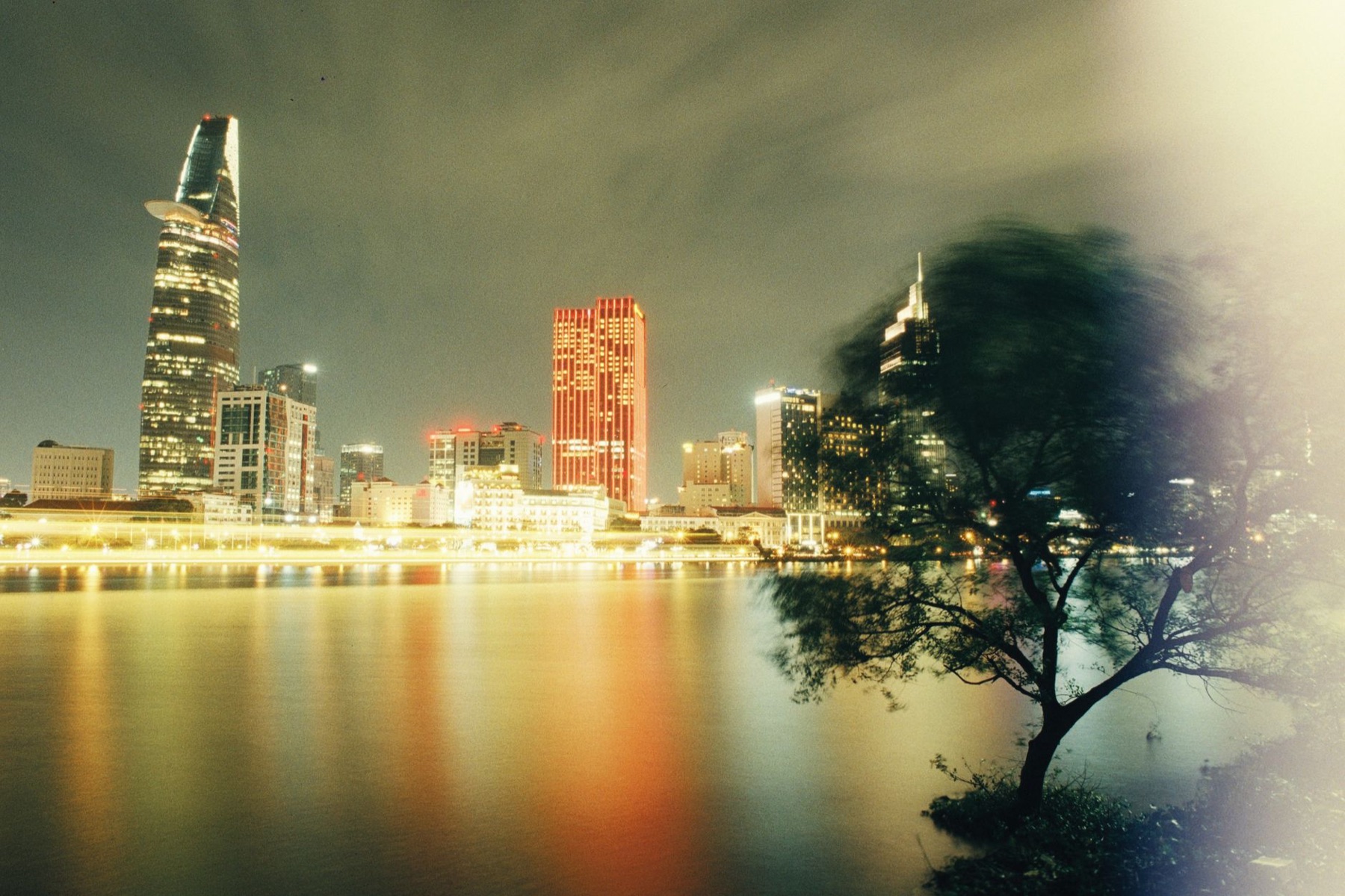
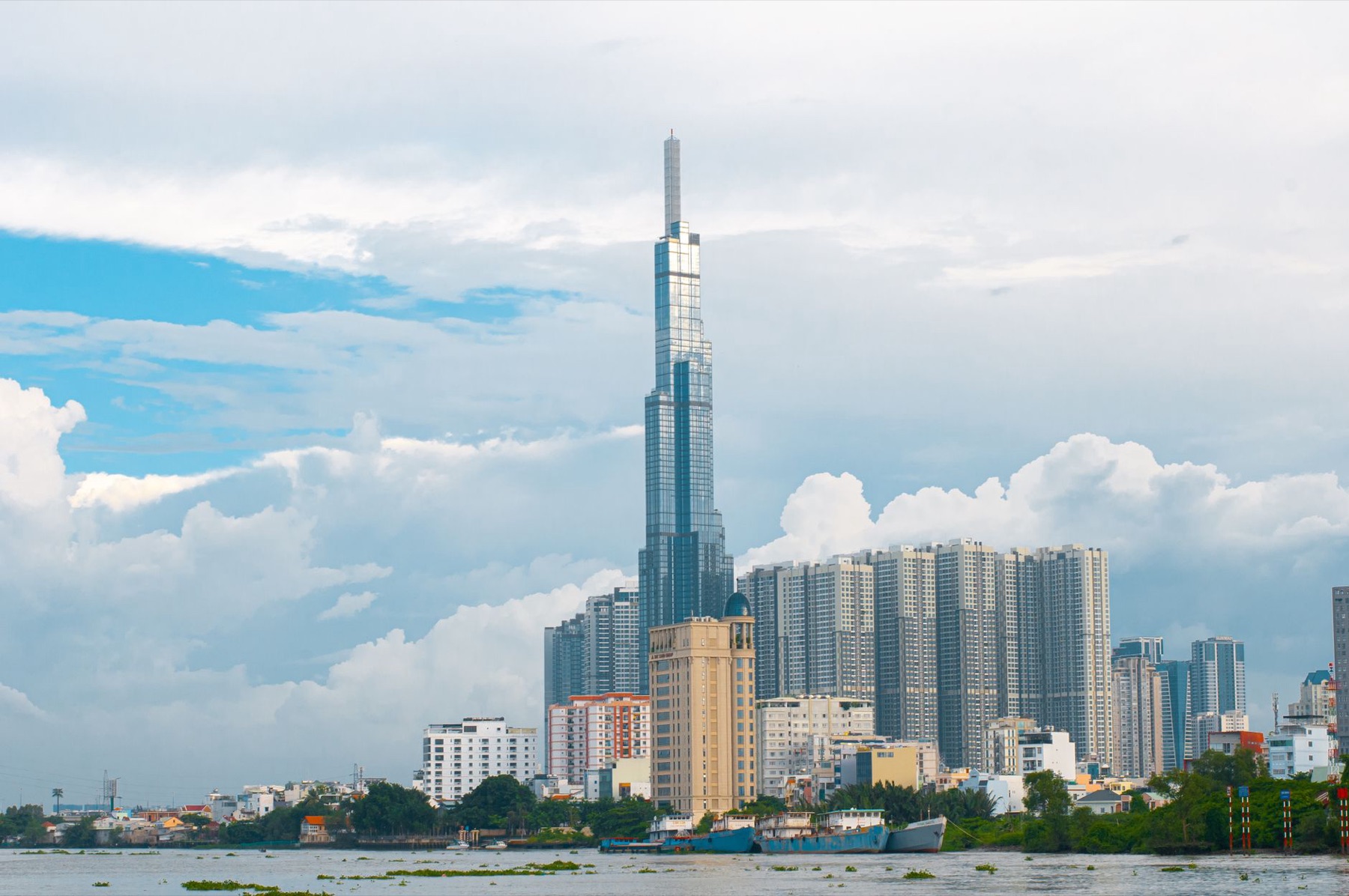
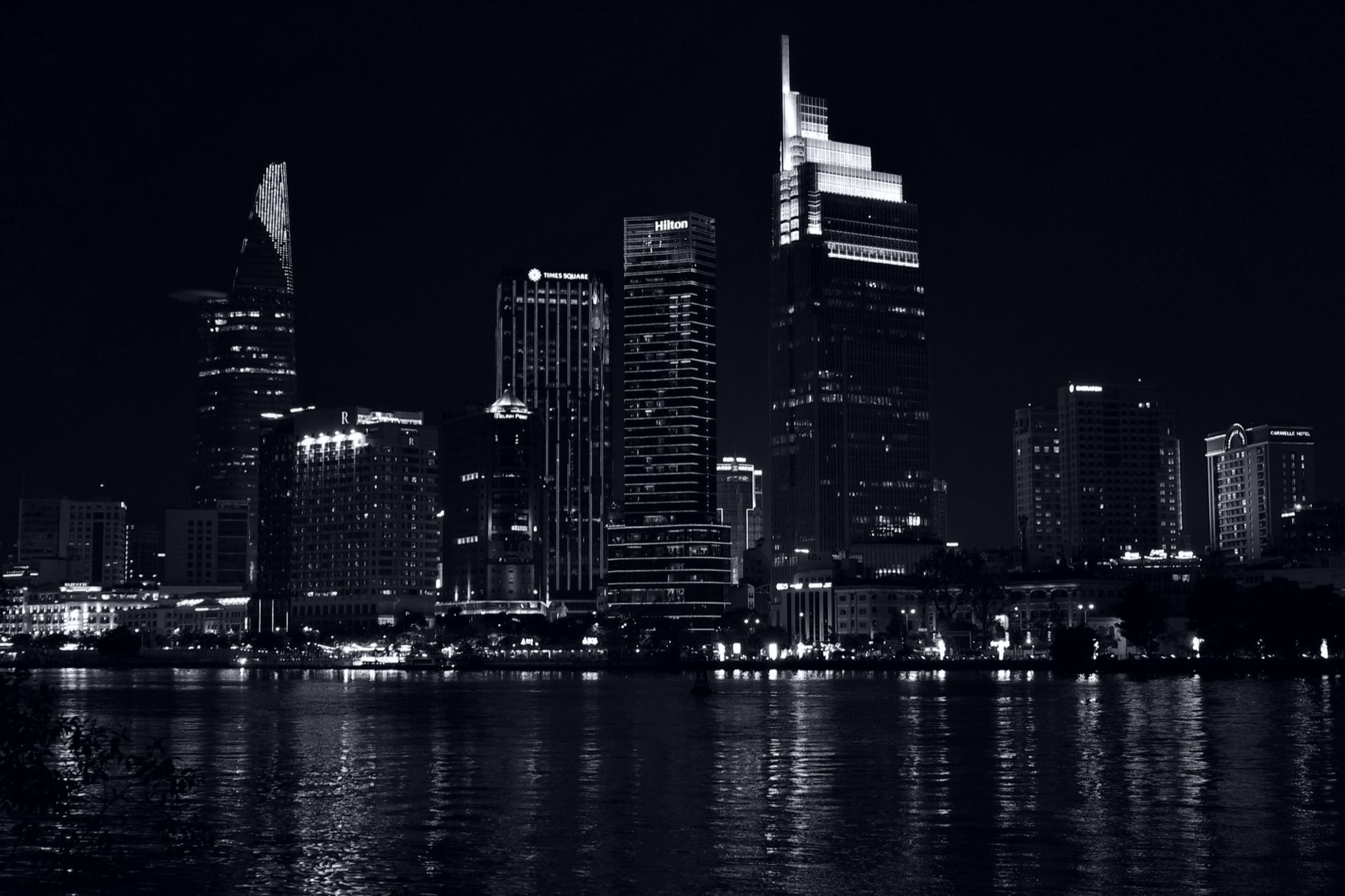
District 3 is quieter and younger than District 1. Walk along Vo Van Tan (the street where War Remnants sits) and Dinh Bo Linh for street art, independent coffee shops, and small galleries. No entry fees for sidewalk exploration. Bitexco Financial Tower (2 Hai Trieu, District 1) has a 68th-floor observation deck (around 70,000–100,000 VND / $2.80–$4 USD); the view is standard; skip unless you're into city panoramas and have 30 minutes to spare.
Skydeck (Lotte Tower, 1 Dong Khoi, District 1, around 100,000–150,000 VND / $4–$6 USD) is higher and pricier. Best at sunset, worst on weekends (expect 30+ minute queues).
What day trips and surrounding neighbourhoods beat staying in District 1?
Day trips and neighbourhood options:
| Destination | Time from District 1 | Best for | Reality check |
|---|---|---|---|
| Cu Chi Tunnels | 2–3 hours drive | War history & military buff | Tourist trap; narrow tunnels, stifling heat. Real tunnels are unsafe. |
| Mekong Delta (Can Tho, My Tho) | 2+ hours drive | river scenery, fruit orchards | Long drive, slow boat tours feel slow; skip if short on time. |
| Ben Duoc Tunnels | 1.5 hours | Less crowded alternative | Still touristy; fewer crowds doesn't mean less commercial. |
| District 7 (Phu My Hung) | 20–30 mins subway | Modern Saigon, shopping malls | New, clean, soulless. Good only if you need familiar Western brands. |
| Thu Thiem | 10–15 mins ferry | Sunset, riverside cafés | Underdeveloped; most locals avoid it. Riverside walk is nice if you ignore half-built development. |
Honest take: skip generic Cu Chi tunnel tours. Instead, base yourself in District 1 or 3 for 3 days, walk each street at different times of day (morning markets vs. evening food stalls reveal different cities), and take a Mekong Delta overnight trip only if you have 4+ days in Saigon. Most 2-day visitors regret rushing south.
🎟️ Compare tours & tickets for this place
How do you actually book transport, avoid scams, and plan timing?
Transport reality:
Grab (app-based ride-hailing) is safer than street taxis and 30–50% cheaper than tourist-facing Vinasun cabs. Set your destination in the app before ordering; drivers are tracked and reviewed. Cost from District 1 to District 5: around 50,000–80,000 VND ($2–$3.20 USD). Avoid unlicensed taxis (white vans at the airport), which overcharge 3–5x.
Motorbike taxis (Grab Bike) exist but are intimidating for most tourists. Use them only if you're confident in traffic. A bike to District 5 costs 15,000–30,000 VND ($0.60–$1.20 USD).
Subway (Metro Line 1: Ben Thanh to Suoi Tien) opened in 2020. It's clean, fast, and costs 4,000–7,000 VND ($0.16–$0.28 USD) per ride. Useful if you're heading to Thu Thiem or eastern neighbourhoods, but most tourist attractions are walkable from District 1.
Scams to actively avoid:
- Cyclo (pedicab) rides quoted in USD, then doubled at the end. Agree on VND price beforehand or skip entirely.
- "Motorbike tours" from street touts; bikes are uninsured and drivers rush.
- Fake tour groups offering "free" attractions—they sell overpriced restaurant vouchers later.
- Gem shops ("closed today, meet my cousin's shop nearby"). These are pickpocket setups and gem quality is fake.
- Hostels selling "free walking tours" that turn into bar crawls with commission-based drinks.
Timing by season:
November–February: cool (20–25°C / 68–77°F), dry, perfect for sightseeing. Mid-day still hot; walk mornings and evenings.
March–April: hot (28–32°C / 82–90°F), humid, afternoon rain frequent. Markets and pagodas are doable; outdoor walking is miserable.
May–October: hot, wet (monsoon June–September). Flooding hits Districts 1–3 in September–October; walking routes close. Avoid if possible.
Tet (lunar new year, late January or early February in 2026 and 2027) shuts everything. Restaurants, museums, and markets close 3–7 days. Book ahead or skip Saigon entirely.
What to check before you go—and what to bring home
Pre-trip checklist:
- [ ] Grab app installed, linked to a card (not all Vietnamese cards work; use international Visa/Mastercard).
- [ ] Google Maps or Grab navigation open (mobile data essential; buy a Vietnam eSIM at the airport or online beforehand).
- [ ] Cash in VND (ATMs in District 1 work fine, but bring some from home if anxious).
- [ ] Lightweight, breathable clothes; closed shoes for temples.
- [ ] Sunscreen and a hat (sun is intense).
- [ ] Upset stomach remedy (street food is safe, but new bacteria affect digestion).
What to actually buy:
Souvenirs from Saigon are often mass-produced. Avoid plastic temple trinkets and "handmade" items from Ben Thanh. Instead, consider:
- Silk scarves and textiles from small shops in District 1 (Dong Khoi Street has independent sellers; negotiate 10–20% off).
- Coffee (Trung Nguyen, Highlands brand, or local roasters in District 3). Real stuff costs 80,000–200,000 VND ($3.20–$8 USD) per kilogram.
- Lacquerware (bowls, trays; check for quality—cheap versions peel). Budget 200,000–500,000 VND ($8–$20 USD).
- Conical hats (nón lá) from artisan makers, not tourist stalls. Look for handwoven bamboo and silk; expect 100,000–300,000 VND ($4–$12 USD) for genuine ones.
For memorable keepsakes, book a professional 📸 ao dai photoshoot in Saigon (Cáo Studio) so you have high-quality portraits in traditional dress to take home.
---
Ready to explore more of Vietnam? After Saigon, most travellers head to the Mekong, Ha Long Bay, or Hanoi for a fuller picture. Use our Vietnam itinerary planner to map multi-city trips with realistic timing and transport.
FAQ
How many days do I really need in Saigon?
2–3 days covers the essentials (War Remnants, temples, night markets, street food). Add a day if you want a day trip or prefer slow exploration. More than 4 days requires side trips or deep diving into neighbourhoods; most tourist itineraries don't support a full week here.
Is Saigon safe for solo female travellers?
Yes, relative to many cities. Violent crime against tourists is extremely rare. Street theft and bag-snatching from motorbikes happen; use a crossbody bag, avoid late-night solo walks in unfamiliar areas, and don't flash expensive phones or cameras. Harassment (catcalls, unwanted attention) is more common but rarely escalates. Stick to Districts 1, 3, and 5; avoid industrial zones after dark.
What's the best meal I can eat for under 50,000 VND ($2 USD)?
Bánh mì from street stalls (30,000 VND), cơm tấm with grilled pork ribs (40,000 VND), or cà chua trứng cơm (tomato-egg rice, 35,000 VND). Pho is slightly pricier (40,000–50,000 VND) but worth it. Hunt in Districts 5 and 1 between 11 a.m. and 2 p.m.; these dishes close by dinner.
Do I need a guide for temples or museums?
No. War Remnants Museum has English captions and brochures (free). Temples have no captions but are self-explanatory; locals are usually friendly if you ask respectfully. Hire a guide (300,000–500,000 VND / $12–$20 USD per day) only if you want deep history or struggle with navigation. Most travellers waste money on guides who rush and upsell.
Can I visit Ben Thanh Market if I don't speak Vietnamese?
Yes. Prices are marked or displayed. Point, hand over cash, and move on. Haggling is pointless (vendors mark up only slightly for tourists). Bring a small bag; the market is cramped. Avoid opening your main backpack or wallet visibly; pickpockets exist but are not aggressive. Go early (7–8 a.m.) when it's less hectic and cooler.
FAQ
How many days do I really need in Saigon?
2–3 days covers the essentials (War Remnants, temples, night markets, street food). Add a day if you want a day trip or prefer slow exploration. More than 4 days requires side trips or deep diving into neighbourhoods; most tourist itineraries don't support a full week here.
Is Saigon safe for solo female travellers?
Yes, relative to many cities. Violent crime against tourists is extremely rare. Street theft and bag-snatching from motorbikes happen; use a crossbody bag, avoid late-night solo walks in unfamiliar areas, and don't flash expensive phones or cameras. Harassment (catcalls, unwanted attention) is more common but rarely escalates. Stick to Districts 1, 3, and 5; avoid industrial zones after dark.
What's the best meal I can eat for under 50,000 VND ($2 USD)?
Bánh mì from street stalls (30,000 VND), cơm tấm with grilled pork ribs (40,000 VND), or cà chua trứng cơm (tomato-egg rice, 35,000 VND). Pho is slightly pricier (40,000–50,000 VND) but worth it. Hunt in Districts 5 and 1 between 11 a.m. and 2 p.m.; these dishes close by dinner.
Do I need a guide for temples or museums?
No. War Remnants Museum has English captions and brochures (free). Temples have no captions but are self-explanatory; locals are usually friendly if you ask respectfully. Hire a guide (300,000–500,000 VND / $12–$20 USD per day) only if you want deep history or struggle with navigation. Most travellers waste money on guides who rush and upsell.
Can I visit Ben Thanh Market if I don't speak Vietnamese?
Yes. Prices are marked or displayed. Point, hand over cash, and move on. Haggling is pointless (vendors mark up only slightly for tourists). Bring a small bag; the market is cramped. Avoid opening your main backpack or wallet visibly; pickpockets exist but are not aggressive. Go early (7–8 a.m.) when it's less hectic and cooler.
More: Ho Chi Minh City guide · Things to do in Ho Chi Minh City