Hanoi · Things to do
Travel to Hanoi: What to Do, Buy & Book in 2026
By Wander in Vietnam editorial team · Hanoi, Vietnam
Hanoi isn't a sprint. Most international visitors spend 3–5 days here and leave feeling they've missed the point. The Old Quarter is mandatory but suffocating—narrow streets, touristy watering holes, overpriced pho. Real Hanoi lives in Ba Dinh (government quarter, leafy cafes), Tay Ho (lake views, expat restaurants), and the neighborhoods around Hang Trong market where locals still shop.
We've spent enough time in Hanoi to know which districts deliver and which drain money for Instagram moments. Here's how to structure a trip that doesn't feel like a checklist.
What does a typical 3-day Hanoi itinerary actually cost?
Budget travelers spend $40–60 daily (bed, food, transport). Mid-range visitors hit $80–120. Most international guests land somewhere between, mixing cheap street meals with one nicer dinner and paid activities. A motorbike tour costs around $25–35 USD (600,000–800,000 VND), a half-day cooking class $30–45 USD (700,000–1,050,000 VND), and museum entry $3–5 USD (70,000–120,000 VND). Plan your full Vietnam budget before booking flights.
🗺️ Plan your route: Vietnam itinerary
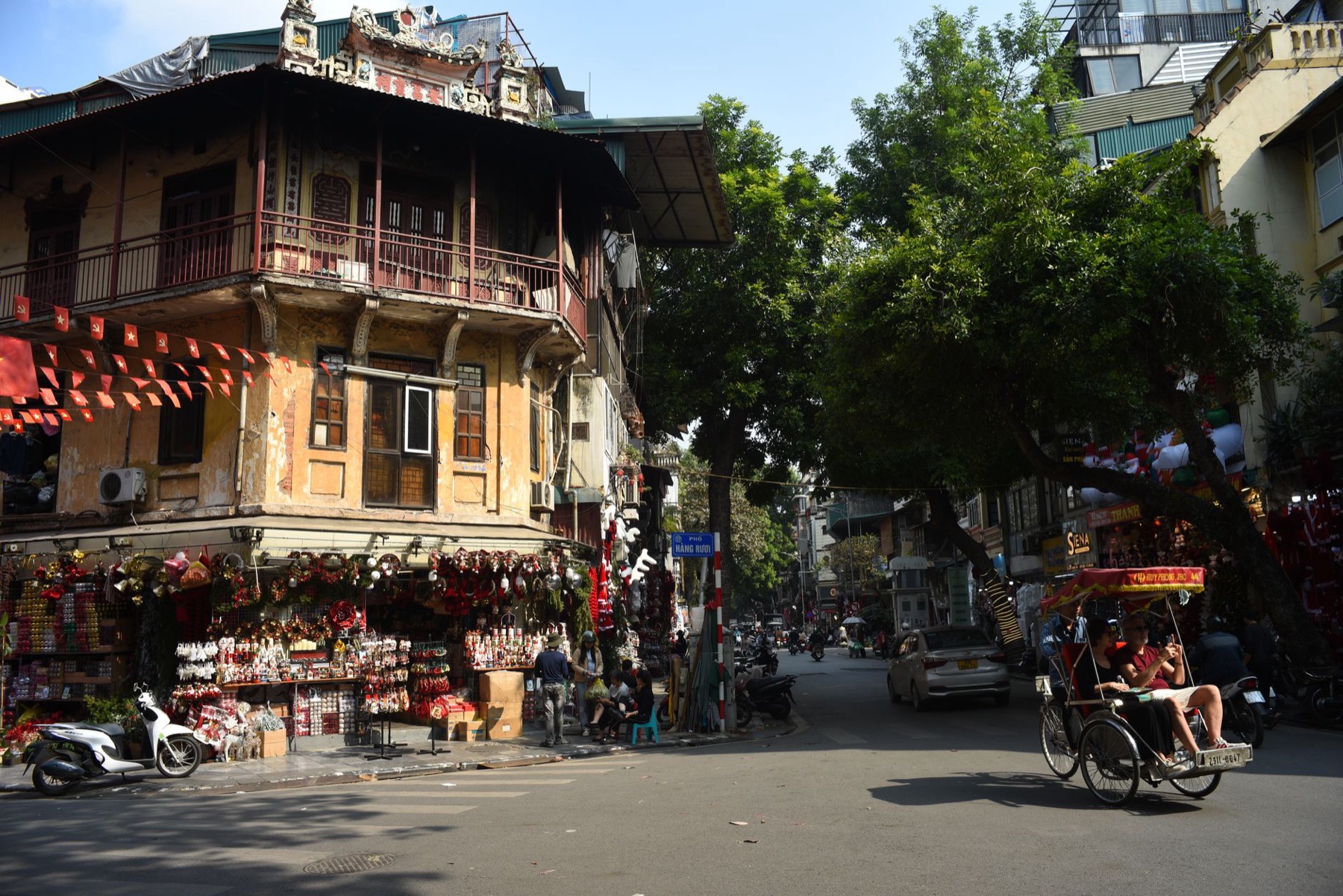
Which Hanoi neighborhoods should first-time visitors actually visit?
Old Quarter (Hoan Kiem): Chaotic, crowded, unavoidable. Stay 1–2 nights max. Streets are named after goods once sold there (Hang Gai = silk, Hang Bong = cotton). Pho is decent but expensive. Skip the "famous" coffee shops; go to a local café instead.
French Quarter (Hoan Kiem, Ba Dinh border): Quieter colonial villas, tree-lined Trang Tien Street, decent restaurants. Walk here in late afternoon. The Hanoi Opera House sits on Trang Tien—free to photograph outside, ticketed tours inside cost around $8–12 USD.
Ba Dinh: Where educated Hanoians actually eat and work. Friendly vibe, real prices, family restaurants. Near Ba Dinh Square (government compound, not tourist-facing). Pho here runs $2–3 USD, spring rolls under $1.50.
Tay Ho (West Lake): Expat-heavy, calmer. Good for longer stays. Lakeside cafes, international restaurants, less chaos. Quieter than central districts but less "authentic" in the sense tourists often mean.
Hang Trong Market Area (Ba Dinh): This is where Hanoians buy clothes, food, housewares. Chaotic, genuine, no tourist infrastructure. Not a sightseeing zone—go if you like being the only foreigner in a neighborhood.
Skip Hoan Kiem Lake's main promenade after 6 p.m.; it's vendor-dense and touristy.
How do you know which Hanoi tours are worth the money?
Avoid walking tours that promise "hidden gems" for $15 USD. You can walk the same routes free. Worth paying for: motorbike tours (you see further, move faster, drivers navigate for you), food tours led by locals eating at their own favorite spots, cooking classes at homes or small kitchens, and day trips to Ha Long Bay, Ninh Binh, or Sapa (6–8 hours north, doable as an overnight).
Real tour operators:
- Won't oversell: honest about pace, group size, stops.
- Feed you at non-tourist restaurants (pho at 7 a.m. in a back alley, not a branded café).
- Pickup/dropoff is straightforward—no upsell detours.
Scams to avoid: Tours that "suddenly" add temple entry fees not mentioned upfront, drivers who claim your hotel is closed and redirect you to their commission partner, or guides who rush you through meals to pocket time.
🎟️ Compare tours & tickets for this place
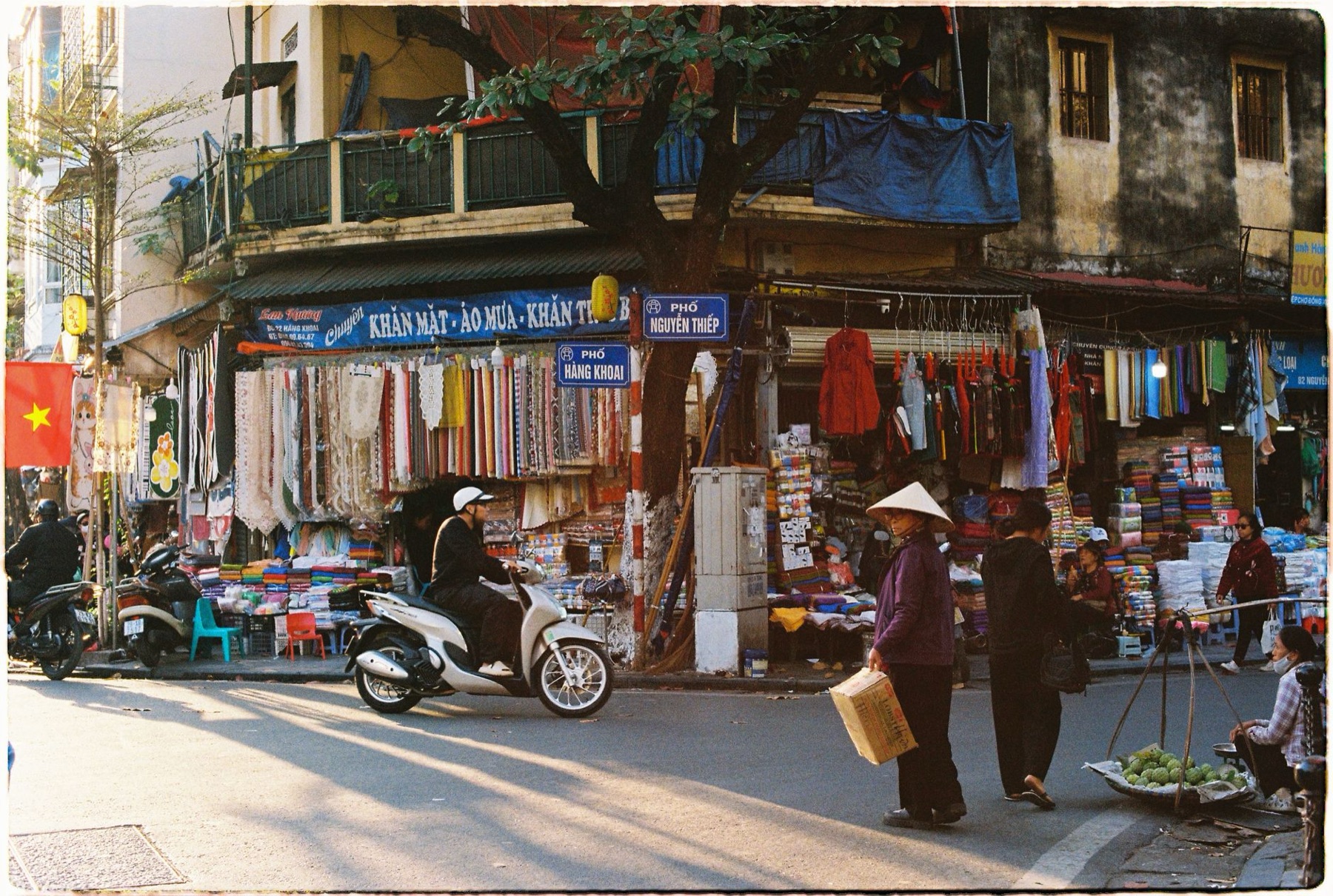
What are the best Hanoi souvenirs to bring home—and what's overpriced tourist junk?
| Souvenir Type | Who It's For | Real Cost | Why It Works |
|---|---|---|---|
| Silk items (scarves, pouches) | Fashion travelers | $12–25 USD | Hanoi's traditional craft; real silk from Hang Gai Street. Verify weight & feel before buying. |
| Lacquerware (boxes, trays, ornaments) | Home-décor lovers | $20–60 USD | Handmade in workshops; heavier pieces more expensive. Buy from makers, not tourist shops. |
| Conical hats (non la) | Souvenir collectors | $3–8 USD | Handwoven straw. Tourist versions are thin; artisan ones last years. |
| Coffee (whole beans, ground) | Gift-givers | $5–12 USD per 200g | Vietnamese robusta & arabica. Buy at markets or Trung Nguyen shops, not airports. |
| Water puppets (small figurines) | Specialty seekers | $15–50 USD | Iconic art form. Buy from craft markets, not hotel lobbies. |
| Ao dai fabric or tailored pieces | Fashion enthusiasts | $50–200+ USD | Hire a tailor in the Old Quarter (2–3 fittings, 7–10 days). Photography? Book Cáo Studio's ao dai photoshoot service in Hanoi—hair, makeup, prints included. |
Avoid: Fake designer bags, wood carvings from anonymous shops, mass-produced water puppets sold in Hoan Kiem tourist zones, and "lucky" trinkets pushed by street vendors.
What should you actually eat in Hanoi—and where?
Pho (beef noodle soup) is fine, but Hanoi's real flavors are elsewhere.
Breakfast staples:
- Bánh mì (pâté, pickled veg, crispy bread): $1–2 USD at bakeries, any district.
- Cơm tấm (broken rice with grilled meat/egg): $2–3 USD, Ba Dinh area.
- Bánh cuốn (rolled steamed pancakes with shrimp): $2 USD, morning-only at family shops.
Lunch/dinner:
- Bún chả (grilled pork, rice noodles, dipping sauce): $3–5 USD, Hang Manh Street (Ba Dinh).
- Ốc (snails in broth, garlic, beer): $4–6 USD per serving, evening street stalls.
- Cua (crab) dishes at Hang Cot or Hang Hanh streets: $8–15 USD, mid-range.
How to eat like a local:
- Eat at 11:30 a.m. or 6 p.m. (peak Hanoian times).
- Go where you see Hanoians, not tourists.
- Order what's cooking in the pot, not from a menu.
- Street stalls are safer than you think; busier = fresher.
- Bring cash; most family restaurants don't accept cards.
Avoid: "Tourist pho" in Hoan Kiem (inflated prices, weak broth). Street food hygiene is generally fine if the stall moves volume fast.
📸 Book an ao dai photoshoot in Hanoi or Saigon (Cáo Studio)
What to check before you book a Hanoi trip
Internet & contact:
- Buy a local eSIM for Vietnam before arrival (instant, cheaper than roaming).
- Download Google Maps offline; you'll need it.
Visas:
- US/UK/EU/Australian citizens need a Vietnam e-visa (apply online, ~25 USD, 3–5 days).
Best time to visit:
- October–November: cool, dry, perfect.
- April–May: humid, preparing for monsoon.
- June–September: hot, rainy, slippery streets.
- December–February: cold (60–70°F), dry.
Getting around:
- Motorbike taxi (Grab) is cheap (~$1–2 USD in-city) and reliable.
- Walking Old Quarter is mandatory but exhausting (narrow, crowded, loud).
- Renting a motorbike ($5–8 USD/day) is viable if you're confident; traffic is intense.
Accommodations:
- Old Quarter: central but noisy; hostels/budget hotels $10–20 USD.
- Ba Dinh: quieter, better value; $15–30 USD for decent rooms.
- Tay Ho: expat-friendly, $25–50 USD, less "authentic" buzz.
Language barrier:
- Older Hanoians speak minimal English; younger workers do.
- Learn "hello" (xin chào), "thank you" (cảm ơn), "how much?" (bao nhiêu).
- Use Google Translate for menus.
Money:
- ATMs everywhere; Vietnamese Dong (VND) only at street level.
- 1 USD ≈ 23,000–24,000 VND (2026 rates).
- Tip isn't expected, but 10% at upscale restaurants is appreciated.
Health & safety:
- Tap water isn't drinkable; buy bottled ($0.50–1 USD per 1.5L).
- Motorbike accidents happen; wear a helmet (required by law).
- Petty theft in Old Quarter—keep backpacks in front on crowded streets.
- Travel insurance covering evacuation is wise (medical care is good but pricey for uninsured).
How does a multi-city Vietnam trip fit together?
If you have 7–10 days, structure it like this: 3 days Hanoi → flight to Ho Chi Minh City (2.5 hours, ~$30–60 USD) → 3 days Ho Chi Minh City + day trip to Mekong Delta → flight back north to Hanoi (or skip the north and end in the south).
Alternatively: Hanoi (3 days) → Ninh Binh (2 hours south, 1–2 days) → Ha Long Bay (overnight cruise, 3.5 hours east) → Hanoi. This keeps you in the north and is genuinely spectacular.
Hanoi + Sapa (train or flight, 5–6 hours, mountain trekking) works for 8+ day trips. Start your Vietnam route plan here.
---
🗺️ Plan your route: Vietnam itinerary
FAQ
Is 3 days enough in Hanoi?
Yes, if you skip perfection. Day 1: Old Quarter, walk, street food. Day 2: French Quarter + one paid activity (cooking class or bike tour). Day 3: Tay Ho or day trip to Ninh Binh. You'll feel the city's rhythm but won't exhaust its depth. Stay longer (4–5 days) if you like slow mornings and neighborhood wandering.
Can you skip the Old Quarter entirely?
Technically, but you'd miss Hoan Kiem Lake and the chaos-as-cultural-experience. Spend one night there, eat breakfast early, then move to Ba Dinh or Tay Ho. Most of Hanoi's character lives outside those tourist blocks anyway.
How much should I budget for souvenirs?
If you want quality (real silk, handmade lacquerware, tailored ao dai), plan $50–150 USD. Cheap trinkets run $2–5. Buy from makers or established shops on Hang Gai or Hang Bong streets, not random stalls. Avoid airport shops—markup is 200–300%.
Should I hire a private guide or join a group tour?
Private guides cost $40–60 USD per day (can negotiate). Group food tours cost $25–35 USD and include meals. If your hotel is smart, they'll recommend a trusted driver. Group tours are social and cheaper; private is flexible and deeper. Neither beats walking with a local friend, but that requires time.
What's the scam rate for tourists in Hanoi?
Low for petty theft, moderate for restaurant/hotel overcharging, high for cyclo rides and gem shops. Avoid unmarked taxis (use Grab). Agree on prices upfront. Eat where locals eat (prices are fixed, no negotiation). Stay alert in Old Quarter at night; solo travelers should use the buddy system.
Is Hanoi safe for solo female travelers?
Yes, generally. Dress modestly (shoulders, knees covered outside temples). Avoid very late nights alone in Old Quarter. Use registered Grab taxis, not street hails. Harassment is rare compared to many Asian cities. Join walking groups if you want company; many solo travelers meet others immediately.
Can I drink the tap water?
No. Buy bottled water (25,000–30,000 VND per 1.5L, ~$1–1.30 USD). Most restaurants serve it; hotels provide it. Ice in drinks is usually fine (made from purified water), but stomach sensitivity varies. Stay hydrated—Hanoi heat and humidity are real.
What's the best souvenirs gift choice for a non-traveler back home?
Coffee (whole beans in a nice package, $8–15 USD for premium). Silk scarves ($15–25 USD). Small lacquerware trinket boxes ($20–40 USD). These are lightweight, useful, and carry Hanoi's craft heritage. Avoid oversized carvings unless they ship—shipping costs often exceed the item's value.
FAQ
Is 3 days enough in Hanoi?
Yes, if you skip perfection. Day 1: Old Quarter, walk, street food. Day 2: French Quarter + one paid activity (cooking class or bike tour). Day 3: Tay Ho or day trip to Ninh Binh. You'll feel the city's rhythm but won't exhaust its depth. Stay longer (4–5 days) if you like slow mornings and neighborhood wandering.
Can you skip the Old Quarter entirely?
Technically, but you'd miss Hoan Kiem Lake and the chaos-as-cultural-experience. Spend one night there, eat breakfast early, then move to Ba Dinh or Tay Ho. Most of Hanoi's character lives outside those tourist blocks anyway.
How much should I budget for souvenirs?
If you want quality (real silk, handmade lacquerware, tailored ao dai), plan $50–150 USD. Cheap trinkets run $2–5. Buy from makers or established shops on Hang Gai or Hang Bong streets, not random stalls. Avoid airport shops—markup is 200–300%.
Should I hire a private guide or join a group tour?
Private guides cost $40–60 USD per day (can negotiate). Group food tours cost $25–35 USD and include meals. If your hotel is smart, they'll recommend a trusted driver. Group tours are social and cheaper; private is flexible and deeper. Neither beats walking with a local friend, but that requires time.
What's the scam rate for tourists in Hanoi?
Low for petty theft, moderate for restaurant/hotel overcharging, high for cyclo rides and gem shops. Avoid unmarked taxis (use Grab). Agree on prices upfront. Eat where locals eat (prices are fixed, no negotiation). Stay alert in Old Quarter at night; solo travelers should use the buddy system.
Is Hanoi safe for solo female travelers?
Yes, generally. Dress modestly (shoulders, knees covered outside temples). Avoid very late nights alone in Old Quarter. Use registered Grab taxis, not street hails. Harassment is rare compared to many Asian cities. Join walking groups if you want company; many solo travelers meet others immediately.
Can I drink the tap water?
No. Buy bottled water (25,000–30,000 VND per 1.5L, ~$1–1.30 USD). Most restaurants serve it; hotels provide it. Ice in drinks is usually fine (made from purified water), but stomach sensitivity varies. Stay hydrated—Hanoi heat and humidity are real.
What's the best souvenirs gift choice for a non-traveler back home?
Coffee (whole beans in a nice package, $8–15 USD for premium). Silk scarves ($15–25 USD). Small lacquerware trinket boxes ($20–40 USD). These are lightweight, useful, and carry Hanoi's craft heritage. Avoid oversized carvings unless they ship—shipping costs often exceed the item's value.
More: Hanoi guide · Things to do in Hanoi