Ho Chi Minh City · Where to stay
Traveling in Vietnam: What to Pack, Book & Know in 2026
By Wander in Vietnam editorial team · Hanoi, Vietnam
Traveling in Vietnam requires alignment across timing, accommodation, logistics, and packing. We've built this guide for independent travelers, families, and groups deciding whether Vietnam fits their calendar and budget—and what to actually carry and book beforehand.
When Should You Travel to Vietnam? Season, Weather & Crowds
The best time to visit Vietnam is November through April, when temperatures are mild (20–28°C / 68–82°F) across the country and rain is rare. South Vietnam peaks December–February; North Vietnam and upland areas (Sapa, Ninh Binh) are coolest January–March. May–October brings heat, humidity, and monsoon rains that flood roads and close some attractions.
Dry season (Nov–Apr): Book hotels 4–6 weeks ahead in peak months. Prices rise 30–50% December–February. Tourist crowds peak around Christmas, Tet (lunar new year, Jan–Feb), and Easter.
Wet season (May–Oct): Fewer tourists, lower prices, but daily afternoon rains and occasional typhoons (Aug–Sep) disrupt travel. Some mountain roads close; tours may cancel.
Our take: If you travel Nov–Apr and don't mind crowds or higher prices, you'll have reliable weather. If you go May–Oct, budget flexibility and contingency days matter more.
🗺️ Plan your route: Vietnam itinerary
Where Should You Stay? Hotel Choices by City & Budget
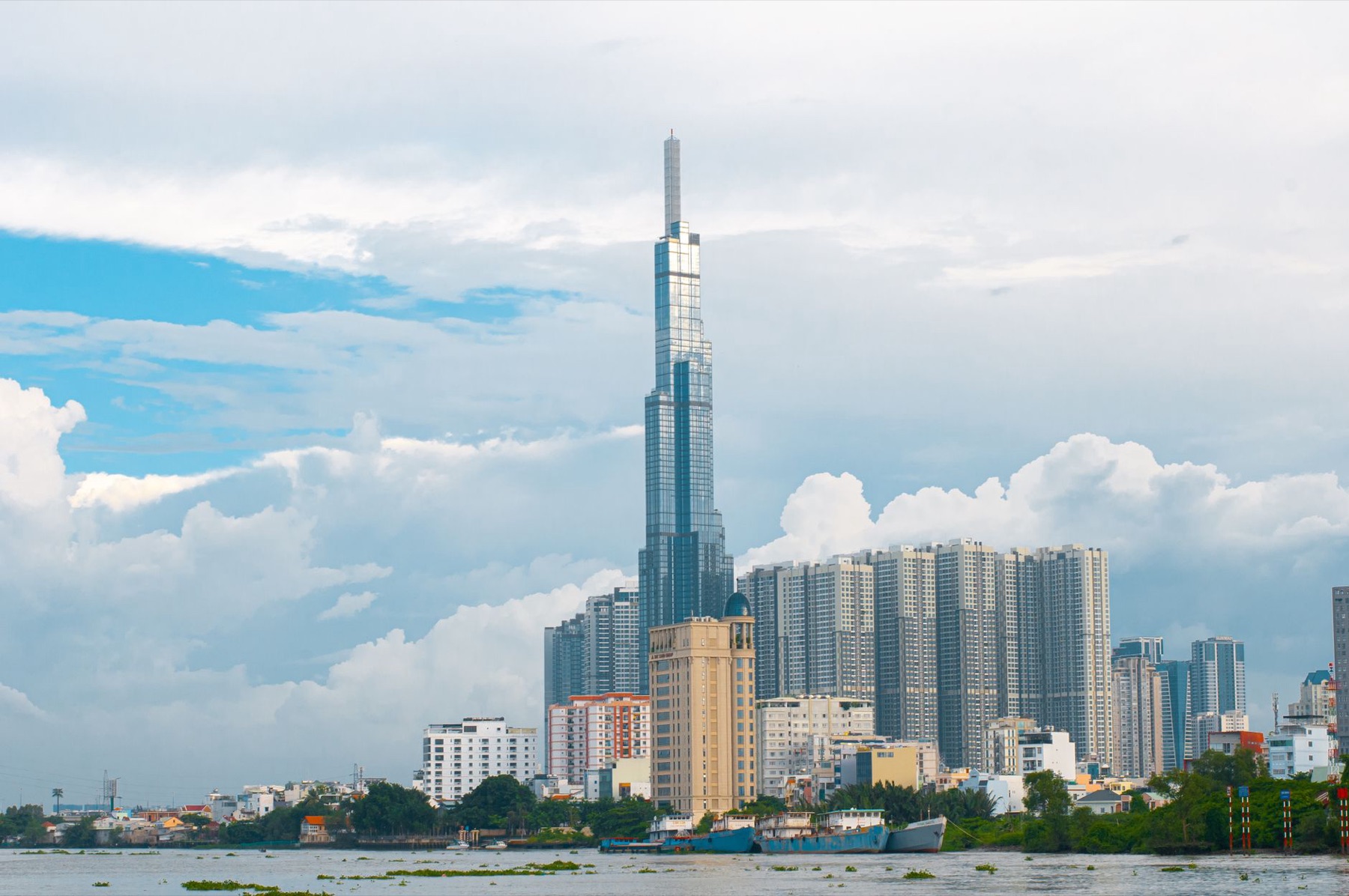
Hotels in Ho Chi Minh City vary widely by district and standard. District 1 (Dong Khoi, Ben Thanh) is central, touristy, and pricey; District 3 (Ba Dinh) and District 4 (Binh Thanh) offer mid-range comfort with fewer crowds. Budget backpacker zones cluster around Pham Ngu Lao in District 1; business hotels prefer District 7 (Binh Thanh riverside).
Budget Hotels (3–4 stars)
Fan rooms or AC, basic but clean. Found throughout District 1, 3, 4. Expect shared or private baths, no frills. Around 300,000–600,000 VND/night ($12–24 USD).
Mid-Range Hotels (4–5 stars)
AC, ensuite bath, breakfast, reliable WiFi. Common in District 1, 3, Binh Thanh. Around 600,000–1,200,000 VND/night ($24–48 USD).
Luxury Hotels (5+ stars)
Premium linens, concierge, gym, restaurants. Found in District 1 (Dong Khoi), District 7. Around 1,500,000+ VND/night ($60+ USD).
Hanoi hotels cluster in Old Quarter (touristy, noisy, budget-friendly), Ba Dinh (quieter, mid-range), and Tay Ho (lakeside, upscale). Expect similar pricing bands.
Comparison Table: Where to Sleep by Traveler Type
| Traveler Type | Best Area | Budget/Night | Why It Works |
|---|---|---|---|
| Solo backpacker | Pham Ngu Lao, District 1 | $8–15 | Social hostels, cheap eats, walking distance to Saigon street food |
| Family (4 people) | District 3 or Binh Thanh | $40–80 | Spacious rooms, quieter than Old Quarter, easy taxi access |
| Luxury couple | District 1 (Dong Khoi) or District 7 | $80–200+ | Top restaurants, spas, hotel amenities, river views |
| Digital nomad (2+ weeks) | Ba Dinh (Hanoi), Binh Thanh (HCMC) | $20–50 | Reliable power/WiFi, local cafés, co-working, lower noise |
| Group or tour | Any central area | $15–40pp | Negotiable rates for 6+ rooms, ground-floor meeting space |
What to check before you book:
- Cancellation policy (many include 48-hour free cancellation; peak season often non-refundable).
- Free breakfast—saves 80,000–150,000 VND/person ($3–6 USD) daily.
- WiFi speed (test with hotel website chat or call; speeds vary widely in Vietnam).
- Airport/station distance and transfer cost (negotiate with hotel concierge, usually 150,000–300,000 VND/$6–12 USD per car).
- Air-con reliability (cheap hotels sometimes fail in peak heat; check reviews mentioning humidity complaints).
🎟️ Compare tours & tickets for this place
Visas, eSIMs & Travel Documents: What You Actually Need
Most international visitors need a Vietnam e-visa valid 90 days. Apply online at official government portal or through trusted agents; processing 3–5 business days, costs around $25–30 USD (avoid overprice agents charging $50+).
eSIM options replace traditional SIM cards and avoid airport hassle. Get an eSIM for Vietnam before departure or buy a local SIM (Viettel, MobiFone) at airport for around 100,000 VND ($4 USD) plus data top-ups.
Passport validity: Minimum 6 months beyond your departure date. If expired or expiring soon, renew before booking.
Travel insurance: Recommended, especially for trekking (Sapa), diving (Phu Quoc), or activities outside urban areas. International providers cover Vietnam; local policies are cheaper but often exclude adventure sports.
Vaccinations: Yellow fever (if coming from endemic regions), Hepatitis A, and Typhoid are common recommendations. Consult your doctor; malaria prophylaxis is optional in southern cities but suggested for Mekong Delta or deep jungle.
What to Pack: Essentials for Vietnam's Climate & Culture
Clothing:
- Lightweight, breathable fabrics (cotton, linen) for heat and humidity.
- Comfortable walking shoes (waterproof, broken-in; trails are muddy in wet season).
- Light rain jacket or poncho (May–Oct essential; Nov–Apr for occasional drizzle).
- Long pants/skirt and modest top for temples and religious sites.
- Swimsuit and rash guard (sun protection in water).
Toiletries & Health:
- High-SPF sunscreen (UV strong; local brands less reliable).
- Insect repellent with DEET (mosquitoes year-round; dengue fever risk).
- Motion sickness tablets (buses, boats have sharp turns).
- Prescription medications (bring original bottles; bring doctor's letter for large quantities).
- Blister treatment and antiseptic cream (street food can cause stomach issues).
Tech & Convenience:
- Universal power adapter (Type A/C outlets; bring a multi-port charger for hostels/hotels).
- Portable battery bank (WiFi and charging spots unreliable outside cities).
- Waterproof phone case (humidity and splash hazards).
Money & Documents:
- Mix of cash (VND) and credit cards; ATMs widely available, withdraw in increments to avoid fees.
- Copies of passport, visa, travel insurance documents (stored separately and digitally).
Cultural items (optional but thoughtful):
- Small gifts from your home country (appreciated in villages, homestays, mountain communities).
- Neutral-colored clothing for photo memories—consider booking an ao dai photoshoot in Hanoi or Saigon (Cáo Studio) to create lasting keepsakes in traditional dress.
📸 Book an ao dai photoshoot in Hanoi or Saigon (Cáo Studio)

How to Move Between Cities: Transport Options & Real Costs
Flights (budget): Vietjet, Bamboo Airways, Vietnam Airlines. Hanoi–Ho Chi Minh City around 1,200,000–2,000,000 VND ($48–80 USD) return. Booking sites (Skyscanner, 12Go) show live fares.
Buses: Sleeper and day buses connect major cities; overnight Hanoi–Ho Chi Minh City around 500,000–1,200,000 VND ($20–48 USD). Popular companies: Thaco, Mai Linh (reliable AC, pillows). Book via 12Go Asia or at bus stations; avoid unlicensed operators at hotels (overcharges common).
Trains: Scenic but slow. Hanoi–Ho Chi Minh City takes 30+ hours. Soft sleeper berths around 1,500,000–2,000,000 VND ($60–80 USD). Book at railway stations or Baolau.com.
Taxis & Ride Apps: Grab (Southeast Asia's Uber) and Be (local app) cheaper than taxis; rates around 12,000–25,000 VND/km ($0.50–1 USD/km). Always use apps; meter taxis overcharge tourists.
Motorbike Rental: Around 150,000–300,000 VND/day ($6–12 USD) for automatic scooters. Rent from hostels or dedicated shops; helmet mandatory (fines: 100,000 VND/$4 USD). Insurance extra; verify before riding.
Why it matters: Distance and time dictate transport. Hanoi–Sapa is 6 hours by bus; flying Hanoi–Ho Chi Minh (2 hours flight + airport time = 4 hours total) is often worth the extra cost.
Regional Routes Worth Your Time: 3–7 Day Itineraries
North loop (7–10 days): Start Hanoi, add Ha Long Bay (2–3 days, stunning limestone karsts), return to Hanoi, or detour to Sapa (overnight train, trekking, hill tribe villages).
Central slice (4–5 days): Ninh Binh (caves, boat rides, rice paddies)—2 days. Hoi An (ancient town, tailors, beaches)—2 days. Quick flight or 12-hour overnight bus between.
South (3–5 days): Ho Chi Minh City (2 days, history, street food), Mekong Delta (1–2 days, floating markets, homestays), or Phu Quoc (2–3 days, beaches, diving).
Our honest take: North is scenery + culture; central is Instagram + food + relaxation; south is chaotic urban + rural contrast. First-timers often split: North 7 days, Central 3 days, South 3 days.
Real Costs: Daily Budget Breakdown by Travel Style
| Style | Daily Budget (USD) | Includes | Realistic? |
|---|---|---|---|
| Ultra-budget | $15–25 | Hostel dorm, street food, free attractions, buses | Yes; skips tours, comfort |
| Budget-conscious | $25–50 | Budget hotel, mix street/café food, 1 paid tour, local transport | Yes; most backpackers |
| Mid-range | $50–100 | Mid-range hotel, restaurant meals, multiple tours, Grab taxis | Yes; families, comfort travelers |
| Luxury | $100+ | 4–well-made hotel, fine dining, private guide, all activities | Yes; couples, retirees seeking ease |
Hidden costs to budget:
- Visa agency fees (if not using official portal): extra $10–20.
- Travel insurance: $30–80 for 2 weeks.
- Unexpected medical visit: $50–200 (pharmacies cheaper than clinics).
- Tipping (not mandatory but common in restaurants, tours): 5–10% in cities.
---
What to Check Before You Travel
- Passport validity: 6+ months beyond return date.
- Visa processing: Apply 2+ weeks before departure; e-visa is fastest (3–5 days).
- Hotel cancellation: Check before booking; peak season often non-refundable.
- Travel dates clash with Tet (Lunar New Year, late Jan–early Feb)? Book 6–8 weeks early; prices spike 40–50%, many attractions close.
- eSIM or local SIM? Test coverage map on provider website for your route (Viettel, MobiFone best coverage).
- Vaccinations: Confirm with your doctor; yellow fever, Hep A, Typhoid common.
- Motorbike license: International Driving Permit recommended (local police may ask; US/UK licenses alone sometimes cause issues).
- Travel buddies: Confirm dates and budget tolerance before booking shared rooms or group tours.
---
🗺️ Plan your route: Vietnam itinerary
FAQ
Is Vietnam safe for solo travelers?
Vietnam is generally safe for solo travelers, especially in tourist areas. Street crime (bag snatching, scams) occurs in crowded markets and motorbike-heavy zones; avoid carrying large cash, use Grab taxis at night, and stay aware. Local police are visible in city centers. Rural areas and trekking zones are secure with basic precautions.
How much should I budget for a 2-week trip?
Budget $800–1,200 USD for budget travel (hostels, street food, buses, limited tours); $1,500–2,500 for mid-range (hotels, restaurants, paid activities); $3,000+ for luxury. These exclude flights. Domestic transport, food, and accommodation are very affordable; paid attractions (Ha Long Bay tours, cooking classes, guides) add up quickly.
Do I need to book hotels in advance or can I book on arrival?
During peak season (Nov–Feb), book 4–6 weeks ahead or face higher prices and limited choice. May–Oct, you can often book 1–2 weeks out. Always book your first 2 nights before arrival; arriving without accommodation risks overpriced hassle. Weekends in cities fill faster than weekdays.
What are the biggest scams to avoid in Vietnam?
Overpriced taxis (use Grab app), gem/silk shop bait-and-switch (avoid tours leading to shops), currency exchange at unfair rates (use ATMs or airport exchanges), and inflated restaurant bills in tourist zones (confirm prices before ordering). Haggle in markets but not aggressively; friendly negotiation works better than confrontation.
Should I rent a motorbike or use other transport?
Rent a motorbike only if you have experience riding in dense, chaotic traffic. Hanoi and Ho Chi Minh City streets are intense; accidents happen easily. Buses, Grab, or hiring a driver are safer for most tourists. In quieter areas (Ninh Binh, Dalat), renting is more manageable. Helmet is legally required; fines are steep.
Can I use my US/UK phone and data in Vietnam?
Check with your provider for roaming rates (often expensive). Better option: buy a local eSIM before departure or a local SIM card at Hanoi/Ho Chi Minh airport (Viettel or MobiFone, ~100,000 VND/$4 USD + data top-ups). eSIMs avoid SIM card slot swapping and are cheaper than roaming.
What's the best way to meet other travelers?
Stay in hostels with social atmospheres (especially in Hanoi Old Quarter, Pham Ngu Lao in HCMC), join group tours (cooking classes, motorbike tours, multi-day trips), or use Couchsurfing and Meetup apps. Many hostels host free walking tours or pub crawls. Solo travelers find communities easily in budget accommodations.
FAQ
Is Vietnam safe for solo travelers?
Vietnam is generally safe for solo travelers, especially in tourist areas. Street crime (bag snatching, scams) occurs in crowded markets and motorbike-heavy zones; avoid carrying large cash, use Grab taxis at night, and stay aware. Local police are visible in city centers. Rural areas and trekking zones are secure with basic precautions.
How much should I budget for a 2-week trip?
Budget $800–1,200 USD for budget travel (hostels, street food, buses, limited tours); $1,500–2,500 for mid-range (hotels, restaurants, paid activities); $3,000+ for luxury. These exclude flights. Domestic transport, food, and accommodation are very affordable; paid attractions (Ha Long Bay tours, cooking classes, guides) add up quickly.
Do I need to book hotels in advance or can I book on arrival?
During peak season (Nov–Feb), book 4–6 weeks ahead or face higher prices and limited choice. May–Oct, you can often book 1–2 weeks out. Always book your first 2 nights before arrival; arriving without accommodation risks overpriced hassle. Weekends in cities fill faster than weekdays.
What are the biggest scams to avoid in Vietnam?
Overpriced taxis (use Grab app), gem/silk shop bait-and-switch (avoid tours leading to shops), currency exchange at unfair rates (use ATMs or airport exchanges), and inflated restaurant bills in tourist zones (confirm prices before ordering). Haggle in markets but not aggressively; friendly negotiation works better than confrontation.
Should I rent a motorbike or use other transport?
Rent a motorbike only if you have experience riding in dense, chaotic traffic. Hanoi and Ho Chi Minh City streets are intense; accidents happen easily. Buses, Grab, or hiring a driver are safer for most tourists. In quieter areas (Ninh Binh, Dalat), renting is more manageable. Helmet is legally required; fines are steep.
Can I use my US/UK phone and data in Vietnam?
Check with your provider for roaming rates (often expensive). Better option: buy a local eSIM before departure or a local SIM card at Hanoi/Ho Chi Minh airport (Viettel or MobiFone, ~100,000 VND/$4 USD + data top-ups). eSIMs avoid SIM card slot swapping and are cheaper than roaming.
What's the best way to meet other travelers?
Stay in hostels with social atmospheres (especially in Hanoi Old Quarter, Pham Ngu Lao in HCMC), join group tours (cooking classes, motorbike tours, multi-day trips), or use Couchsurfing and Meetup apps. Many hostels host free walking tours or pub crawls. Solo travelers find communities easily in budget accommodations.
More: Ho Chi Minh City travel guide · Where to stay in Ho Chi Minh City