Ho Chi Minh City · Where to stay
Traveling in Vietnam: Where to Stay & What to Pack for Hotels
By Wander in Vietnam editorial team · Hanoi, Vietnam
Traveling in Vietnam means choosing between budget hostels (under $15/night), mid-range hotels ($30–80/night), and upscale properties ($100+/night) based on your route. We recommend matching accommodation type to each city: hostels in Hanoi's Old Quarter for social travelers, beachfront mid-range in Hoi An, and business hotels near Ben Thanh Market in Ho Chi Minh City. Pack lightweight, quick-dry clothing, a universal adapter, and offline maps.
Which hotel neighborhood matches your trip?
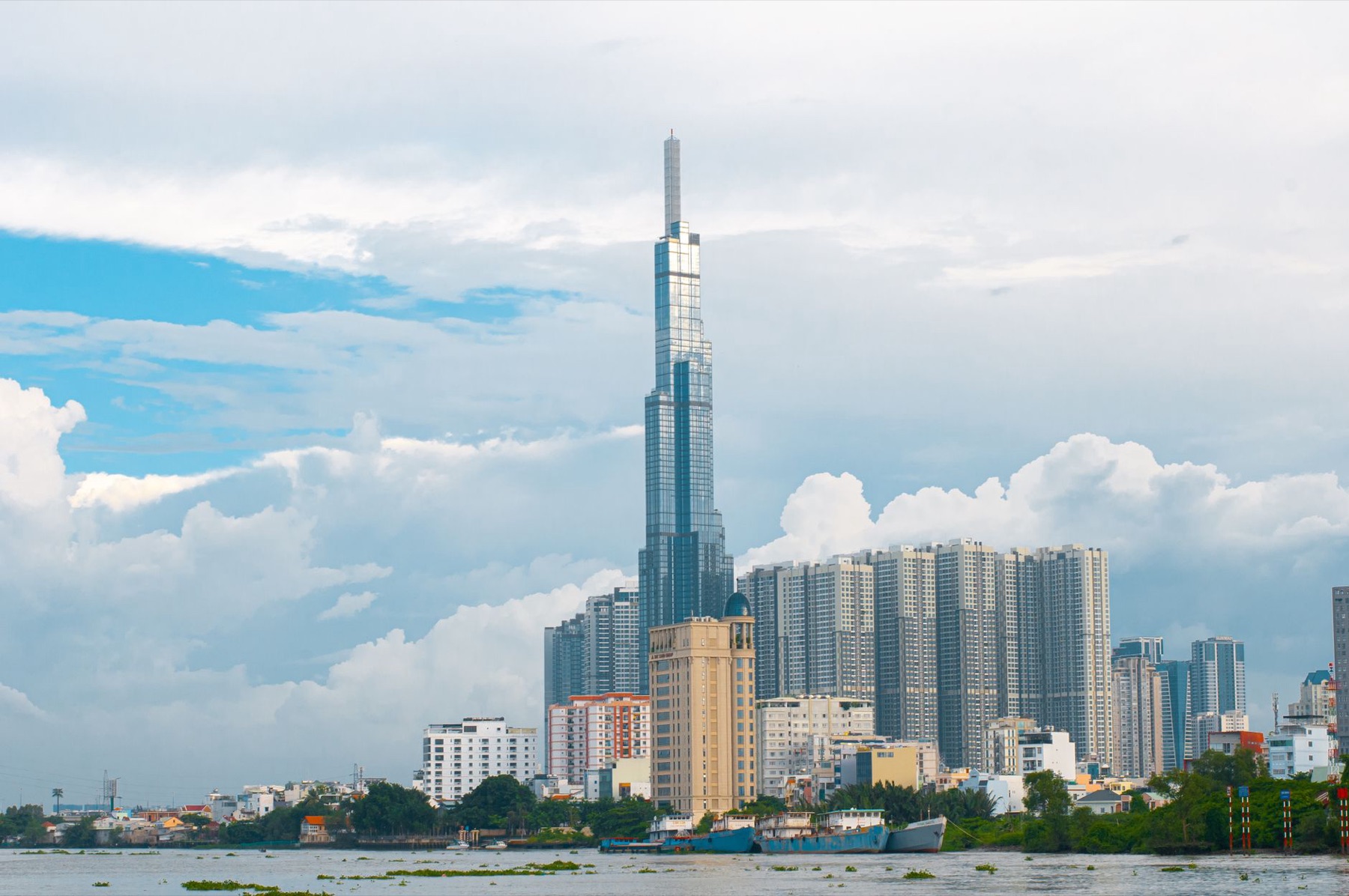
Vietnam's geography demands strategy. Hanoi works best with Old Quarter stays for street food and temple access; Hoan Kiem Lake proximity adds $5–10/night but cuts walking time. Ho Chi Minh City splits into three zones: District 1 (Nguyen Hue, Ben Thanh) for business travelers, Binh Thanh for quiet mid-range, and Thu Duc for budget backpackers. Hoi An's Ancient Town is walkable end-to-end; riverside properties feel romantic but book 3+ months ahead. Ha Long Bay islands mean overnight cruises—compare shore excursions vs. multi-day boat stays beforehand.
🗺️ Plan your route: Vietnam itinerary
What's the real cost: budget, mid-range, or luxury?
Prices shift seasonally. Budget hostels run around $8–14/night (VND ~190,000–330,000), with shared dorms and basic WiFi; mid-range hotels $30–60/night (VND ~710,000–1.4M) include private rooms, A/C, and breakfast; luxury chains $120–250/night (VND ~2.8M–5.9M) add pools, spas, and English-speaking staff. Off-season (May–August, November) cuts 15–25% off peak rates. Booking direct via hotel websites sometimes beats Agoda or Booking by $2–5/night—call and ask about "walk-in rates." Avoid peak holiday blocks (Tet in late January/early February, Sundays in District 1) or expect 40% markups.
| Accommodation Type | Who It's For | Typical Nightly Rate | What's Included |
|---|---|---|---|
| Hostel dorm | Solo backpackers, social travelers | $8–14 | Bed, WiFi, kitchen access |
| Mid-range private | Couples, small families | $35–65 | Room, A/C, breakfast, hot water |
| Boutique hotel | Experience seekers | $60–120 | Character, rooftop bar, local touches |
| Business chain | Corporate travelers, comfort-first | $80–150 | Gym, conference rooms, express checkout |
| Beachfront resort | Families, leisure groups | $100–200 | Pool, restaurant, water sports desk |
| Cruise ship (Ha Long) | Multi-day explorers | $120–400/person | Meals, tours, overnight cabin |
How do you avoid overbooking and fake room listings?
Read reviews chronologically—the most recent 10 tell the truth better than 4.8-star averages. Verify photos against current Google Street View; some listings use images from 5+ years ago. Confirm bed type, window access, and bathroom style before checkout (a "standard room with city view" might mean a hallway window). Message the hotel directly asking about current water pressure and WiFi speed—they'll answer honestly to avoid low ratings. For hostels, ask about noise levels and whether staff enforce quiet hours after 11 PM. Check cancellation policies; free cancellation up to 48 hours is standard; anything stricter suggests overbooking risk. Call the hotel's direct number (not booking-site support) to hold a room verbally for 24 hours.
📸 Book an ao dai photoshoot in Hanoi or Saigon (Cáo Studio)
Should you book before arrival or take a chance walking in?
High season (November–February) demands advance booking—walk-ins face $10–20 upcharges or full houses. Shoulder seasons (March–April, September–October) allow same-day negotiation; arriving by 2 PM lets you tour 3–4 options and settle at 10–15% below listed rates if you pay cash in VND. Low season (May–August) opens flexibility: book online 3 days ahead, then call the hotel the night before to confirm discounts for extended stays. Tet week (late January) is non-negotiable booking—prices triple and properties fill 90 days out. Our strategy: reserve your first night via Booking.com (refundable), scout alternatives in person, rebook if you find better value without losing deposits.

What should travelers actually pack for Vietnamese hotels?
Lightweight, quick-dry fabrics beat cotton. Bring one long-sleeve shirt (mosquitoes peak 6–9 PM in coastal areas); humidity ruins heavy luggage fast. Hotels provide towels but not always washcloths; pack a small one. A portable power bank saves battery life during countryside days. Universal adapter (220V, 50Hz) works in all hotels; many provide USB ports but rarely enough. Flip-flops for shared bathrooms if you're in hostels; private rooms are clean enough for barefoot. Toiletries: sunscreen (SPF 50+, hard to find outside Saigon), insect repellent with DEET (25%+), and any prescription medications in original bottles with English labels—customs scrutinizes unlabeled pills. One outfit for temple visits (knees and shoulders covered) matters more than you'd think; many boutique hotels provide ao dai robes; check if they offer photoshoots.
🎟️ Compare tours & tickets for this place
How do hotel amenities differ between regions?
Northern hotels (Hanoi, Sapa) emphasize WiFi and heating; expect inconsistent hot water in winter. Central properties (Hoi An, Ninh Binh) feature local art and terraces. Saigon's hotels cluster around business centers with 24-hour cafes and laundry. Coastal resorts (Ha Long) prioritize water access over lobby aesthetics. Budget backpacker circuits (Old Quarter Hanoi) often skip housekeeping—ask when your room gets cleaned if you're staying 3+ nights. Pay attention to pool depth and chlorine smell; some properties drain pools seasonally to save money. Wi-Fi speed varies wildly: test it in the lobby before checking in. Air-conditioning units in budget hotels are loud and temperamental; request a room facing away from generators.
Before traveling, get an eSIM so you're not hotel-WiFi dependent. Compare mobile coverage with your carrier's roaming rates—local eSIMs often cost $8–15 for 7 days and let you call Uber or navigate offline maps reliably.
---
What to check before you book
- Bed type confirmation: Twin vs. queen vs. two twins; some "double" rooms are actually singles pushed together.
- Window reality: "City view" often means a slit. Ask for photos of your specific floor.
- Cancellation window: Confirm the exact cutoff time (usually 48–72 hours before arrival, not checkout day).
- Breakfast details: Is it complimentary, and does it start early enough (6 AM) if you're day-tripping?
- Checkout flexibility: Some budget hotels enforce strict 11 AM checkout; ask about late checkout costs ($3–8) before booking families or long days.
- Proximity to transport: Measure walking distance to bus stations, train terminals, or airport shuttle pickup. Google Maps rarely accounts for alley shortcuts.
📸 Book an ao dai photoshoot in Hanoi or Saigon (Cáo Studio)
---
Wander in Vietnam has tested hotels across all 12 major regions. The best stays balance location, price, and honesty in photos. Book your first night refundable, arrive before 2 PM, and negotiate directly for weeks-long stays. Pack smart: quick-dry fabrics, a portable charger, and one temple-appropriate outfit beat any expensive luggage. Hotels in Vietnam are affordable enough that changing locations mid-trip costs less than regret—use that to your advantage. Explore our full Ho Chi Minh City hotel guide for neighborhood breakdowns and reserve with confidence.
FAQ
Do I need to pay hotels in USD or VND?
VND always. ATMs withdraw VND reliably; credit cards trigger 3–5% foreign-transaction fees. Mid-range and above accept cards; budget hostels want cash. Exchange rates at hotel desks are poor—withdraw from 24-hour ATMs at Vietcombank or Techcombank branches instead.
Are online hotel photos accurate or heavily filtered?
Mixed. Compare Google Maps Street View, recent reviews with photos, and call the hotel directly about water pressure and WiFi speed. Older listings use photos from 3+ years ago; ask the hotel for recent shots via email if you're unsure.
What's the cheapest month to book hotels in Vietnam?
May–September is low season (30–40% cheaper), but heat is intense and typhoons can cancel flights. April and October offer deals without extreme weather. November–February is peak; prices double and early booking (90+ days) is mandatory.
Do budget hostels in Vietnam have bedbugs?
Some do, like anywhere. Check mattress seams under the bed for dark spots before unpacking. Request a different room immediately if you find evidence. Take photos for your record. Hostels with high turnover and regular deep cleans are safer bets.
Should I book a week-long hotel stay upfront or book night-by-night?
Book night-by-night in high season to avoid being trapped; negotiate weekly discounts (10–15%) on arrival for low season. For Hoi An or Sapa in November–February, commit early—walk-in week-long rates are still 20% higher than advance bookings.
Can I get a refund if the hotel looks different than photos?
Yes, but only if you dispute within 48 hours via your booking platform with photo evidence. Booking.com and Agoda protect buyers; direct bookings require negotiation. Take photos of discrepancies immediately upon check-in.
FAQ
Do I need to pay hotels in USD or VND?
VND always. ATMs withdraw VND reliably; credit cards trigger 3–5% foreign-transaction fees. Mid-range and above accept cards; budget hostels want cash. Exchange rates at hotel desks are poor—withdraw from 24-hour ATMs at Vietcombank or Techcombank branches instead.
Are online hotel photos accurate or heavily filtered?
Mixed. Compare Google Maps Street View, recent reviews with photos, and call the hotel directly about water pressure and WiFi speed. Older listings use photos from 3+ years ago; ask the hotel for recent shots via email if you're unsure.
What's the cheapest month to book hotels in Vietnam?
May–September is low season (30–40% cheaper), but heat is intense and typhoons can cancel flights. April and October offer deals without extreme weather. November–February is peak; prices double and early booking (90+ days) is mandatory.
Do budget hostels in Vietnam have bedbugs?
Some do, like anywhere. Check mattress seams under the bed for dark spots before unpacking. Request a different room immediately if you find evidence. Take photos for your record. Hostels with high turnover and regular deep cleans are safer bets.
Should I book a week-long hotel stay upfront or book night-by-night?
Book night-by-night in high season to avoid being trapped; negotiate weekly discounts (10–15%) on arrival for low season. For Hoi An or Sapa in November–February, commit early—walk-in week-long rates are still 20% higher than advance bookings.
Can I get a refund if the hotel looks different than photos?
Yes, but only if you dispute within 48 hours via your booking platform with photo evidence. Booking.com and Agoda protect buyers; direct bookings require negotiation. Take photos of discrepancies immediately upon check-in.
More: Ho Chi Minh City travel guide · Where to stay in Ho Chi Minh City