Hanoi · Things to do
Unique Things to Do in Hanoi: Authentic Experiences Beyond the Tourist
By Wander in Vietnam editorial team · Hanoi, Vietnam
What do locals actually do for fun in Hanoi?
Most visitors stick to the Old Quarter's crowded lakeside cafés and temple tours. Real Hanoians spend early mornings practicing tai chi or jogging around Hoàn Kiếm Lake's perimeter, grab phở at neighborhood bowls (not tourist-branded chains), attend water puppet shows at the municipal theatre rather than commercial reproductions, and escape to Red River cycling routes or nearby craft villages on weekends. The gap between "things to do" and "things worth your time" is massive here.
🗺️ Plan your route: Vietnam itinerary
Why do craft villages matter more than museums?
Craft villages offer hands-on cultural immersion museums can't replicate. In Bát Tràng (20 km southeast, around 45 minutes by scooter or bus), you'll sit at a pottery wheel with multi-generation ceramicists, feel clay respond to pressure, and understand why Vietnamese ceramics shaped trade routes for centuries. In Hà Đông's silk cooperatives, watch women feed silkworms, observe dye vats that took decades to perfect, then weave a small piece yourself. These aren't performances; they're actual work you participate in. Entry typically runs 200,000–500,000 VND (around $8–$20 USD) including a workshop session.
The key: arrive by 8 AM, before tour groups. Bring cash (many don't accept cards). Eat lunch at the village—local rice shops charge 40,000–70,000 VND (around $1.60–$2.80 USD) for a full meal.
Which street-food neighborhoods beat the Old Quarter gauntlet?
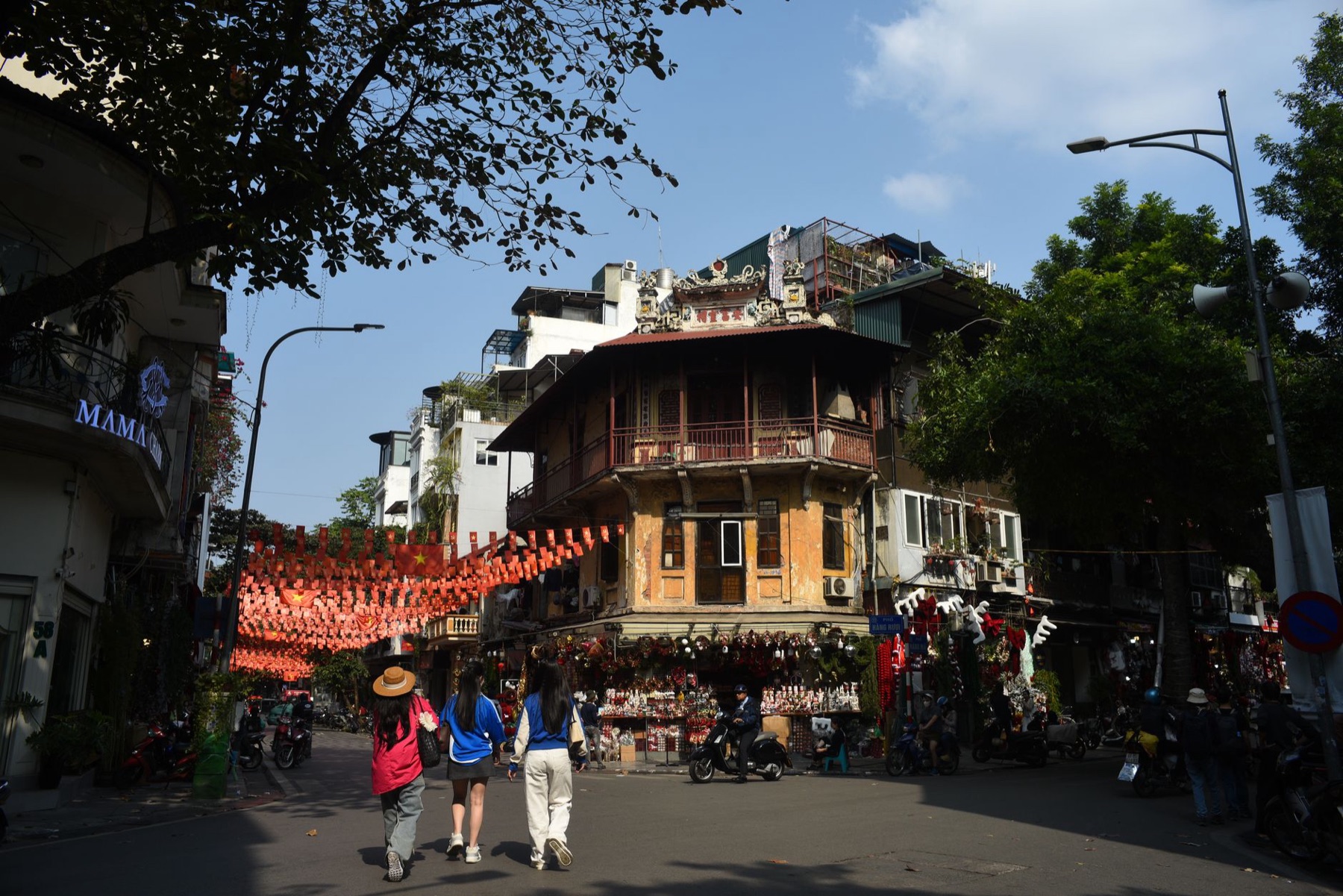
Thanh Xuân District's residential lanes—particularly around Trần Thái Tông and Hoàng Quốc Việt streets—host generations-old food stalls that locals queue for at dawn. Here's what you won't find marketed online:
- Bánh mì gà nướng (grilled chicken banh mi) carts: 35,000–50,000 VND (~$1.40–$2 USD), taste profile wildly superior to Old Quarter versions
- Chè cốt dừa (coconut dessert) spots open 4–10 PM only, thick, aromatic, 25,000 VND (~$1 USD)
- Cơm tấm chiên (crispy broken-rice) vendors: 50,000–70,000 VND (~$2–$2.80 USD), almost never English menus
- Egg coffee at side-street Trung Nguyên outlets: 35,000 VND (~$1.40 USD), fresher than brand-name cafés
Scam alert: if a "local" approaches you in the Old Quarter recommending a neighborhood restaurant, they're likely earning commission. Walk past them, ask a street vendor instead, or use Google Maps's "Popular times" filter.
How do you actually see water puppets like a Hanoian?
Skip the tourist-focused commercial shows. The Mua Roi Nuoc (Municipal Water Puppet Theatre) on Đinh Tiên Hoàng Street, Hoàn Kiếm District, stages authentic performances in Vietnamese. Shows are 20,000–100,000 VND (around $0.80–$4 USD) depending on seat position; arrive 30 minutes early to observe puppeteers preparing. Performances typically run 8 PM weekdays, 5 PM and 8 PM weekends. Bring binoculars if you're far back—the puppets are small, and detail matters.
The difference: tourist venues use exaggerated movements and simplified narratives. The municipal theatre preserves the 1,000-year-old storytelling form—watch how veteran puppeteers make wood speak without dialogue.
What's the best way to cycle beyond the city?
| Route | Distance | Duration | Difficulty | What You See |
|---|---|---|---|---|
| Red River dike loop (Hà Đông sector) | 25–35 km | 4–5 hours | Easy–moderate | Rural villages, water buffalo, sugar cane fields, local markets |
| Perfume Pagoda approach (via Mỹ Đức) | 40 km one way | 6–7 hours | Moderate | limestone karst, river valleys, temple approach |
| Thạch Thất loop (western suburbs) | 30 km | 4 hours | Easy | agricultural communes, fish farms, orchards, minimal traffic |
Rent bikes directly from guesthouses in Hoan Kiếm or Tây Hồ districts—costs run 50,000–120,000 VND/day (around $2–$4.80 USD). Avoid main roads (Highway 1, 2) during rush hours (6–8 AM, 5–7 PM). Bring sun protection, water, and a phone with offline maps. Start 6–7 AM; by noon, heat becomes punishing.
📸 Book an ao dai photoshoot in Hanoi or Saigon (Cáo Studio)
Which hidden lake and temple combos beat Hoàn Kiếm?
Tây Hồ (West Lake), Hanoi's larger, quieter counterpart, draws fewer selfie sticks. Walk the 7 km perimeter trail at sunrise—you'll pass elderly tai chi groups, joggers, and fishermen. Trấn Quốc Pagoda sits on a peninsula protruding into the lake; entry is free (small donations accepted, 10,000–50,000 VND). The temple dates to the 6th century and feels lived-in, not museumified. Nearby, Thảo Điền Pagoda offers a shaded courtyard where monks chant afternoon sutras (4–5 PM)—you can sit silently without charge.
Grab coffee at lakeside bia hơi stalls (draft beer bars, 15,000–30,000 VND per glass, around $0.60–$1.20 USD) and watch fishermen cast nets. This is how Hanoians spend Sunday afternoons—not performing tourism, just living.
What should you check before booking any experience?
Before committing to a tour or workshop:
- Verify the guide speaks YOUR language. Hotel concierges sometimes book guides fluent in Vietnamese only.
- Confirm start/end times and what's included. "Food tour" might mean 3 stops or 8; ask exactly which stalls.
- Check the itinerary against Google Maps. If the route includes 10 locations in 4 hours, you're speed-touring, not exploring.
- Ask whether payment is cash-only. Rural workshops and village guides rarely accept cards.
- Confirm group size. Solo travelers often get paired with large tour groups, defeating authenticity.
- Read recent reviews mentioning specific years (2025–2026). Hanoi changes fast; 2-year-old reviews may describe defunct stalls.
🎟️ Compare tours & tickets for this place
---
Honest opinion: what's overrated?
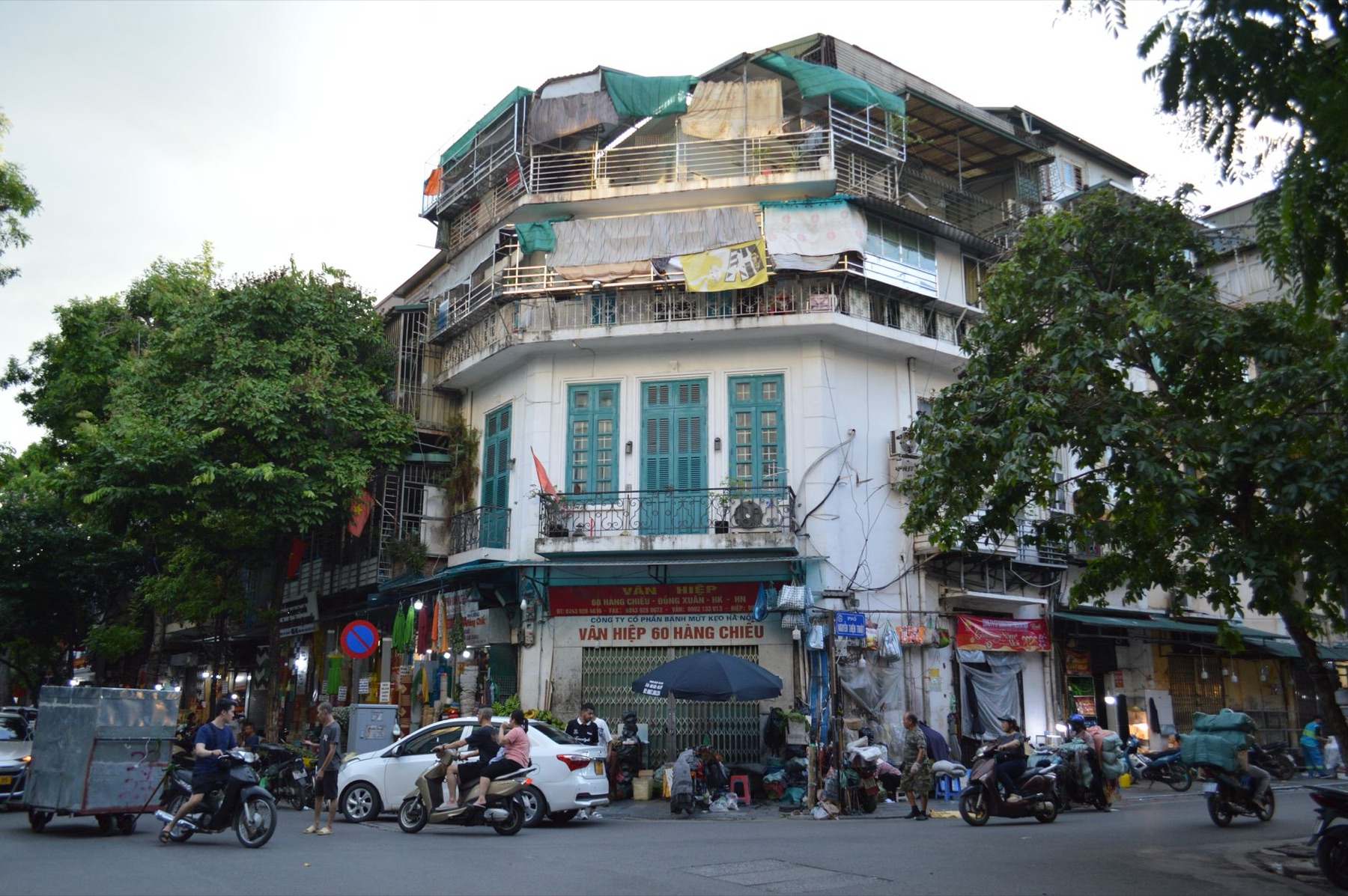
The 36 Streets of the Old Quarter are worth a walk, but lingering isn't. Most Old Quarter "local experiences" are repackaged for tourists—art galleries selling the same prints, restaurants with English menus and triple-market prices, souvenir shops with identical stock. Real discovery requires cycling into Ba Đình or Hoàn Kiếm's residential blocks, or taking a bus out to the craft villages.
Better investment of time: one morning in a craft village beats three evenings in the Old Quarter.
---
Pairing your Hanoi experiences with a memento
After cycling the Red River dikes, visiting pottery villages, or capturing dawn at Tây Hồ, consider preserving the moment:
| Gift Type | Best For | Why It Works |
|---|---|---|
| Ceramic keepsake box | Souvenir from Bát Tràng workshop | You watched it made; direct connection to artisan |
| Custom star map print (night sky from your Hanoi dates) | Memory of Tây Hồ sunrise or night market visit | Marks the exact time/place you were there |
| Framed textile weaving | After silk-village apprenticeship | Your hands touched this craft; tangible proof |
| Photo book from ao dai shoot | Capturing authentic Hanoi moments | Professional documentation of your time here |
📸 Book an ao dai photoshoot in Hanoi or Saigon (Cáo Studio) — our sister studio arranges full glam + makeup for travelers, then you shoot around real Hanoi neighborhoods: lakeside temples, narrow alleys, morning street scenes. Prints arrive within weeks of your return home.
For flowers to send back to someone special, Hoa Lang Thang delivers fresh arrangements across Hanoi—useful if you're leaving a partner or friend behind and want a same-day farewell gift.
---
Extending beyond Hanoi
Once you've exhausted Hanoi's authenticity, day trips and overnights open other layers:
- Ha Long Bay (3.5 hours east): limestone karst kayaking and cave exploration.
- Ninh Binh (2 hours south): rural river cycling and ancient capital temples.
- Sapa (6 hours northwest): mountain trekking and ethnic village homestays.
- Hoi An (12 hours south by bus/train): lantern-lit ancient town and tailor workshops.
- Ho Chi Minh City (2 hours flight): War Remnants Museum and Mekong Delta day trips.
🗺️ Plan your route: Vietnam itinerary helps you sequence these regions without backtracking.
Practical logistics: grab an eSIM for Vietnam before leaving your hotel so you can navigate offline maps and message guides. If you haven't already, confirm your Vietnam e-visa status before arrival.
---
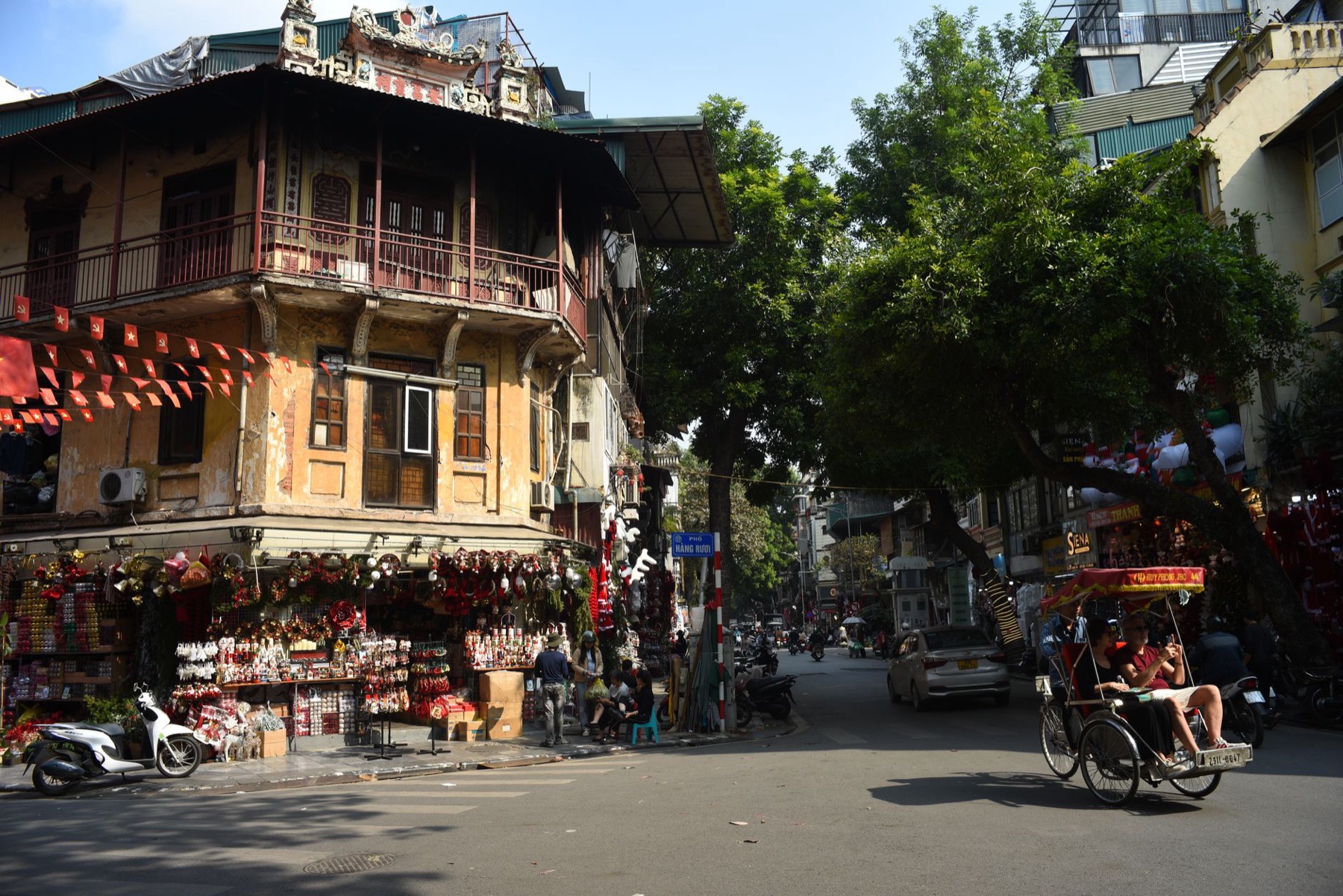
Hanoi rewards curiosity over itineraries. Skip the vendor-packed corners, rent a bike at dawn, eat where Hanoians eat, and let inefficiency teach you the city's rhythm. That's where real travel happens.
FAQ
Is it safe to cycle in Hanoi traffic?
Traffic is chaotic but rarely aggressive. Cycle on dikes and suburban roads, not central streets during rush hours. Wear bright clothes, use hand signals, and assume no one sees you. Most accidents involve tourists cycling after dark or drunk.
Do craft villages do English-language workshops?
Many do, but quality varies wildly. Ask your guesthouse to call ahead (they'll negotiate better rates). Smaller family workshops are often more authentic; larger "tourist cooperatives" feel staged. Arrive early and ask to work with actual artisans, not demo staff.
What's the cheapest time to visit Hanoi?
May–August (summer, 35–40°C heat) and September–October (post-monsoon, humid). November–March is ideal (20–25°C, dry) but pricier. Budget hotels cost 150,000–300,000 VND/night (around $6–$12 USD); street food runs 30,000–80,000 VND (around $1.20–$3.20 USD) per meal.
Can I do a pottery workshop without prior experience?
Absolutely. Bát Tràng workshops teach wheel-throwing basics in 2–3 hours. You won't master it, but you'll understand the craft. Expect to break things; that's the learning curve. Most workshops let you keep or have a kiln-fired piece mailed to your home address.
How do I avoid getting ripped off by taxi drivers?
Use Grab (Southeast Asia's Uber equivalent) instead. Traditional taxis often run meters incorrectly for tourists. If you must use a taxi, insist on the meter and confirm it starts at zero before moving. Agree fares with motorbike taxis in advance; short trips typically cost 30,000–60,000 VND (around $1.20–$2.40 USD).
Is motorbike rental a good idea for independent touring?
Only if you have prior motorbike experience and are comfortable in high-density traffic. Insurance is cheap (around 50,000 VND/day, or $2 USD), but accident outcomes are severe. Cycles, buses, or Grab are safer for tourists. If you insist, rent from established guesthouses with clear damage policies.
What's the real cost of eating in Hanoi versus tourist-marketed prices?
Local phở: 40,000–60,000 VND (~$1.60–$2.40 USD). Tourist-area phở: 100,000–150,000 VND (~$4–$6 USD). Sit where Hanoians eat—usually cramped, plastic stools, no English menu—and prices drop 50–70%. Street snacks (bánh mì, chè) are uniformly cheap (20,000–50,000 VND, around $0.80–$2 USD) across all neighborhoods.
FAQ
Is it safe to cycle in Hanoi traffic?
Traffic is chaotic but rarely aggressive. Cycle on dikes and suburban roads, not central streets during rush hours. Wear bright clothes, use hand signals, and assume no one sees you. Most accidents involve tourists cycling after dark or drunk.
Do craft villages do English-language workshops?
Many do, but quality varies wildly. Ask your guesthouse to call ahead (they'll negotiate better rates). Smaller family workshops are often more authentic; larger "tourist cooperatives" feel staged. Arrive early and ask to work with actual artisans, not demo staff.
What's the cheapest time to visit Hanoi?
May–August (summer, 35–40°C heat) and September–October (post-monsoon, humid). November–March is ideal (20–25°C, dry) but pricier. Budget hotels cost 150,000–300,000 VND/night (around $6–$12 USD); street food runs 30,000–80,000 VND (around $1.20–$3.20 USD) per meal.
Can I do a pottery workshop without prior experience?
Absolutely. Bát Tràng workshops teach wheel-throwing basics in 2–3 hours. You won't master it, but you'll understand the craft. Expect to break things; that's the learning curve. Most workshops let you keep or have a kiln-fired piece mailed to your home address.
How do I avoid getting ripped off by taxi drivers?
Use Grab (Southeast Asia's Uber equivalent) instead. Traditional taxis often run meters incorrectly for tourists. If you must use a taxi, insist on the meter and confirm it starts at zero before moving. Agree fares with motorbike taxis in advance; short trips typically cost 30,000–60,000 VND (around $1.20–$2.40 USD).
Is motorbike rental a good idea for independent touring?
Only if you have prior motorbike experience and are comfortable in high-density traffic. Insurance is cheap (around 50,000 VND/day, or $2 USD), but accident outcomes are severe. Cycles, buses, or Grab are safer for tourists. If you insist, rent from established guesthouses with clear damage policies.
What's the real cost of eating in Hanoi versus tourist-marketed prices?
Local phở: 40,000–60,000 VND (~$1.60–$2.40 USD). Tourist-area phở: 100,000–150,000 VND (~$4–$6 USD). Sit where Hanoians eat—usually cramped, plastic stools, no English menu—and prices drop 50–70%. Street snacks (bánh mì, chè) are uniformly cheap (20,000–50,000 VND, around $0.80–$2 USD) across all neighborhoods.
More: Hanoi guide · Things to do in Hanoi