Hanoi · Things to do
Unique Things to Do in Hanoi: Beyond the Guidebook
By Wander in Vietnam editorial team · Hanoi, Vietnam
Hanoi rewards patience and curiosity over rushing. The city doesn't photograph the same way twice. What makes it singular isn't one landmark—it's layers: the smell of charcoal grills at 2 a.m., cyclos dodging scooters, cyclo drivers knowing every alley by nickname, street vendors who've held the same corner for thirty years.
Most visitors arrive with a checklist: Hoan Kiem Lake, Ho Tay, the Huc Bridge. We skip the crowded morning laps and instead guide you toward what actually sticks.
What's the real reason people visit Hanoi?
Hanoi isn't a city you see in a weekend. It's a city you feel—the constant hum of scooter horns, the smell of lemongrass and fish sauce drifting from kitchen to street, the way a cyclo driver remembers your hotel from a conversation a year ago. Visitors come for the temples and markets, yes, but stay for the texture: the friction between ancient and brand-new, French-era shutters next to neon karaoke signs, grandmothers selling herbs in alleyways while their grandkids livestream from coffee shops.
The genuine draw is neighborhood texture, not attractions. Spend a morning in Hang Buom Street watching silversmiths hammer tradition. Watch cyclo drivers navigate Hoan Kiem's evening chaos. Order phở from a stall where the owner won't smile until your third visit—that's when you're trusted.
Which neighborhoods should you actually walk through?
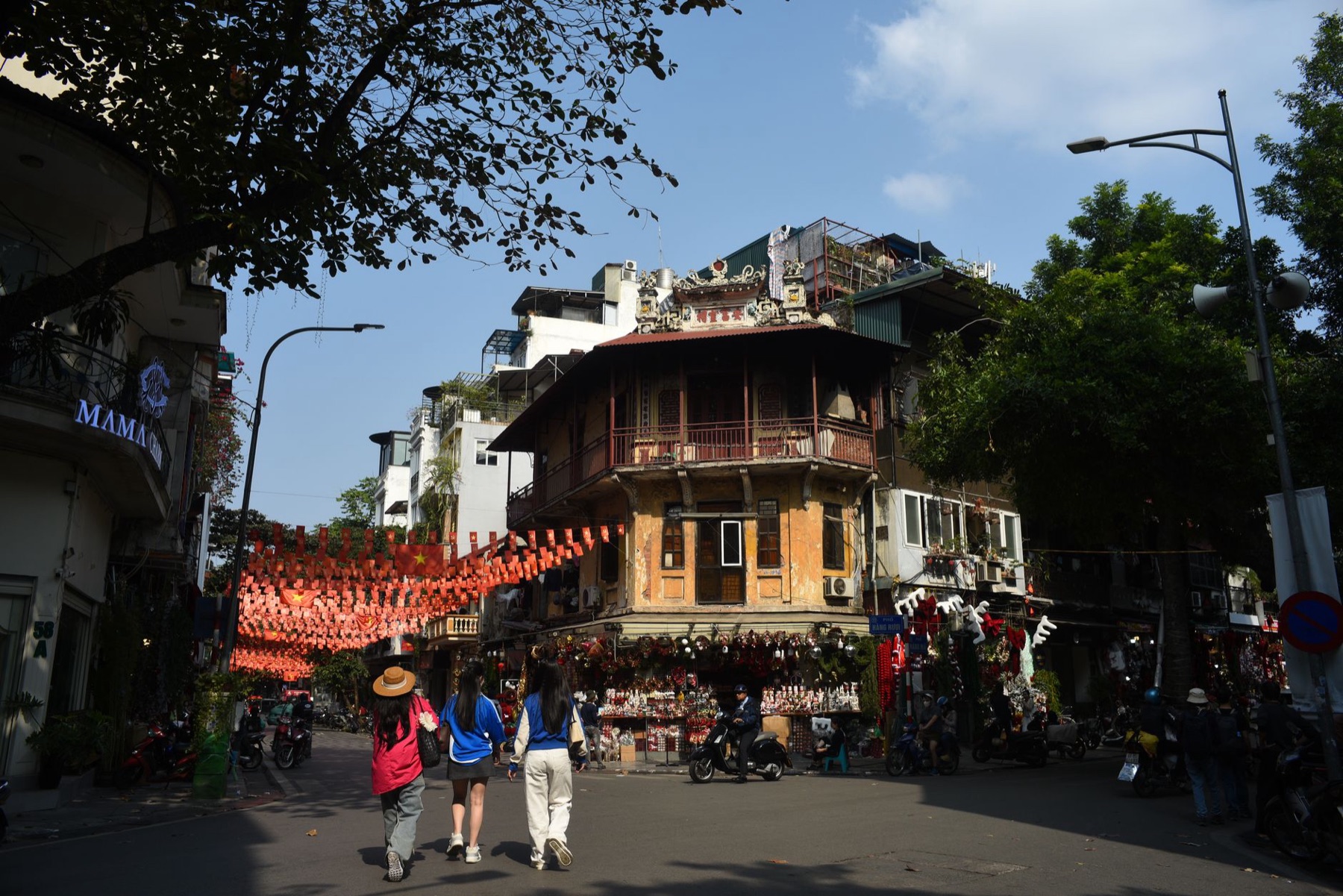
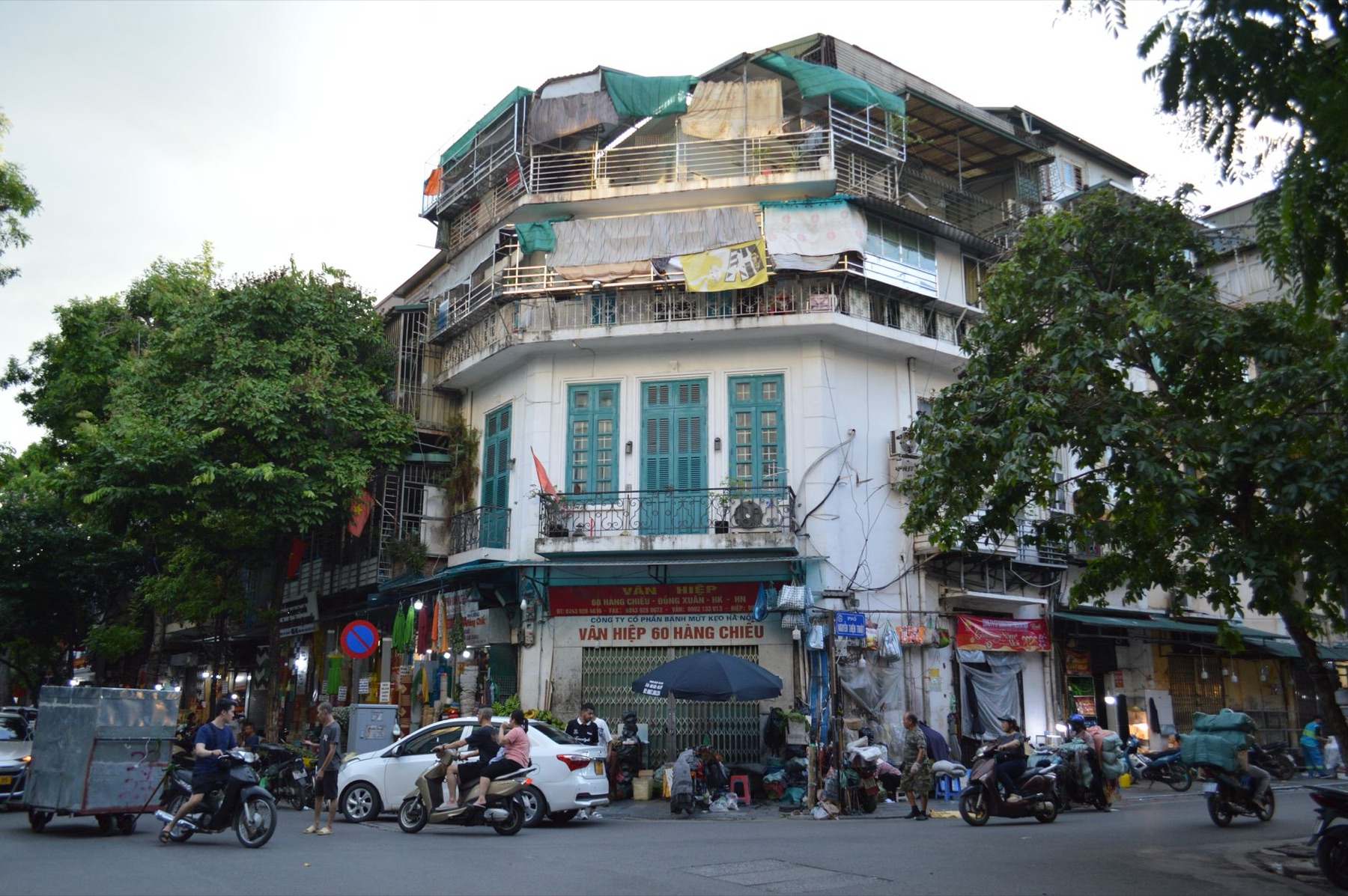
Old Quarter (Hoan Kiem District) The heart still beats. Ignore the postcards and walk at dusk when tour groups leave. The narrow "36 Streets" are named for the guild they once housed—Hang Bac was silver, Hang Gai was silk. Now they're tangled gift shops and tourist trap restaurants. Skip the ones with laminated menus and photos outside. Instead: eat at family-run phở stalls (around 40,000–60,000 VND / $2–3 for a bowl) where plastic stools outnumber chairs. Wander down Hang Dau for street-level fabric vendors. Peak hours are 11 a.m.–1 p.m. and 5–7 p.m.
Hoang Hoa Tham (Ba Dinh District) A working neighborhood most tourists never reach. Real coffee shops—not Instagram cafés—line the street. Locals call it "Pho Rua" (Turtle Street) because of the old turtle pond. Coffee costs around 25,000–40,000 VND ($1–2) and you'll sit for hours without pressure. No English menus. The Western Lake (Ho Tay) is steps away but feels worlds apart.
Thanh Xuan—Thanh Tri Boundary (East Bank) Where you'll find Dong Xuan Night Market (officially: Cho Dong Xuan, operates Fridays–Sundays from ~6 p.m. onward). Not the day market—the night version, when locals buy wholesale. Textiles, kitchen tools, snacks you've never seen. No tour buses. Haggle expected. Budget 100,000–300,000 VND ($5–15) for serious browsing.
Tran Hung Dao (Hoan Kiem District) The street itself—not an attraction but a passage. Cyclo drivers, fabric shops, print studios, old bookstalls. Walk it at 7 a.m. when delivery trucks block sidewalks. You'll find used bookshops selling worn French texts and dog-eared Lonely Planet guides from 2005.
What street-food experiences beat the tours?
Tour groups eat phở in air-conditioned restaurants. Real Hanoi eats standing up.
Bánh mì stands (early morning, 6–7 a.m.) Find a corner in the Old Quarter where a vendor sets up before dawn. Bánh mì costs around 20,000–35,000 VND ($1–1.50). The bread—crucial—comes fresh from a bakery steps away. Fillings: pâté, pickled daikon, cilantro, chilies. Eat there, standing. This is where locals eat before work.
Crab noodle soup (Bánh canh)—evening, any street corner Around 40,000–70,000 VND ($2–3.50) per bowl. Thick tapioca noodles, crab broth, pork. Vendors set up after 4 p.m. on side streets in the Old Quarter and Ba Dinh. Seat yourself on tiny plastic stools. Eat fast—vendors close by 8 p.m.
Night markets (Friday–Sunday, 6 p.m.–midnight) Dong Xuan Night Market is food and goods mixed. Grilled items, spring rolls, snacks. Prices: 15,000–50,000 VND per item ($0.75–2.50). Arrive around 7 p.m. when crowds build but chaos hasn't peaked.
Escargot (Ốc)—evening, small alleys Boiled snails with lime and chili. Around 50,000–120,000 VND per plate ($2.50–6). Eat with toothpick, sip the broth. Found in side-street stalls in the Old Quarter and around Hoan Kiem Lake at dusk.
How do you visit temples as a traveler, not a tourist?
Temple of Literature (Van Mieu) Officially open 8 a.m.–5 p.m. daily. Admission: around 30,000 VND ($1.50). Arrive before 8:30 a.m. or after 4 p.m. to avoid school groups. It's a working exam site and ancient university, not just a photo op. Read the stele inscriptions—they're 700+ years old. Hire a guide inside the gate (university student guides, around 200,000–300,000 VND / $10–15 for 1–2 hours) rather than accepting street offers.
One Pillar Pagoda (Chua Mot Cot) 11th-century wood and stone. Open 7:30 a.m.–12 p.m., 1–5 p.m. Admission: around 25,000 VND ($1.25). Go early; crowds pile up mid-morning. It's small—ten minutes max. The real visit is the surrounding Ba Dinh Plaza grounds at dusk.
Tran Quoc Pagoda (Chua Tran Quoc) West Lake's oldest temple, dating to the 6th century. Free to enter. Best at sunrise when monks chant and locals exercise around the lake. The temple is working—not a museum. Visitors are welcome but dress modestly and avoid loud talking.
Jade Mountain Temple (Jade Island Temple) On Hoan Kiem Lake's island. Admission: around 30,000 VND ($1.50). The bridge—the iconic "Huc Bridge"—is the photo. The temple itself is two small rooms. Go at 6–7 a.m. when light softens and vendors haven't started.
Scam to avoid: Street vendors outside temples claiming "temple closed today, come back with me." Not true. Don't leave the temple grounds with unofficial guides.
How should you document and remember Hanoi?
Most visitors buy generic t-shirts and key chains. A better approach: commission work or choose pieces tied to your actual visit.
| Keepsake Type | Best For | Why It Works |
|---|---|---|
| Ao dai photoshoot (Cáo Studio, Hanoi) | Couples, solo travelers, cultural immersion | Worn in-location, styled with makeup; delivered digitally + printed |
| Hand-drawn map print (neighborhood-specific) | Visual learners, frequent travelers | Marks streets you walked, vendors you ate from; fits any frame |
| Silk scarf (Hang Gai Street vendor) | Gift-givers, fashion-conscious visitors | Woven in the neighborhood itself; lasts decades |
| Vintage postcard set (used bookstalls, Tran Hung Dao) | History buffs, nostalgic travelers | Real 1960s–80s Hanoi imagery; around 50,000–150,000 VND ($2.50–7.50) |
| Water puppet show ticket + program | All travelers | Unique art form; souvenir program doubles as memory |
| Wooden lacquerware bowl | Home décor lovers | Handmade; useful; carries weight of craft tradition |
📸 Book an ao dai photoshoot in Hanoi or Saigon (Cáo Studio)
For keepsakes that matter, avoid department-store blankets. Instead: commission a portrait session with an ao dai (traditional dress), buy a hand-drawn map of your walking routes, or pick up a silk scarf or lacquerware directly from artisans in neighborhoods you visited. These tie memory to place in ways generic souvenirs never do.
We recommend carrying a small notebook during walks—jot vendor names, alley corners, dish names. This becomes your personal Hanoi guide for future visits or recommendations to friends.
When should you skip Hanoi's overhyped attractions?
Wander in Vietnam calls out what doesn't deserve your time:
Hoan Kiem Lake walk at midday It's crowded, hot, and vendors aggressively sell everything. Better: walk at 6–7 a.m. or 6–7 p.m. with locals doing tai chi or jogging. Same lake, no chaos.
"Cooking class" in tourist zones Many are theater—pre-chopped ingredients, written scripts, a photo at the end. If you want to cook, find a family in a neighborhood like Hoang Hoa Tham who'll teach you their recipes, not a packaged version. Budget around 500,000–800,000 VND ($25–40) for a real two-hour session with lunch.
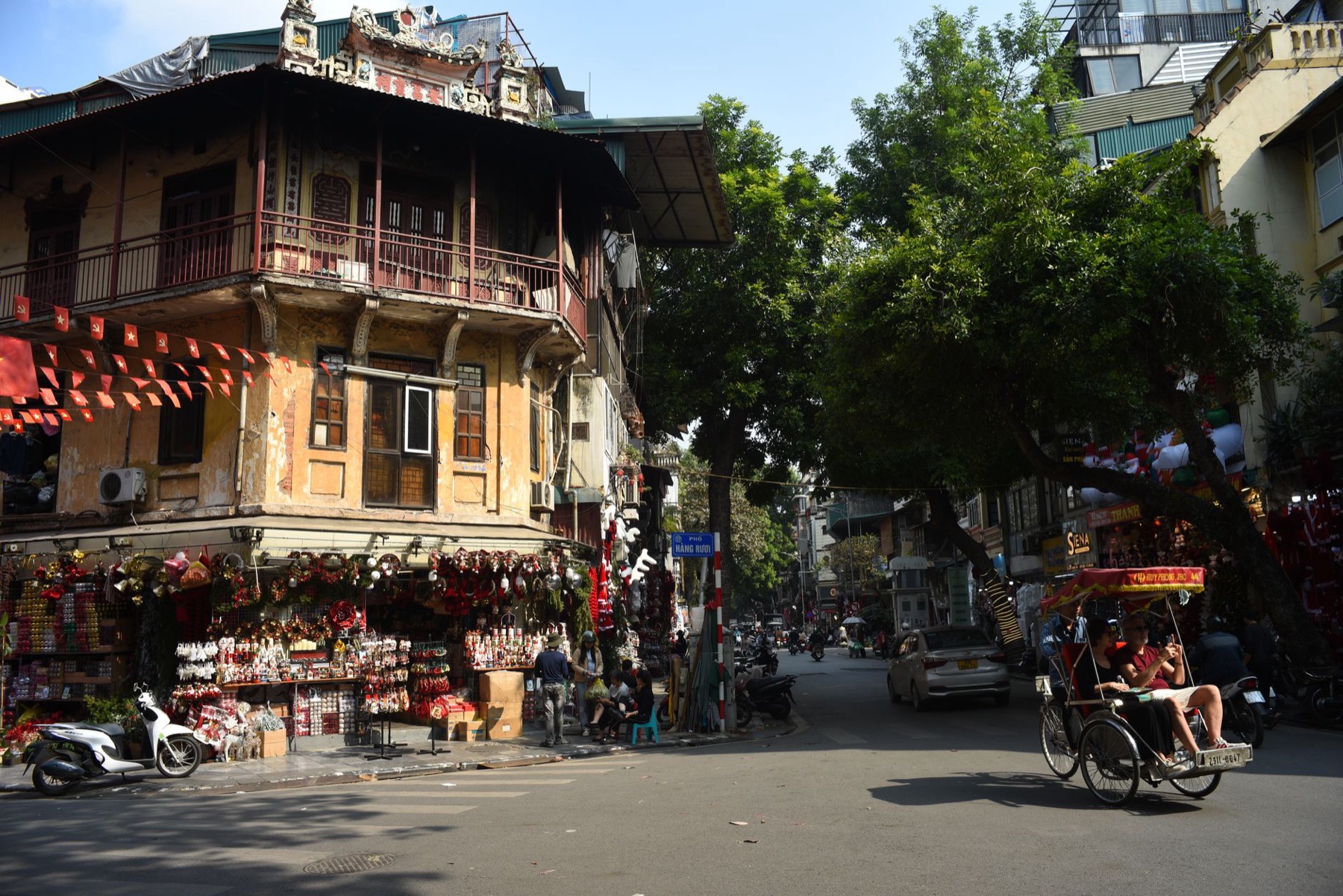
Cyclo "romance rides" booked from hotels Hotels mark up 3–5x. Instead: hire a cyclo driver from the street (negotiate first—around 100,000–200,000 VND / $5–10 for an hour). Talk to the driver; they'll take you past tourist checkpoints into neighborhoods no tour hits.
Train Street (Hang Cot) Now fenced off for safety. The Instagram shoot is over. The neighborhood—yes, explore it. The street itself—skip it.
Water puppetry at big venues The art form is real, but mainstream theaters feel corporate. Instead: ask your hotel if smaller neighborhood temples hold shows (rare, seasonal, requires luck). Main-theater tickets: around 100,000–150,000 VND ($5–7.50).
---
How do you plan authentic days in Hanoi?
Morning (6–8 a.m.): Breakfast & streets Wake early. Eat bánh mì or phở standing up where vendors serve locals. Walk a neighborhood—don't aim for "coverage," just wander one street repeatedly to see it change.
Mid-morning (8 a.m.–12 p.m.): Temple or market Visit one temple before crowds (Temple of Literature, Tran Quoc, or Jade Mountain) or explore a neighborhood market like Dong Xuan (day section) or a smaller market in Ba Dinh or Hoan Kiem.
Lunch (12–1:30 p.m.): Sit down Find a family restaurant (no English menu—good sign). Point at neighbors' dishes. Expect 60,000–120,000 VND ($3–6) for a real meal with rice, protein, soup, vegetables.
Afternoon (2–5 p.m.): Neighborhood deep-dive Choose one street or corner. Sit in a coffee shop. Chat with the owner if English allows. Walk side alleys. Sketch or photograph details only you notice.
Evening (5–8 p.m.): Street food & movement Eat bánh canh or ốc (escargot) from a vendor. Walk Hoan Kiem Lake's edges at dusk. Watch cyclo traffic. Ride one cyclo to a quiet corner just to move slowly.
Night (8 p.m.–midnight): Markets or sleep Friday–Sunday: visit Dong Xuan Night Market. Otherwise: find a beer corner (bia hơi—draught beer bars, cheap, social) and sit with locals.
🗺️ Plan your route: Vietnam itinerary
---
What to check before your Hanoi trip
- Visa: US, UK, Australian, EU citizens need a Vietnam visa. Budget time; check requirements here.
- Connectivity: Get a local eSIM or SIM card. eSIM options for Vietnam offer 5–10 day delivery to US addresses.
- Cash: ATMs are plentiful; withdraw 2–5 million VND ($100–250 USD equivalent) for a week. Cards are accepted in chain restaurants but not street vendors.
- Footwear: Hanoi's Old Quarter has tight, uneven alleys. Wear comfortable, closed-toe shoes. Flip-flops attract mosquitoes at dusk.
- Language: Learn "hello" (xin chào), "thank you" (cảm ơn), "how much?" (bao nhiêu tiền?). Older locals—especially cyclo drivers and vendors—rarely speak English. Smiling works better than speed.
- Respect: Remove shoes in temples and homes. Don't point with one finger. Dress modestly in religious sites (shoulders, knees covered).
- Scooter safety: Never rent a scooter if you don't have experience. Hanoi traffic is controlled chaos; one mistake is serious.
---
Bringing Hanoi home
After your stay, honor what you've learned. If you photographed Hang Gai Street's silk vendors, buy directly from them next visit—not a department store. If a café owner remembered your order, return. If you sketched a temple, frame the sketch. Memory-keeping isn't about stuff—it's about returning mentally to the moment and the person you met there.
For formal memory-keeping, we recommend:
- A framed hand-drawn map of streets you walked (neighborhood-specific, custom-ordered from a designer in Hanoi or Saigon).
- An ao dai photoshoot session in-location, capturing you in traditional dress in the neighborhoods you loved.
- A silk scarf or lacquerware bowl bought directly from an artisan in the Old Quarter or Ba Dinh.
🎟️ Compare tours & tickets for this place
These keepsakes tie to place and moment in ways mass-produced souvenirs never can.
---
Next steps in Vietnam
Once you've spent 3–5 days in Hanoi, consider day trips or longer journeys:
- Ninh Binh (2–3 hours south): limestone karsts, biking, less tourism than Ha Long.
- Ha Long Bay (3–4 hours northeast): overnight cruises, but verify environmental practices before booking.
- Sapa (6+ hours northwest): mountain trekking, Hmong villages, cooler climate.
- Hoi An (12+ hours south): old town, tailoring, quieter beach culture.
- Ho Chi Minh City (2 flights or 30+ hours overland): Saigon's energy, War Remnants Museum, Mekong Delta access.
For a full-country route, plan your Vietnam itinerary here.
---
📸 Book an ao dai photoshoot in Hanoi or Saigon (Cáo Studio)
FAQ
How much money should I budget per day in Hanoi?
Budget $30–50/day for budget travelers (street food, cheap guesthouses, free temples). Mid-range visitors: $60–100/day. Splurging: $150+. Street food is 20,000–60,000 VND ($1–3). Mid-range meals: 100,000–200,000 VND ($5–10).
Is Hanoi safe for solo travelers?
Yes, generally very safe. Violent crime against tourists is rare. Scams exist—overcharging, fake cyclo routes, fake tour operators. Avoid street offers; book guides through hotels or official channels. Women solo travelers report normal safety; use typical urban awareness (don't flash cash, travel groups at night).
What's the best time to visit Hanoi?
October–November and February–April. Summer (May–September) is hot, humid, monsoon-prone (30°C+, rainfall). Winter (December–January) can be cool and misty but clear. Avoid Tet (Lunar New Year, January–February)—many businesses close, prices spike.
Should I take a tour or explore alone?
Explore alone for neighborhoods and street food; hire a guide for temples or history. Solo walking builds confidence and finds hidden corners. Guides add context (Temple of Literature's stele history, for example). Compromise: hire a guide for one morning, then explore freely.
How do I avoid food poisoning?
Eat where locals eat and turnover is fast (busy stalls, not quiet restaurants with pre-made food). Street food is generally safe if cooked fresh in front of you. Avoid raw vegetables from street vendors unless you see them washed. Drink bottled or boiled water; some hotels provide filtered water free.
What's a realistic itinerary for 4 days in Hanoi?
Day 1: Old Quarter walks, phở breakfast, Temple of Literature, evening Hoan Kiem Lake. Day 2: Hoang Hoa Tham neighborhood, West Lake, coffee shops, evening bia hơi. Day 3: Day trip to Ninh Binh or stay local—Tran Quoc Pagoda, cyclo ride, night market (Fri–Sun). Day 4: Neighborhood revisit, last meals, souvenirs, departure.
FAQ
How much money should I budget per day in Hanoi?
Budget $30–50/day for budget travelers (street food, cheap guesthouses, free temples). Mid-range visitors: $60–100/day. Splurging: $150+. Street food is 20,000–60,000 VND ($1–3). Mid-range meals: 100,000–200,000 VND ($5–10).
Is Hanoi safe for solo travelers?
Yes, generally very safe. Violent crime against tourists is rare. Scams exist—overcharging, fake cyclo routes, fake tour operators. Avoid street offers; book guides through hotels or official channels. Women solo travelers report normal safety; use typical urban awareness (don't flash cash, travel groups at night).
What's the best time to visit Hanoi?
October–November and February–April. Summer (May–September) is hot, humid, monsoon-prone (30°C+, rainfall). Winter (December–January) can be cool and misty but clear. Avoid Tet (Lunar New Year, January–February)—many businesses close, prices spike.
Should I take a tour or explore alone?
Explore alone for neighborhoods and street food; hire a guide for temples or history. Solo walking builds confidence and finds hidden corners. Guides add context (Temple of Literature's stele history, for example). Compromise: hire a guide for one morning, then explore freely.
How do I avoid food poisoning?
Eat where locals eat and turnover is fast (busy stalls, not quiet restaurants with pre-made food). Street food is generally safe if cooked fresh in front of you. Avoid raw vegetables from street vendors unless you see them washed. Drink bottled or boiled water; some hotels provide filtered water free.
What's a realistic itinerary for 4 days in Hanoi?
Day 1: Old Quarter walks, phở breakfast, Temple of Literature, evening Hoan Kiem Lake. Day 2: Hoang Hoa Tham neighborhood, West Lake, coffee shops, evening bia hơi. Day 3: Day trip to Ninh Binh or stay local—Tran Quoc Pagoda, cyclo ride, night market (Fri–Sun). Day 4: Neighborhood revisit, last meals, souvenirs, departure.
More: Hanoi guide · Things to do in Hanoi