Ho Chi Minh City · Things to do
Unusual Things to Do in Ho Chi Minh City Beyond Tourism
By Wander in Vietnam editorial team · Hanoi, Vietnam
Beyond the standard Saigon postcard sits a city that most international tourists never taste: motorbike vendors sling pizza into your helmet; murals cover warehouse walls in plain daylight; locals still queue at family-run coffee shops that haven't changed since 1995. Ho Chi Minh City rewards visitors willing to step sideways from the guidebook.
What makes Cu Chi Tunnels different from War Remnants Museum tours?
The War Remnants Museum (District 1, Vo Van Tan Street) documents history in air-conditioned rooms; Cu Chi Tunnels (Hoc Mon District, ~40 km northwest) puts you inside the actual network where fighters lived and fought. Tours depart daily from central hotels; most run 4–5 hours, around 250,000–400,000 VND ($10–16 USD equivalent). You crawl through narrow shafts, fire vintage rifles at a range, and eat tapioca root the way soldiers did. Book via your hotel or a licensed operator—street touts often overcharge and deliver you to poorly-maintained sites. The tourist-friendly sections near Highway 15 are widened and safer than historical routes.
🗺️ Plan your route: Vietnam itinerary
Where do locals actually eat and what's the ritual?
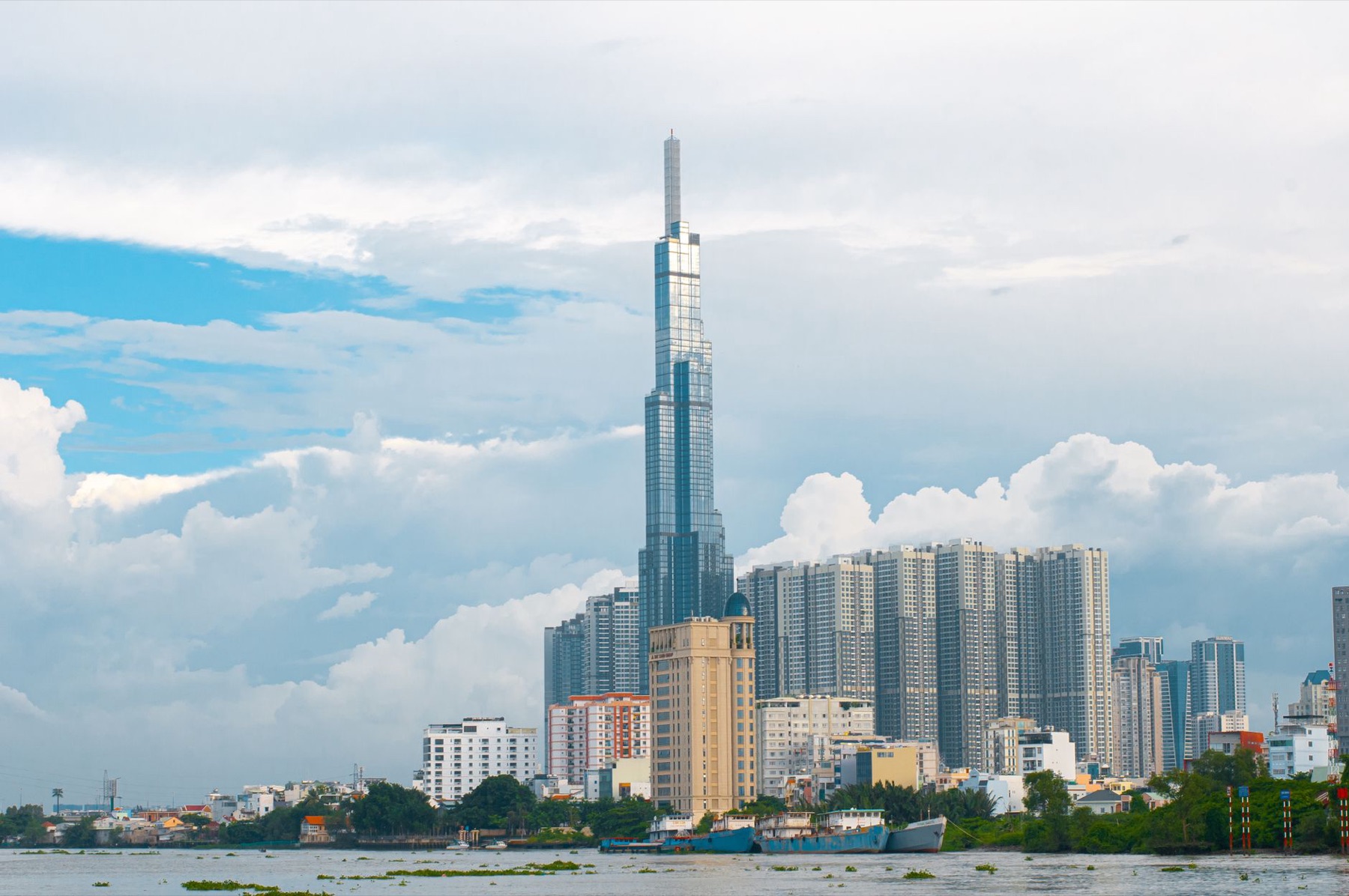
District 3 and Thao Dien (District 2) hold the real coffee culture. Iconic spots cluster on narrow alleys: sit in a plastic stool, order ca phe sua da (iced coffee with condensed milk, around 15,000–25,000 VND / $0.60–1 USD), and watch the street for 2–3 hours. This isn't tourism—it's observation. Breakfast bánh mì carts operate 5:30–9 am on Nguyen Hue Street and Nguyen Thai Hoc (District 1); a proper banh mi costs 20,000–35,000 VND ($0.80–1.40 USD). Dinner is late: restaurants don't fill until 7 pm. Pho vendors work breakfast and lunch only; late-night options are com tam (broken rice), nem ran (fried rolls), and banh mi again. Helmet pizza (literally pizza handed to you on a motorbike) operates sporadically near Landmark 81 in District 1—hunt it on Instagram or ask hotel staff. Cost is around 80,000–120,000 VND ($3.20–4.80 USD) per pizza.
How do you navigate street art legally without trespassing?
Graffiti Street (Nguyen Hue Street, District 1) is the official art precinct where muralists work openly with government permission. Walk here between 7 am–6 pm; artists are usually painting mornings. Photography is encouraged; tipping 10,000–20,000 VND ($0.40–0.80 USD) is common if you want a selfie with the artist mid-work. District 5 (Cho Lon—the old Chinese district) has incidental murals on shop walls, but these aren't curated; explore narrow lanes around Ong Bon Street and Tran Hung Dao for age-coded street life. Avoid photographing military buildings or police stations anywhere in the city; locals and authorities take this seriously. The safest rule: if it's in an alley, ask a nearby vendor first.
What's the real experience of water-puppet theatre and where to see it?
Water-puppet theatre originated in the Red River Delta but Saigon's Golden Dragon Theatre (Nguyen Trai Street, District 5) runs 4–5 daily shows. Tickets are 100,000–200,000 VND ($4–8 USD). Shows last 50 minutes; puppeteers stand behind a screen operating wooden figures on water, narrated in Vietnamese (few English translations). The theatre fills with families and tour groups—not quiet or meditative. Genuine performances happen at community festivals (Tet, Mid-Autumn Festival) in Thao Dien temples; check with your hotel for dates. This isn't a hidden gem, but it's an authentic art form most Western tourists skip because it sounds "quaint."
Which neighbourhoods feel genuinely different and why?
| Neighbourhood | Vibe | Best for | Safety Level | Transport |
|---|---|---|---|---|
| Thao Dien (D2) | Expat-local blend, cafes, riverside | Morning coffee, riverside walks | Very safe | Grab motorbike, walking |
| Binh Tay (D5) | Old-world Chinese market chaos | Haggling, street food, dawn energy | Safe (busy hours) | Grab car or motorbike |
| Phu Nhan (D1) | Hidden markets, local life | Dawn walks, rice-paper factories | Safe | Walking, Grab |
| District 7 | Purpose-built, gleaming, foreign | Not recommended for "unusual" | Very safe | Grab |
| Alley zones near Ben Thanh | Tourist density | Only if you need central location | Moderate | Walking |
Thao Dien and Binh Tay reward early risers (5:30–8 am) when locals are shopping and vendors set up. By 10 am, heat and crowds dominate. Phu Nhan's narrow lanes hide rice-paper pressing (bánh tráng nướng) workshops where families have made the product by hand for decades; you can watch, buy direct, and save vs. tourist markets. Most neighbourhoods are safe during daylight; avoid empty alleys after 11 pm solo.
📸 Book an ao dai photoshoot in Hanoi or Saigon (Cáo Studio)
What to check before you book or visit
- Language: Learn 5–10 basic Vietnamese phrases (hello, thank you, how much, excuse me). English is sparse outside District 1 and tourist hotels.
- Cash only: Many local vendors, coffee shops, and street food don't accept cards. ATMs cluster in District 1 and near markets; withdraw 2–3 million VND ($80–120 USD) for a day to avoid repeated trips.
- Motorbike taxis (Grab): Safer than flagged taxis; download the app before arrival. A 3 km ride costs 25,000–40,000 VND ($1–1.60 USD).
- Scams to skip: Cyclo (three-wheeled bicycle) touts outside hotels quote 500,000 VND ($20 USD) for a short tour; locals pay 50,000–80,000 VND ($2–3.20 USD). Negotiate first or use Grab.
- Tour operator legitimacy: Book Cu Chi Tunnels, water-puppet tickets, and street-food tours via your hotel, Klook, or Getyourguide—not street vendors. Solo operators often deliver poor experiences and overcharge.
- Heat and humidity: Carry water, sunscreen, and hat. Wet-season (May–September) means 35°C (95°F) and sudden downpours. Dry season (November–April) is ideal.
---
🎟️ Compare tours & tickets for this place
If you're building a broader Vietnam trip, explore our itinerary planner to connect Ho Chi Minh City with Hanoi, Ha Long Bay, or Hoi An. Travellers often pair unusual city experiences with rural day trips—Ninh Binh and Sapa offer sharp contrasts to urban energy.
For independent travel, ensure you have a Vietnam e-visa (online, 3–5 days processing) and a local eSIM for Vietnam for reliable data to navigate Grab, maps, and real-time vendor information. Both remove logistical friction and let you focus on discovery.
FAQ
Is it safe to explore alleys at night solo in Ho Chi Minh City?
Petty theft (bag snatching, pickpocketing) is the main risk, not violent crime. Avoid dark empty alleys after 11 pm solo. Stick to lit, populated streets or use Grab motorbike taxis at night. Central districts (1, 3, 5) are safer than outer neighbourhoods after dark.
Do I need a motorbike licence to rent a scooter, and is it worth it?
Legally, yes—an International Driving Permit is required. Practically, many rental shops don't check. Theft and traffic accidents are real risks; Grab motorbikes are cheaper, safer, and sidestep legal liability. Not worth renting unless you're experienced and staying 2+ weeks.
What's the best time of day to visit street markets?
5:30–8 am: peak vendor setup, freshest goods, energy, fewer tourists. 11 am–3 pm: intense heat, crowds, wilted produce, vendors tired. 4–6 pm: some vendors restock for dinner; good for evening food tours. Binh Tay Market operates full hours 6 am–6 pm daily.
Are food tours worth booking, or should I explore solo?
Solo offers spontaneity and lower cost; tours offer context and translation. Budget travellers: solo is fine—point at dishes, ask price, eat. Non-Vietnamese speakers or first-timers: a half-day food tour (3–4 hours, around 500,000–800,000 VND / $20–32 USD) teaches you how to order and where quality locals eat.
How do I avoid overcharging in taxis and street vendors?
Always negotiate motorbike-taxi rates before boarding, or use Grab (meter, no haggle). In markets, prices are often listed; ask "bao nhiêu tiền?" (how much?) and check multiple stalls. Restaurants and water-puppet theatres have fixed prices posted. Avoid street touts offering "tours" or "special deals."
FAQ
Is it safe to explore alleys at night solo in Ho Chi Minh City?
Petty theft (bag snatching, pickpocketing) is the main risk, not violent crime. Avoid dark empty alleys after 11 pm solo. Stick to lit, populated streets or use Grab motorbike taxis at night. Central districts (1, 3, 5) are safer than outer neighbourhoods after dark.
Do I need a motorbike licence to rent a scooter, and is it worth it?
Legally, yes—an International Driving Permit is required. Practically, many rental shops don't check. Theft and traffic accidents are real risks; Grab motorbikes are cheaper, safer, and sidestep legal liability. Not worth renting unless you're experienced and staying 2+ weeks.
What's the best time of day to visit street markets?
5:30–8 am: peak vendor setup, freshest goods, energy, fewer tourists. 11 am–3 pm: intense heat, crowds, wilted produce, vendors tired. 4–6 pm: some vendors restock for dinner; good for evening food tours. Binh Tay Market operates full hours 6 am–6 pm daily.
Are food tours worth booking, or should I explore solo?
Solo offers spontaneity and lower cost; tours offer context and translation. Budget travellers: solo is fine—point at dishes, ask price, eat. Non-Vietnamese speakers or first-timers: a half-day food tour (3–4 hours, around 500,000–800,000 VND / $20–32 USD) teaches you how to order and where quality locals eat.
How do I avoid overcharging in taxis and street vendors?
Always negotiate motorbike-taxi rates *before* boarding, or use Grab (meter, no haggle). In markets, prices are often listed; ask "bao nhiêu tiền?" (how much?) and check multiple stalls. Restaurants and water-puppet theatres have fixed prices posted. Avoid street touts offering "tours" or "special deals."
More: Ho Chi Minh City travel guide · Things to do in Ho Chi Minh City