Ho Chi Minh City · Food
Vietnam Ho Chi Minh City Street Food: What to Eat & Where
By Wander in Vietnam editorial team · Hanoi, Vietnam
Ho Chi Minh's street food isn't just cheap sustenance—it's the city's real backbone. You won't understand this place eating in restaurants; you understand it sweating over a plastic stool at 11 p.m., tray of bánh mì in hand. We've navigated thousands of stalls across Districts 1–5, District 10, and Tân Bình. Here's what actually works.
What Are the Must-Try Dishes & Real Prices?
Bánh mì (Vietnamese sandwich) runs 20,000–35,000 VND (around $0.80–$1.40 USD) at honest stalls; tourist corners (Bến Thành Market entrance) charge 50,000–80,000 VND. Phở (rice-noodle soup) ranges 25,000–40,000 VND (around $1–$1.60 USD) depending on meat and broth quality. Bánh canh (tapioca-flour noodles with pork) costs 30,000–50,000 VND (around $1.20–$2 USD). Báo mì (deep-fried pastry rolls) sell for 15,000–25,000 VND (around $0.60–$1 USD) per order of 3–5 pieces. Cơm tấm (broken-rice plate with grilled pork or shrimp) is 30,000–45,000 VND (around $1.20–$1.80 USD). Raw papaya salad (gỏi đu đủ) and shrimp paste version (gỏi đu đủ tôm) run 25,000–40,000 VND (around $1–$1.60 USD).
Price-Reality Check Table:
| Dish | Local Stall Price (VND) | Tourist Zone Price (VND) | USD Equivalent (Local) | Best For |
|---|---|---|---|---|
| Bánh mì | 20k–35k | 50k–80k | $0.80–$1.40 | Breakfast, handheld meal |
| Phở | 25k–40k | 45k–70k | $1–$1.60 | Early morning or dinner |
| Bánh canh | 30k–50k | 50k–80k | $1.20–$2 | Filling, hearty option |
| Báo mì | 15k–25k | 30k–50k | $0.60–$1 | Snack, street-eating experience |
| Cơm tấm | 30k–45k | 50k–75k | $1.20–$1.80 | Lunch, protein-heavy |
| Gỏi đu đủ | 25k–40k | 45k–60k | $1–$1.60 | Light, fresh, vegetable-forward |
The gap widens in District 1 (Saigon tourist core) and near Bến Thành Market. Locals eat in Districts 3, 5, 7 (Phú Nhuận), and Tân Bình for real pricing.
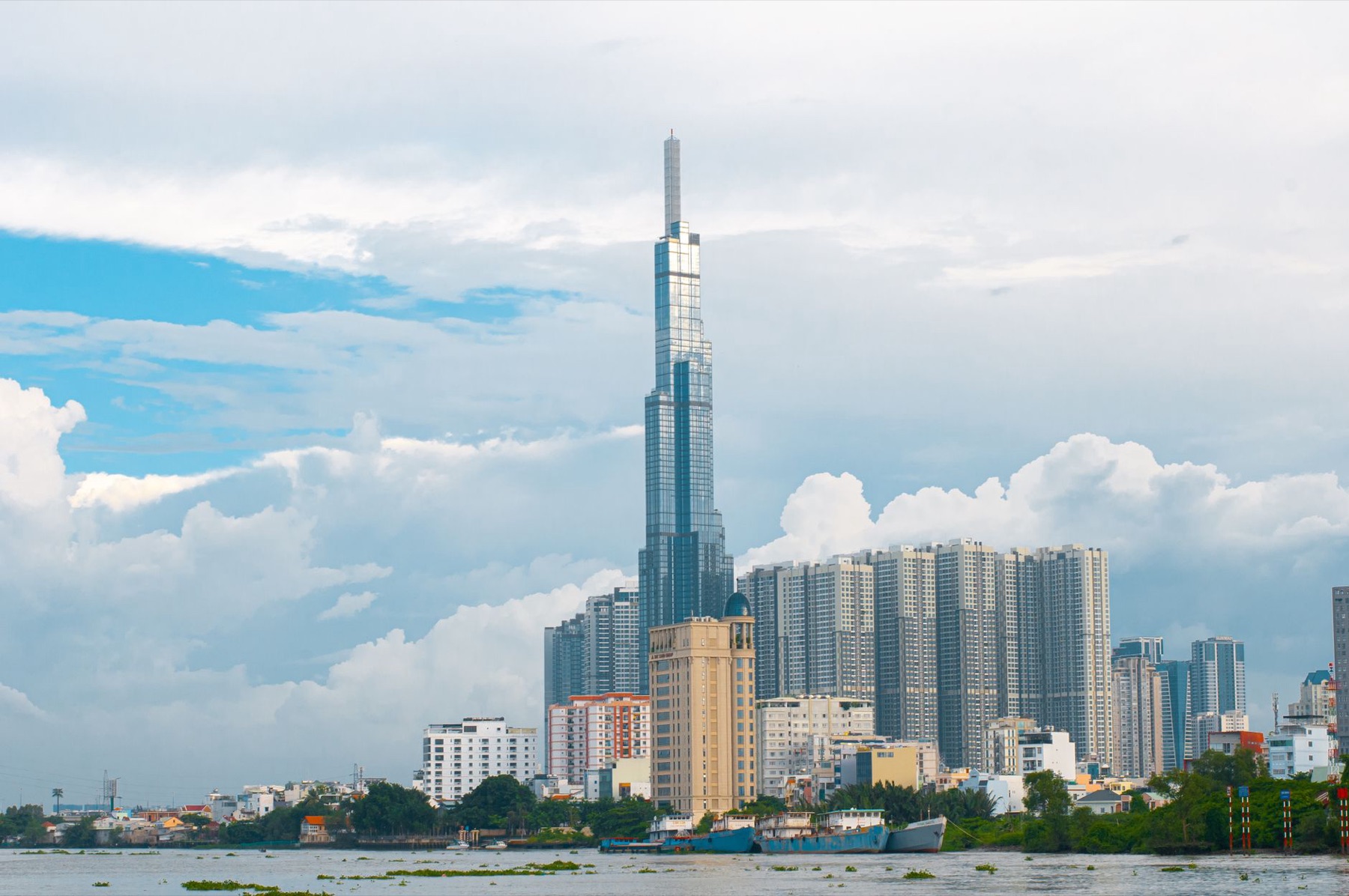
Where Should You Eat? Neighborhoods Matter.
District 3 (Bà Rịa-Vũng Tàu neighborhood feel): Nguyen Hue Avenue side streets host permanent bánh mì stalls (look for queues 6–9 a.m.). Cách Mạng Tháng Tám Street has clusters of phở joints opening 5–8 a.m.; seats fill fast.
District 5 (Chợ Lớn, the genuine market core): This is where Vietnamese eat, not tourists. Nguyễn Trãi Street runs parallel to the market; food stalls operate dawn to 2 p.m. Bánh canh is exceptional here (local dairies supply cream and pork offal). Hóc Môn Street branches host smaller evening báo mì and gỏi stalls (4–9 p.m.).
District 7 (Phú Nhuận, expat-adjacent but honest): Nguyễn Văn Linh Boulevard morning markets (5–8 a.m.) have cheaper bánh mì than District 1. Cộng Hòa Street side alleys hide late-night bánh canh stalls (9 p.m.–midnight).
Tân Bình (Tây Ninh Street corridor): Honestly underrated. Less tourist foot traffic means stalls don't hike prices. Báo mì here tastes identical to District 5 versions at 15,000–18,000 VND instead of 25,000+.
Avoid: Tourist-heavy zones (Bến Thành Market interior, Nguyễn Huệ Walking Street dining clusters, most of District 1 riverside). Prices triple; hygiene varies wildly.
How Do You Spot a Safe, Legitimate Stall?
Ask yourself these before ordering:
- Does the stall have a line of locals (not cameras)? If 15 Vietnamese are waiting and zero tourists visible, trust it. Tourist queues signal markup inflation.
- Is meat cooked in front of you? Bánh mì fillings (pâté, head cheese, grilled pork) should be visible being assembled. If meat sits pre-wrapped in plastic, skip it.
- Is broth steaming and clear? Phở broth shouldn't be murky or smell off-balance (vinegary = old). Good broth is translucent with visible spice oil.
- Are vegetables fresh and cut daily? Torn lettuce, brown cilantro, slimy herbs = stall hasn't restocked since morning.
- Does the stall have hand-washing access? Not a sink in every corner, but vendors should rinse before plating. No rinse = skip.
- Do prices match neighbors? Scan 2–3 stalls nearby. Outliers (50% higher or lower) warrant caution; cheap is fine if hygiene is solid; overpriced is a warning.
🗺️ Plan your route: Vietnam itinerary
What Scams & Pitfalls Should You Avoid?
Inflated "market rates" in tourist zones: Bến Thành Market entrance stalls charge 3–4× local prices. Vendors sometimes add hidden charges for "extra garnish" or "cold water." Always ask price before ordering.
Spoiled meat in bánh mì: If pâté smells funky or tastes sour, don't force it down for politeness. Return it; legitimate stalls will swap it or refund without argument. Sketchy stalls will argue—that's your cue not to return.
"New" phở actually reheated: Some stalls keep broth simmering 8+ hours. Good ones refresh daily at 4–5 a.m. Ask when they open; if answer is vague, try elsewhere.
Tap water in ice: Free water served at stalls uses tap water. Stomach-sensitive travelers should decline or request canned/bottled water (most stalls sell 5,000–10,000 VND bottles).
Tourist markups disguised as "special portions." A "deluxe phở" doesn't exist; it's standard phở with 50% price bump. Order regular; you'll get the same bowl.
Dirty chopsticks or bowls: Rinsed in questionable water. Watch the rinse-water clarity; if it's brown, hand back the bowl politely.
Stick to stalls operating consistently (same location, same hours daily). Permanent stalls have reputation to protect; roaming cart vendors are lower-risk too but less accountable.

When Should You Eat Street Food? Timing Matters.
Breakfast (5–9 a.m.): Bánh mì and phở peak quality now. Bread is fresh; broth just replaced. Markets are active; you'll find permanent stalls easily.
Lunch (11 a.m.–2 p.m.): Cơm tấm and bánh canh are best-timed. Pork is grilled fresh midday. Phở stalls thin out; some close at 1 p.m.
Late lunch/early dinner (5–8 p.m.): Báo mì stalls fire up. Salad vendors restock. Phở joints reopen 5 p.m. This is less crowded than breakfast but quality is identical.
Late night (9 p.m.–midnight): Bánh canh and báo mì stalls operate in Districts 3, 7, Tân Bình. Tourist zones shut down by 9 p.m. Expect fewer hygiene checks at this hour; eat only if the stall is visibly busy and clean.
Avoid midday (2–5 p.m.) in most zones; stalls close for rest, and those open serve reheated portions or slower-moving ingredients.
📸 Book an ao dai photoshoot in Hanoi or Saigon (Cáo Studio)
How Do You Navigate Street Food as a Visitor Without Stomach Issues?
Start conservative: bland bánh mì (no pâté) and clear phở broth your first 2–3 meals. Your stomach acclimates. Sudden shifts to spicy or rich dishes (organ meats, deep-fried báo mì) invite traveler's diarrhea.
Bring oral rehydration salts (ORS packets, available at any pharmacy for 10,000–20,000 VND). Eat stalls in busy zones during peak hours (hygiene correlation is real). Avoid stalls with visibly stagnant water or rotting fruit nearby.
Drink from sealed bottles only. Locals drink tap water because their gut flora adapted over years; yours hasn't. Coconut water from young coconuts is safe and refreshing (30,000–50,000 VND for a whole coconut).
Never eat raw vegetables from vendors you can't see washing them in sealed water. Gỏi (salad) is safe at established stalls; avoid from carts.
When Should You Buy Street Food Gifts or Supplies for Travel?
Street food isn't purchasable as a gift—it's eaten immediately. But if you want to bring home Vietnamese food culture, consider:
Browse curated Vietnam travel collections for keepsakes inspired by street food culture (spice-themed prints, market photography, traditional utensil sets). These ship internationally 5–10 days with free delivery over $35.
Sealed spice packets and sauces (chili pastes, shrimp dipping sauce) sold at markets are safe to pack; they survive 5–10 day shipping. Buy from covered market stalls (Bến Thành or Chợ Lớn), not street vendors, for quality assurance.
Think of street food as a moment-in-time experience, not a product to bottle. Photo it, eat it, remember it.
---
What to Check Before You Buy (Or Eat)
- ✓ Stall has visible queue of locals
- ✓ Broth or oil is actively steaming/cooking
- ✓ Vendors wash hands before plating
- ✓ Price matches 2–3 neighboring stalls
- ✓ Vegetables look fresh (no brown edges)
- ✓ You ordered within 30 seconds of asking price
- ✓ Utensils were rinsed in front of you
- ✗ Skip if: prices 50%+ above neighbors, meat pre-wrapped for hours, vendor refuses to confirm price first, or surroundings smell foul
---
🎟️ Compare tours & tickets for this place
For deeper dives into Vietnamese food culture, explore our Ho Chi Minh City guide and complete food pillar. If you're traveling to other regions, check Hanoi, Hoi An, and Ha Long Bay guides for regional specialties. Heading to Vietnam for the first time? Use our Vietnam itinerary planner to time your street food stops. Travelers need Vietnam eSIM or e-visa support before arrival—plan those first.
Capture your street food adventure with a professional ao dai photoshoot in Saigon (Cáo Studio), or send flowers home from Hanoi to friends you met along the way.
FAQ
Is street food in Ho Chi Minh City actually safe to eat?
Yes, if you follow hygiene cues (visible prep, local queues, fresh ingredients). Stalls operating 5+ years on the same corner have survived reputation tests. Start mild your first days; your stomach adapts within a week.
How much should I budget daily for street food in Ho Chi Minh City?
Around 100,000–150,000 VND ($4–$6 USD) for 3 meals if eating only street stalls. Breakfast 25,000, lunch 40,000, dinner 35,000–50,000 VND is realistic. Tourist-zone pricing doubles this.
Which district has the cheapest, most authentic street food?
District 5 (Chợ Lớn) and Tân Bình. Both lack tourist foot traffic, so prices stay competitive. District 7 (Phú Nhuận) is slightly pricier but still honest compared to Districts 1 and 3.
Can I eat bánh mì and phở from the same stall?
Rarely. Vietnamese stalls specialize: bánh mì stalls = bánh mì only; phở joints = phở and noodle soups. A stall doing both usually cuts corners on one. Stick to specialized stalls.
What's the best time to eat street food without crowds or stomach risk?
6–7 a.m. (breakfast, freshest prep) or 5–6 p.m. (early dinner, second batch of ingredients). Midday and late night are riskier (reheated food, lower hygiene oversight).
FAQ
Is street food in Ho Chi Minh City actually safe to eat?
Yes, if you follow hygiene cues (visible prep, local queues, fresh ingredients). Stalls operating 5+ years on the same corner have survived reputation tests. Start mild your first days; your stomach adapts within a week.
How much should I budget daily for street food in Ho Chi Minh City?
Around 100,000–150,000 VND ($4–$6 USD) for 3 meals if eating only street stalls. Breakfast 25,000, lunch 40,000, dinner 35,000–50,000 VND is realistic. Tourist-zone pricing doubles this.
Which district has the cheapest, most authentic street food?
District 5 (Chợ Lớn) and Tân Bình. Both lack tourist foot traffic, so prices stay competitive. District 7 (Phú Nhuận) is slightly pricier but still honest compared to Districts 1 and 3.
Can I eat bánh mì and phở from the same stall?
Rarely. Vietnamese stalls specialize: bánh mì stalls = bánh mì only; phở joints = phở and noodle soups. A stall doing both usually cuts corners on one. Stick to specialized stalls.
What's the best time to eat street food without crowds or stomach risk?
6–7 a.m. (breakfast, freshest prep) or 5–6 p.m. (early dinner, second batch of ingredients). Midday and late night are riskier (reheated food, lower hygiene oversight).
More: Ho Chi Minh City guide · What to eat in Ho Chi Minh City