Hanoi · Itinerary
Visiting Hanoi: A Resident's Guide to What to Skip & What to Buy
By Wander in Vietnam editorial team · Hanoi, Vietnam
Hanoi rewards patience. The city doesn't rush, and neither should you.
Most first-time visitors spend 2 days here and leave frustrated—they've crowded the Old Quarter at peak hours, eaten at restaurants with laminated picture menus, and bought plastic water puppets they'll regret. We see this repeatedly. The difference between a forgettable Hanoi and a transformative one is usually a decision: Do you follow the guidebook herd, or do you listen to where locals actually spend their time?
This guide is for travelers deciding what to do, where to go, and crucially, what to bring home. We'll be honest about costs, timing, neighborhoods, and how to choose gifts and keepsakes that matter—not clutter.
---
How many days do you actually need in Hanoi?
Three full days is the realistic minimum for a first visit; five is ideal. Day one covers orientation: Hoan Kiem Lake, Old Quarter wandering, evening street food. Day two: museums, temple visits, or a half-day cooking class. Day three: day trip (Ninh Binh is two hours south; Ha Long Bay is four hours northeast). Days four and five let you slow down—find a café, return to a neighborhood, join a walking food tour at 6 a.m., or book an ao dai photoshoot at Cáo Studio in a quieter district like Tay Ho.
Rushing Hanoi defeats the point. Budget accordingly.
---
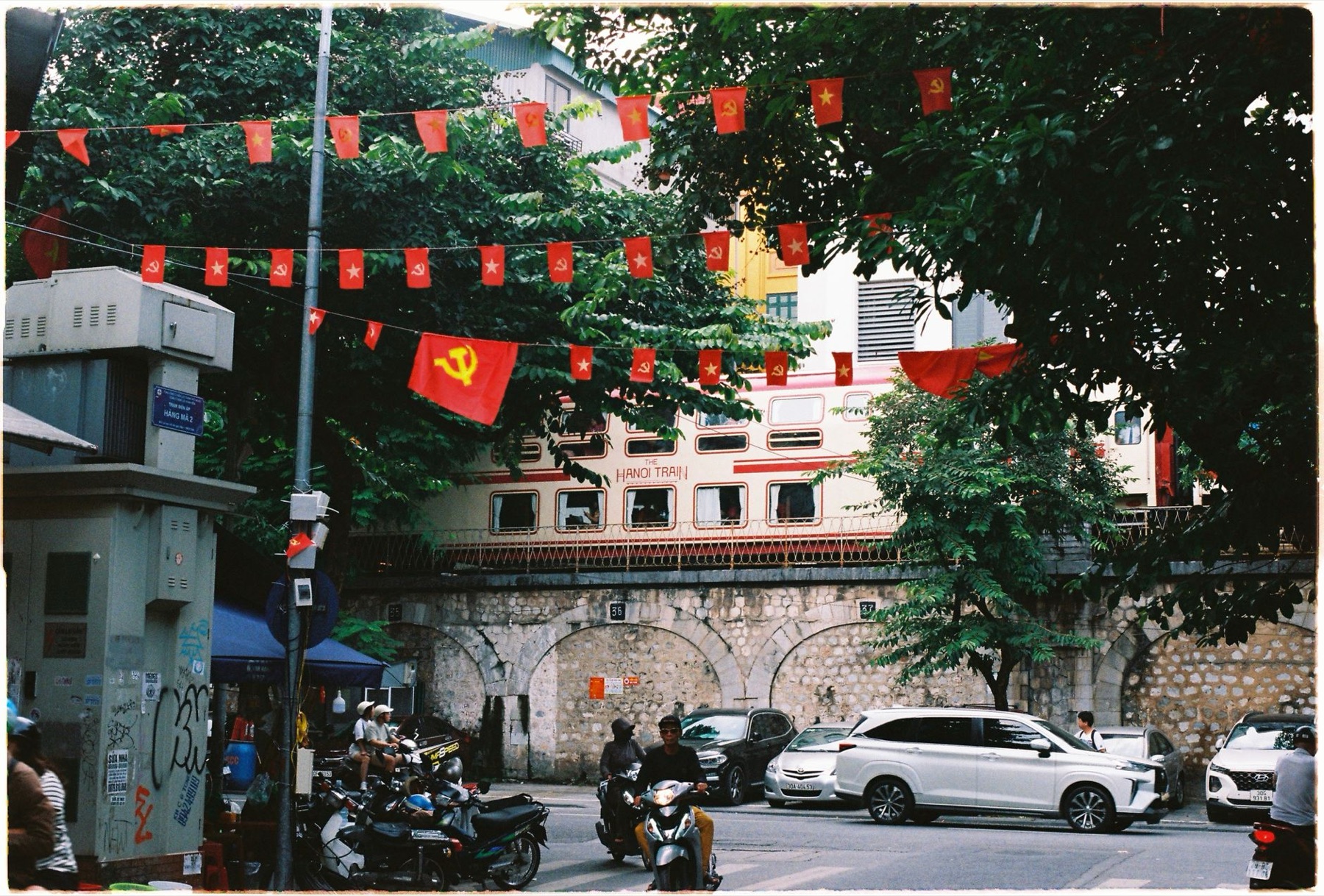
Which neighborhoods should you actually visit—and which are tourist theatre?
Old Quarter (Hoan Kiem District): The name is literal—36 narrow streets named after goods once sold there (Silver Street, Silk Street, Paper Street). It's crowded, yes, but unavoidable. Go early (7–8 a.m.) or late (7–9 p.m.) to avoid tour groups. Eat phở at a stool; don't expect a menu. Budget around 50,000–80,000 VND (~$2–3) for a bowl.
Hoan Kiem Lake (Trang Tien / Dinh Tien Hoang): The spiritual center. Walk the eastern shore at dawn; catch locals exercising and tai chi groups. The Turtle Tower (Thap Rua) in the middle is a photo op, not worth paying entry to anything artificial nearby.
Tay Ho (West Lake): Where expats and wealthier Vietnamese live. Sunset walks, lakeside cafés, less frenzy. A cappuccino costs around 40,000–60,000 VND (~$1.60–2.40). Genuinely peaceful.
French Quarter (Ba Dinh District): Colonial architecture, tree-lined boulevards, the Mausoleum. Tourist-adjacent but less suffocating than Old Quarter. Museums here are solid—History Museum, Literature Temple—if you have a rainy afternoon.
Skip: Hoan Kiem's "night markets" (mostly souvenirs and knockoffs), rooftop bars charging 150,000+ VND (~$6) for a beer, and any restaurant with a laminated picture menu.
| Neighborhood | Best for | Vibe | Stay? |
|---|---|---|---|
| Old Quarter | Photography, street food, chaos | Crowded, loud, historic | 1–2 nights max |
| Hoan Kiem Lake | Calm mornings, Turtle Tower photos | Serene at dawn, busy midday | Pass through |
| Tay Ho | Sunset, cafés, expat food | Relaxed, spacious, upscale | 1 night if budget allows |
| French Quarter | Museums, colonial walks | Calm, slower, fewer tourists | Day trip |
| Ba Dinh | Mausoleum, political sites | Formal, sparse, educational | 1–2 hours |
---
What should you buy in Hanoi—and what will you regret?
Avoid: Plastic water puppets (15,000–50,000 VND / $0.60–2), silk scarves from tourist shops (quality drops after one wash), and "lacquerware" souvenirs (most are paint-dipped plastic, not real lacquer).
Worth buying:
- Ceramic or porcelain pieces: Real shops in Bat Trang (a village 15 km southeast, 30-minute scooter ride) sell bowls, vases, and decorative tiles. Prices start around 100,000 VND (~$4) for a small bowl. Quality is authentic; shipping home requires wrapping carefully.
- Personalized keepsakes: Engraved wooden boxes or star map prints showing Hanoi's night sky on your arrival date make meaningful gifts. Browse keepsake collections to compare styles and materials. These ship flat and rarely break—worth the investment.
- Locally roasted coffee: Hanoi Coffee or Cà Phê Legendee beans (around 150,000–250,000 VND / $6–10 per 250g bag) are superior to anything at the airport. Lightweight, packable, appreciated.
- Vintage postcards or prints: Old bookshops on Trang Tien Street (near the lake) sell French-era Hanoi prints. Around 50,000–150,000 VND (~$2–6) each. Ship flat; custom framing at home.
- Embroidered textiles: Authentic silk embroidery from ethnic minorities takes weeks to make. Real pieces cost 500,000+ VND (~$20+). Tourist-shop knockoffs are obvious; real ones come with a maker's story.
Our honest take: Choose one category per trip. A handwritten travel journal, a single good coffee purchase, and a framed Hanoi star map beat a suitcase of trinkets every time.
🎁 Explore personalized keepsake collections — compare materials, sizes, and shipping before you order.
---
What's the real cost of eating and moving around Hanoi?
Street food breakfast: 40,000–80,000 VND (~$1.60–3.20) for phở, bánh mì, or egg coffee.
Sit-down meal (local restaurant): 100,000–250,000 VND (~$4–10) per person, no alcohol. Tourist-trap places charge 200,000–400,000 VND (~$8–16).
Taxi or Grab (motorbike-hailing app): 15,000–60,000 VND (~$0.60–2.40) for most in-city rides. Always use Grab (like Uber); avoid unmarked taxis.
Walking tours (guide-led, 2–3 hours): Around 200,000–400,000 VND (~$8–16) per person. Worth it for food-focused or street-photography tours.
Museums: 30,000–60,000 VND (~$1.20–2.40) entry. Not free, but cheap.
Accommodation: Budget hostels (Old Quarter) run 150,000–250,000 VND (~$6–10) per bed. Mid-range hotels (Tay Ho, French Quarter) are 500,000–1,000,000 VND (~$20–40) per night.
Scams to avoid:
- Cyclo (pedicab) drivers offering "short tours"—agree on price first, and expect pressure to visit gem shops or fake silk factories.
- Currency exchanges at the airport: use ATMs instead (lower fees, fair rates).
- "Free" motorbike tours ending in a shop where you're pressured to buy.
---
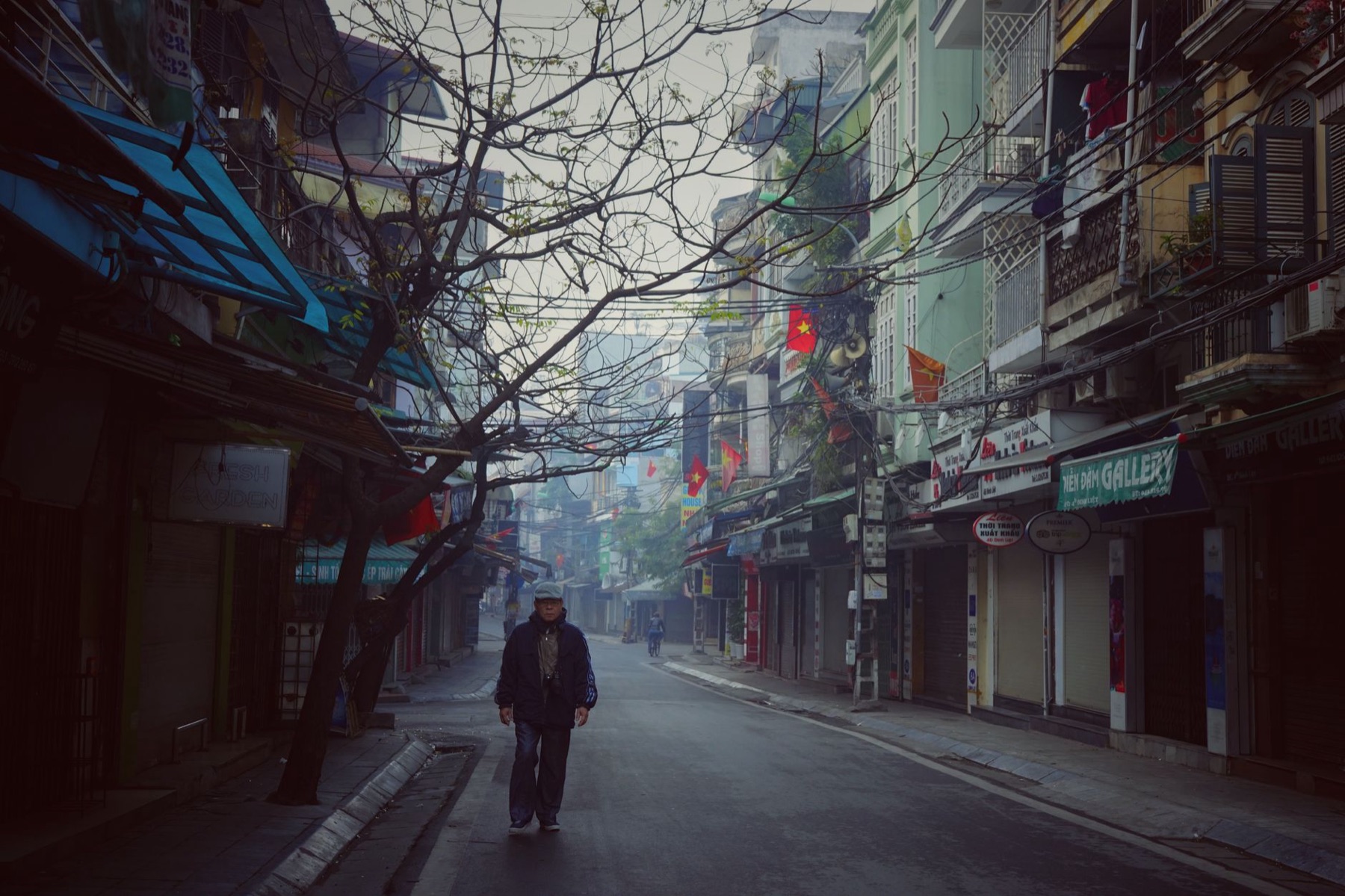
How should you plan a multi-city Vietnam trip from Hanoi?
Hanoi works as your starting or ending point. From here, visit Ha Long Bay (4 hours northeast, overnighter), explore Ninh Binh (2 hours south, 1–2 days), or fly to Ho Chi Minh City (2 hours, head south). Hoi An and Sapa are longer trips (8+ hours or a flight), but doable.
Use our Vietnam itinerary planner to map routes and estimate travel time. Many travelers make the mistake of cramming too many cities—each loses depth. Stick to Hanoi + one nearby destination (Ninh Binh or Ha Long) or Hanoi + one-two cities south. Quality beats quantity.
Before traveling, arrange:
- Vietnam e-visa online (usually approved within 24–48 hours).
- eSIM for Vietnam or local SIM (Viettel or Mobifone kiosks cost around 50,000–100,000 VND / $2–4).
- Travel insurance covering medical and evacuation.
- Accommodation booked for first and last nights; mid-trip can be flexible.
---
What's the best way to capture and remember Hanoi?
Photography: Old Quarter alleys, Turtle Tower reflections, and sunrise at Hoan Kiem Lake are stunning but crowded. Go early or book a professional shoot. Cáo Studio offers ao dai photoshoots in Hanoi—makeup, hair, and photographer included. Captures culture and creates a keepsake you'll treasure.
Journaling: Buy a blank notebook locally; write daily observations. Sketch street scenes or paste receipts. On return home, commission a custom star map showing Hanoi's sky on your arrival date—pairs beautifully with journal entries.
Gifts for people back home: Hanoi coffee, a personalized keepsake with the date/coordinates of your trip, or a hand-embroidered textile from a certified maker (ask locals where to find them—not shops). Avoid mass-produced water puppets unless it's specifically requested.
📸 Book an ao dai photoshoot in Hanoi or Saigon (Cáo Studio)
---
What to check before you order souvenirs or ship gifts home
- Material authenticity: If it says "silk" or "lacquer," ask the shop owner how it's made or pass. Most tourist-shop items are synthetics.
- Shipping weight & fragility: Ceramics, prints, and wooden boxes ship safely flat or in padded boxes. Coffee and textiles are lightweight. Avoid anything requiring a crate.
- Personalization lead time: Custom keepsakes (engraved boxes, star maps) take 5–10 business days before shipping. Order before your last day in Hanoi if you want it in your carry-on.
- Packaging: Reputable sellers wrap items individually and use boxes, not plastic. If it looks fragile, ask for reinforced packaging (usually no extra cost).
- Return policy: Check any online purchase's 30-day guarantee or return window before paying. Most retailers offer this; if they don't, be skeptical.
- Customs declarations: Keep receipts for expensive items ($50+). Declare them on your customs form; most personal souvenirs under $100 pass through without duty.
---
Most visitors leave Hanoi with a full camera roll and an empty understanding of the city. The ones who return—who come back years later—are the ones who sat quietly in a café for two hours, got lost in the same alley twice, and bought one meaningful thing instead of ten forgettable ones. That's the Hanoi difference.
🗺️ Plan your route: Vietnam itinerary — multi-city tips, timing, what to pack.
🎟️ Compare tours & tickets for this place — book verified experiences in advance.
---
FAQ
Is Hanoi safe for solo travelers?
Yes. Use Grab (app-based rides), avoid unmarked taxis, don't wander alone after midnight in unfamiliar areas, and watch bags on crowded streets. Petty theft happens; violent crime against tourists is rare. Stay aware, not paranoid.
What's the best time to visit Hanoi?
October–November and March–April have mild weather (20–25°C / 68–77°F) and clear skies. December–February is cool and dry but crowded. May–September is hot, humid, and rainy; fewer tourists, lower prices. Plan accordingly based on your tolerance for crowds and heat.
Can you get around Hanoi without speaking Vietnamese?
Mostly yes. Young people and service workers often speak basic English. Download Google Translate; use Grab instead of taxis (app-based, no language barrier). Carry a written address of your hotel in Vietnamese for Grab drivers. Smile and patience go far.
What gifts should I avoid buying in Hanoi?
Plastic water puppets, mass-produced silk scarves, fake lacquerware, and anything without a clear maker or material origin. These break easily, look cheap at home, and support low-quality mass production. Instead, buy coffee, ceramics from Bat Trang, or personalized keepsakes with real meaning.
Should I get an ao dai photoshoot, and is it touristy?
Not if done well. Professional shoots at Cáo Studio (Hanoi or Saigon) pair you with a stylist, makeup artist, and photographer who work with locals in authentic settings. It's cultural participation, not a costume photo booth. Results are archival-quality keepsakes, not snapshots. Worth budgeting for if you value photography.
How do I know if a souvenir is authentic?
Ask the shopkeeper how it's made—hand-embroidered, hand-painted, hand-thrown pottery, etc. Ask to see the work area if possible. Real artisans can explain their process. Tourist shops rarely can. Real silk feels different from synthetic; real ceramics have weight and sound when tapped. When in doubt, buy from certified makers or villages (Bat Trang ceramics, ethnic hill-tribe textiles) rather than tourist streets.
FAQ
Is Hanoi safe for solo travelers?
Yes. Use Grab (app-based rides), avoid unmarked taxis, don't wander alone after midnight in unfamiliar areas, and watch bags on crowded streets. Petty theft happens; violent crime against tourists is rare. Stay aware, not paranoid.
What's the best time to visit Hanoi?
October–November and March–April have mild weather (20–25°C / 68–77°F) and clear skies. December–February is cool and dry but crowded. May–September is hot, humid, and rainy; fewer tourists, lower prices. Plan accordingly based on your tolerance for crowds and heat.
Can you get around Hanoi without speaking Vietnamese?
Mostly yes. Young people and service workers often speak basic English. Download Google Translate; use Grab instead of taxis (app-based, no language barrier). Carry a written address of your hotel in Vietnamese for Grab drivers. Smile and patience go far.
What gifts should I avoid buying in Hanoi?
Plastic water puppets, mass-produced silk scarves, fake lacquerware, and anything without a clear maker or material origin. These break easily, look cheap at home, and support low-quality mass production. Instead, buy coffee, ceramics from Bat Trang, or personalized keepsakes with real meaning.
Should I get an ao dai photoshoot, and is it touristy?
Not if done well. Professional shoots at Cáo Studio (Hanoi or Saigon) pair you with a stylist, makeup artist, and photographer who work with locals in authentic settings. It's cultural participation, not a costume photo booth. Results are archival-quality keepsakes, not snapshots. Worth budgeting for if you value photography.
How do I know if a souvenir is authentic?
Ask the shopkeeper *how* it's made—hand-embroidered, hand-painted, hand-thrown pottery, etc. Ask to see the work area if possible. Real artisans can explain their process. Tourist shops rarely can. Real silk feels different from synthetic; real ceramics have weight and sound when tapped. When in doubt, buy from certified makers or villages (Bat Trang ceramics, ethnic hill-tribe textiles) rather than tourist streets.