Ha Long Bay · Things to do
What Is Ha Long Bay? A Resident's Guide to Vietnam's UNESCO Wonder
By Wander in Vietnam editorial team · Hanoi, Vietnam
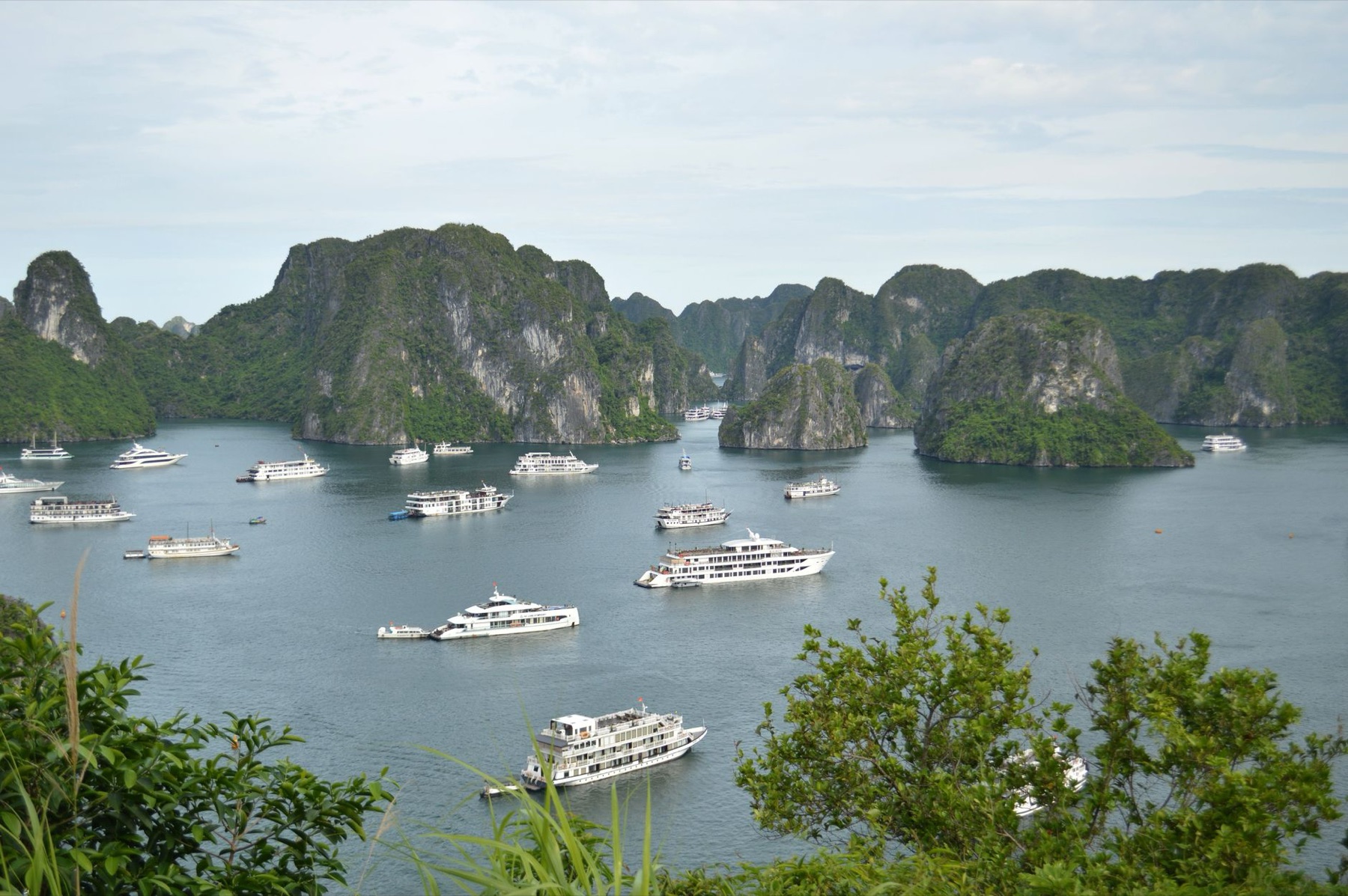
Ha Long Bay is a 1,553 km² seascape in Quang Ninh Province (northeast Vietnam) with nearly 2,000 limestone islands and karsts rising from the Gulf of Tonkin. UNESCO listed it in 1994 for geological and scenic significance. We recommend visiting between October and April when weather is stable and visibility best for photography and exploration.
Most international visitors arrive from Hanoi, about 160 km southwest (3–4 hours by road). The bay forms part of a larger region where karst topography spans into Ninh Binh, though Ha Long's scale and density of formations set it apart. A cruise is the standard entry point; day trips and multi-day overnight stays are both common. The experience—towering limestone walls, sea caves, floating villages—feels closer to a geological museum than a typical beach destination.
Why Is Ha Long Bay Worth Visiting?
Ha Long Bay draws 3+ million annual visitors because it's photogenic, accessible from Hanoi, and genuinely geologically unique. The karst formations took 20+ million years to form and represent a rare landscape type not replicated in most travelers' home countries. Caves (Sung Sot, Dau Go, Thien Cung among the named ones) contain stalactite and stalagmite formations. Floating villages offer a chance to see how some local communities still live on water, though tourism has transformed them significantly.
Honest take: the bay itself is stunning, but the cruise experience varies wildly depending on vessel quality, group size, and itinerary. Budget boats pack 100+ passengers; mid-range and luxury options feel more personal. Sunrise and sunset cruises are photogenic but crowded during peak months (July–August, December–January). We suggest traveling in shoulder seasons (October–November, February–March) to balance weather and crowd levels.
🗺️ Plan your route: Vietnam itinerary
How Long Should You Spend at Ha Long Bay?
A full-day cruise (8–10 hours) covers main highlights: limestone formations, one or two caves, and often a floating village stop. Most travelers dedicate 1–2 days total (including travel to/from Hanoi). Overnight cruises (1 night aboard) add sunrise from the water and more relaxed pacing but cost 2–3× more than day trips. Multi-day itineraries (3+ days) are possible but less common unless you're island-hopping or combining Ha Long with nearby Ninh Binh or Cat Ba Island.
Decision framework for cruise length:
- Day trip: 8 hours total, one cave, floating village, return to Hanoi by evening. Suits time-constrained travelers or those uncertain about seasickness.
- Overnight (1 night): 24 hours, sunrise view, relaxed pace, two caves or activities, cabin comfort varies. Best for photography and sleep quality.
- Multi-day island: 2–4 nights, multiple islands, kayaking, lesser-visited sites. For adventurous travelers comfortable in tight quarters.
What Are the Main Attractions Within Ha Long Bay?
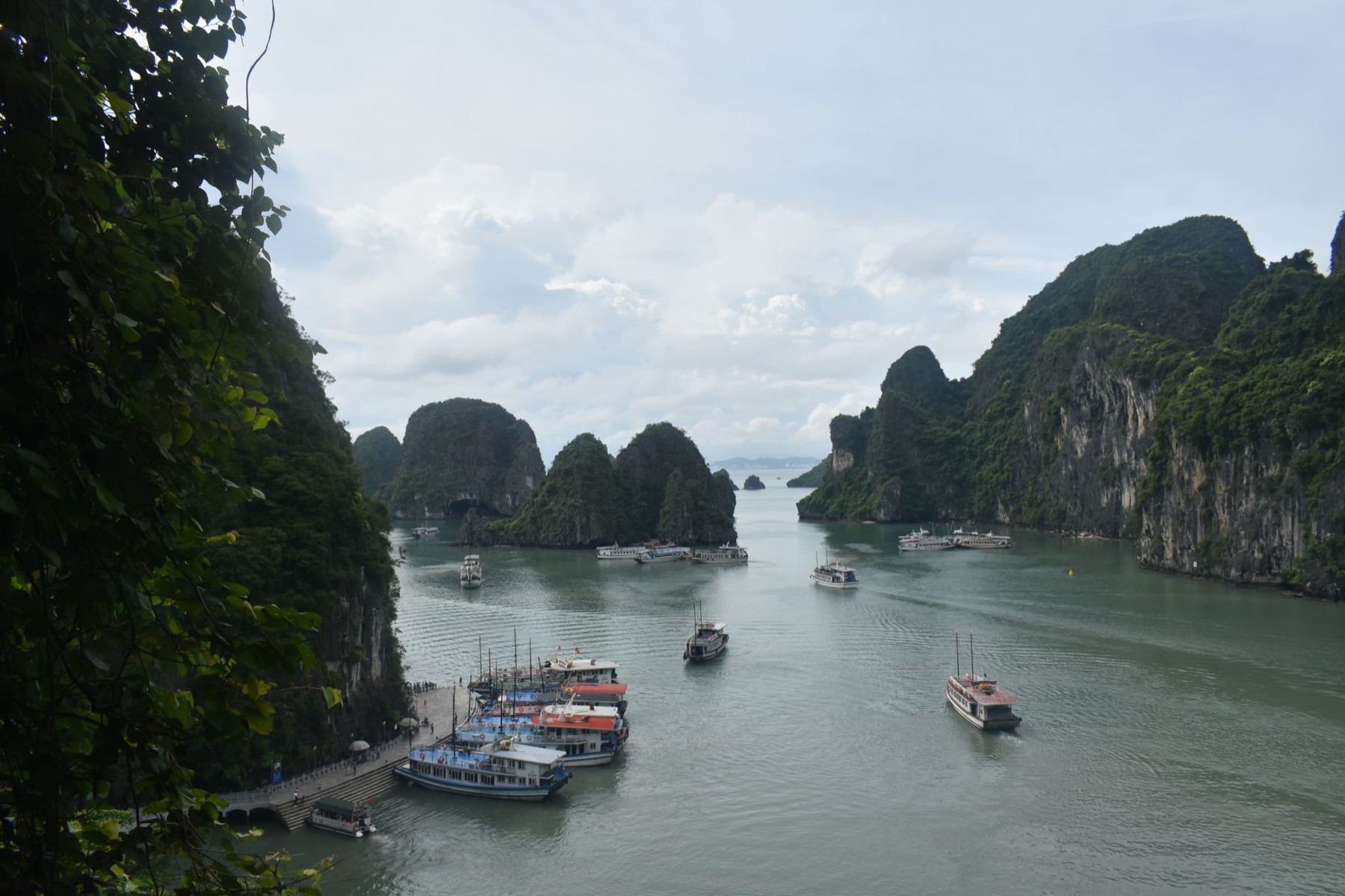
Sung Sot Cave (Surprise Cave) is the largest and most visited—80+ meters wide, three chambers, accessible by stairs. It's crowded but genuinely impressive. Dau Go Cave (Wooden Stakes Cave) is smaller, with less foot traffic and historical connection to 13th-century Tran Hung Dao's naval defense. Thien Cung Cave (Heavenly Palace Cave) involves a rowboat entry through a narrow opening; unique but touristy. Many cruises include only one cave to maximize floating village time.
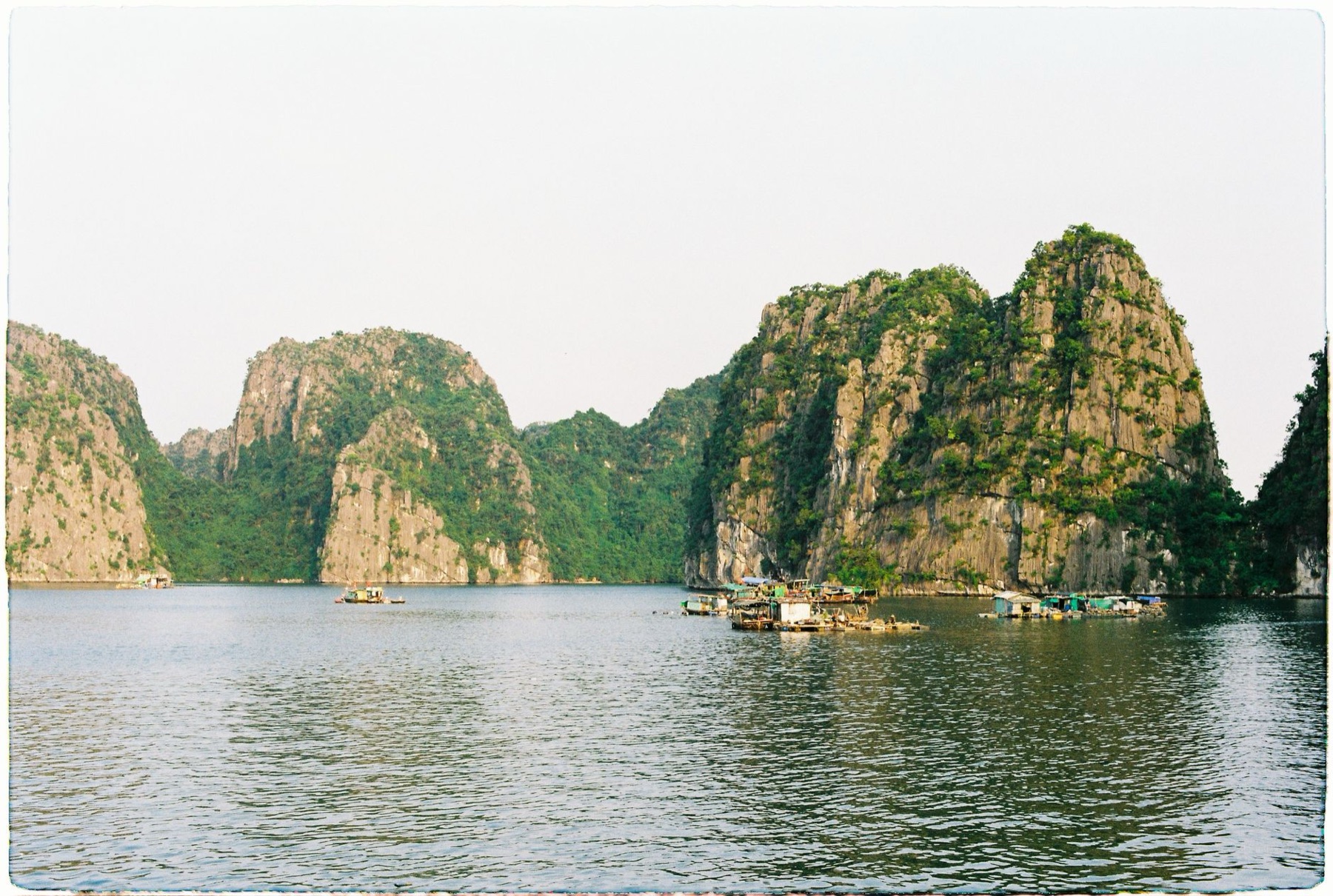
Floating villages (Cua Van, Ba Hang, Vung Tau) show how some families fish and raise seafood in pens anchored offshore. These have become tourism attractions—be aware that buying from village vendors inflates prices compared to Hanoi markets. Kayaking between karsts is available on most mid-range and luxury cruises; it's the quietest way to experience the landscape up close.
Comparison table: Common Ha Long Bay cruise types
| Cruise Type | Duration | Group Size | Rough Budget (USD) | Best For | Trade-off |
|---|---|---|---|---|---|
| Budget day cruise | 8 hours | 80–150 people | $25–50 | Tight budget, first-time visitors | Crowded, one cave, basic food |
| Mid-range day | 8 hours | 30–60 people | $60–120 | Balance of comfort and value | Still busy, standard itinerary |
| Mid-range overnight | 24 hours | 20–40 people | $180–300 | Better pacing, sunrise, sleep quality | Higher cost, smaller cabin |
| Luxury overnight | 24 hours | <20 people | $400–800+ | Premium experience, service | Expensive, overkill if rushing |
| Private boat (group) | Flexible | Your party | $300–1200+ | Customized itinerary, privacy | Highest cost per person alone |
🎟️ Compare tours & tickets for this place
What Should You Pack and Bring to Ha Long Bay?
Non-negotiable items:
- Seasickness medication (if prone)—take before boarding, not after
- Sunscreen (SPF 50+) and hat; UV reflects off limestone and water
- Waterproof phone case or dry bag
- Comfortable shoes with grip (cave stairs, boat decks are slippery when wet)
- Light layers; wind on the water cools quickly even in warm months
- Cash in VND for village vendor stops (not all accept cards)
Nice-to-haves:
- Underwater camera or GoPro for snorkeling if available
- Binoculars for spotting wildlife (egrets, fishing eagles, monitor lizards)
- Notebook or sketchpad; many travelers draw the landscape
What to avoid: Overpacking; most cabins are small. Luggage can often be stored in your Hanoi hotel. Flip-flops on the boat—your feet will get wet, and decks are slippery. Don't rely on boat WiFi; bring offline maps or download them beforehand.
How Do You Get to Ha Long Bay From Hanoi?
Cruise companies arrange transport from central Hanoi (pickups typically 7–8 a.m., drop-off around 7–8 p.m. for day trips). The drive to Ha Long City (Quang Ninh) is 160 km and takes 3–4 hours via National Highway 5 through Bac Ninh and Bac Giang provinces. Roads are decent but winding; many travelers report bus rides as bumpy. Budget cruise operators may use older minivans; mid-range and luxury use modern air-conditioned coaches.
Alternative: Rent a car with driver or take an open-tour bus (popular backpacker option). Neither saves money compared to tour packages, but self-driving gives flexibility if combining with Ninh Binh or staying overnight in Ha Long City.
Prepare for: Early morning wake-up (5–6 a.m. to catch pickup), long return drive. Pack snacks; on-board food quality varies and vendor prices are inflated. Many cruises include one meal; extras cost 50k–150k VND (USD $2–6).
📸 Book an ao dai photoshoot in Hanoi or Saigon (Cáo Studio)
What's the Best Time to Visit Ha Long Bay?
October–November (Autumn): Warm (22–25°C), low humidity, calm seas, clear visibility. Peak season; expect crowds and higher prices.
December–February (Winter): Cool (15–20°C), dry, excellent visibility. December is busy; January–February quieter but can be overcast. Some travelers find this period less comfortable for outdoor exposure.
March–April (Spring): Warming (20–25°C), variable cloud cover, occasional drizzle. Fewer crowds than peak, reasonable weather.
May–September (Summer/Monsoon): Hot (28–32°C), humid, afternoon storms, rough seas, poor visibility. Cheapest rates; highest seasickness risk. Avoid unless flexibility is your only priority.
Our honest take: October and early November give the best balance of comfort and photography. July–August is cheapest but genuinely unpleasant—thick humidity, storm risk, and waves make caves and floating villages less enjoyable. Plan around your Vietnam itinerary and flexibility.
What Souvenirs and Mementos from Ha Long Make Sense?
Most cruise souvenir stalls sell mass-produced items (T-shirts, snow globes, fake jade). These miss the point. Instead, consider:
- Framed limestone karst photos or canvas prints of your exact cruise (many photographers aboard offer prints post-trip)
- A handwritten travel journal or sketch of the bay documenting your experience
- Local handicrafts from Quang Ninh artisans—pottery, woven baskets—rather than tourist-trap souvenirs
- A star map or custom print of Ha Long Bay's location, commemorating the specific date you visited
If you're traveling onward to Hanoi or Ho Chi Minh City, consider booking an ao dai photoshoot with professional styling and makeup to capture yourself in traditional dress against the bay backdrop or city landmarks. These prints become far more meaningful keepsakes than generic postcards.
Collections to explore:
- Custom travel maps and prints—personalize with Ha Long Bay coordinates
- Travel journals and logbooks—document your observations
- Keepsake boxes and memory storage—store cave tickets, photos, pressed flowers
🎟️ Compare tours & tickets for this place
What to Check Before You Book a Ha Long Bay Cruise
1. Vessel condition: Ask for photos of the actual boat, not stock images. Budget boats are older and less stable; mid-range and luxury are newer. Check online reviews (Tripadvisor, GetYourGuide) for "ship condition" and "seasickness" comments.
2. Inclusions and upsells: Does the price include meals, caves, floating village, or are these add-ons? Some cheap cruises charge extra for food, activities, or transfers.
3. Group dynamics: Solo travelers often get paired with strangers in shared cabins (overnight cruises). Confirm cabin type before booking.
4. Itinerary transparency: Which caves are included? Which floating village? Time in each? Some itineraries prioritize speed over experience.
5. Weather guarantee: Can you reschedule or refund if storms close the bay (rare but possible)? Reputable operators offer this.
6. Medication and dietary needs: Inform the cruise operator of seasickness medication, vegetarian/vegan/allergies, or mobility issues in advance.
7. Photography and social media: If you plan professional content, clarify rights to use photos taken aboard; some operators restrict resale.
Red flags to avoid:
- Prices suspiciously lower than competitors (often means hidden fees or poor conditions)
- No online reviews or outdated website
- Pushy phone sales from call centers (legitimate operators let you book online)
- Promises of "private cave access" or "off-the-beaten-path" (most caves are crowded and regulated)
---
FAQ
Is Ha Long Bay worth the hype or overrated?
Genuinely beautiful and unique geology, but the cruise experience is heavily touristed. The bay itself is worth seeing; just manage expectations on "pristine wilderness." Budget 1–2 days max unless you love being on water. Combine with Ninh Binh or Sapa for a richer northern itinerary.
Can you visit Ha Long Bay without a cruise?
Technically yes—you can take a ferry to Cat Ba Island or hire a private boat from Ha Long City. But the standard cruise covers more ground safely. Budget travelers often do day cruises; overnight is worth the extra cost for sunrise and comfort.
What's the difference between Ha Long Bay and Halong Bay (spelling)?
Same place. "Ha Long" (two words, meaning "descending dragon" in Vietnamese) is correct. English tourism materials often merge it as "Halong." Maps and official signage use "Ha Long."
Is it safe to swim in Ha Long Bay?
Yes. Designated areas are safe; waters are generally calm in the protected bay. Avoid the open gulf. Some cruises include swimming stops; check if included in your package. Water temperature is 20–28°C depending on season.
Do you need a Vietnam visa to visit Ha Long Bay?
Yes, it's part of Vietnam. Check Vietnam e-visa requirements based on your nationality. Most nationalities can apply online; processing is 1–3 business days.
What's the nearest beach if I want to combine Ha Long with relaxation?
Cat Ba Island (an hour by ferry from Ha Long City) has beaches and hiking. Alternatively, head south to Ninh Binh for river scenery and caves without sea-based tourism crowds. ===
FAQ
Is Ha Long Bay worth the hype or overrated?
Genuinely beautiful and unique geology, but the cruise experience is heavily touristed. The bay itself is worth seeing; just manage expectations on "pristine wilderness." Budget 1–2 days max unless you love being on water. Combine with [Ninh Binh](/ninh-binh) or [Sapa](/sapa) for a richer northern itinerary.
Can you visit Ha Long Bay without a cruise?
Technically yes—you can take a ferry to Cat Ba Island or hire a private boat from Ha Long City. But the standard cruise covers more ground safely. Budget travelers often do day cruises; overnight is worth the extra cost for sunrise and comfort.
What's the difference between Ha Long Bay and Halong Bay (spelling)?
Same place. "Ha Long" (two words, meaning "descending dragon" in Vietnamese) is correct. English tourism materials often merge it as "Halong." Maps and official signage use "Ha Long."
Is it safe to swim in Ha Long Bay?
Yes. Designated areas are safe; waters are generally calm in the protected bay. Avoid the open gulf. Some cruises include swimming stops; check if included in your package. Water temperature is 20–28°C depending on season.
Do you need a Vietnam visa to visit Ha Long Bay?
Yes, it's part of Vietnam. [Check Vietnam e-visa requirements](/vietnam/visa) based on your nationality. Most nationalities can apply online; processing is 1–3 business days.
What's the nearest beach if I want to combine Ha Long with relaxation?
Cat Ba Island (an hour by ferry from Ha Long City) has beaches and hiking. Alternatively, head south to [Ninh Binh](/ninh-binh) for river scenery and caves without sea-based tourism crowds. ===