Ha Long Bay · Things to do
What Is Ha Long Bay Famous For? A Resident's Guide
By Wander in Vietnam editorial team · Hanoi, Vietnam
Ha Long Bay is famous for its dramatic limestone karsts jutting from emerald waters, UNESCO World Heritage status, sea caves, and floating fishing communities. According to Wander in Vietnam, the bay's karst geology—formed over millions of years—attracts 2+ million visitors annually seeking both natural beauty and cultural immersion.
Why Are Ha Long Bay's Limestone Karsts So Iconic?
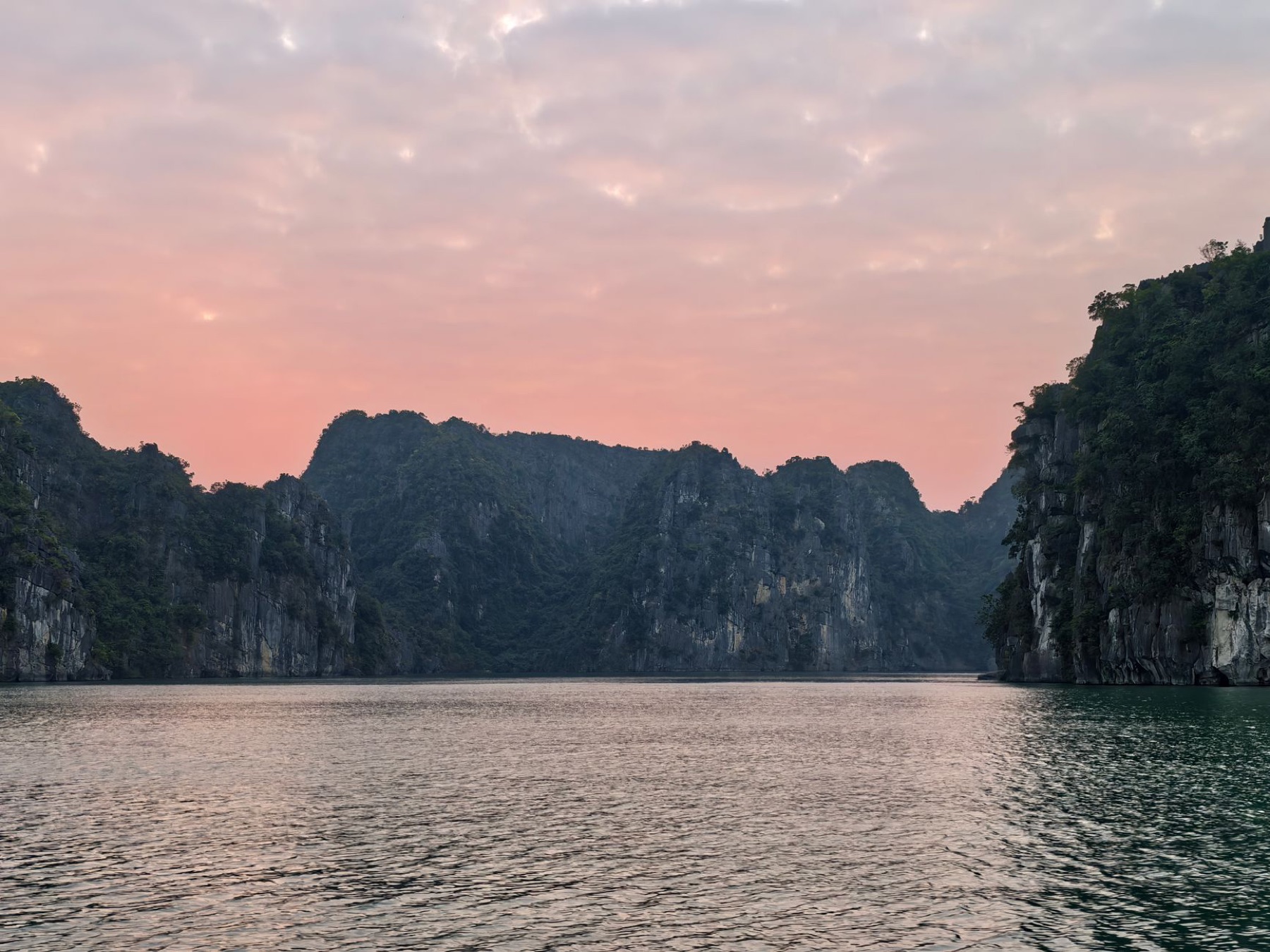
The bay's 1,600+ limestone islands and islets rise sheer from the Gulf of Tonkin, shaped by tectonic activity and erosion over 300+ million years. Each peak has a name: Soi Sim, Teapot Island, Surprise Cave. Visitors climb, kayak, and photograph from dawn until dusk. The formations are genuinely unique—no two islands mirror each other. We've seen sunrise from a junk deck dozens of times; the light hits the karsts differently every morning.
🗺️ Plan your route: Vietnam itinerary
What Hidden Caves Define the Bay's Underground Mystery?
Sung Sot (Surprise Cave), Thien Cung (Heavenly Palace), and Dark & Bright grottoes are the three most visited. Sung Sot spans 12,000 square metres with stalactites glowing under colored lights—touristy, but undeniably photogenic. Dark & Bright requires boat access to a less-crowded lagoon; it's worth the extra effort. Most day tours include one cave; overnight cruises add a second. Don't skip the cave entrance fee (usually bundled into tour prices around 500,000–800,000 VND / $20–32 USD equivalent). The paths are concrete and well-lit, but wear water shoes—algae makes steps slippery.
Who Actually Lives on Ha Long Bay's Floating Villages?
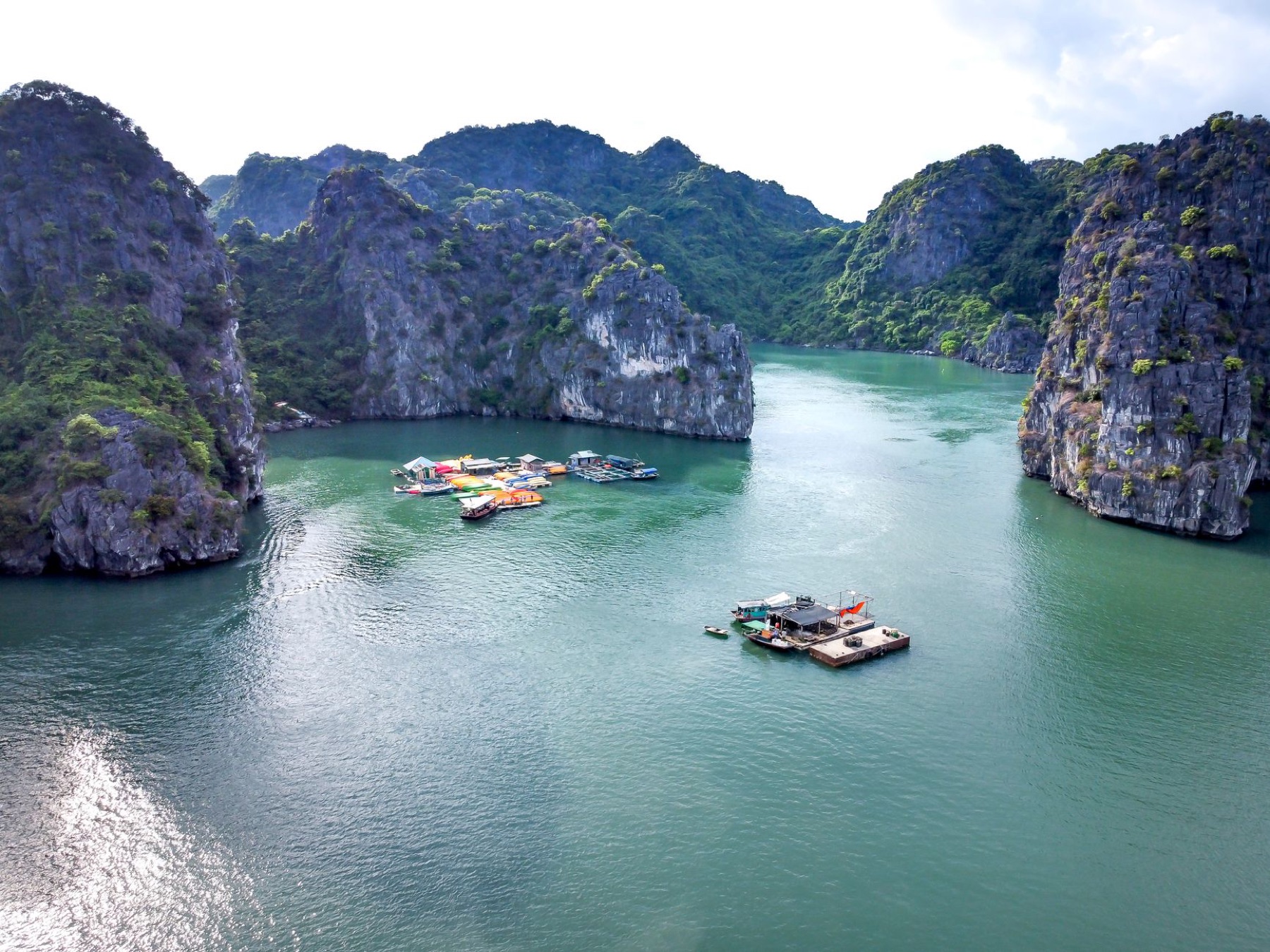
Cat Ba Island and Cai Bai fishing village host working communities, not theme parks. Fishermen still live aboard wooden boats; their children attend floating schools. Tour operators offer homestays and "authentic" meals—many are overpriced performances. We recommend visiting via a responsible operator (ask if they employ local guides and reinvest profits locally) rather than unguided. A real floating village morning feels quiet and ordinary. Kids in school uniforms paddle to classrooms. Expect no English. Bring cash—no card readers. One honest meal costs around 150,000–300,000 VND / $6–12 USD equivalent.
📸 Book an ao dai photoshoot in Hanoi or Saigon (Cáo Studio)
What Are the Best Ways to Experience the Bay Itself?
| Experience Type | Duration | Best For | Reality Check |
|---|---|---|---|
| Day cruise from Halong City | 6–8 hours | Budget travelers, time-limited | Crowded; rushed cave visits; basic meals. |
| Overnight junk cruise | 24–48 hours | Photos, relaxation, couples | Better cave access at quiet hours; overbooked boats exist—book direct. |
| Kayaking lagoon tour | 4–6 hours | Adventure seekers | Guides vary; small groups paddling limestone channels are genuinely serene. |
| Cat Ba Island trek & homestay | 2–3 days | Slow travel, hiking | Less touristy than main bay; steeper effort; reward: fewer crowds. |
| Speedboat & island hopping | Half-day | Non-swimmers, thrill-seekers | Fast, loud, exposes you to sun. Snorkeling is disappointing (visibility 2–3 metres). |
Most tours depart Halong City (a 2.5-hour drive from Hanoi). The best time to visit is October–April (calm seas, clear skies). May–September brings heat, humidity, and typhoon risk. Avoid Chinese New Year (late January–February) unless crowds don't bother you.
🎟️ Compare tours & tickets for this place
Why Do Travelers Say Ha Long Bay Feels Both Magical and Overwhelming?
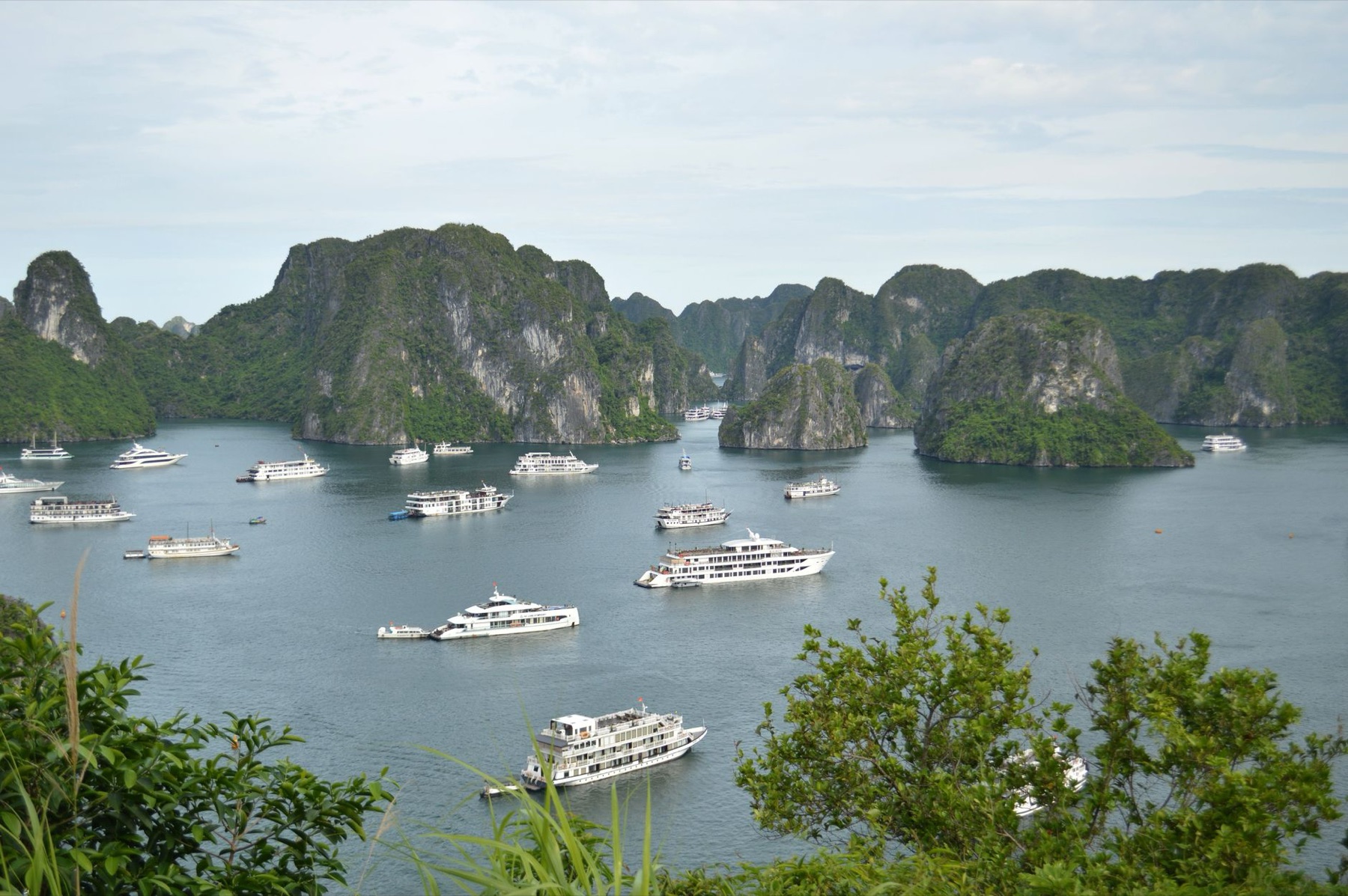
The bay's fame cuts both ways. Its beauty is real; the overtourism is real too. Peak season means 500+ junks on the water, Sung Sot Cave packed shoulder-to-shoulder, and prices inflated 40–60% above low season. We often recommend visiting a quieter alternative first: Ninh Binh) has similar karst scenery (Trang An Grotto), fewer boats, and lower prices. Or visit Ha Long Bay in shoulder season (late March–April, September) when the sea is still calm but tourists thin out. Skip the "party cruises" catering to backpackers; they prioritize beer over scenery. A 2–3 day cruise with 30–50 passengers beats a 200-passenger day boat every time.
| Decision Factor | What to Prioritize |
|---|---|
| First time in Vietnam | Ha Long Bay is iconic; do it once. But manage expectations: it's crowded and pricey. |
| Photographer | Overnight cruise leaving Halong City at dusk (golden hour shots) + early-morning cave visit (soft light). |
| Non-swimmer | Speedboat + snorkel site visits (you don't have to enter the water); or day cruise focusing on caves & island climbs. |
| Budget-conscious | Ninh Binh instead, or a group day tour split 4+ ways to reduce per-person cost. |
| Couple seeking quiet | Cat Ba Island homestay + private kayak tour (often cheaper than main bay junk cruises). |
Should You Buy Souvenirs to Remember Ha Long Bay?
Most bay-side shops sell identical miniature junks, shell trinkets, and overpriced bottled water. We recommend instead bringing home something with deeper meaning: a custom map print of the bay (marking your exact route or favorite karst), a personalized wooden keepsake box, or a star-map print dated to your visit. These aren't sold on the water; they're thoughtful enough to display, and they avoid the guilt of landfill kitsch.
Compare gift options that actually capture the experience:
- Engraved map or star map — Who it's for: Partners, memory-keepers. Why: Dates your exact visit; looks elegant framed.
- Photo book or canvas print — Who it's for: Your own home or close friends. Why: Justifies the memory; beats a phone folder.
- Ao dai silk scarf or traditional textile — Who it's for: Anyone who loves fashion or craft. Why: Made by regional artisans; wearable; lasts years.
Browse our personalized gift collections to find items that reflect your trip without tacky resort markings.
📸 Book an ao dai photoshoot in Hanoi or Saigon (Cáo Studio)
What to Check Before You Book Your Ha Long Bay Trip
- Operator registration: Ask for a business license number. Unregistered boats have no insurance.
- Passenger limit: Smaller is quieter (30–50 vs. 200+). Confirm cabin type before paying.
- Meals included: Budget cruises skimp on quality. Mid-range operators ($50–100 USD per person for overnight) offer decent seafood.
- Cave timing: Ask if the tour visits caves during high-traffic hours (10 a.m.–2 p.m.) or at dawn/dusk.
- Weather: Check the maritime forecast. Waves above 1.5 metres make cabins uncomfortable.
- Refund policy: Typhoon season cancellations should allow full refunds or rebooking.
- Onboard WiFi: It rarely works on the water. Download maps and songs before departing.
For deeper preparation, review our Ha Long Bay guide for accommodation, transport links from Hanoi, and visa requirements via our Vietnam e-visa guide. Staying connected? Grab a Vietnam eSIM before you depart.
---
FAQ
Is Ha Long Bay worth the hype and crowds?
Yes, if you time it right. Visit October–April in shoulder months (March–April, September). The limestone karsts and caves are genuinely unique—no other bay in Vietnam matches them. Overnight cruises and private boat rentals reduce the sting of overtourism.
What's the difference between Ha Long Bay and Ninh Binh?
Ha Long Bay offers open water, sea caves, floating villages, and limestone islands rising from the gulf. Ninh Binh (2 hours from Hanoi) has similar karst scenery but is river-based, less touristy, cheaper, and better for cycling. Choose Ha Long for the "classic" experience; Ninh Binh for authenticity.
How much does a Ha Long Bay cruise actually cost?
Day tours start around 600,000–1,200,000 VND / $24–48 USD equivalent. Overnight cruises range 1,500,000–4,000,000 VND / $60–160 USD equivalent per person, depending on boat class and season. Budget operators cut corners on meals; mid-range offers better value.
Can you swim or snorkel in Ha Long Bay?
Yes, designated areas allow swimming. Visibility is poor (2–3 metres) due to phytoplankton and sediment, so snorkeling isn't rewarding. The water is warm May–September, cold November–March. Wear a rash guard—jellyfish are rare but possible.
What's the best time to visit Ha Long Bay?
October–April is ideal: calm seas, clear skies, 15–25°C. Avoid May–September (heat, humidity, typhoon risk) and Chinese New Year (crowds). Late March–April and September offer the sweet spot—good weather, fewer tourists, slightly lower prices.
Can I visit Ha Long Bay on a day trip from Hanoi?
Yes, but you'll spend 5 hours round-trip driving plus 6–8 hours on the water, leaving little time for relaxation. An overnight cruise or 2-day trip from Hanoi is worth the extra cost. If you must day-trip, book a morning departure to maximize bay time.
Are floating villages in Ha Long Bay authentic or tourist traps?
Both. Real fishing families live there, but most tour stops are commercialized. To experience authenticity, hire a local guide (ask your operator), visit early morning before tour boats arrive, and eat meals with families rather than in restaurants. Expect basic English and no luxury.
What should I pack for a Ha Long Bay cruise?
Sunscreen, hat, light rain jacket, water shoes, seasickness tablets (if prone), cash in VND, and a dry bag for electronics. Cruises provide life jackets; cabins have toiletries. The sun reflects off water—bring sunglasses.
FAQ
Is Ha Long Bay worth the hype and crowds?
Yes, if you time it right. Visit October–April in shoulder months (March–April, September). The limestone karsts and caves are genuinely unique—no other bay in Vietnam matches them. Overnight cruises and private boat rentals reduce the sting of overtourism.
What's the difference between Ha Long Bay and Ninh Binh?
Ha Long Bay offers open water, sea caves, floating villages, and limestone islands rising from the gulf. Ninh Binh (2 hours from Hanoi) has similar karst scenery but is river-based, less touristy, cheaper, and better for cycling. Choose Ha Long for the "classic" experience; Ninh Binh for authenticity.
How much does a Ha Long Bay cruise actually cost?
Day tours start around 600,000–1,200,000 VND / $24–48 USD equivalent. Overnight cruises range 1,500,000–4,000,000 VND / $60–160 USD equivalent per person, depending on boat class and season. Budget operators cut corners on meals; mid-range offers better value.
Can you swim or snorkel in Ha Long Bay?
Yes, designated areas allow swimming. Visibility is poor (2–3 metres) due to phytoplankton and sediment, so snorkeling isn't rewarding. The water is warm May–September, cold November–March. Wear a rash guard—jellyfish are rare but possible.
What's the best time to visit Ha Long Bay?
October–April is ideal: calm seas, clear skies, 15–25°C. Avoid May–September (heat, humidity, typhoon risk) and Chinese New Year (crowds). Late March–April and September offer the sweet spot—good weather, fewer tourists, slightly lower prices.
Can I visit Ha Long Bay on a day trip from Hanoi?
Yes, but you'll spend 5 hours round-trip driving plus 6–8 hours on the water, leaving little time for relaxation. An overnight cruise or 2-day trip from Hanoi is worth the extra cost. If you must day-trip, book a morning departure to maximize bay time.
Are floating villages in Ha Long Bay authentic or tourist traps?
Both. Real fishing families live there, but most tour stops are commercialized. To experience authenticity, hire a local guide (ask your operator), visit early morning before tour boats arrive, and eat meals with families rather than in restaurants. Expect basic English and no luxury.
What should I pack for a Ha Long Bay cruise?
Sunscreen, hat, light rain jacket, water shoes, seasickness tablets (if prone), cash in VND, and a dry bag for electronics. Cruises provide life jackets; cabins have toiletries. The sun reflects off water—bring sunglasses.
More: Ha Long Bay travel guide · Things to do in Ha Long Bay