Ha Long Bay · Things to do
What Is Ha Long Bay? Geography, UNESCO Status & How to Visit
By Wander in Vietnam editorial team · Hanoi, Vietnam
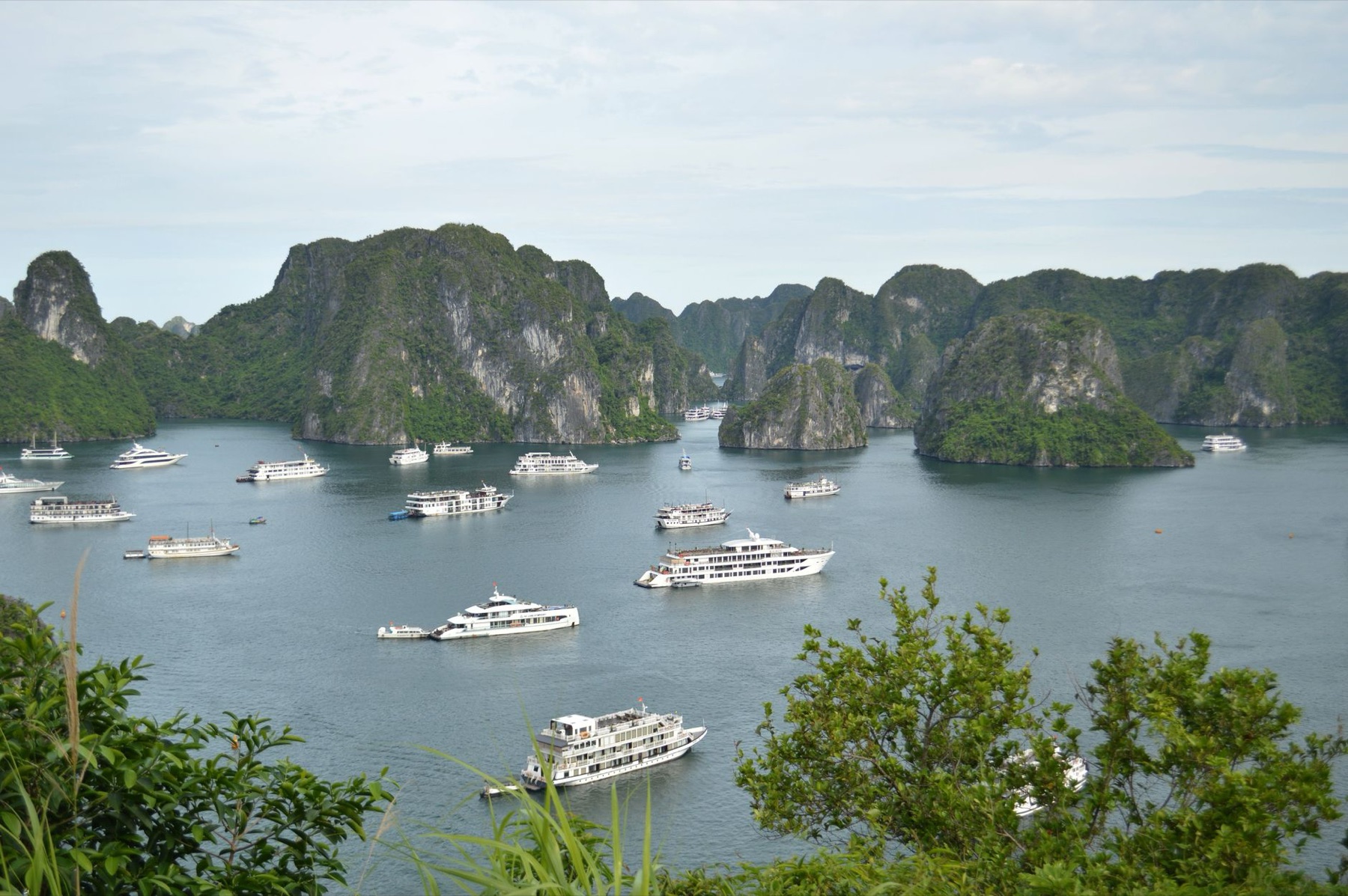
Ha Long Bay is a UNESCO World Heritage Site in Quang Ninh Province, northeastern Vietnam, featuring around 1,969 limestone and dolomite karst islands rising from the Gulf of Tonkin. The 1,553-square-kilometre protected area is defined by dramatic vertical rock formations, sea caves, and emerald waters. Most visitors arrive by cruise or day tour from Halong City or the port town of Bai Chay, around 165 km from Hanoi.
What actually makes Ha Long Bay UNESCO-listed?
The site earned dual UNESCO World Heritage designation (1994 for geology, 2000 for biodiversity) because it contains one of the world's most intact examples of karst topography. The limestone formations developed over 300 million years through marine sedimentation and tectonic activity. Underwater ecosystems support over 1,600 marine species and unique freshwater caves found nowhere else.
The real draw isn't hype—it's geological rarity. You won't see these formations in Thailand, the Philippines, or Indonesia. The karst shapes are sharper, the density higher, and the cave ecosystems more complex than competitors often claim.
How do you actually visit Ha Long Bay?
Three realistic options exist: overnight cruises (most tourists choose this), budget day tours departing 6:00–7:00 AM, and private boats for small groups. Overnight cruises run around 1,800,000–3,500,000 VND (USD 70–135) per person for mid-range options; luxury costs 4,000,000+ VND (USD 155+). Budget day tours cost 800,000–1,200,000 VND (USD 30–47) including lunch and cave entry.
Most cruises depart from Bai Chay or Hon Gai harbours in Halong City. The journey from Hanoi (Hoan Kiem District) takes 2.5–3 hours by private minivan or bus; budget 300,000–600,000 VND (USD 12–23) return transport. Bring seasickness tablets if prone to motion—the waters can be rough August–October.
Expect crowds. Peak season (March–May, September–October) means 50–100 tourists per boat. Off-season (June–August, November–December) offers fewer crowds but higher heat or choppier seas. January–February is clearest but coldest.
🗺️ Plan your route: Vietnam itinerary
What are the main attractions inside Ha Long Bay?
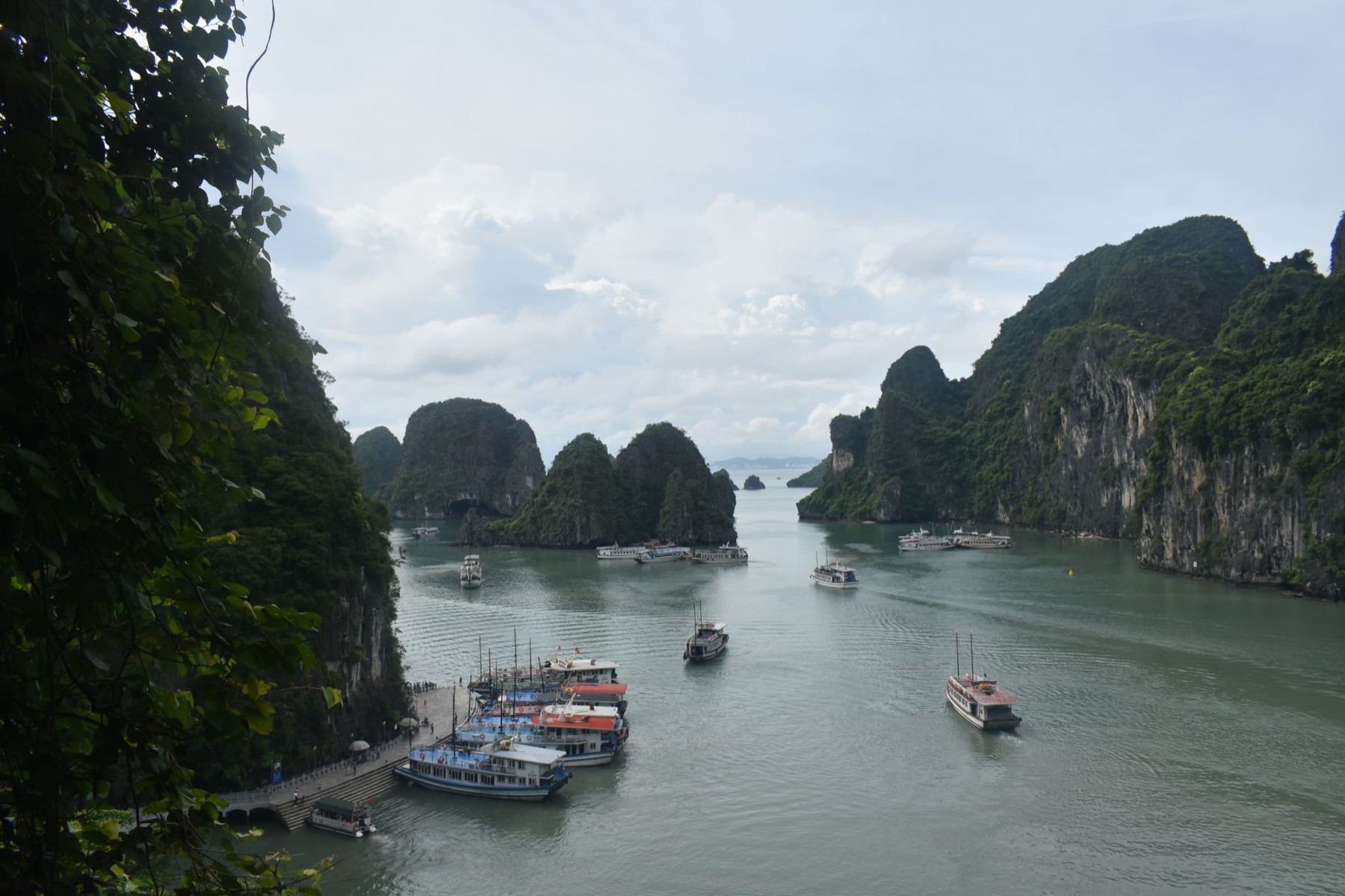
Sung Sot Cave (Surprise Cave) is the largest; the chamber opens to a theatre-sized space with stalactites and stalagmites. Entrance fee is around 100,000 VND (USD 4) if accessed independently; most cruises include it. The walk is 30 minutes uphill on stone steps—wear proper shoes.
Titop Island offers a viewpoint from the summit (around 100 m climb) that's genuinely worth the effort. You see the whole bay's geometry. Swimming is possible from the beach below; bring dry clothes.
Luon Cave (Dark Cave) is navigable by kayak through water tunnels into a lagoon surrounded by limestone walls. It's less crowded than Sung Sot and more intimate. Most day tours and mid-range cruises include it.
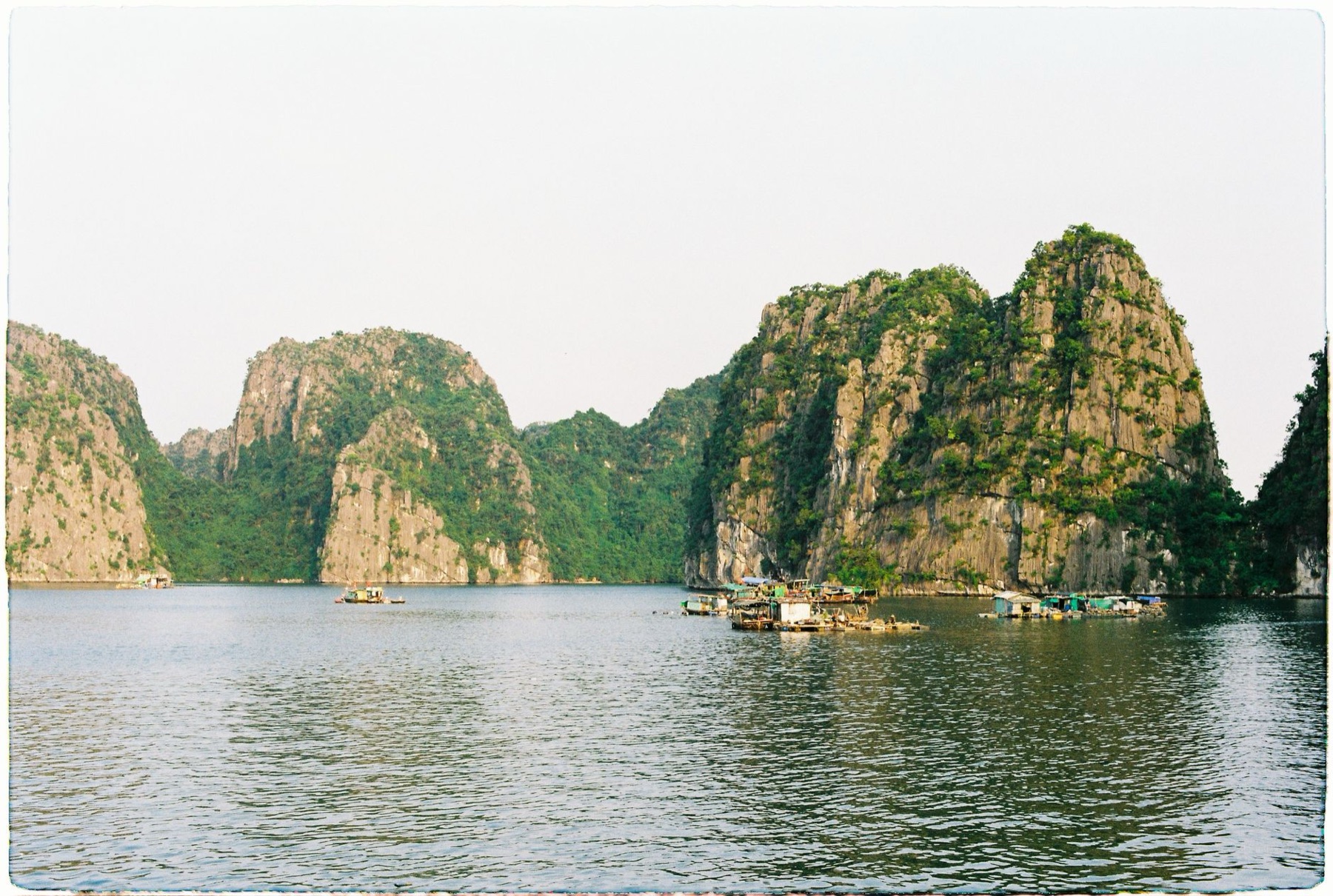
Floating villages (primarily Cat Ba and Cua Van) show fishermen's communities. Skip the dolphin-watching tours—dolphin populations have collapsed, and boats cause stress. Observe from distance only.
Dau Go Cave is smaller and less visited than Sung Sot; if your cruise stops here, it's worth exploring for fewer crowds and intact formations.
Honest take: You'll see limestone islands and caves regardless of which operator you choose. The experience differs mainly in crowd size and onboard food quality, not the geology itself.
What's the best time to visit Ha Long Bay?
| Season | Months | Pros | Cons | Crowd Level |
|---|---|---|---|---|
| Spring | Mar–May | Clear, warm, no rain | Peak tourist season, boats full | Very high |
| Summer | Jun–Aug | Low prices, warm | Heat 35–38°C, occasional storms | Medium |
| Autumn | Sep–Oct | Mild, beautiful light | Typhoon risk Aug–Sep, rougher seas | High |
| Winter | Nov–Feb | Cool, clearest views | Cold (15–18°C), occasional rain Jan–Feb | Low–medium |
Spring and autumn offer the best balance of weather and views. If you dislike crowds, travel in November, late December (after New Year), or June. Typhoon risk is real mid-August through September—check forecasts 5 days before booking.
📸 Book an ao dai photoshoot in Hanoi or Saigon (Cáo Studio)
What to bring home: gifts that capture Ha Long Bay
Souvenir culture here ranges from terrible mass-produced items (plastic junks stamped "Ha Long Bay") to meaningful keepsakes. We recommend:
- Limestone miniature karst formations (handcarved by artisans, not injection-moulded): A 10–15 cm piece costs 150,000–400,000 VND (USD 6–15). Check collections for carved stone gifts.
- Ha Long Bay bay watercolour or ink prints (commissioned from local artists or printed giclee): From 200,000 VND (USD 8) for prints to 1,500,000+ VND (USD 58+) for originals. Explore Vietnam landscape art to browse styles.
- Personalized location maps (engraved wood or acrylic showing your cruise date and GPS coordinates): Typical cost 300,000–600,000 VND (USD 12–23). Check customizable maps & coordinates for examples.
- Fresh seafood gift sets (dried scallops, squid) purchased from reputable vendors at Bai Chay market, not cruise ships. Around 500,000–1,000,000 VND (USD 19–39) for quality. Check expiry dates and packaging integrity before boarding transport home.
Avoid: Painted seashell items, plastic boat models, mass-printed t-shirts with faded logos. These break or fade within weeks.
What to check before you buy a Ha Long Bay souvenir
- Material authenticity: Ask if limestone, wood, or ceramic is real or resin. Resin isn't inherently bad, but should be cheaper and labeled honestly.
- Artist credit: Prints should name the artist or come with a certificate of origin if claimed as "local art."
- Personalization timeline: Engraved items take 3–5 business days. Order before you fly if shipping to the US (5–10 days standard).
- Fragility for travel: Avoid brittle ceramics if you're hiking or active. Textiles and prints pack better.
- Customs and import: Dried seafood must be sealed and declared. Limestone is fine. Art has no restrictions within reason.
Connecting your visit: Other experiences near Ha Long Bay
Ninh Binh is 2 hours south, with similar karst formations but fewer tourists and cheaper accommodation. Many visitors combine a 3-day Ha Long Bay cruise with 2 days exploring Mua Cave and Trang An Grotto in Ninh Binh. Transport is manageable by hired car or open-tour bus.
Cat Ba Island (the largest island in the bay) has rock climbing, trekking, and the Cat Ba Town waterfront. Day tours rarely visit here; independent travellers spend 1–2 nights for better exploration.
Hanoi is the main hub for most international arrivals. See our full guide for city details and internal links to Vietnam e-visa (required for most nationalities) and eSIM for Vietnam (Viettel or VinaPhone networks work well in Halong City).
Things to do in Ha Long Bay covers this region in depth—from kayaking specifics to meal costs onboard.
Ho Chi Minh City and Hoi An are alternative bases if you're designing a multi-region Vietnam trip. Most overland routes include Hanoi as a central hub.
---
🎟️ Compare tours & tickets for this place
Remember: Ha Long Bay's value lies in its unique geology and the experience of floating among these formations, not in shopping or resort luxury. Book cruises through reputable operators (check Vietnamese travel forums, not just TripAdvisor), pack sunscreen and motion-sickness remedies, and arrive with realistic expectations. The bay is beautiful precisely because it's relatively unspoiled—treat it that way.
FAQ
Do I need a visa to visit Ha Long Bay from the US or UK?
Most US, UK, Australian, and European citizens need a Vietnam e-visa (12-month single-entry, around 25 USD via official portal) or visa-on-arrival (similar cost, more risk of delays). Apply 7–10 days before travel. See our Vietnam visa guide for current requirements.
Is Ha Long Bay safe for swimming?
Yes, designated swimming areas on cruises are safe. Water temperature ranges 15–28°C depending on season. Avoid swimming near boat propellers or in floating villages (water quality concerns). Bring rash guards for sun protection and comfort.
How much does a Ha Long Bay cruise actually cost?
Budget day tours start around 800,000 VND (USD 30); mid-range overnight cruises 1,800,000–2,500,000 VND (USD 70–100); luxury options 4,000,000+ VND (USD 155+). Prices include meals, entrance fees, and guide. Transport from Hanoi (2.5–3 hours) costs extra: 300,000–600,000 VND (USD 12–23) return.
Can I visit Ha Long Bay on a budget?
Yes. Take a budget day tour (€25–35), eat pho in Halong City rather than onboard (30,000–50,000 VND per bowl, USD 1–2), and stay in hostels (150,000–300,000 VND, USD 6–12/night) before or after. Skip premium cruise upsells and spend money on independent cave entry and kayaking instead.
What's the scam to avoid in Ha Long Bay?
Avoid unmarked "private boats" offering cheap tours—they operate outside regulated zones, carry no safety equipment, and may demand extra payment mid-tour. Use licensed operators only; check Quang Ninh Tourism Authority websites. Don't buy overpriced trinkets onboard; shop at Bai Chay market beforehand at 30–50% lower prices.
Can I see Ha Long Bay without a cruise?
Partially. Day tours from shore visit caves and islands but lack the immersion of overnight floating. Some travellers kayak independently from Cat Ba Island or hire private boats through local guides. This requires more planning but offers more control and lower costs if done right.
FAQ
Do I need a visa to visit Ha Long Bay from the US or UK?
Most US, UK, Australian, and European citizens need a Vietnam e-visa (12-month single-entry, around 25 USD via official portal) or visa-on-arrival (similar cost, more risk of delays). Apply 7–10 days before travel. See our [Vietnam visa guide](/vietnam/visa) for current requirements.
Is Ha Long Bay safe for swimming?
Yes, designated swimming areas on cruises are safe. Water temperature ranges 15–28°C depending on season. Avoid swimming near boat propellers or in floating villages (water quality concerns). Bring rash guards for sun protection and comfort.
How much does a Ha Long Bay cruise actually cost?
Budget day tours start around 800,000 VND (USD 30); mid-range overnight cruises 1,800,000–2,500,000 VND (USD 70–100); luxury options 4,000,000+ VND (USD 155+). Prices include meals, entrance fees, and guide. Transport from Hanoi (2.5–3 hours) costs extra: 300,000–600,000 VND (USD 12–23) return.
Can I visit Ha Long Bay on a budget?
Yes. Take a budget day tour (€25–35), eat pho in Halong City rather than onboard (30,000–50,000 VND per bowl, USD 1–2), and stay in hostels (150,000–300,000 VND, USD 6–12/night) before or after. Skip premium cruise upsells and spend money on independent cave entry and kayaking instead.
What's the scam to avoid in Ha Long Bay?
Avoid unmarked "private boats" offering cheap tours—they operate outside regulated zones, carry no safety equipment, and may demand extra payment mid-tour. Use licensed operators only; check Quang Ninh Tourism Authority websites. Don't buy overpriced trinkets onboard; shop at Bai Chay market beforehand at 30–50% lower prices.
Can I see Ha Long Bay without a cruise?
Partially. Day tours from shore visit caves and islands but lack the immersion of overnight floating. Some travellers kayak independently from Cat Ba Island or hire private boats through local guides. This requires more planning but offers more control and lower costs if done right.