Hanoi · Things to do
What Is Hanoi? A Resident's Guide to Vietnam's Capital
By Wander in Vietnam editorial team · Hanoi, Vietnam
Hanoi is Vietnam's capital: a 1000-year-old city of chaotic charm, French colonial architecture, and carefully made street food. Home to 8 million people, it sprawls across the Red River Delta with distinct old-town vibes and modern suburbs.
For most visitors, Hanoi means three things: wandering narrow streets in the Old Quarter (36 streets, each named after the goods once sold there—Silk Street, Silver Street, etc.), eating pho and egg coffee at dawn, and navigating motorbike traffic that feels lawless until you understand the rhythm. It's not as polished as Ho Chi Minh City, nor as quaint as Hoi An. Hanoi rewards patience and curiosity; it punishes rigid schedules.
🗺️ Plan your route: Vietnam itinerary
How Old Is Hanoi, and Why Does It Matter?
Hanoi was founded in 1010 under the Ly Dynasty and served as Vietnam's capital for most centuries since. That thousand-year continuity shapes everything: temple names reference dynasties, street layouts follow medieval logic, and locals carry family histories tied to specific alleys. The French occupied it 1887–1954, leaving colonial villas, tree-lined boulevards, and the iconic water tower on Hang Da Street. Understanding this history helps you read the city—a temple isn't just a temple; it's a chronicle carved into wood and stone.
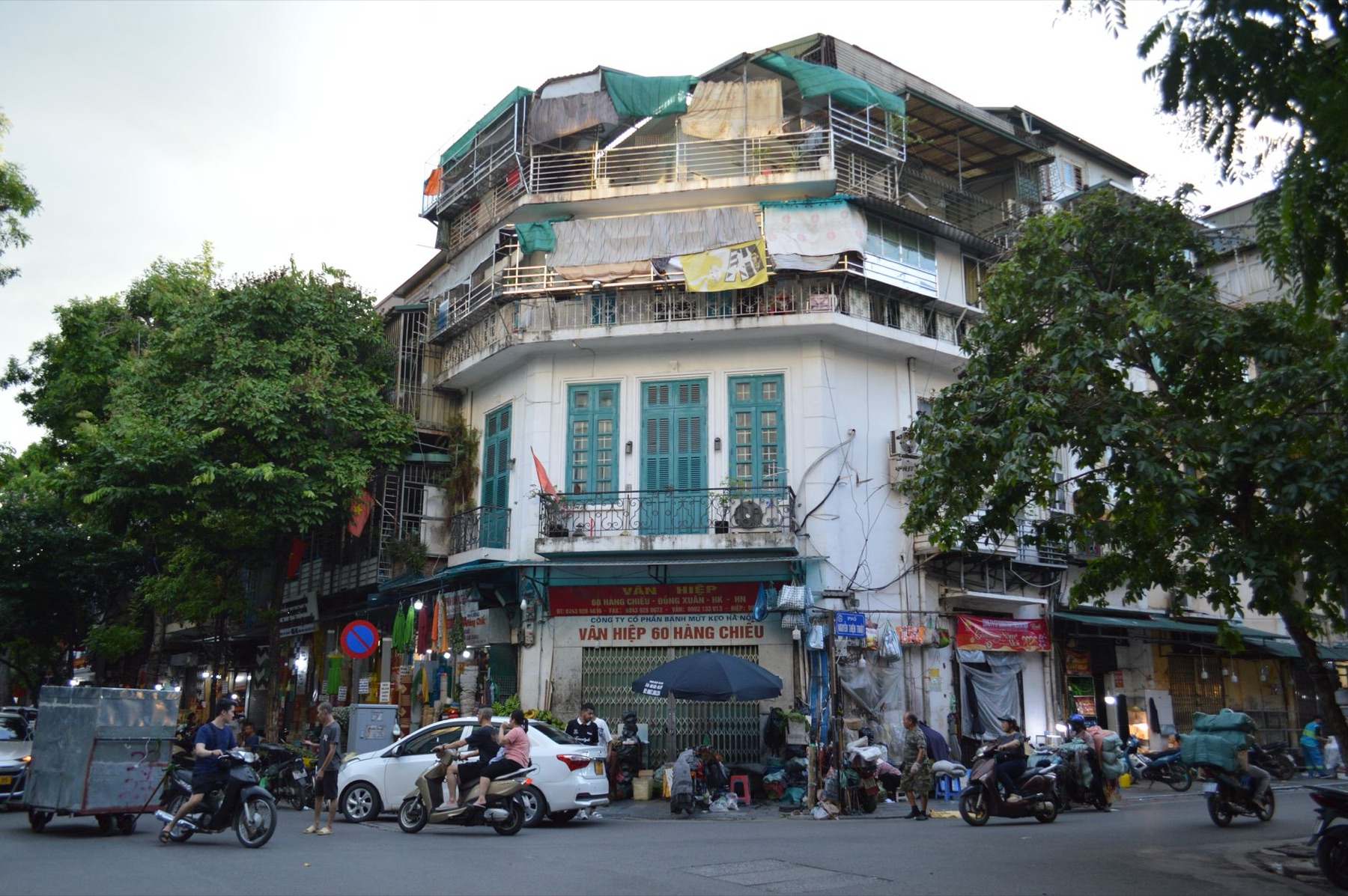
Which Hanoi Neighbourhoods Should You Actually Visit?
Old Quarter (Hoan Kiem) — the tourist hub. 36 streets, motorbikes everywhere, street food until 10 p.m., prices around 50,000–150,000 VND per dish (~USD 2–6). Scam risk: fake cyclo drivers overcharging, inflated bar tabs. Real value: Hang Manh for pho, Hang Gai for street-level chaos.
Hoan Kiem Lake area — quieter, tree-shaded, walkable. The Turtle Tower, the Tran Quoc Pagoda (oldest in Hanoi, 6th century), and lakeside cafes. No scams; reliable pricing. Evening stroll is free.
Tay Ho (West Lake) — expat-dense, calm water views, upmarket cafes and restaurants. Prices double or triple the Old Quarter. Good for sunset walks and real coffee; skip if you want "authentic Hanoi."
Ba Dinh District — Ho Chi Minh Mausoleum, One Pillar Pagoda, museums. Crowded mornings, peaceful afternoons. Entry fees around 30,000 VND (~USD 1.20). Dress respectfully; no shorts or sleeveless tops allowed.
French Quarter — colonial mansions, embassy row, Hanoi Opera House, tree canopy. Safe, walkable, good for photos. Less touristy food here; aim for neighborhood pho shops near your hotel.
Dong Da Market — off the radar for tourists, chaos of locals buying produce, fish, meat. Go early (6–8 a.m.) if you want to see real Hanoi. No English spoken; take your time observing.
What's the Real Cost of Visiting Hanoi?
| Item | Typical Price (VND) | USD Equivalent | Notes |
|---|---|---|---|
| Pho (street bowl) | 40,000–70,000 | $1.60–2.80 | Old Quarter tourist spots may charge 100,000+ |
| Egg coffee | 40,000–60,000 | $1.60–2.40 | Specialty cafes charge more; local spots are half the price |
| Motorbike taxi (Grab) | 20,000–50,000 | $0.80–2 | 2–3 km ride; metered, no negotiation needed |
| Hotel (mid-range) | 1,200,000–1,800,000/night | $48–72/night | Old Quarter premium; Ba Dinh cheaper |
| Temple or museum entry | 30,000–50,000 | $1.20–2 | One Pillar Pagoda, Ho Chi Minh Mausoleum |
| Street food tour (3 hours) | 600,000–900,000 | $24–36 | Guides included; 4–6 stops |
Budget reality: a day in Hanoi costs USD 15–25 if you eat street food, use Grab, and skip paid attractions. USD 40–60 if you mix street food with one restaurant meal and a tour. Avoid inflated tourist menus in the Old Quarter (English + photos = 2–3× markup).
📸 Book an ao dai photoshoot in Hanoi or Saigon (Cáo Studio)
When Should You Go, and What Will You See?
October–November — cool, dry, 15–25°C, mostly sunny. Best time. Hotels fill fast; book ahead.
December–February — cold (5–15°C), drizzle common, fewer tourists. Bring a light jacket. Real Hanoi vibes; locals less accommodating to crowds.
March–May — warm (20–30°C), humid, occasional rain. Peak tourist season. Food scene goes into overdrive (fresh fruit, new vegetable crops).
June–September — hot, humid (30–35°C), heavy rain 2–3 p.m. daily. Locals retreat indoors; street life thins. Prices drop 20–30%; deals on hotels.
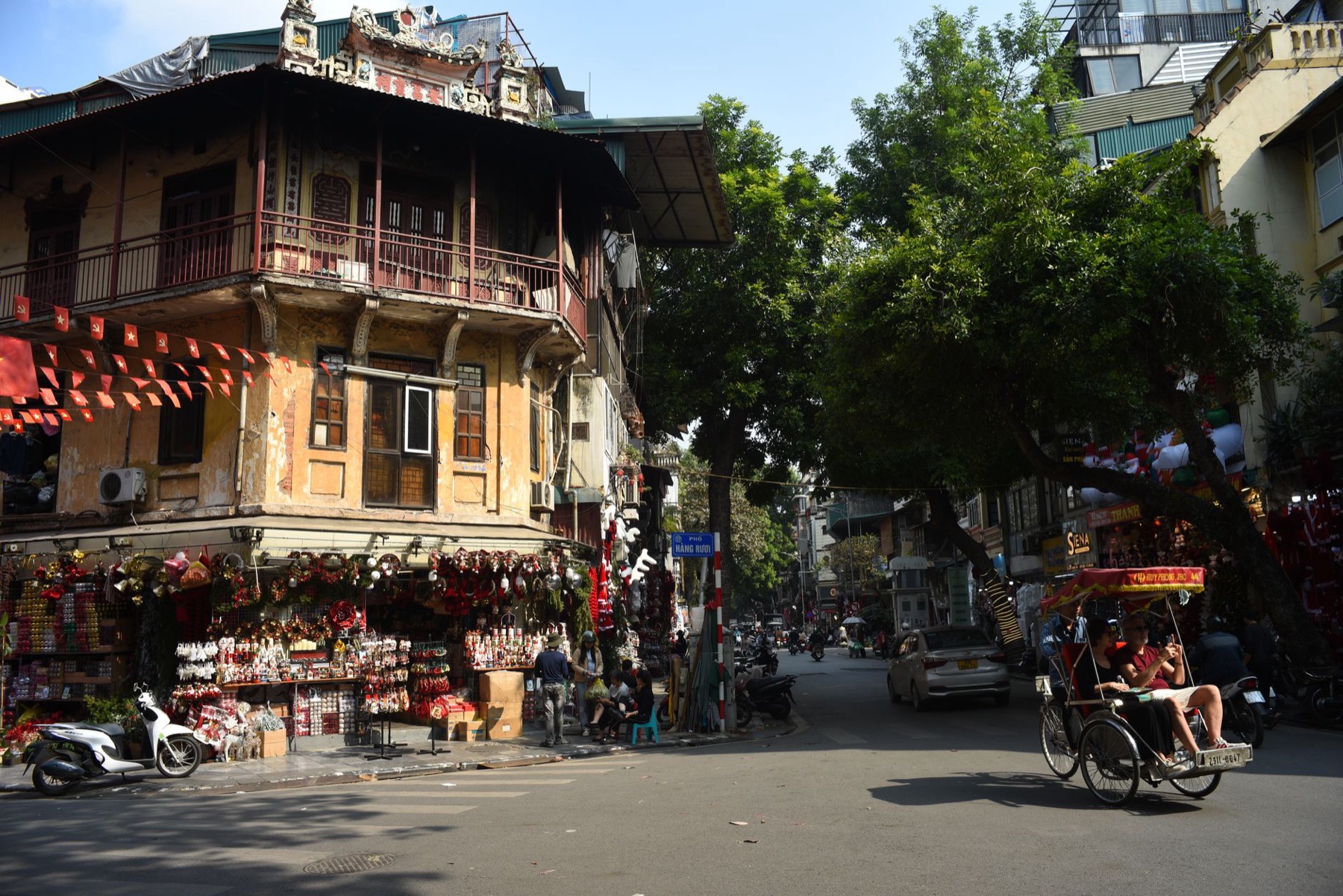
How Do Hanoi and Other Vietnamese Cities Compare?
| City | Best For | Vibe | Cost | Transport |
|---|---|---|---|---|
| Hanoi | History, street food, chaos | Bustling, 1000 years old | Budget–mid | Motorbike taxis (Grab) |
| Ho Chi Minh City | Modern Vietnam, nightlife, business | Faster, more polished | Mid–premium | Motorbike taxis, wider streets |
| Hoi An | Ancient town, photo ops, tailors | Quaint, tourist-ready | Mid | Bikes, walking |
| Ha Long Bay | Limestone scenery, cruises | Natural beauty | Mid | Ferry from port |
| Ninh Binh | Caving, cycling, villages | Rural, peaceful | Budget | Motorbikes (rent or tour) |
| Sapa | Mountains, trekking, hill tribes | Cool, remote | Budget–mid | minibuses, guides |
Each city answers different trip goals. Hanoi = immersion in Vietnamese life, contradictions, and history. Go to Hoi An if you want "Instagram Vietnam." Go to Ha Long Bay if you need nature instead of culture.
What Should You Bring Home From Hanoi?
Meaningful souvenirs ground your trip in memory. Skip mass-produced lacquerware from the Old Quarter; instead, look for:
- Handmade ceramics & pottery — local artisans in Bat Trang village (30 km south) make bowls, plates, and tiles. Prices 100,000–500,000 VND (~USD 4–20). Ship breakage-proof; we recommend padded boxes.
- Embroidered textiles & wall hangings — silk or cotton, hand-stitched scenes of Hanoi landmarks or daily life. 300,000–1,200,000 VND (~USD 12–48). Lightweight, meaningful.
- Engraved keepsake items — personalized with Hanoi coordinates, dates, or favorite Vietnamese phrases. A durable way to mark your stay.
- Ao dai (traditional dress) photo prints — if you book an ao dai photoshoot with Cáo Studio, you'll have custom portraits that capture your Hanoi moment.
Avoid: mass-made "I ❤ Vietnam" t-shirts, plastic water puppets, and fake silk scarves sold as "100% silk."
🎟️ Compare tours & tickets for this place
---
What to Check Before You Buy a Souvenir
- Authenticity: Does the maker claim a specific village or family? Real handmade items cost more; expect 2–3× markup over mass-produced versions.
- Shipping: Ceramics, textiles, and keepsakes ship US 5–10 days; free over USD 35 threshold. Breakables need padding; confirm before checkout.
- Size & weight: Textiles roll small; ceramics are heavy. Check dimensions against your luggage limits.
- Return policy: 30-day smile guarantee covers defects and changes of heart. Keep receipts and photos of any damage.
- Customs: Vietnam doesn't restrict most souvenirs; US customs allows ceramics, textiles, and prints duty-free for personal use.
---
Will You Need Internet and Travel Documents in Hanoi?
Yes. Grab rides, Google Maps (offline is lifesaving), WhatsApp, and Airbnb all need data. A Vietnam eSIM (around USD 5–15 for 7–30 days) beats airport SIM cards; activation is instant, no paperwork. You'll also need a Vietnam e-visa (around USD 15–25 online) or a stamp in your passport at immigration (slower, less reliable). Plan 2 weeks before arrival.
---
Hanoi is a city that doesn't try to please you. It assaults your senses, confuses your instincts, and then wins you over. The key is surrendering to the rhythm: slow mornings over egg coffee, chaotic lunch hours navigating street food stalls, evening walks around Hoan Kiem Lake when the chaos softens. Bring home something that reminds you of that surrender—not a postcard, but an object with a story tied to the place you actually visited.
📸 Book an ao dai photoshoot in Hanoi or Saigon (Cáo Studio)
FAQ
Is Hanoi safe for solo travelers?
Yes, crime against tourists is rare. Petty theft and scams exist (fake guides, inflated bar tabs). Avoid displaying cash; use Grab taxis instead of hailing on the street. Women report feeling safe; trust your instincts about alleys at night.
How many days should I spend in Hanoi?
Three days minimum to see Old Quarter, Hoan Kiem Lake, and a museum without rushing. Five days lets you add West Lake, Bat Trang ceramics village, and a food tour. Two days feels squeezed; one day is not enough.
Do I need to speak Vietnamese to get around Hanoi?
No. Young people and tourist-area staff speak English. Older locals and street vendors don't. Download Google Translate's offline app and carry a pen to write numbers. A phrasebook helps (e.g., "how much?", "no ice"). Politeness opens more doors than language.
What's the best way to get from Hanoi to other Vietnamese cities?
Overnight buses (Ninh Binh, Ha Long Bay, Sapa) run 8–12 hours; around 300,000–500,000 VND (~USD 12–20). Flights (Ho Chi Minh City, Hoi An via Da Nang) cost 1–2 million VND (~USD 40–80). Trains are slow and less reliable. Grab drivers can book tours bundling transport and lodging.
What's the biggest scam in Hanoi for tourists?
Fake cyclo "drivers" offering rides at "local prices," then demanding inflated fares. Real cyclos cluster near tourist hotels; negotiate price before boarding. Bars that bring bills with "special numbers" not on the menu—ask for the written menu upfront. Jewelry shops claiming to have "family deals"—skip them entirely.
Can I drink the tap water in Hanoi?
No. Buy bottled water (10,000–20,000 VND per liter; ~USD 0.40–0.80) from convenience stores or ask your hotel. Ice in street food is usually tap water; stomach upsets are common. Brush teeth with bottled water. Coffee, tea, and beer are safe (boiled).
FAQ
Is Hanoi safe for solo travelers?
Yes, crime against tourists is rare. Petty theft and scams exist (fake guides, inflated bar tabs). Avoid displaying cash; use Grab taxis instead of hailing on the street. Women report feeling safe; trust your instincts about alleys at night.
How many days should I spend in Hanoi?
Three days minimum to see Old Quarter, Hoan Kiem Lake, and a museum without rushing. Five days lets you add West Lake, Bat Trang ceramics village, and a food tour. Two days feels squeezed; one day is not enough.
Do I need to speak Vietnamese to get around Hanoi?
No. Young people and tourist-area staff speak English. Older locals and street vendors don't. Download Google Translate's offline app and carry a pen to write numbers. A phrasebook helps (e.g., "how much?", "no ice"). Politeness opens more doors than language.
What's the best way to get from Hanoi to other Vietnamese cities?
Overnight buses (Ninh Binh, Ha Long Bay, Sapa) run 8–12 hours; around 300,000–500,000 VND (~USD 12–20). Flights (Ho Chi Minh City, Hoi An via Da Nang) cost 1–2 million VND (~USD 40–80). Trains are slow and less reliable. Grab drivers can book tours bundling transport and lodging.
What's the biggest scam in Hanoi for tourists?
Fake cyclo "drivers" offering rides at "local prices," then demanding inflated fares. Real cyclos cluster near tourist hotels; negotiate price before boarding. Bars that bring bills with "special numbers" not on the menu—ask for the written menu upfront. Jewelry shops claiming to have "family deals"—skip them entirely.
Can I drink the tap water in Hanoi?
No. Buy bottled water (10,000–20,000 VND per liter; ~USD 0.40–0.80) from convenience stores or ask your hotel. Ice in street food is usually tap water; stomach upsets are common. Brush teeth with bottled water. Coffee, tea, and beer are safe (boiled).