Hanoi · Things to do
What to Buy in Hanoi: Gifts & Souvenirs for Every Traveler
By Wander in Vietnam editorial team · Hanoi, Vietnam
Hanoi travelers often leave with regrets: a silk scarf that frays, a "lacquer" box that's plastic, prices double what they'd pay elsewhere. We've spent months testing what's genuinely worth the luggage space and what to skip entirely.
The best souvenirs aren't what you expect. They're personalized keepsakes that remind you of the exact moment you were here—a custom star map of Hanoi's night sky the evening you arrived, a photo in traditional ao dai, a handwritten recipe card from a cooking class. These cost less than generic "Vietnam" merchandise and carry real memory value.
What makes a souvenir worth buying from Hanoi?
A good Hanoi souvenir connects to the city's specific craft traditions, costs less here than abroad, and either lasts decades or captures a moment you actually experienced. Mass-produced silk scarves sold at airport kiosks fail all three tests. Hand-thrown ceramics from artisan studios in the outskirts, custom photoshoots documenting your trip, or a kilo of specialty coffee from a known roaster pass.
📸 Book an ao dai photoshoot in Hanoi or Saigon (Cáo Studio)
The key distinction: souvenirs you chose (a star map from the night you arrived, a ceramic piece you watched being made) beat souvenirs you felt obligated to buy (fifth silk scarf, another lacquer box). Hanoi's Old Quarter thrives on volume sales to tourists who have 20 minutes. The real treasures require intention.
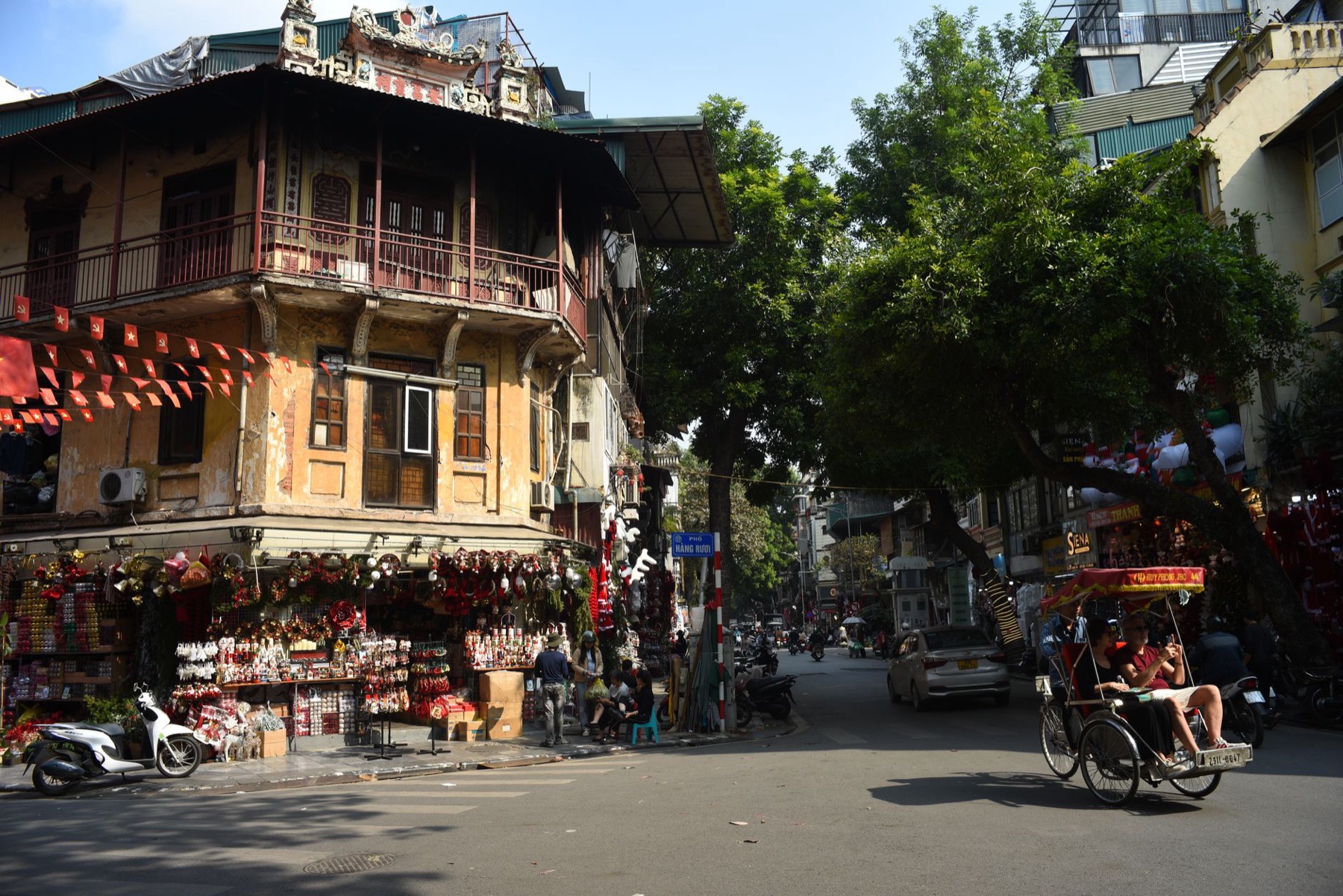
Which gift types actually survive the flight home?
Fragile items (ceramics, lacquerware) need protection. Textiles (scarves, fabric) wrinkle but pack small. Personalized prints (star maps, custom illustrations) weigh almost nothing. Coffee and tea last 6–12 months if sealed properly. Ao dai reproductions or tailoring take weeks but ship flat.
Comparison: Souvenir Types & Durability
| Gift Type | Who It's For | Durability | Luggage Impact | Authenticity Risk |
|---|---|---|---|---|
| Hand-painted ceramics | Home décor lovers | 10+ years | Medium (fragile) | High—mass copies common |
| Silk scarves | Fashion-conscious | 3–5 years | Low (packs flat) | High—synthetic sold as silk |
| Star map print | Sentimental travelers | 20+ years | None (digital/frame later) | Low—custom makes it unique |
| Specialty coffee | Coffee enthusiasts | 6–12 months | Low | Medium—blends vary by roaster |
| Custom ao dai photo | Memory keepers | Lifetime | None (digital) | Low—you control the shoot |
| Lacquerware | Home décor | 5–10 years (if genuine) | Medium | Very High—plastic fakes dominate |
Hanoi's most reliable souvenirs avoid fragility. Personalized star maps (print later at home), custom photographs, digital keepsakes, and sealed tea or coffee skip airport baggage stress entirely.
Where to actually buy authentic items (not tourist traps)?
The Old Quarter's main streets—Hang Gai, Hang Bong, Hang Ngang—are 80% markup for 20% quality. Real artisans work in quieter neighborhoods. Ceramics come from studios in the outskirts (accessible by taxi, around 100,000–150,000 VND/$5–6 each way). Coffee roasters operate in Ba Dinh and Tay Ho districts. Silk workshops in Hoan Kiem sell direct if you bypass the street stalls.
Visit maker spaces, not shops. Ask your hotel concierge which studios welcome tourists. Watch items being made—this filters fakes instantly. Prices at source run 30–50% lower than street vendor markups.
For personalized keepsakes—star maps, engraved boxes, custom illustrations—order online before your trip or arrange printing at local shops. A digital star map costs around 200,000–400,000 VND ($8–15) for a custom Hanoi date; printed locally adds another 100,000 VND ($4–5) for framing.
How much should you actually spend?
Budget conscious (under $10): specialty coffee, single tea packages, small ceramics, postcard sets, digital keepsakes. Mid-range ($10–40): hand-painted scarves, mid-sized lacquerware, custom star maps with framing, custom photographs (ao dai shoot + digital files). Premium ($40–100): bespoke silk pieces, large ceramic sets, tailored ao dai (takes 2–3 weeks), professional photo books.
Hanoi pricing is transparent once you leave tourist zones. A genuine silk scarf from a workshop costs around 300,000–600,000 VND ($12–24). At street vendors, the same item sells for 800,000–1,200,000 VND ($32–48). The difference isn't quality—it's rent and foot traffic.
Avoid "just browsing" in shops that pressure for purchases. Know your budget before entering. Haggling is expected at markets but insulting in established workshops; ask if items are negotiable upfront.
🗺️ Plan your route: Vietnam itinerary
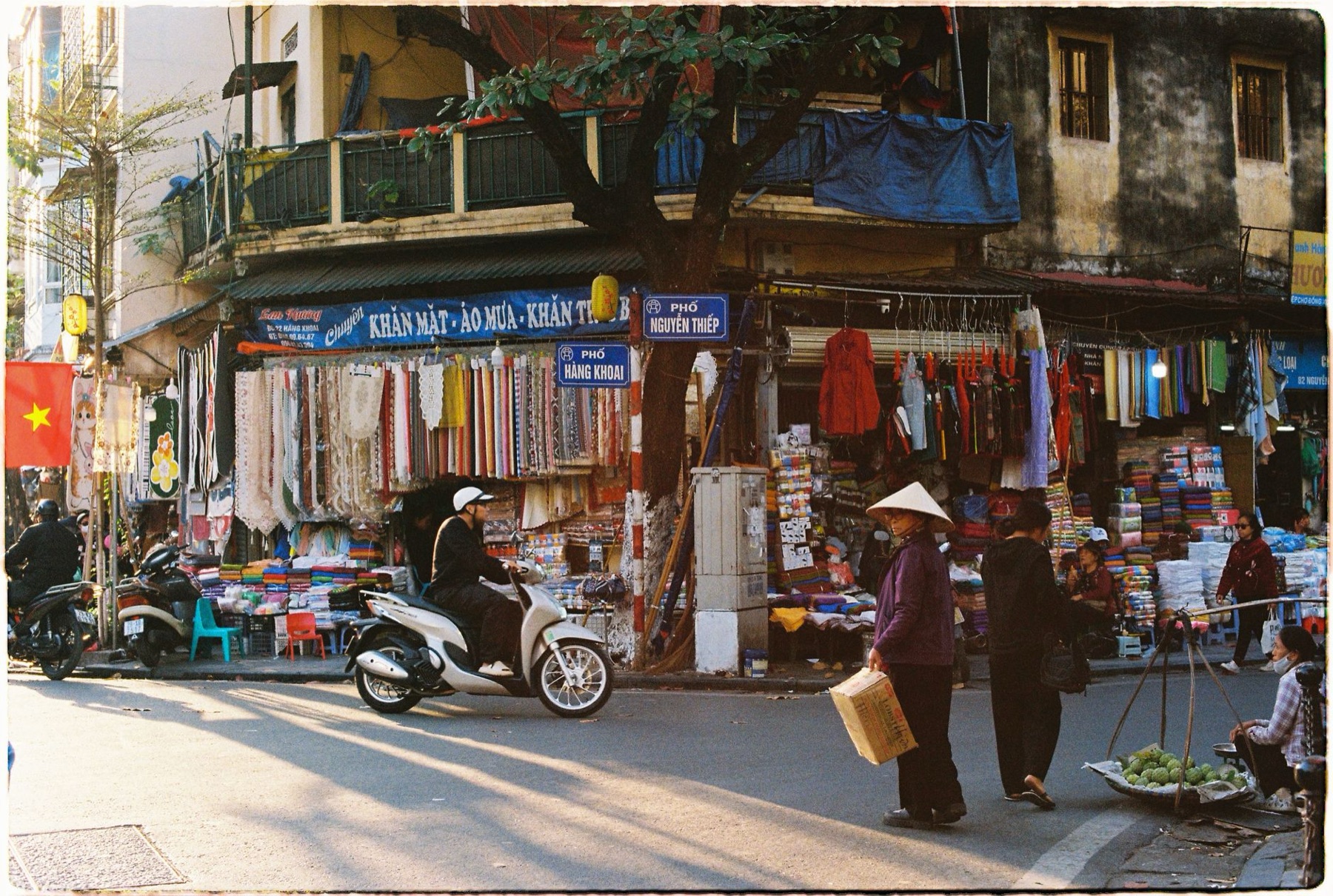
What are the most common scams and how to avoid them?
Fake silk: Sold as "100% silk," often polyester blends. Real silk has slight irregularities, feels cool to skin, and wrinkles naturally. Synthetic silk is too uniform. Inspect seams and ask the maker (not the vendor) about fiber content.
Lacquerware quality: "Real lacquer" is hand-applied resin, labor-intensive, and expensive. Tourist-grade pieces are painted plastic. Genuine items cost 1,000,000+ VND ($40+) for small boxes. Anything under 400,000 VND ($16) is decor, not heirloom.
Inflated "artisan" pricing: Some galleries claim items are handmade when they're factory-produced. Ask to see the workshop or meet the maker. Reputable studios invite visitors and offer transparent sourcing.
Ceramic chip-offs: Fragile items bought loose at markets often break in luggage. Buy from shops offering protective packaging (bubble wrap, boxes). Expect to pay 50,000–100,000 VND ($2–4) extra for proper wrapping.
Overpriced "limited editions": Vendors claim scarcity to justify 2–3x markups. Limited editions in Hanoi's tourist zones are mass-produced in Chinese factories. Real limited items come from small studios, not chain shops.
Avoid: Any seller who won't let you inspect items, claims "tourist price" is different from local, or pressures you into immediate purchases. Walk away. Better deals exist 50 meters in any direction.
What to check before you order or buy
- Authenticity: If claiming handmade, ask to see hands-on process (video, workshop visit, maker interview).
- Durability: Ceramics—tap for hollow sound (sign of air pockets, weak). Silk—rub against your neck (should feel smooth, cool). Lacquerware—check for bubbling or uneven finish.
- Shipping: Items shipped to your home (not carried) should have insurance and 5–10 day delivery. Confirm protective packaging for fragile goods.
- Returns: Check return policy before ordering. Most artisan items aren't returnable; custom orders (star maps, ao dai) are final sale.
- Size & weight: Ceramics, lacquerware, and coffee are deceptively heavy. Factor luggage limits if flying out. Digital keepsakes sidestep this entirely.
- Preservation: Coffee loses freshness after 6 months. Textiles need dry storage. Ceramics—avoid direct sunlight (fades hand-painted designs).
🎟️ Compare tours & tickets for this place
Where else in Vietnam has better souvenirs?
Hanoi excels at personalized keepsakes, coffee, and ceramics. Ho Chi Minh City offers similar variety with larger malls. Hoi An is the tailoring capital—custom ao dai, silk suits, shoes. Ha Long Bay sells pearl products (quality varies wildly; research first). Ninh Binh and Sapa specialize in ethnic textiles and local crafts, though authenticity claims are often overstated.
For memory keepsakes, nowhere beats where you were. A Hanoi star map matters because you were there that night. Don't chase "better deals" elsewhere; the best souvenir is the one tied to your actual experience.
Plan your full Vietnam route with our itinerary planner to allocate time and budget across regions.
---
Personalized Keepsakes – Star maps, engraved boxes, custom prints capturing your exact Hanoi moment. Browse personalized gifts.
Traditional Vietnamese Textiles – Hand-woven scarves, fabrics, and cloth from established workshops. Shop textiles.
Ceramic & Home Décor – Hand-painted ceramics and lacquerware direct from artisan studios. Explore décor items.
For a Hanoi memory that lasts, combine a custom ao dai photoshoot (Cáo Studio handles makeup, styling, and digital files in Hanoi) with a personalized star map of that evening's sky. Together, they cost around $30–50 and compress your entire trip into two tangible keepsakes.
FAQ
Is it better to buy souvenirs in Hanoi or wait until Saigon?
Hanoi has better ceramics, coffee, and personalized keepsakes. Saigon offers more modern design items and larger shopping malls. Don't defer for price; both cities have tourist markups. Buy what resonates where you are—authentic souvenirs are location-specific.
How do I know if silk is real?
Real silk feels cool, slightly irregular in weave, and wrinkles naturally. Synthetic silk is uniformly shiny and plasticky. Ask the maker (not street vendors) about fiber content. Genuine silk scarves cost 300,000+ VND ($12+); cheaper items are blends.
Are personalized star maps worth ordering before the trip?
Yes. They're lightweight, unbreakable, and carry genuine memory value—the exact sky on your arrival night. Order a week early so you have the date confirmed before traveling. Cost is around $8–15 depending on customization.
What's the safest fragile souvenir to pack?
Small hand-painted ceramics wrapped in hotel towels or your clothes work. Better: avoid fragile items unless buying protective shipping. Textiles, coffee, and digital keepsakes skip breakage risk entirely.
Should I haggle in Hanoi's Old Quarter?
Haggling is expected at markets and stalls (expect 20–30% discounts after negotiation). Don't haggle in established workshops, galleries, or studios—it's insulting and prices are already fair. Know your budget and walk if uncomfortable with the price.
FAQ
Is it better to buy souvenirs in Hanoi or wait until Saigon?
Hanoi has better ceramics, coffee, and personalized keepsakes. Saigon offers more modern design items and larger shopping malls. Don't defer for price; both cities have tourist markups. Buy what resonates where you are—authentic souvenirs are location-specific.
How do I know if silk is real?
Real silk feels cool, slightly irregular in weave, and wrinkles naturally. Synthetic silk is uniformly shiny and plasticky. Ask the maker (not street vendors) about fiber content. Genuine silk scarves cost 300,000+ VND ($12+); cheaper items are blends.
Are personalized star maps worth ordering before the trip?
Yes. They're lightweight, unbreakable, and carry genuine memory value—the exact sky on your arrival night. Order a week early so you have the date confirmed before traveling. Cost is around $8–15 depending on customization.
What's the safest fragile souvenir to pack?
Small hand-painted ceramics wrapped in hotel towels or your clothes work. Better: avoid fragile items unless buying protective shipping. Textiles, coffee, and digital keepsakes skip breakage risk entirely.
Should I haggle in Hanoi's Old Quarter?
Haggling is expected at markets and stalls (expect 20–30% discounts after negotiation). Don't haggle in established workshops, galleries, or studios—it's insulting and prices are already fair. Know your budget and walk if uncomfortable with the price.
More: Hanoi guide · Things to do in Hanoi