Hanoi · Itinerary
What to Do in Hanoi: 10-Day Itinerary & Real Tips
By Wander in Vietnam editorial team · Hanoi, Vietnam
Where should you spend your first 2 days in central Hanoi?
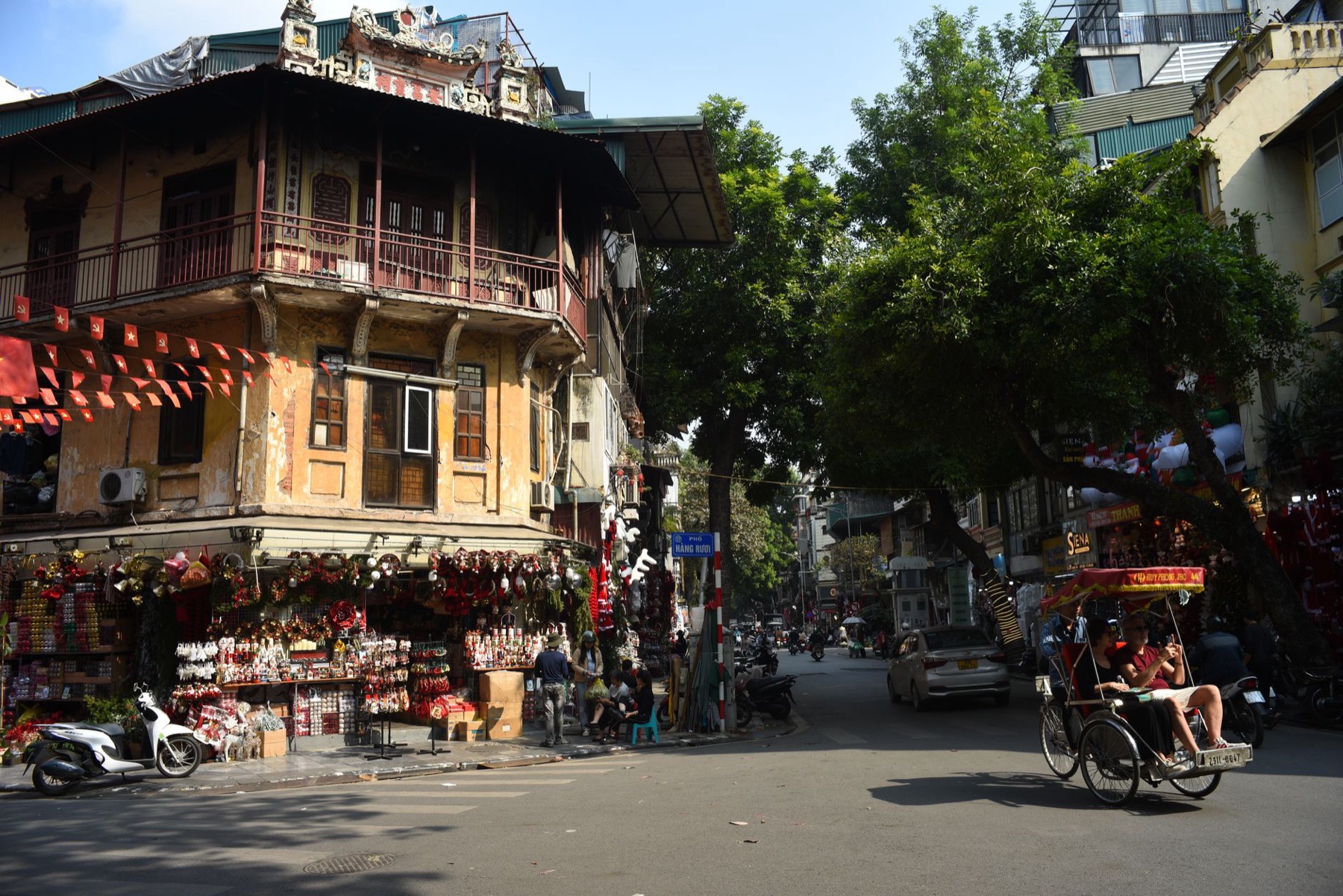
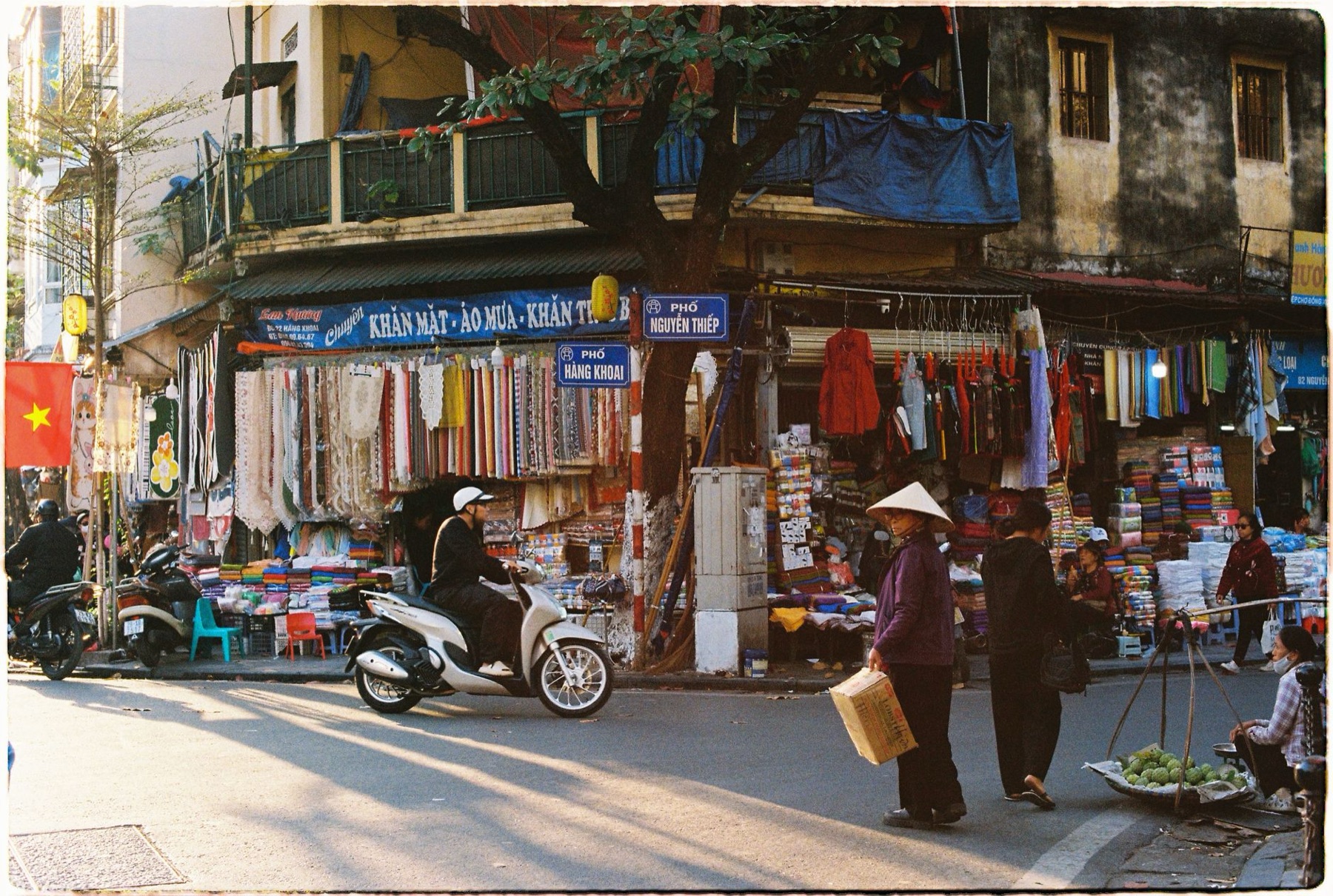
Base yourself near Hoan Kiem Lake—the city's emotional center. Walk Hang Gai and Hang Bong streets for silk, silver, and lacquerware shops (real artisans, not tourist tat). Early mornings (6–7 a.m.) at Hoan Kiem Lake attract tai chi groups and locals swimming; no entrance fee. Cross the red Huc Bridge to Jade Island Temple—small, crowded by 8 a.m., but worth 30 minutes. Spend afternoons in the Old Quarter's chaotic lanes: Hang Dao (silk street), Hang Buom (sail street), Hang Ma (paper goods). Eat pho at street stalls (around 40,000–60,000 VND / $1.60–$2.40) for breakfast; lunch banh mi from corner vendors (20,000–30,000 VND / $0.80–$1.20). Evenings: wander Ta Hien and Ma May streets—touristy but lively. Skip the "beer girls" hassle; sit at reputable bia hoi stalls (draught beer ~15,000 VND / $0.60).
What cultural sites deliver real Hanoi without the crowds?
Temple of Literature (Van Mieu) in Dong Da district sits 2 km south of Old Quarter; arrive by 7 a.m. to beat crowds (entry ~30,000 VND / $1.20, open 8 a.m.–5 p.m.). Built 1070, it's Vietnam's first university and feels sacred—brick courtyards, stele-bearing turtles, actual scholars still study here. Ho Chi Minh Mausoleum complex (Ba Dinh district) opens 8–11 a.m., Tue–Thu; dress respectfully, no shorts/tank tops. Mausoleum itself is 10 minutes but guards queue you briskly. Surrounding grounds (free) include the Presidential Palace gardens (viewable exterior only) and Ho Chi Minh's stilt house—quiet, moving, less Instagrammed than the mausoleum. Tran Quoc Pagoda, on a peninsula in West Lake (Tay Ho), dates to 6th century; incense fog, golden statues, locals lighting offerings. Entry free, visit mid-afternoon when tour groups depart.
How do you eat street food without stomach trouble?
Hanoi's street food is safe if you pick busy stalls where turnover is high and locals queue. Pho (beef noodle soup) at joints with visible broths simmering since dawn—you're paying for hours of cooking, not risk. Banh hoai (crispy shrimp cakes, specialty of near Hang Gai) from vendors who fry to order. Cha ca (turmeric fish) on Cha Ca street (northeast Old Quarter); only ~5 shops exist, all authentic. Com tam (broken rice) with grilled pork, eaten at plastic stools around Hang Ngang—fast, fresh, ~50,000 VND / $2. Egg coffee (ca phe trung) at upscale cafes in Hoan Kiem (around 60,000–80,000 VND / $2.40–$3.20)—not street food, but iconic. Avoid: uncooked spring rolls from "tourist menus," ice from stalls, unpeeled fruit. Drink bottled or filtered water; ask "filtered water?" (nuoc loc?) at restaurants.
🗺️ Plan your route: Vietnam itinerary
Should you book a water puppet show, and which one?
Water puppetry (mua roi nuoc) is quintessentially Vietnamese—ancient craft using submerged puppeteers. Shows are ~1 hour, mostly instrumental and sung narrative, no dialogue needed. Golden Dragon Water Puppet Theatre (Hang Bong, near Old Quarter) and Thang Long Water Puppet Theatre (Dinh Tien Hoang, near Hoan Kiem) are the two main venues; tickets ~100,000–150,000 VND / $4–$6 from box office, often marked up via third-party sellers. Book direct online or walk in 1 hour early for evening shows (usually 8–9 p.m.). Shows sell out during peak season (Oct–Mar). What to expect: vivid rural scenes (rice farming, fishing), mythical dragons, comedic water buffalo—props carved from wood, painted gold. Sit mid-to-back rows for best sightline; front rows spray water. Not cheesy; genuinely moving if you know the craft's history.
| Activity | Best for | Cost | Timing |
|---|---|---|---|
| Old Quarter walk | First-time orientation | Free | 6–9 a.m., 4–6 p.m. |
| Temple of Literature | Quiet culture, photos | ~$1.20 | Open 8 a.m.–5 p.m. |
| Water puppet show | Evening, families | $4–$6 | Nightly, book ahead |
| Mausoleum complex | History, Ba Dinh walk | Free–$1 | Tue–Thu, 8–11 a.m. |
| Tran Quoc Pagoda | Meditation, West Lake | Free | Anytime, best 3–5 p.m. |
| Street food crawl | Taste Hanoi | $5–$8 total | 11 a.m.–1 p.m., 5–7 p.m. |
What day trips beat staying in the city?
Ninh Binh (2 hours south by car/bus): limestone karsts, Tam Coc river boat rides, Hang Mua hiking. Boatmen paddle you through cave-carved waterways for ~200,000 VND / $8 per person (2–3 hours). Stay 1 night, eat seafood fresh. Buses leave Hanoi's Giap Bat station ~6 a.m.; return next afternoon. See our Ninh Binh guide for detailed itinerary.
Ha Long Bay (3.5 hours northeast): UNESCO limestone seascape, overnight cruises, Sung Sot Cave. Cheapest overnight cruises (budget lines, shared cabins) ~$60–$100; midrange ~$150–$250. Tours include meals, emerald-green water, dramatic rock formations. Many tourists, but undeniably gorgeous. Book 2 days ahead; avoid sketchy agents near backpacker hostels. See our Ha Long Bay guide for full planning.
Bat Trang ceramic village (25 km southeast): working pottery studios, kiln tours, handmade bowls/vases. Buses from Long Bien station (~30,000 VND / $1.20). Walk studios, watch artisans at wheels, buy direct (cheaper than Hanoi shops). Spend half a day; combine with lunch in nearby villages.
📸 Book an ao dai photoshoot in Hanoi or Saigon (Cáo Studio)
How should you dress, and what's the climate timing?
October–April is dry, 15–25°C (59–77°F)—bring layers, not heavy coats. May–September is hot, humid, 25–35°C (77–95°F), frequent afternoon showers; pack light cotton, umbrella, good walking shoes. Temples require knees/shoulders covered; wear loose trousers or maxi skirts. Motorbikers wear full sleeves for sun protection and road safety. Comfortable walking shoes essential—Old Quarter's stone alleys are uneven. A scarf (khan) is versatile: temple etiquette, sun, casual drape. Avoid neon sportswear; dress modestly around pagodas.
What's genuinely worth buying (and what to skip)?
Worth it: Hand-embroidered textiles (silk scarves, wall hangings) from artisan shops in Hang Gai—can commission custom designs; takes 2–3 weeks but mailed worldwide. Lacquerware bowls (genuine takes 6+ coats, costs 500,000–2,000,000 VND / $20–$80). Water puppet figurines (carved wood, ~100,000–500,000 VND / $4–$20) as keepsakes. Silk products from reputable outlets (avoid "free lunch" shop invitations—well-known scam).
Skip: Fake Zippo lighters, counterfeit designer bags (illegal import, confiscated at customs). "Tourist souvenir" painted masks (mass-produced, soulless). Ungraded "Vietnamese jade" from street hawkers.
Consider a personalized keepsake gift from our curated artisan collections—many Vietnam-sourced, packaged beautifully for travelers who want to carry home authentic stories.
---
What to Check Before You Book (or Buy)
- Restaurant/café: Does it have recent Google reviews in English? Walk past at lunch to see locals eating, not just tourists. Ask hotel staff for 3 recommendations, not travel blogs.
- Tours: Book direct with established operators (Hanoi Old Quarter Walking Tours, etc.) or verified platforms; avoid touts on street corners. Request driver/guide names, confirmed start time.
- Taxis: Use Grab app (ride-sharing) instead of street hails; fare known upfront. If flagging a taxi, ask "Meter okay?" (Bao tay duong?) before entering.
- Souvenirs: Buy from artisan studios or market stalls with visible craft, not sealed gift shops. Handmade = imperfect, and that's authentic.
- Day trips: Book overnight stays at least 1 day ahead; last-minute options limit quality.
---
🎟️ Compare tours & tickets for this place
For deeper Hanoi neighborhood guides or regional Vietnam itinerary planning, explore Wander in Vietnam's full city breakdown. If you're hitting other regions, don't miss Ho Chi Minh City, Hoi An, or Sapa guides. And if you need a Vietnam e-SIM for navigation, see our travel eSIM comparison and Vietnam visa guide.
Hanoi reveals itself slowly—stay 3+ days, eat like a local, and the city stops feeling chaotic. It starts feeling like home.
FAQ
Is 2 days in Hanoi enough?
Bare minimum for Old Quarter + one temple, but you'll rush. Three days lets you explore Ba Dinh, visit Temple of Literature, eat properly, and breathe. Five days adds a day trip (Ninh Binh or Ha Long) and evening culture (water puppets, night market).
What's the best time to visit Hanoi?
October–November and March–April: dry, cool (15–25°C), minimal rain. December–February can be cold/drizzly. May–September is sweltering and humid; avoid unless you love heat and rainy seasons.
How do I avoid tourist scams in Hanoi?
Skip "free lunch" silk shop invitations, don't play cards with strangers, use Grab instead of street taxis, ignore motorbike drivers offering "tours," and book tours through your hotel or verified apps. Old Quarter scams are real but avoidable with common sense.
Can I drink tap water in Hanoi?
No. Buy bottled water from 7-Elevens, convenience stores, or ask your hotel for filtered water. Street ice is risky; stick to bottled drinks or hot tea.
How much should I budget per day in Hanoi?
Budget travelers: $30–$50 (hostels, street food, free temples). Mid-range: $70–$150 (decent hotel, mix of street/cafe food, paid activities). Splurge: $200+ (upscale hotel, restaurants, private tours). Street food is cheap; accommodation is usually your biggest cost.
Is it safe to travel alone in Hanoi as a woman?
Yes. Hanoi is welcoming to solo travelers. Avoid deserted alleys after midnight, dress modestly (reduces unwanted attention), and trust your instincts. Locals are helpful; don't hesitate to ask directions or recommendations.
FAQ
Is 2 days in Hanoi enough?
Bare minimum for Old Quarter + one temple, but you'll rush. Three days lets you explore Ba Dinh, visit Temple of Literature, eat properly, and breathe. Five days adds a day trip (Ninh Binh or Ha Long) and evening culture (water puppets, night market).
What's the best time to visit Hanoi?
October–November and March–April: dry, cool (15–25°C), minimal rain. December–February can be cold/drizzly. May–September is sweltering and humid; avoid unless you love heat and rainy seasons.
How do I avoid tourist scams in Hanoi?
Skip "free lunch" silk shop invitations, don't play cards with strangers, use Grab instead of street taxis, ignore motorbike drivers offering "tours," and book tours through your hotel or verified apps. Old Quarter scams are real but avoidable with common sense.
Can I drink tap water in Hanoi?
No. Buy bottled water from 7-Elevens, convenience stores, or ask your hotel for filtered water. Street ice is risky; stick to bottled drinks or hot tea.
How much should I budget per day in Hanoi?
Budget travelers: $30–$50 (hostels, street food, free temples). Mid-range: $70–$150 (decent hotel, mix of street/cafe food, paid activities). Splurge: $200+ (upscale hotel, restaurants, private tours). Street food is cheap; accommodation is usually your biggest cost.
Is it safe to travel alone in Hanoi as a woman?
Yes. Hanoi is welcoming to solo travelers. Avoid deserted alleys after midnight, dress modestly (reduces unwanted attention), and trust your instincts. Locals are helpful; don't hesitate to ask directions or recommendations.