Hanoi · Itinerary
What to Do in Hanoi: 10 Days of Real Itineraries & Local Tips
By Wander in Vietnam editorial team · Hanoi, Vietnam
Hanoi doesn't rush, and neither should you.
Most travelers arrive expecting chaos and leave wishing they'd stayed longer. The capital rewires how you see Vietnam—colonial streets collide with vendor calls, centuries-old temples sit blocks from noodle stalls, and a single alley holds three generations of the same family craft. What to do in Hanoi depends on your pace, but the answer is always: go slower than you think.
We've spent years mapping routes that dodge crowds without missing the real city. This guide walks you through actual neighborhoods, honest trade-offs, and how to anchor memories—whether that's through photographs, keepsakes, or flowers waiting in your room.
Where Should You Start: Old Quarter or Lake Hoan Kiem?
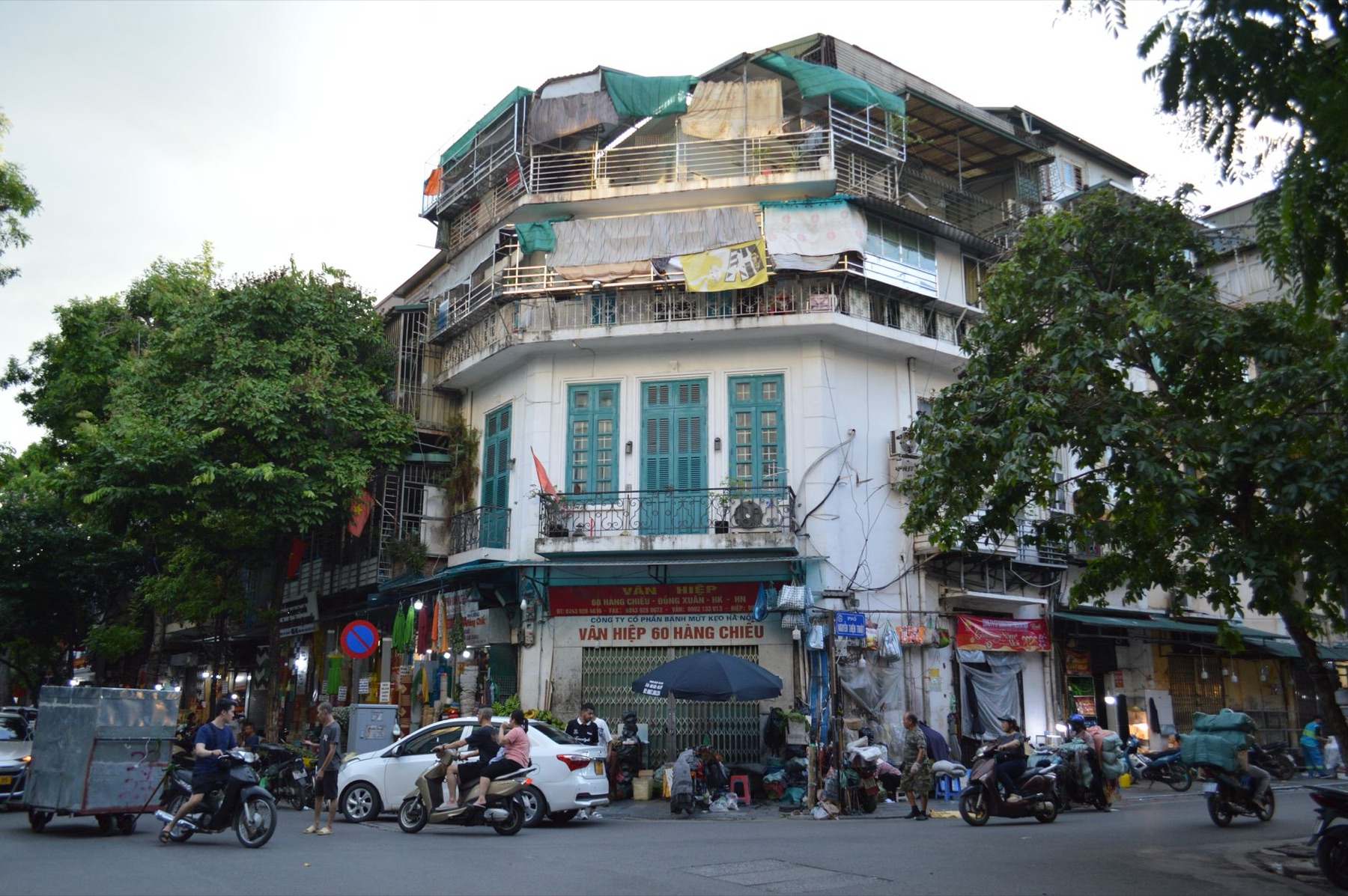
Most first-time visitors land in the Old Quarter (36 Pho Hang, around the Hang Dao intersection) and never leave. Yes, it's touristy. Yes, you'll see other backpackers. But the neighborhood teaches you Hanoi's rhythm faster than anywhere else: narrow alleys, family shops stacked three stories high, and street food so good it justifies the chaos. Start here for 1–2 days, then expand outward.
Why Hoan Kiem Lake matters: It's not for swimming (the water is polluted). Walk it at dawn (5–6 am) when locals exercise and the light hits the red Turtle Tower. The Huc Bridge to Ngoc Son Temple (around 30,000 VND / $1.20 entry) is worthwhile—not crowded before 8 am. By 10 am, tour groups own it.
Real trade-off: Old Quarter hotels are expensive (from $20–40/night) and loud. Ba Dinh, Tay Ho, or Dong Da districts offer quieter guesthouses (from $12–20/night) and better food without performance. If you're staying 3+ days, base yourself near a neighborhood market (Dong Xuan, Hom, Hang Be) rather than a main street.
🎟️ Compare tours & tickets for this place
Which Day Trips Deserve the Time?
Hanoi's real beauty emerges outside the city center. The question isn't whether to leave—it's which direction to go and for how long.
| Destination | Distance | Best for | How long | Honest take |
|---|---|---|---|---|
| Ninh Binh | 100 km | Karst limestone, temples, boats | Full day (6–7 hours round trip) | Better than Ha Long if you hate crowds. Mua Cave hike at 6 am before tour buses arrive. |
| Ha Long Bay | 160 km | Cruise, UNESCO, sunset | Overnight or 2-day trip | Overbooked. Book directly with mid-range operators; avoid budget cruises with 300+ passengers. |
| Sapa | 350 km | Mountains, rice terraces, hill tribes | 2–3 days minimum | Requires a night bus (uncomfortable) or flight ($80–120). Only go if you have 4+ days. |
| Perfume Pagoda | 60 km | Religious pilgrimage, cave temple, boat ride | Full day | Tourist-heavy but genuinely moving at 6 am. Hire a private driver (around 800,000 VND / $32 for a group) to skip official tour markups. |
| Craft Villages (Bat Trang pottery, Dong Ho woodblock) | 20–40 km | Artisan studios, hands-on workshops | Half day | Pottery wheels and carving classes exist but are overly touristy. Better: buy directly and watch artisans work. |
Pro move: Combine Ninh Binh with a sunrise at Mua Cave, then afternoon at Hoa Lu temples, then evening return. One long day beats an overnight trip.
Skip Halong City proper. The port town offers nothing. Book cruises online; they pick you up from Hanoi.
What Museums & Cultural Stops Actually Matter?
Time is short. Pick one or two—not the whole list.
Temple of Literature (Quoc Tu Giam): Hanoi's best-preserved complex. Go before 9 am. You'll see courtyards where scholars studied for 900 years, stone stelae with names carved deep. Around 30,000 VND ($1.20) entry. Spend 60–90 minutes. Real and meditative—worth it.
Ho Chi Minh Mausoleum: Massive queues, strict dress codes (no shorts, no sleeveless shirts), and a 10-minute glimpse of a glass coffin. Skip unless you're deeply interested in Vietnamese history. The grounds are pretty; the mausoleum itself isn't.
Vietnam National Museum of History: Cluttered, poorly labeled, but contains artifacts (bronze drums, French colonial uniforms, war-era photographs) you won't see elsewhere. Around 40,000 VND ($1.60) entry. Go on a rainy afternoon when it's quiet. Spend 2 hours.
Hoa Lo Prison (Hanoi Hilton): Darker. French colonial and North Vietnamese torture chambers preserved. Sobering and important, but hard to digest. Around 30,000 VND ($1.20) entry. Spend 90 minutes. Not for children.
Skip: Most other "museums." Hanoi's private museums are often poorly lit, repetitive, or exist mainly to move tourists through overpriced cafés.
🗺️ Plan your route: Vietnam itinerary
How Should You Eat: Street vs. Restaurant?
This is where Hanoi earns its reputation.
Street food (pho, banh mi, egg coffee): Eat where locals queue. No English menus. Around 20,000–50,000 VND ($0.80–$2) per meal. Hom Market alley (Hang Dao Ward), Dong Xuan Market (Zone C), and Hang Be Market (early morning) are dense with vendors. The longer the queue at a pho stall, the better it usually is.
Red tape café culture: Egg coffee (ca phe trung) is a Hanoi invention—thick, sweet, optional. Famous spots (Cafe Giang on Hang Manh, Cafe Pho Co on Hang Trong) charge around 40,000–60,000 VND ($1.60–$2.40) and are now tourist traps. Equivalent quality at smaller cafés costs half as much.
Restaurants worth eating at: Look for narrow storefronts in Ba Dinh and Dong Da, not tourist-dense zones. Hanoi's best meals (crab noodle soup, fish in clay pot, grilled meats) cost 60,000–150,000 VND ($2.40–$6) and operate from noon–2 pm and 5–8 pm only. Many close by 9 pm.
Scam to avoid: "Friendly local" befriends you, suggests a nearby restaurant, then adds commission to your bill. It happens. Only eat where you independently found the spot.
Water: Buy bottled water (around 5,000–10,000 VND / $0.20–$0.40 per bottle). Street tap water isn't safe for foreign visitors.
How Do You Capture & Keep These Memories?
After the walking, eating, and exploring, you'll want something that lasts.
Ao dai photoshoots: Consider an afternoon session wearing Vietnam's national dress. Hanoi's best photographer studios (like Cáo Studio) handle traditional makeup, styling, and editing in a single session. Photos arrive digitally within days. It's a tactile way to feel the city's grace—and you'll wear the dress during the shoot.
📸 Book an ao dai photoshoot in Hanoi or Saigon (Cáo Studio)
Keepsakes with meaning: Instead of generic souvenirs, consider personalized gifts—a custom print of your favorite Hanoi street, a map of the temples you visited, or a star map showing the night sky on the day you arrived. These anchor the trip in memory far longer than a plastic lacquerware box.
Browse our commemorative keepsakes collection for options like custom maps, engraved prints, and star charts that pair perfectly with travel photos.
Local crafts: Bat Trang pottery and Dong Ho woodblock prints are authentic and affordable. Buy directly from artisans' studios if you visit the villages, or from the night markets (Hang Dao night market runs Fridays–Sundays, 6 pm–11 pm) at half the price of Old Quarter tourist shops.
Flowers: If you're staying in a hotel or returning to a friend's home, a fresh flower arrangement adds instant warmth. Hoa Lang Thang delivers same-day in Hanoi—chrysanthemums, sunflowers, orchids—around 150,000–300,000 VND ($6–$12) for a medium bouquet.
What to Check Before You Go
Visas & connectivity: US, UK, EU, Australian, and most other passport holders need a Vietnam e-visa (around $25–$30 online, 3–5 days processing). Grab a local SIM or eSIM for data (prepaid plans from 50,000 VND / $2 for 1 GB). Get details on Vietnam eSIM and e-visa requirements.
Weather: October–March is cool and dry (15–25°C). April–September is hot and humid, with monsoon rains. Pack light layers and an umbrella year-round.
Money: ATMs are everywhere. Exchange rates at machines beat currency shops. Haggling isn't standard in restaurants but is expected at markets and for taxis.
Transportation: Grab (ride-hailing app, like Uber) costs around 40,000–80,000 VND ($1.60–$3.20) for short trips. Buses exist but are crowded. Walking is often faster and reveals hidden alleys.
Scams to dodge: Cyclo drivers quoting inflated prices, unsolicited "tours" from strangers, and restaurants without menus near tourist zones. Trust your instinct.
Putting It All Together: A Real 4-Day Hanoi Itinerary
Day 1: Arrive, settle into your neighborhood. Walk Hoan Kiem Lake at sunset. Eat pho in the Old Quarter. Sleep early.
Day 2: Early walk around the lake (5–6 am). Temple of Literature by 8 am. Lunch at a market. Afternoon photoshoot or museum. Evening coffee and craft market browsing.
Day 3: Day trip to Ninh Binh (6 am departure, 7 pm return). Mua Cave sunrise, Hoa Lu temples, boat ride on Ngo Dong River.
Day 4: Ba Dinh district walk, Ho Chi Minh complex exterior, lunch in Dong Da, packing and departure.
For longer stays (5–7 days), add: a second day trip (Ha Long Bay overnight or Sapa flight), a craft village morning, and an evening cooking class or street food tour.
🗺️ Plan your route: Vietnam itinerary
📸 Book an ao dai photoshoot in Hanoi or Saigon (Cáo Studio)
Navigate beyond Hanoi with our guides to Ninh Binh, Ha Long Bay, Sapa, Hoi An, and the main Hanoi guide for deeper neighborhood dives. Compare all Vietnam tours & packages to lock in the best rates.
FAQ
How many days should I spend in Hanoi?
3–4 days minimum to move past the Old Quarter and explore temples, museums, and neighborhood food. Add 2–3 days if combining with a day trip to Ninh Binh or Ha Long Bay. One day is never enough.
Is the Old Quarter safe at night?
Yes, it's well-lit and busy until 11 pm. Theft and assault are rare. Petty scams (overpriced drinks, cyclo markup) are the real risk. Stick to populated areas and avoid alleys after midnight.
Can I do Ha Long Bay as a day trip from Hanoi?
Technically yes, but it's a 5–6 hour drive each way. You lose half the day to travel. An overnight cruise is worth the cost ($60–$150 per person).
What's the best time to visit Hanoi?
October–November and February–March. Cool, dry weather, clear skies, and comfortable walking. Avoid April–May (hot, humid) and July–August (intense heat and monsoon).
Should I hire a private guide or join a group tour?
A private guide (around 600,000–1,000,000 VND / $24–$40 per day) gives flexibility and deeper stories. Group tours ($15–$25 per person) are cheaper but move fast and stick to standard stops. Choose based on your pace and budget.
FAQ
How many days should I spend in Hanoi?
3–4 days minimum to move past the Old Quarter and explore temples, museums, and neighborhood food. Add 2–3 days if combining with a day trip to Ninh Binh or Ha Long Bay. One day is never enough.
Is the Old Quarter safe at night?
Yes, it's well-lit and busy until 11 pm. Theft and assault are rare. Petty scams (overpriced drinks, cyclo markup) are the real risk. Stick to populated areas and avoid alleys after midnight.
Can I do Ha Long Bay as a day trip from Hanoi?
Technically yes, but it's a 5–6 hour drive each way. You lose half the day to travel. An overnight cruise is worth the cost ($60–$150 per person).
What's the best time to visit Hanoi?
October–November and February–March. Cool, dry weather, clear skies, and comfortable walking. Avoid April–May (hot, humid) and July–August (intense heat and monsoon).
Should I hire a private guide or join a group tour?
A private guide (around 600,000–1,000,000 VND / $24–$40 per day) gives flexibility and deeper stories. Group tours ($15–$25 per person) are cheaper but move fast and stick to standard stops. Choose based on your pace and budget.