Hanoi · Itinerary
What to Do in Hanoi: Local Itinerary & Insider Tips
By Wander in Vietnam editorial team · Hanoi, Vietnam
Hanoi works best when you stop chasing checkboxes. The city doesn't show its bones in a day; it unfolds over breakfast alleyways, temple courtyards, and conversations with shopkeepers who've stood in the same spot for thirty years. We've built this guide for people who want to move through the capital like residents—knowing where locals actually eat, which temples warrant your time, and which corners you should skip entirely.
What makes Hanoi different from other Southeast Asian capitals?
Hanoi isn't a beach town or a party hub. It's a city layered with French colonial streets, Chinese merchant houses, Soviet-era blocks, and centuries of Buddhist worship—all compressed into a landscape that rewards walking and sitting still more than rushing. Traffic is chaos, humidity is real, and air quality varies, but the reward is authenticity: you'll find family-run restaurants operating from the same storefront since the 1980s, water puppets that few tourists bother to watch, and temple courtyards where your footsteps echo louder than the scooters outside.
Unlike Ho Chi Minh City, Hanoi feels older and more deliberate. Unlike Hoi An, it's not a museum town—it's lived-in and rough around the edges.
Which neighbourhoods matter, and what does each one offer?
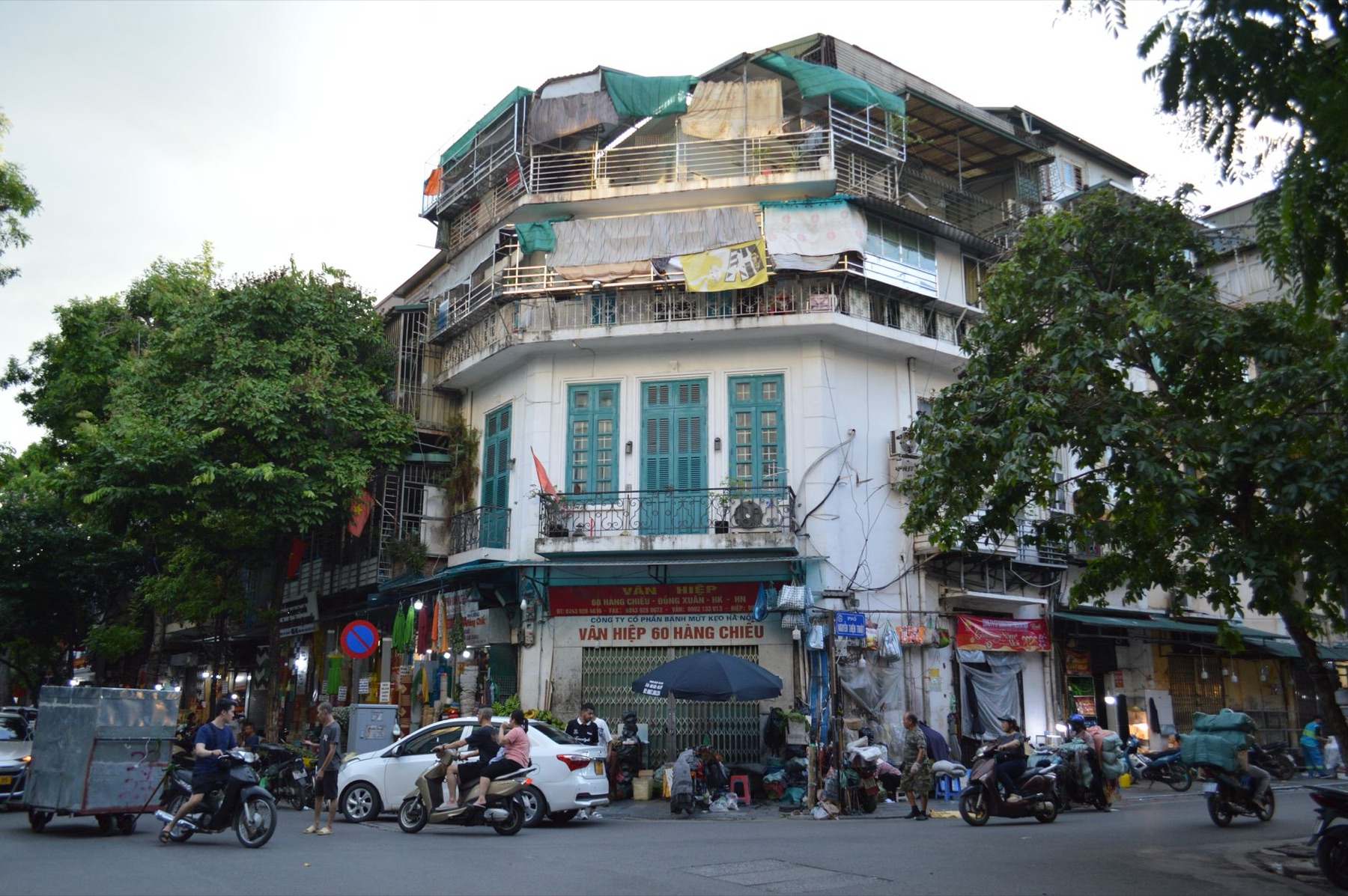
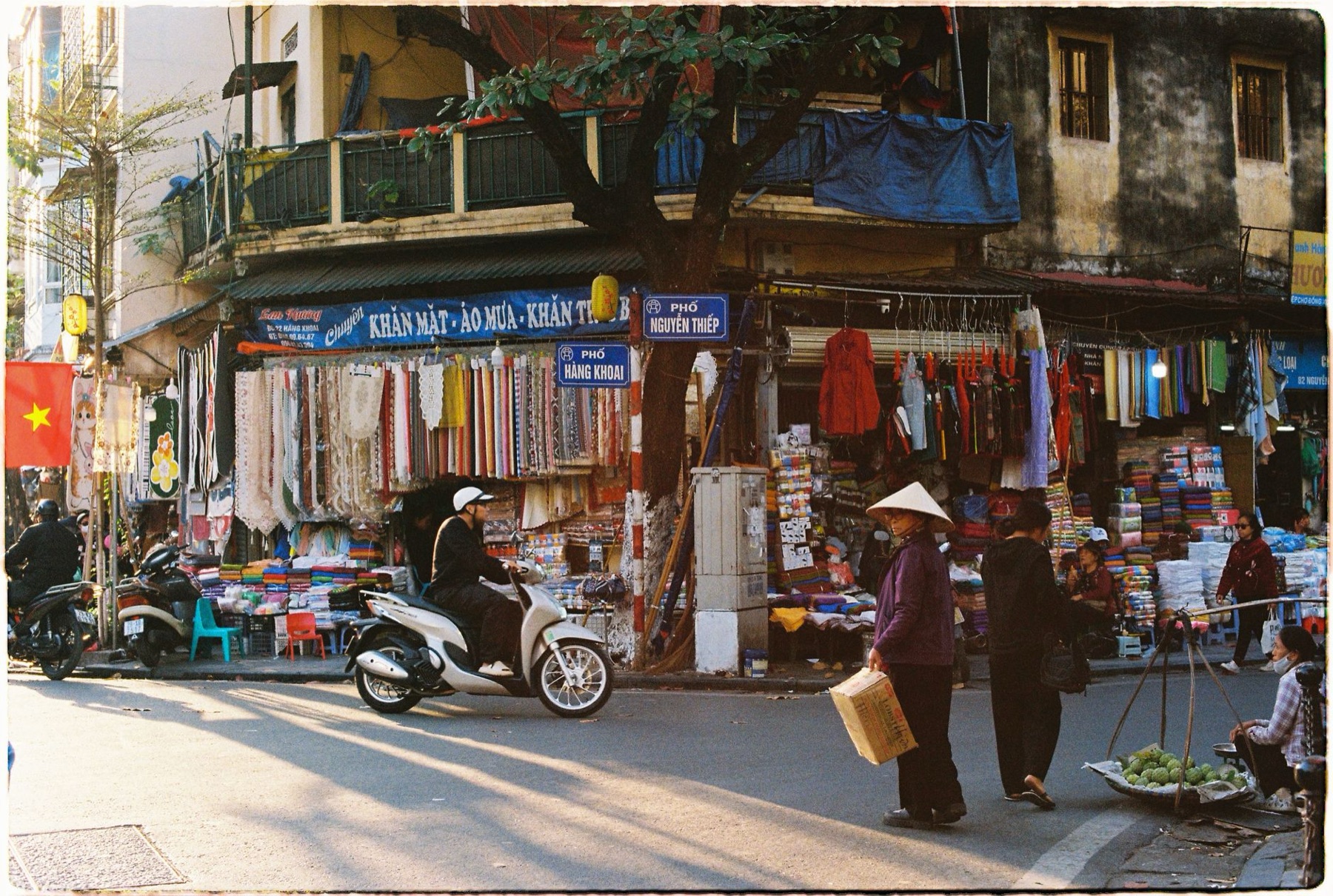
Old Quarter (Hoàn Kiếm District): 36 narrow streets, each named after the goods once sold there (Silver Street, Paper Street, Silk Street). Walking here at 6 a.m. is the real experience; by noon, it's shoulder-to-shoulder tourists. Pho vendors open at 5:30 a.m., locals eat and leave by 7 a.m. You pay around 35,000–50,000 VND (~$1.50–$2 USD) for a bowl. The Hoan Kiem Lake walk is free and peaceful before 8 a.m.
Ba Dinh District: Home to the Ho Chi Minh Mausoleum (closed Mondays and Fridays; around 30,000 VND/~$1.20 USD entry), the One Pillar Pagoda, and the Temple of Literature. Arrive by 7:30 a.m. if you want to skip queues. The neighborhood is quiet, tree-lined, and worth half a day.
Tay Ho (West Lake): Lakeside calm. Narrow lanes wind through residential blocks and small cafés. No major "sights," but this is where many expats live and where the city feels least touristy. Coffee runs 30,000–60,000 VND (~$1.20–$2.50 USD). Walk the perimeter for 45 minutes at sunset.
Hoan Kiem South (around Hang Bong, Hàng Gà): Less touristy than Old Quarter's core but just as chaotic. Better for eating real street food without the premium pricing. A full meal of grilled fish, rice, and greens might cost 50,000–80,000 VND (~$2–$3.20 USD).
Long Bien/East Bank: The Red River's east side remains industrial and underdeveloped for tourism, but that's the appeal for photographers and urban explorers. Long Bien Bridge (1902) is iconic; best viewed from the north side at sunrise.
French Quarter (Hoan Kiem North/Ba Dinh borders): Leafy colonial villas, colonial-era hotels, and wide avenues. Less chaotic but also less authentic. Useful for rest days, not essential.
How should you structure 3–7 days without burnout?
Day 1: Old Quarter (early pho, walk Silver/Silk Streets, Hoan Kiem Lake sunset). Dinner in Hoan Kiem South.
Day 2: Ba Dinh District (Mausoleum, One Pillar Pagoda, Temple of Literature). Afternoon rest at a café in Tay Ho.
Day 3: Water Puppet Theatre (evening show; around 100,000–150,000 VND/~$4–$6 USD). Day trip option: Ninh Binh limestone karst or Ha Long Bay overnight cruise.
Day 4: Tran Quoc Pagoda (lakeside temple, free entry, opens 7 a.m.) and West Lake walk. Night market food crawl in Hang Be or Dong Xuan areas.
Day 5: Day trip to Sapa (3-hour train, budget ~$15–25 USD return) or Ninh Binh (2-hour bus, ~$5–8 USD return). Or explore neighbourhoods you missed.
Day 6–7: Slow days—revisit favourite alleys, photograph, sit in a courtyard, prepare keepsakes, or extend to nearby provinces via Vietnam itinerary planner.
| Activity | Best Time | Cost | Why It Works |
|---|---|---|---|
| Pho in Old Quarter | 5:30–7 a.m. | ~35k–50k VND | Beat crowds, eat with locals |
| Ho Chi Minh Mausoleum | 7:30–8:30 a.m. | ~30k VND | Early = short lines |
| Tran Quoc Pagoda | Dawn | Free | Sunrise over water, few tourists |
| Water Puppet Theatre | 8 p.m. show | ~100k–150k VND | One-of-a-kind experience |
| West Lake walk | 4–6 p.m. | Free | Golden light, cooling temperature |
| Night market food | 7–10 p.m. | 40k–100k VND/meal | Real local dining |
What are the real scams and how do you avoid them?
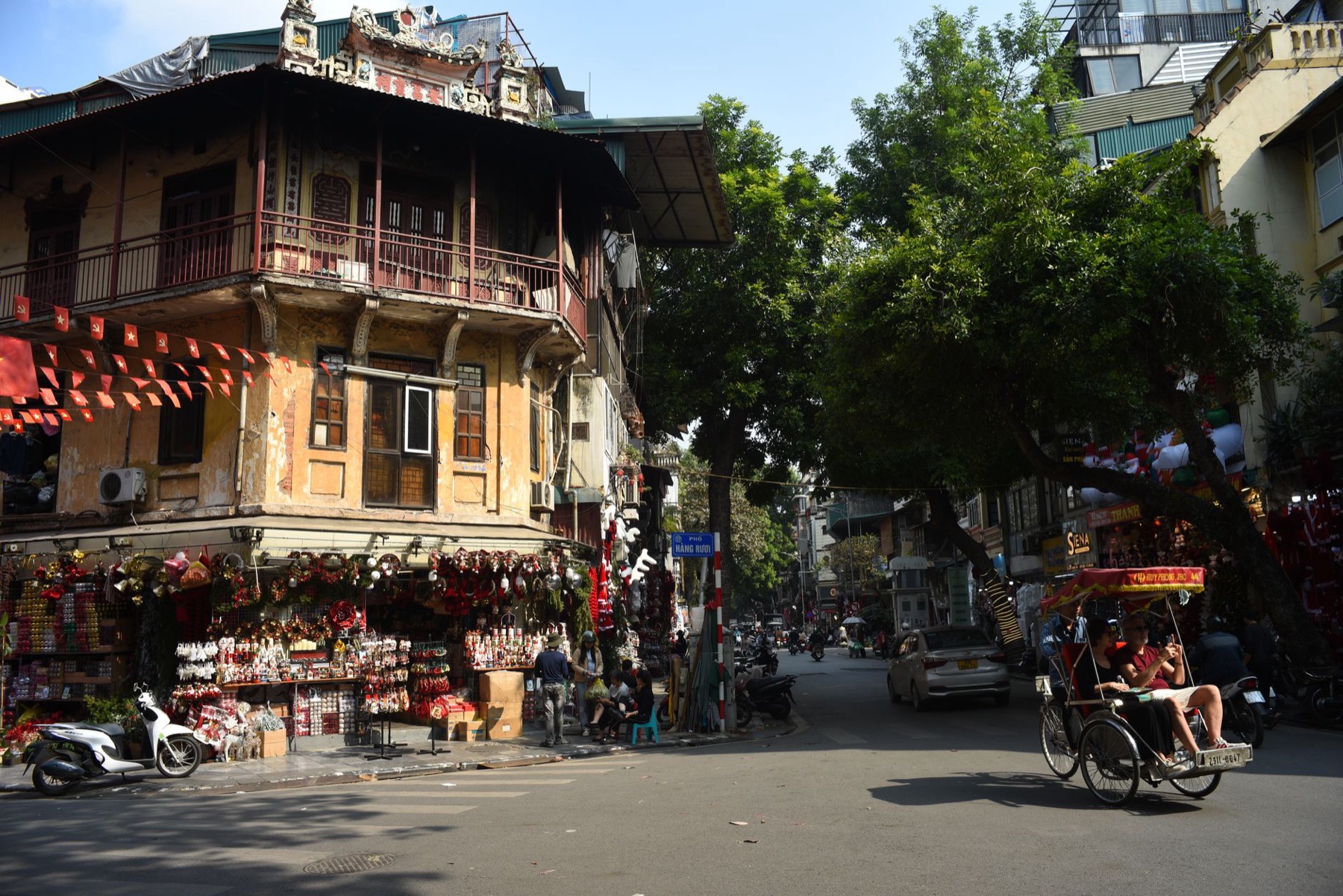
Cyclo (pedicab) overcharging: Agree on price before you get in. Locals pay 15,000–30,000 VND (~$0.60–$1.20 USD) for short rides; tourists quoted 200,000–500,000 VND (~$8–$20 USD). Walk if distances are under 1 km.
Fake "friendly local": A person strikes up conversation, invites you to a "family-run" silk shop or restaurant. Commission scheme. Politely decline; eat where locals eat, not where touts point you.
Currency exchange at tourist shops: Use ATMs (check fees beforehand with your bank). Shop exchange rates are 5–10% worse than ATM rates.
Taxi app vs. street hail: Use Grab (ride-share app) instead of waving down taxis. Meter fraud still happens.
Tour-group restaurants: Prices are marked up 50–200%. Skip restaurants in tourist guides; eat in neighbourhoods, ask locals, or follow your nose.
Broken-meter restaurants: Some establishments will quote you a meal price upfront, then present a vastly larger bill. Order food by pointing, not speaking if you're unsure.
The "quick tailor": A shop offers to sew you an áo dài or suit overnight. Results are poor or orders are overcharged. Reputable tailors take 5–7 days.
---
📸 Book an ao dai photoshoot in Hanoi or Saigon (Cáo Studio)
What should you actually skip?
Hoa Lo Prison Museum: Historically significant but cramped, poorly curated, and heavy-handed. History lovers may visit; others: skip.
Jade Island Temple (on Hoan Kiem Lake): Tourist trap, crowded, real spiritual sites are quieter and free.
"Night market tours" sold by hostels: Overpriced, rushed, and you'll be shepherded to inflated-price vendors. Go solo at Dong Xuan or Hang Be instead.
Hanoi Cooking Classes (generic tours): Many are filmed content, not genuine learning. If you want to cook, ask your guesthouse host or hire a neighborhood cook directly (ask your guide).
Bat Trang Ceramics Village as a day trip: 20 km south; feels manufactured now. If you want local pottery, buy from artisans in the Old Quarter itself.
How do you prepare to visit—visas, connectivity, timing?
Visa: Most visitors need a Vietnam e-visa or apply on arrival. Process takes 3–5 business days online.
SIM & Data: Buy a local eSIM or physical SIM at Noi Bai Airport or any convenience store (Viettel, Mobifone, Vinaphone). Cost: around 50,000–100,000 VND (~$2–$4 USD) for a week's data.
Best seasons: October–April (cool and dry). May–September is hot, humid, and rainy; avoid if possible.
Booking ahead: Overnight trains and tours fill up in October–November and December–January. Book 2–4 weeks early during peak season.
Currency: 1 USD ≈ 24,000–25,000 VND (rates fluctuate). Carry cash; not all small vendors accept cards.
Getting around: Grab app (motorbike or car), bus (chaotic but cheap), walking (best for exploring).
---
🗺️ Plan your route: Vietnam itinerary
How can you preserve memories of Hanoi meaningfully?
After days of wandering alleys and sitting in temple courtyards, you'll want keepsakes that feel authentic—not mass-produced souvenirs. Consider:
- Custom star map prints (marking your visit date and Hanoi's coordinates): meaningful to look back on, fits in any luggage.
- Handwritten recipe cards from street-food vendors you befriended: tangible, personal, conversational.
- Engraved keepsake boxes (wood, stone, or metal): perfect for holding temple coins, ticket stubs, or dried flowers from Hoa Lang Thang's local botanicals.
- Áo dài photoshoot: A professional portrait in traditional dress, styled in Hanoi's alleyways or lakeside temples. Cáo Studio offers makeup, hair, and wardrobe in Hanoi and Saigon; photos arrive within a week, and many travelers frame or gift them.
- Silk scarves or woven textiles from workshops (not tourist shops): support artisans directly.
Browse keepsake collections that honour travel and custom photo prints designed for meaningful memories.
---
Before you book or buy—what to check
- Pace yourself: Three days is minimum to feel Hanoi; five–seven days lets neighbourhoods breathe.
- Respect temple etiquette: Remove shoes, dress modestly (shoulders and knees covered), never touch Buddha statues.
- Air quality: Check daily AQI before outdoor activities; wear N95 masks if needed.
- Motorbike safety: Never rent a motorbike without a helmet and international driving permit, and never if inexperienced. Grab is safer.
- Cash withdrawal: Withdraw from banks or ATMs with low fees; have small denominations for street vendors.
- Photo ethics: Always ask permission before photographing people, especially vendors and children.
- Guesthouses & bookings: Read recent reviews (check Trustpilot and Google, not just booking platforms). Confirm check-in times and included amenities.
- Meals & allergies: Learn key phrases in Vietnamese or use translation app. Declare allergies clearly.
---
🎟️ Compare tours & tickets for this place
Hanoi doesn't rush you—it expects you to sit, watch, return to favourite spots, and come back years later. The city is truest to itself before 8 a.m. and after 6 p.m., when locals reclaim the streets. Plan around their rhythms, eat what they eat, ask questions without judgment, and you'll leave with something deeper than photos: a sense of place that pulls you back.
For more regional context, explore Hanoi in detail or branch out with our full Vietnam itinerary guide to connect Hanoi with Sapa, Ninh Binh, and beyond.
---
FAQ
Is it safe to walk Hanoi alone at night?
Yes, in main areas (Old Quarter, Ba Dinh, Tay Ho) until 11 p.m. Avoid dark alleys, stay aware, keep valuables secure. Grab is safer than street taxis after dark. Violent crime against tourists is rare; petty theft is the risk.
How many days do I really need in Hanoi?
Three days covers main sights without burnout. Five–seven days lets you rest, revisit neighborhoods, and explore nearby day trips like Ninh Binh or Sapa without feeling rushed.
What's the best way to eat pho like a local?
Arrive at a pho stall by 6 a.m., point to a bowl, sit at a plastic stool, eat quickly (locals take 10–15 minutes). Don't ask for a menu; order "pho bo" (beef) or "pho ga" (chicken). Pay when you finish. Cost: 35,000–50,000 VND (~$1.50–$2 USD).
Should I visit the Ho Chi Minh Mausoleum?
If history interests you and you follow dress code (covered shoulders, no shorts), yes. Arrive 7:30–8 a.m. to avoid queues. Closed Mondays and Fridays. If you're short on time, skip in favour of quieter temples like Tran Quoc Pagoda.
Can I see Hanoi in one day?
No. One day covers Old Quarter breakfast and maybe one temple, but you'll miss the city's rhythm and exhaust yourself. Three days minimum; one day is a drive-by, not a visit.
What's the cheapest way to get around Hanoi?
Buses are ~7,000–15,000 VND (~$0.30–$0.60 USD) but confusing for non-residents. Grab is ~20,000–50,000 VND (~$0.80–$2 USD) per ride and reliable. Walking is free and best for exploring. Avoid cyclos unless you enjoy overpaying.
FAQ
Is it safe to walk Hanoi alone at night?
Yes, in main areas (Old Quarter, Ba Dinh, Tay Ho) until 11 p.m. Avoid dark alleys, stay aware, keep valuables secure. Grab is safer than street taxis after dark. Violent crime against tourists is rare; petty theft is the risk.
How many days do I really need in Hanoi?
Three days covers main sights without burnout. Five–seven days lets you rest, revisit neighborhoods, and explore nearby day trips like Ninh Binh or Sapa without feeling rushed.
What's the best way to eat pho like a local?
Arrive at a pho stall by 6 a.m., point to a bowl, sit at a plastic stool, eat quickly (locals take 10–15 minutes). Don't ask for a menu; order "pho bo" (beef) or "pho ga" (chicken). Pay when you finish. Cost: 35,000–50,000 VND (~$1.50–$2 USD).
Should I visit the Ho Chi Minh Mausoleum?
If history interests you and you follow dress code (covered shoulders, no shorts), yes. Arrive 7:30–8 a.m. to avoid queues. Closed Mondays and Fridays. If you're short on time, skip in favour of quieter temples like Tran Quoc Pagoda.
Can I see Hanoi in one day?
No. One day covers Old Quarter breakfast and maybe one temple, but you'll miss the city's rhythm and exhaust yourself. Three days minimum; one day is a drive-by, not a visit.
What's the cheapest way to get around Hanoi?
Buses are ~7,000–15,000 VND (~$0.30–$0.60 USD) but confusing for non-residents. Grab is ~20,000–50,000 VND (~$0.80–$2 USD) per ride and reliable. Walking is free and best for exploring. Avoid cyclos unless you enjoy overpaying.