Hanoi · Itinerary
What to Do in Hanoi: Real Itineraries & Local Picks
By Wander in Vietnam editorial team · Hanoi, Vietnam
How do most visitors structure 2–3 days in Hanoi?
Day one: Old Quarter temples and Hoan Kiem Lake at sunrise. Day two: Ho Tay lake walk, craft villages (Bat Trang pottery, Ha Thai silk), evening street food crawl. Day three: either a day trip to Ha Long Bay (4 hours south) or Ninh Binh (2.5 hours), or deeper dives into Ba Dinh district museums and water puppet theater. Most visitors clock 10,000–15,000 steps daily; wear light, breathable layers. Start early to beat heat and crowds.
🗺️ Plan your route: Vietnam itinerary
Which neighborhoods should I actually explore?
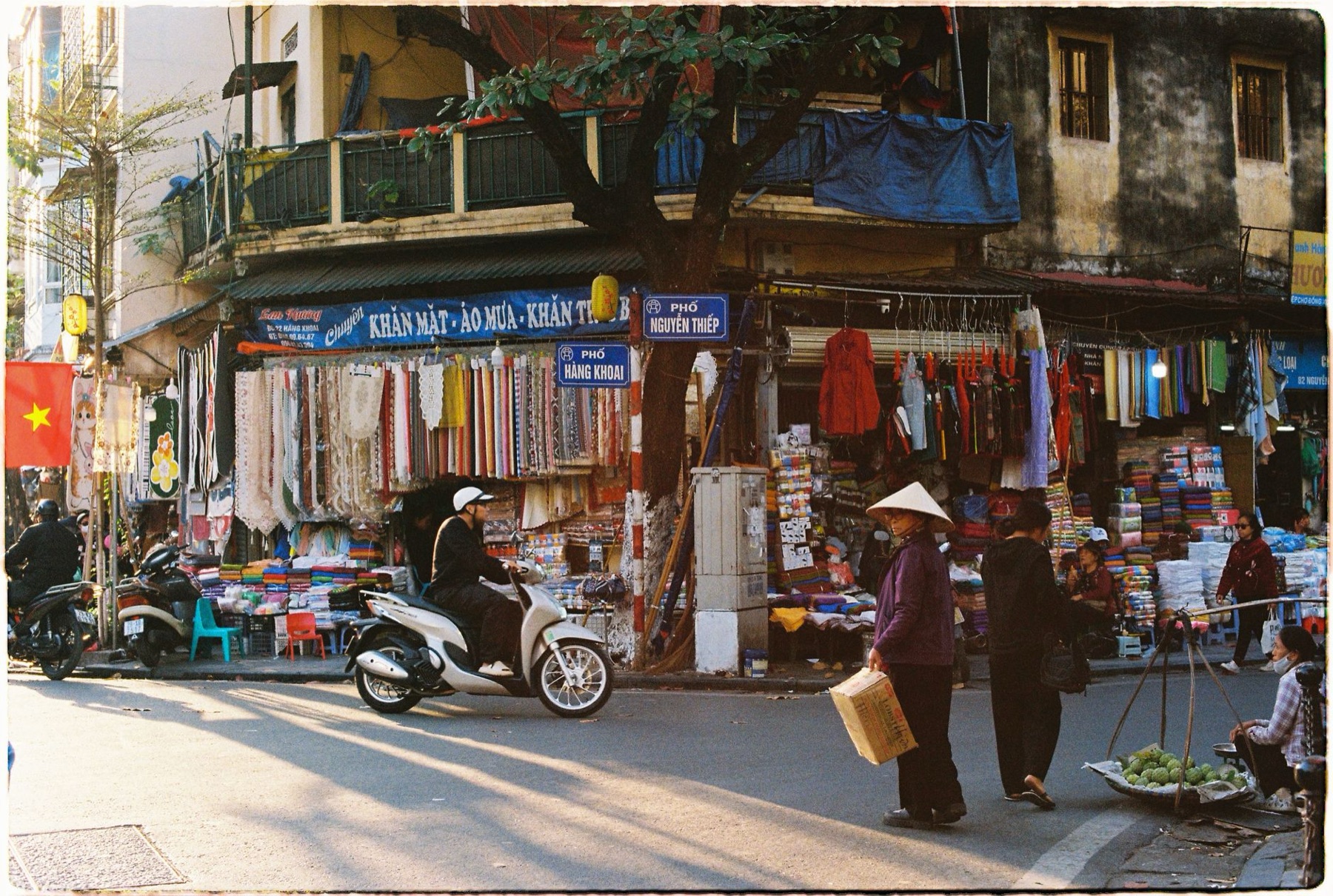
Old Quarter (36 phố—narrow streets named after goods once sold there): chaotic, photogenic, packed with backpackers; genuine for pho at dawn, a trap by 10am. Walk Pho Hang Gai and Pho Nha Tho for older shophouses and temples. Hoan Kiem (lake district): calmer; Ngoc Son Temple on the lake is worthwhile; coffee shops line Pho Hang Trong. Ba Dinh (government district): wider roads, French villas, museums—Mausoleum of Ho Chi Minh (free entry, strict dress code), Temple of Literature (around 75,000 VND ≈ $3 USD). Tay Ho (Ho Tay/West Lake): expat cafes, running trails, sunset walks—less "authentic" but peaceful for families. Truc Bach (small lake): local cyclists, small boutiques, quieter temple ruins. Avoid: Hanoi Old Town tourist police hassle points (drink vendors hounding you on Pho Ta Hien after dark).
What's the honest street food scene vs. the tourist version?
Real: Early morning pho at a counter (6–7am, around 35,000–50,000 VND ≈ $1.50–2 USD) in Old Quarter side alleys—no signs, cash only, locals eating standing or hunched. Banh mi from carts in Hoan Kiem park entrance (20,000 VND ≈ $0.80). Egg coffee in a standing-room cafe off Pho Hang Manh (30,000–40,000 VND ≈ $1.20–1.60). Bun cha (grilled pork with noodles) lunch spots in Ba Dinh, midday only (45,000–65,000 VND ≈ $1.80–2.60).
Tourist trap: "Street food tours" with groups of 20+ people, your guide getting kickbacks; overpriced bia hoi (draft beer) on Pho Ta Hien targeting foreigners (drink alone if you want a fair price, 10,000–15,000 VND ≈ $0.40–0.60). Avoid "local secret" recommendations from touts; they're recommending the place paying them.
| Dish | Real cost (VND) | Real cost (USD) | Best time | Where to find it |
|---|---|---|---|---|
| Pho ga (chicken) | 35,000–50,000 | $1.50–2 | 6–9am | Side alleys off Pho Hang Gai, Hoan Kiem |
| Banh mi | 20,000–35,000 | $0.80–1.40 | 7am–12pm | Park carts, Tran Hung Dao area |
| Egg coffee | 30,000–45,000 | $1.20–1.80 | 7am–5pm | Old Quarter standing cafes |
| Bia hoi | 10,000–15,000 | $0.40–0.60 | 4pm–10pm | Local-only, side streets (not Pho Ta Hien) |
| Bun cha | 45,000–65,000 | $1.80–2.60 | 11am–2pm | Ba Dinh neighborhood lunch spots |
🎟️ Compare tours & tickets for this place
What are the scams and how do I avoid them?
Cyclo (pedicab) overcharge: Agree on price in VND before getting in. Expect around 100,000–200,000 VND (≈ $4–8 USD) for a 20–30 minute trip; unsuspecting tourists pay 500,000+ VND (≈ $20+ USD). Fix: use Grab (app-based, meter is automatic) for short journeys.
Jade and silk "factory" hustles: Touts claim you can visit a "family workshop," then push you into a shop where prices are triple-marked. The workshop visit is free; the pressure to buy is extreme. Fix: skip touts entirely; book ceramic or silk workshops directly via your hotel concierge or a guide you trust.
Fake travel insurance or visas: Street vendors offer discount e-visas; they often submit incomplete forms, causing delays or rejections. Fix: use the official Vietnam immigration portal (evisa.gov.vn) or a reputable agency like Wander in Vietnam's visa guide.
Beer stations "missing" payment: Bia hoi vendors claim you owe extra; receipts are vague. Fix: ask price upfront, watch them pour, pay per glass immediately.
Fake sim cards: Dodgy shops near backpacker areas sell SIM cards labeled as networks they're not. Fix: buy at official carrier booths (Viettel, Mobifone, VinaPhone) in malls or airport; or use eSIM for Vietnam before arrival.
What meaningful souvenirs should I actually bring home?
Skip: mass-produced lacquerware (same items in every shop), fake "handmade" silk scarves.
Actually worthwhile:
- Bat Trang pottery (ceramic ware): Real potters work in Bat Trang village, 15km southeast of Old Quarter. Handthrown bowls, cups, tiles. Prices: simple rice bowl (100,000–200,000 VND ≈ $4–8 USD), custom painted plate (200,000–400,000 VND ≈ $8–16 USD). Potters allow you to watch; some have studio shops open 7am–5pm. Avoid: tourist shops in Old Quarter selling "Bat Trang" that's factory-made elsewhere.
- Silk scarves and fabric from Ha Thai: A village 15km west specializing in natural silk dyeing. A hand-dyed silk scarf (around 300,000–600,000 VND ≈ $12–24 USD) beats souvenir-shop versions. Co-ops allow studio visits; buy direct to support weavers.
- Ao dai custom tailoring: A traditional silk tunic. Get measured at a reputable tailor in Ba Dinh (not tourist-trap Old Quarter). Budget 2–3 days, around 800,000–1,500,000 VND (≈ $32–60 USD) for good quality. For a keepsake or to wear, book a professional ao dai photoshoot in Hanoi (Cáo Studio)—makeup, hair, location styling included—and bring the garment home with high-quality portraits.
- Coffee beans from Buon Ma Thuot: Highlands robusta or specialty single-origin. Grab small bags (200g, around 150,000–250,000 VND ≈ $6–10 USD) at coffee shops or the old railway station area.
- Lacquer ware (if done right): Only buy from artisans showing you the process (Hang Gai Street has a few legitimate workshops). A hand-painted lacquer box (around 400,000–800,000 VND ≈ $16–32 USD) beats tourist-shop knockoffs.
- Conical hats (non la): Silk or palm versions. Real artisans in Con Cuong (north of Hanoi, 1.5 hours) sell direct; tourist versions in Old Quarter are thin. Budget 150,000–350,000 VND (≈ $6–14 USD) for quality; a hand-woven silk hat with custom patterns costs more.
If you're buying for someone, consider a personalized keepsake box (engraved with a Hanoi date or memory), star map print of your visit date, or a custom family portrait—items that anchor a trip emotionally. Browse keepsake & gift collections for types that matter beyond the trip.
📸 Book an ao dai photoshoot in Hanoi or Saigon (Cáo Studio)
What should I skip or do differently?
Skip:
- Hanoi Hilton (Hoa Lo Prison Museum): heavily propagandistic, less nuanced than other war museums.
- Tran Quoc Pagoda tour groups: genuinely beautiful temple, but overwhelmed by packaged groups 9am–2pm; go 6–7am instead.
- All-night backpacker bar crawls: loud, expensive, not representative of Hanoi's real nightlife (which is quieter, family-oriented).
- "Cooking class" with tour operators: they take you to a market, rush you through prep, and you eat in a group setting. Better: book a family kitchen experience through a local guide or your hotel concierge.
Do differently:
- Take a motorbike taxi (Grab Bike) for short trips under 5km instead of cyclos; cheaper, faster, less romanticized.
- Explore neighborhoods on foot or by bicycle (rent from your hotel, around 50,000–100,000 VND ≈ $2–4 USD per day).
- Visit museums in afternoon (many close 11am–1pm for lunch).
- Hire a local guide for half-day neighborhood walks (around 300,000–500,000 VND ≈ $12–20 USD per group of 2–4 people) through booking sites or your hotel; worth it for context and scam avoidance.
How do I connect Hanoi to other Vietnam destinations?
Ha Long Bay (4 hours, 170km east): cruise UNESCO karst bay; most book 2-day overnight trips (overnight cruises, meals included, around $40–120 USD depending on vessel). Day trips are rushed. Go early March–May or September–October for calm seas.
Ninh Binh (2.5 hours, 100km south): limestone hills, ancient temples (Tam Coc, Bich Dong), quieter than Ha Long. Rent a motorbike (100,000 VND ≈ $4 USD per day) or join a guided tour (around 400,000–700,000 VND ≈ $16–28 USD per person for full day).
Sapa (6 hours north, 350km): hill station, terraced rice fields, ethnic villages. Overnight bus or fly (flights: 900,000–1,500,000 VND ≈ $36–60 USD one way). Go May–September for greenest views; avoid Chinese tour groups July–August.
Hoi An (14 hours south by bus/train): ancient town, lantern-lit river, custom tailoring. Fly (1,200,000–2,000,000 VND ≈ $48–80 USD one way) if time-pressed.
Ho Chi Minh City (1.5 hours by flight, 1,700km): larger, hotter, war museums, Mekong day trips. Fly (800,000–1,400,000 VND ≈ $32–56 USD) or overnight bus (150,000–350,000 VND ≈ $6–14 USD, uncomfortable but cheap).
Vietnam itinerary planner: map out a multi-city route so you don't backtrack.
---
What to Check Before You Buy (or Book)
- eSIM for Vietnam? Buy before arrival if you rely on data for maps and Grab; airport SIM cards work but tourist prices inflate. eSIM tops out at 7 days; refill in-country if staying longer.
- Visa? Check visa requirements before booking flights. E-visa takes 3–5 working days; rush options cost more.
- Booking tours? Read recent reviews on independent platforms (not the operator's website). Ask if lunch is included, how many people per group, and exact pickup time/location. Confirm 24 hours prior via phone or WhatsApp.
- Silk or pottery purchases? Ask where it was made; if the answer is vague, it's likely factory-made. Pay in cash to avoid card-skimming in tourist shops.
- Ao dai or custom tailoring? Bring photos of what you want. Fittings take 2–3 visits; budget extra days if ordering custom pieces.
---
FAQ
How many days do I need in Hanoi to feel like I've seen it?
Most visitors feel satisfied after 2–3 days: one for Old Quarter and temples, one for Ho Tay and craft villages, one for either a day trip or museums. Four days lets you slow down, revisit neighborhoods, and explore Ba Dinh without rushing. Skip if you have only 12 hours; the city rewards depth over speed.
Is it safe to eat street food in Hanoi?
Yes, if you pick busy stalls with visible turnover and locals eating there. Avoid food sitting under heat lamps or left in sun overnight. Drink bottled water; ice from reputable cafes is usually fine. Street food outbreaks are rare; tourists overstress this. Real risk: overpaying, not food safety.
What's the best time to visit Hanoi?
October–November and March–May. October–November: cool (18–25°C), dry, perfect for walking. December–February: cold, foggy mornings (8–15°C), heating is rare indoors. May–September: hot (28–35°C), humid, sudden rain. Avoid: Lunar New Year (late January–early February) if you dislike crowds and closures.
Can I visit Hanoi without speaking Vietnamese?
Yes. Older locals in Old Quarter don't speak English, but younger people and service staff do. Download Google Translate offline or Grab app (has English). Hand-written price signs or calculator negotiation works for markets. Learning "hello" (xin chào) and "thank you" (cảm ơn) helps.
How should I get around Hanoi without a motorbike?
Grab (ride-hailing app, 30,000–80,000 VND ≈ $1.20–3.20 USD for most trips), buses (public, cheap, confusing routes), and walking (best for Old Quarter and lake areas). Taxis are rare and expensive. Cyclos are scenic but slow and touristy—use only if you want the experience, not efficiency.
Should I book tours or explore alone?
Alone works for sightseeing and museums; guides shine for neighborhood context and scam avoidance. Compromise: hire a half-day guide for Old Quarter, temple introductions, and food stops, then explore freely with maps afterward. Guides usually cost 300,000–500,000 VND (≈ $12–20 USD) per 4–5 hours for groups of 2+.
FAQ
How many days do I need in Hanoi to feel like I've seen it?
Most visitors feel satisfied after 2–3 days: one for Old Quarter and temples, one for Ho Tay and craft villages, one for either a day trip or museums. Four days lets you slow down, revisit neighborhoods, and explore Ba Dinh without rushing. Skip if you have only 12 hours; the city rewards depth over speed.
Is it safe to eat street food in Hanoi?
Yes, if you pick busy stalls with visible turnover and locals eating there. Avoid food sitting under heat lamps or left in sun overnight. Drink bottled water; ice from reputable cafes is usually fine. Street food outbreaks are rare; tourists overstress this. Real risk: overpaying, not food safety.
What's the best time to visit Hanoi?
October–November and March–May. October–November: cool (18–25°C), dry, perfect for walking. December–February: cold, foggy mornings (8–15°C), heating is rare indoors. May–September: hot (28–35°C), humid, sudden rain. Avoid: Lunar New Year (late January–early February) if you dislike crowds and closures.
Can I visit Hanoi without speaking Vietnamese?
Yes. Older locals in Old Quarter don't speak English, but younger people and service staff do. Download Google Translate offline or Grab app (has English). Hand-written price signs or calculator negotiation works for markets. Learning "hello" (xin chào) and "thank you" (cảm ơn) helps.
How should I get around Hanoi without a motorbike?
Grab (ride-hailing app, 30,000–80,000 VND ≈ $1.20–3.20 USD for most trips), buses (public, cheap, confusing routes), and walking (best for Old Quarter and lake areas). Taxis are rare and expensive. Cyclos are scenic but slow and touristy—use only if you want the experience, not efficiency.
Should I book tours or explore alone?
Alone works for sightseeing and museums; guides shine for neighborhood context and scam avoidance. Compromise: hire a half-day guide for Old Quarter, temple introductions, and food stops, then explore freely with maps afterward. Guides usually cost 300,000–500,000 VND (≈ $12–20 USD) per 4–5 hours for groups of 2+.