Ha Giang
What to eat in Ha Giang: local dishes guide
By Wander in Vietnam editorial team · Hanoi, Vietnam
Ha Giang food centres on glutinous rice, stewed wild meats (boar, porcupine, deer), fresh bamboo shoots, and corn-based liquor. The province sits 5–6 hours north of Hanoi in the Tay and Hmong uplands; eating here means family-run guesthouses and market stalls, not restaurants with menus. Expect to spend 40,000–120,000 VND (roughly USD 1.60–4.80) per meal, depending on proteins. Peak season (October–November) brings crisp weather and harvest celebrations—ideal for tasting seasonal dishes. Avoid ordering endangered species (pangolin, certain birds); many vendors now stock only farmed or legally harvested alternatives. Wander in Vietnam recommends eating where you sleep: guesthouses in Dong Van and Meo Vac towns often prepare communal dinners with their families' own ingredients. 🗺️ Plan your route: Vietnam itinerary
Why does Ha Giang food taste so different from lowland Vietnam?
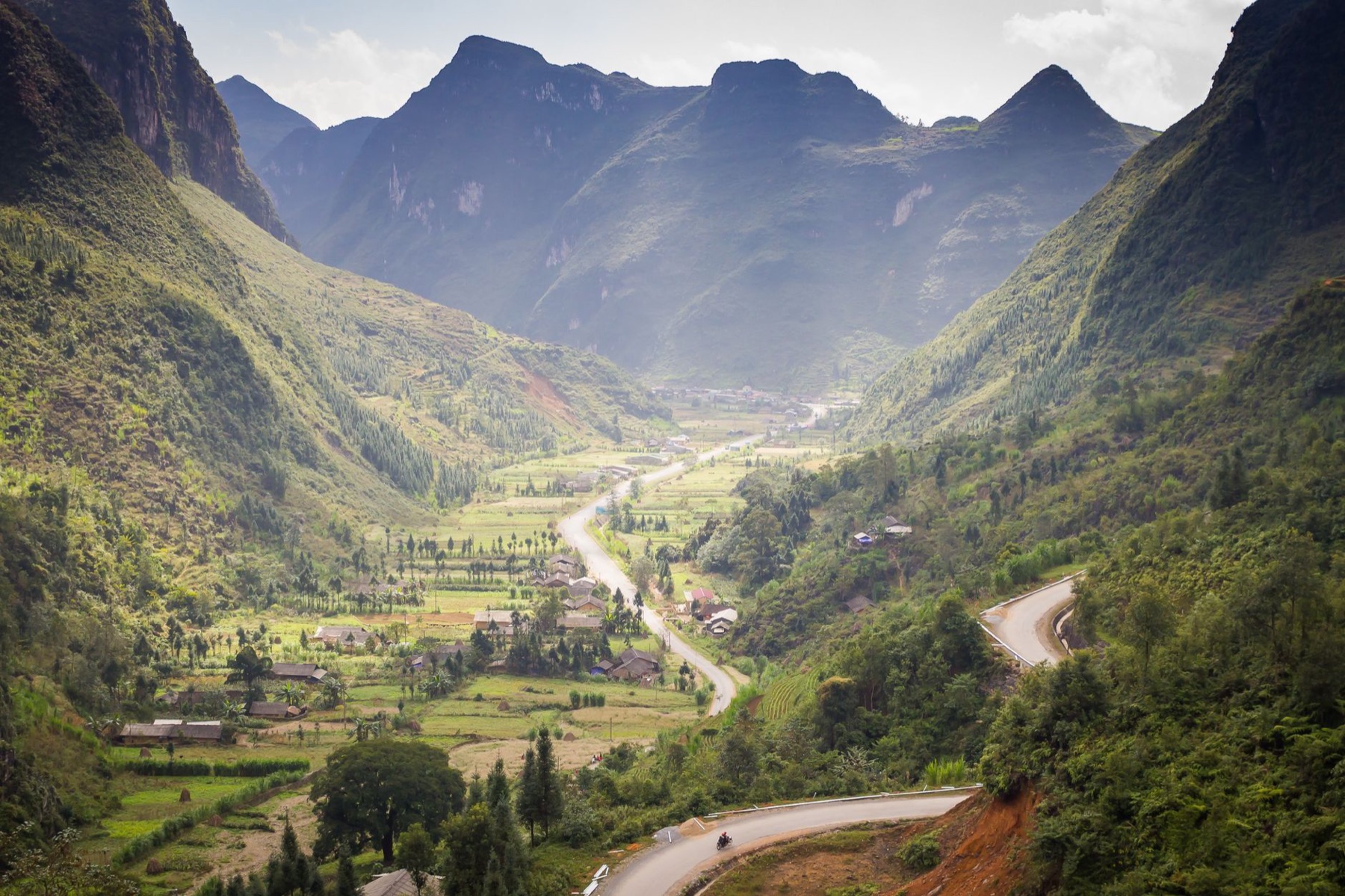
Ha Giang sits at 1000+ metres elevation in a region where Tay and Hmong peoples have farmed for centuries. Sticky glutinous rice—not jasmine—is the staple; locals grow corn and manioc, not paddy rice. Cold nights preserve meat longer without refrigeration, so salt-curing, smoking, and fermentation dominate. Water sources are mineral-rich mountain streams. These geographic facts shape every plate. Lowland dishes (pho, banh mi) don't exist here—instead you'll find slow-stewed game, pickled greens, and bamboo-shoot soups that reflect isolation and self-sufficiency.
Which Ha Giang dishes should you actually order?
Cơm lam (bamboo-tube sticky rice) is essential. Bamboo segments are stuffed with glutinous rice, herbs, and sometimes pork, then grilled over coals. The rice steams inside and absorbs bamboo smoke. Cost is around 30,000–50,000 VND (USD 1.20–2.00) per tube. Order at guesthouses or ask your host; it's rare in formal restaurants.
Thịt nướng (grilled wild game) typically features boar, porcupine, or deer. Meat is marinated in soy, garlic, and lemongrass, then charred over charcoal. Texture is lean and gamey—not for everyone. Most guesthouses offer this at communal dinners for 80,000–150,000 VND (USD 3.20–6.00) per person.
Canh chua cá (sour fish soup with tamarind and wild herbs) uses small mountain fish and foraged greens. The tang comes from tamarind paste and fresh lime. Around 40,000–70,000 VND (USD 1.60–2.80) in family kitchens.
Rau cải xanh (wild greens, blanched or stir-fried) include morning glory, amaranth, and fiddlehead ferns foraged from hillsides. Simply prepared with garlic and fish sauce. 20,000–35,000 VND (USD 0.80–1.40).
Ruou ngô (corn whisky) is clear, potent, and made in home stills. Alcohol content is high and unregulated; sip small amounts. Often served free or bundled into meal costs.
| Dish | Best for | Typical cost (VND) | Why it works |
|---|---|---|---|
| Cơm lam | Texture lovers, Instagram | 30k–50k | Smoky, tender, portable |
| Thịt nướng | Adventurous eaters | 80k–150k | Highlights local protein |
| Canh chua cá | Soup fans, light meals | 40k–70k | Refreshing, uses mountain fish |
| Rau cải xanh | Vegetarians, sides | 20k–35k | Foraged, seasonal, healthy |
| Ruou ngô | Social, evening gatherings | 5k–20k per shot | Bonds travelers & hosts |
📸 Book an ao dai photoshoot in Hanoi or Saigon (Cáo Studio)
Where do locals eat in Dong Van and Meo Vac?
Formal restaurants are sparse in Ha Giang. Instead, eating happens in guesthouses, family homes, and market stalls. Dong Van town (the district capital) has a few noodle stalls around the central market (open 5 a.m.–10 a.m., then 3 p.m.–6 p.m.) selling bánh canh (tapioca noodle soup) and bánh chưng (sticky rice cake). Meo Vac, 40 km southeast, is smaller; your best bet is to arrange meals with your guesthouse owner the night before.
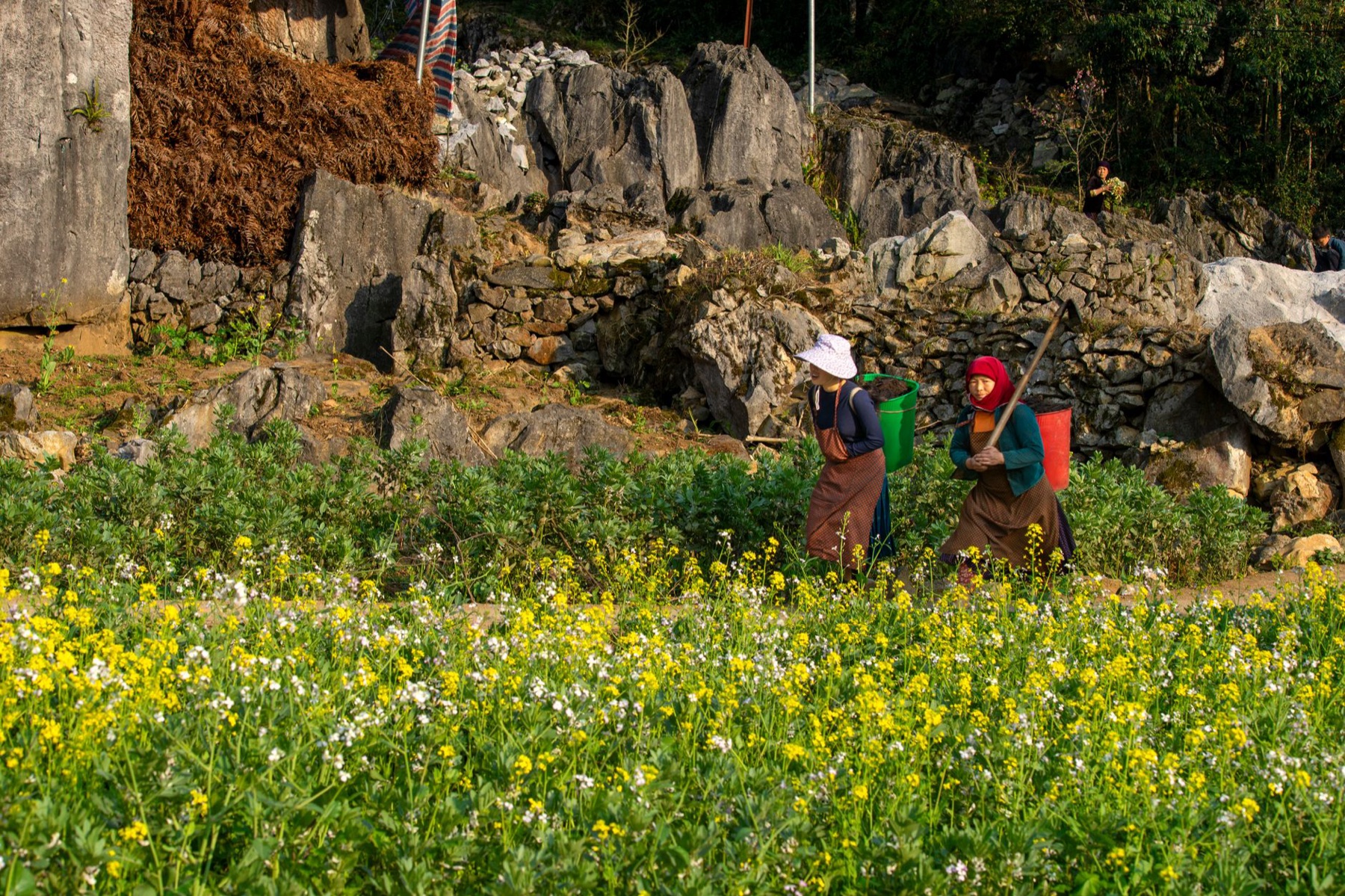
Market produce—cabbages, carrots, tubers—comes in during autumn harvest. Prices drop then. In low season (May–August), fresh vegetables are scarcer; preserved and dried items dominate. Many guesthouses have kitchen agreements with local farmers; ask if you can join a family meal. Costs typically range 100,000–200,000 VND (USD 4–8) per person for a communal dinner with 6–10 dishes.
Avoid street-vendor meat in humid months (June–August); spoilage risk rises without consistent cold storage. Boiled water or hot tea is safer than tap water; most guesthouses provide thermoses.
What should you bring or know before eating in Ha Giang?
Appetite for repetition. You'll see sticky rice, grilled meat, or sour soup at nearly every meal. This isn't laziness—it's seasonal and cultural. Don't expect variety like Hanoi.
Cash and small bills. No ATMs in Meo Vac; Dong Van has one. Guesthouses and vendors don't accept cards. Bring 500,000–1,000,000 VND (USD 20–40) in small denominations.
Stomach preparation. If you're not accustomed to rich, fatty game and fermented foods, eat small portions initially. Ginger tea or antacids help.
Timing. Breakfast (6–8 a.m.): bánh chưng, sticky rice, herbs. Lunch (11 a.m.–1 p.m.): rice, stew, greens. Dinner (6–7 p.m.): communal spreads. Restaurants close early; eat before 8 p.m.
Dialect and gestures. Many vendors speak only Tay or Hmong. Learn "cơm" (rice), "nước" (water), "ngon" (delicious), and point. Smile works everywhere.
Families often prepare extra for guests. It's polite to taste everything and compliment the cook. Refusing food is interpreted as rudeness; ask for small portions instead.
How does Ha Giang fit into a broader Vietnam trip?
Ha Giang lies 5–6 hours north of Hanoi by road; most travelers reach it via a 2–3 day motorcycle loop or hired car. The region's isolation means food is tied to the journey—you eat what's available that day, not what you chose from a menu. This unpredictability is part of the appeal.
If you're doing a Vietnam itinerary, add 3–5 days to Ha Giang after Hanoi or before heading west to Sapa. The contrast is sharp: Ha Giang is quieter, more remote, less touristy than Sapa's crowded trekking trails. Food quality in guesthouses is often higher because fewer tourists mean less menu standardization.
For context on northern Vietnam's broader cuisine—and to compare lowland dishes—Ho Chi Minh City and Hoi An offer very different food cultures. Ha Giang's highland simplicity is its strength.
What to check before you buy into a guesthouse meal plan:
- Ask if dinner is included; if not, negotiate a price per person before eating.
- Confirm whether meat is hunted that day or from a store; stored meat is safer in humid seasons.
- Check if vegetarian options exist (many guesthouses can adapt rice and greens dishes).
- Ask if corn whisky is included or extra; some hosts bundle it, others charge per shot.
- Request a menu or ingredient list if you have allergies or aversions.
- Eat breakfast at the guesthouse; lunch at markets; dinner with your host for the most authentic experience.
🎟️ Compare tours & tickets for this place
---
FAQ
Is it safe to drink corn whisky in Ha Giang?
Homemade ruou ngô is unregulated and high-proof (30–40% ABV). Start with small sips. Avoid if you have a sensitive stomach or low alcohol tolerance. Most guesthouses offer it socially, not as a drink to consume alone.
Can I eat meat as a vegetarian or vegan in Ha Giang?
Yes, but with planning. Rice, bamboo shoots, foraged greens, and tofu exist. Tell your guesthouse host 24 hours ahead so they can source vegetables from markets. Protein options are limited; bring nuts or protein powder.
What's the best season to eat in Ha Giang?
October–November (autumn harvest). Fresh vegetables, corn, game in peak condition, cool nights make travel comfortable. Avoid June–August (humidity, spoilage risk, monsoon landslides close roads).
How much should I expect to spend on food daily in Ha Giang?
Around 200,000–350,000 VND (USD 8–14) for three meals if you eat at guesthouses and markets. Communal dinners are cheaper per person (100,000–150,000 VND) than eating alone.
Are there restaurants in Dong Van or Meo Vac?
Not in the Western sense. Guesthouses serve meals; a few market stalls sell noodle soups. Plan to eat where you stay or ask locals to point you to a family kitchen. No menus or credit cards.
What if I get sick from the food?
Carry oral rehydration salts, antacids, and anti-diarrhea medicine. The nearest hospital is in Dong Van town. Drink boiled water, avoid raw vegetables, and eat hot food only. Serious illness may require evacuation to Hanoi (4–6 hour drive).
Should I hire a guide to recommend food?
A local guide enriches the experience, but isn't necessary for eating. Guesthouse owners are your best guides; they cook or know families who do. Guides cost around 500,000–1,000,000 VND (USD 20–40) per day and often negotiate meal discounts.
FAQ
Is it safe to drink corn whisky in Ha Giang?
Homemade ruou ngô is unregulated and high-proof (30–40% ABV). Start with small sips. Avoid if you have a sensitive stomach or low alcohol tolerance. Most guesthouses offer it socially, not as a drink to consume alone.
Can I eat meat as a vegetarian or vegan in Ha Giang?
Yes, but with planning. Rice, bamboo shoots, foraged greens, and tofu exist. Tell your guesthouse host 24 hours ahead so they can source vegetables from markets. Protein options are limited; bring nuts or protein powder.
What's the best season to eat in Ha Giang?
October–November (autumn harvest). Fresh vegetables, corn, game in peak condition, cool nights make travel comfortable. Avoid June–August (humidity, spoilage risk, monsoon landslides close roads).
How much should I expect to spend on food daily in Ha Giang?
Around 200,000–350,000 VND (USD 8–14) for three meals if you eat at guesthouses and markets. Communal dinners are cheaper per person (100,000–150,000 VND) than eating alone.
Are there restaurants in Dong Van or Meo Vac?
Not in the Western sense. Guesthouses serve meals; a few market stalls sell noodle soups. Plan to eat where you stay or ask locals to point you to a family kitchen. No menus or credit cards.
What if I get sick from the food?
Carry oral rehydration salts, antacids, and anti-diarrhea medicine. The nearest hospital is in Dong Van town. Drink boiled water, avoid raw vegetables, and eat hot food only. Serious illness may require evacuation to Hanoi (4–6 hour drive).
Should I hire a guide to recommend food?
A local guide enriches the experience, but isn't necessary for eating. Guesthouse owners are your best guides; they cook or know families who do. Guides cost around 500,000–1,000,000 VND (USD 20–40) per day and often negotiate meal discounts.
More: Ha Giang travel guide