Hanoi · Things to do
What to See in Hanoi: Neighborhoods, Markets & Temples
By Wander in Vietnam editorial team · Hanoi, Vietnam
Hanoi rewards slow exploration. Most visitors sprint temples and lake walks, missing the rhythm that makes the city unforgettable: morning tai chi on Hoan Kiem's east bank, egg coffee in a 50-year-old cafe wedged between motorbikes, fruit vendors haggling in alleyways that predate French colonial rule. We'll map exactly where to spend time and where tourist density isn't worth the sensory overload.
Where Should I Start in Hanoi's Old Quarter?
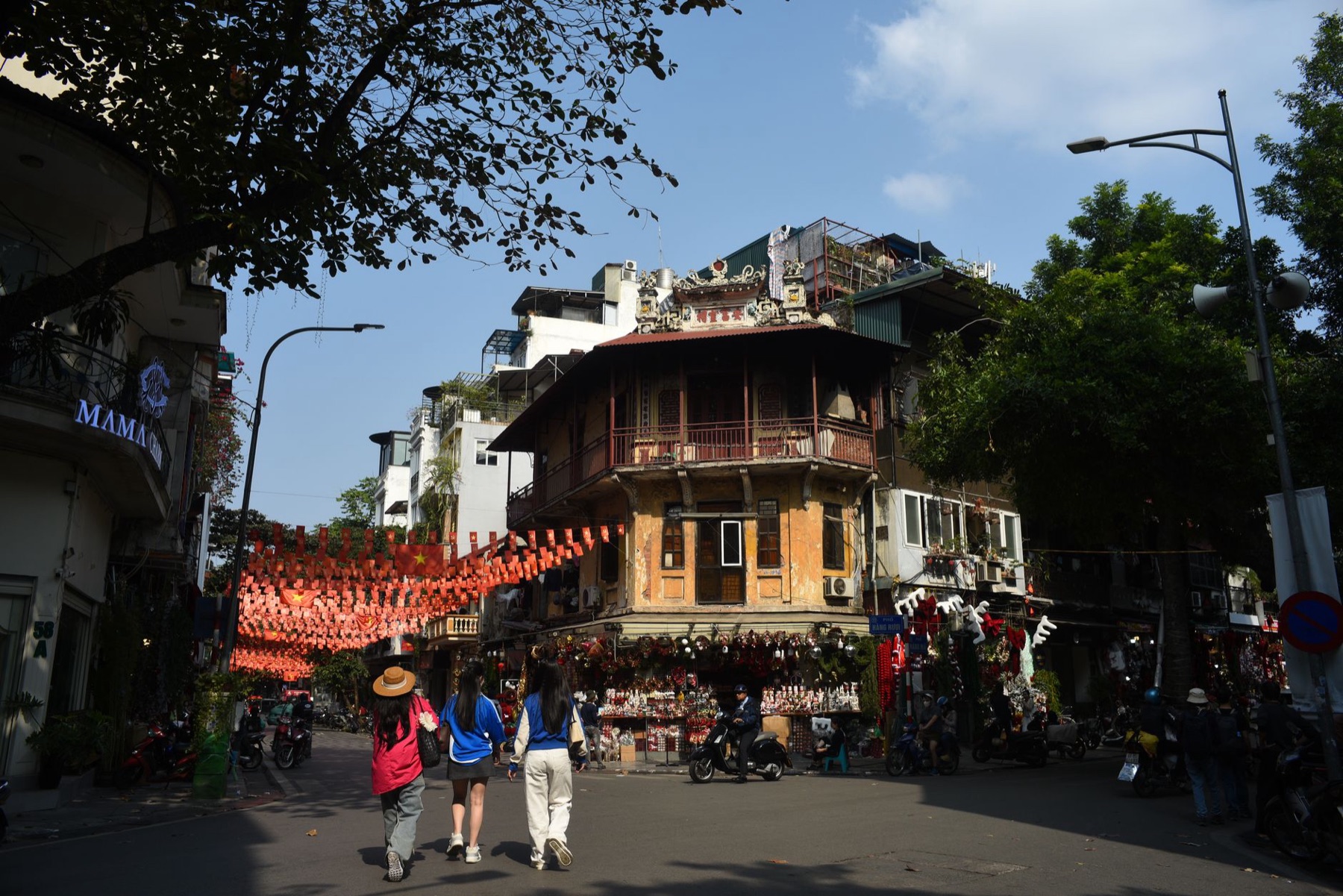
The Old Quarter (Hang Dao, Hang Buom, Hang Ngang streets, Hoan Kiem District) is Hanoi's most photographed zone—and deservedly so. Thirty-six ancient guilds once monopolized single trades per street: silk, silver, tin, coffins. Today those names linger as street-label ghosts. Ground-floor stalls still sell religious offerings, dried snake, motorbike parts alongside tourist-trap ao dai shops and restaurants charging triple for pho tourists film for Instagram.
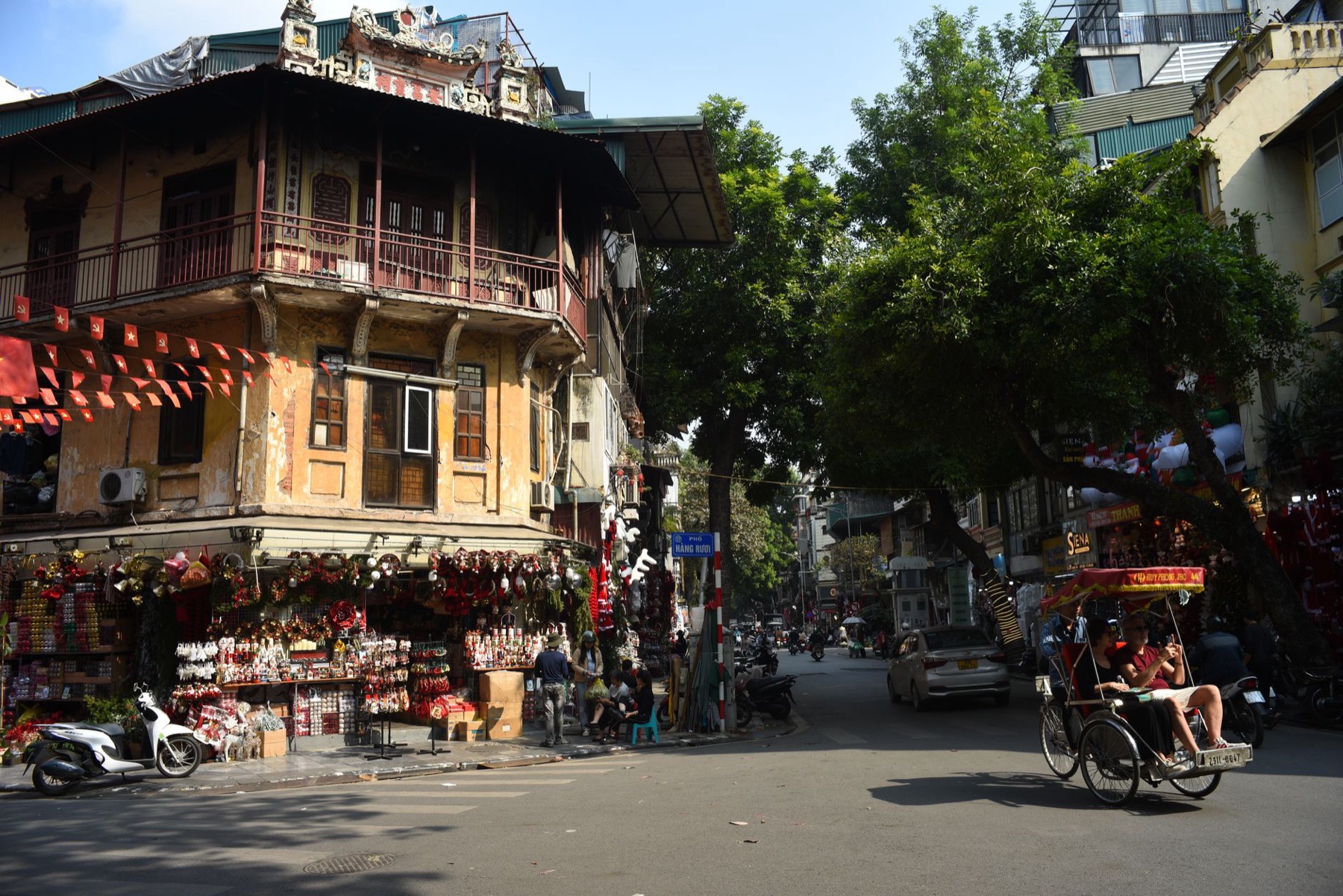
Real strategy: Enter via Hang Ngang or Hang Dao early (6–7 a.m.) to photograph empty lanes, watch neighborhood residents shop breakfast, sit at a pho stall for around 40,000–50,000 VND (USD $1.60–2). By 9 a.m., tour groups swarm; by 11 a.m., heat drives crowds to aircon. The western edge (Nguyen Sieu, Ta Hien streets) is relentlessly touristy—budget guesthouses, backpacker bars playing reggae—but necessary for people-watching. Scam alert: cyclo (hand-pulled cart) drivers offering "tours" often demand 500,000+ VND ($20) after a ride, claiming it was a tour price, not transport. Agree on fixed fares in advance or use Grab (ride-hail app).
🎟️ Compare tours & tickets for this place
What Makes Hoan Kiem Lake Worth Your Time?
Hoan Kiem (Sword Lake) sits in Hanoi's geometric heart. The Turtle Tower (Thap Rua) rises on a small island; the Ngoc Son Temple occupies the northern shore. These are more photogenic than spiritually moving, but the surrounding experience—dawn tai chi circles, old men fishing from the promenade, cafes with views across the water—is the real draw.
Open 24/7, free entry (temple donation optional, 10,000 VND suggested). The eastern shore path is widest, least crowded, best for walking. The Huc Bridge (red wooden footbridge to Ngoc Son Temple) is iconic but photographed daily by 10,000 people; you're rarely alone. The southern shore hosts street food vendors and younger crowds. Don't swim—lake water quality is poor. Avoid the "free tour guides" offering to take your photo and then demanding money. Use your own phone or ask a genuine-looking family, not a person loitering near the tower.
The lake's true value: sit at a cafe for an hour (coffee around 30,000–50,000 VND, $1.20–2) and watch Hanoi's rhythm. Residents prioritize this space as theirs; tourists are secondary. That perspective shift matters.
Which Temples Actually Repay a Visit?
Hanoi has hundreds of temples. Most follow identical layouts: incense smoke, prayer halls, donation boxes, souvenir stalls. Unless you're studying Buddhist architecture, six temples max; beyond that, diminishing returns.
Worth your time:
- Tran Quoc Temple (Thanh Tay Ward, Tay Ho District): Vietnam's oldest temple (6th century), lakeside on the Red River's western bank. Reach by taxi or bus #6 toward Tay Ho. Opening hours: 8 a.m.–5 p.m. Real atmosphere, fewer tourists than central temples. Entry free, donations welcome. Allow 45 minutes.
- One Pillar Pagoda (Ba Dinh District): Single wooden pillar supporting a temple; minimalist, historically loaded. 15-minute visit. Crowds are intense; go by 7 a.m. or skip. Included in most Ba Dinh District temple circuits.
- Quan Thanh Temple (Ba Dinh District): Less crowded, quiet courtyard, genuine worshippers. Morning light is excellent. Free entry. 30-minute visit.
- Thay Pagoda (Thach That District, 30 km southwest): Requires a half-day trip by Grab or organized tour, but stunning setting in limestone foothills. Water puppet performances (occasional, weekends; verify in advance). Worth the journey if you have flexibility.
Honest take: If you've seen two temples, you've seen the architecture. The third becomes repetitive unless you're a Buddhist practice participant or historian. Allocate time to neighborhoods instead.
What's the Best Time to Visit Street Markets?
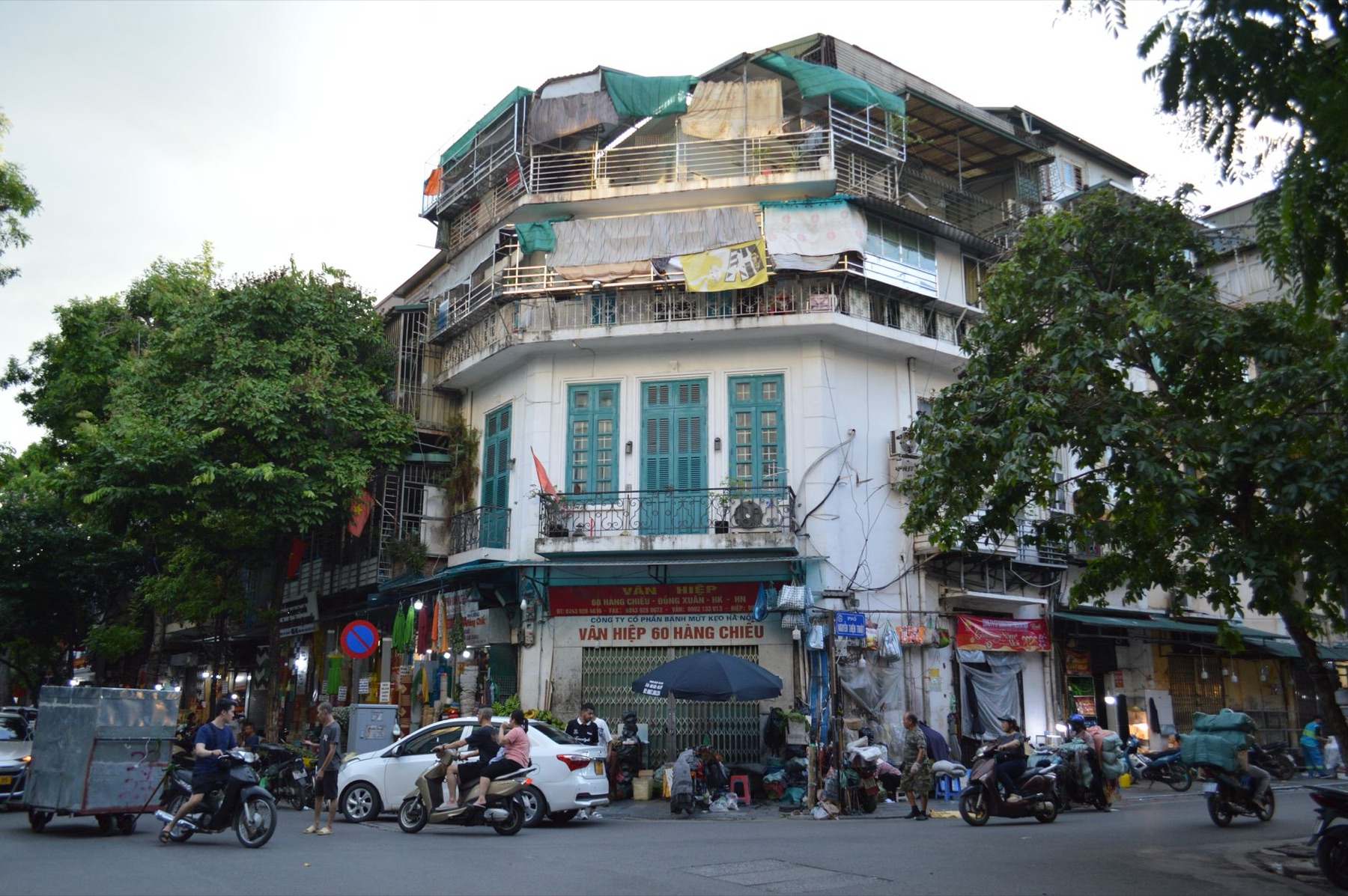
Hanoi's markets—Dong Xuan, Hom Market, Bat Trang (ceramics suburb)—feel touristy during mid-day hours but are genuinely neighborhood spaces in early morning.
Market visit checklist:
- Go 6–8 a.m. before tour groups. Vendors are setup mode; locals shop; energy is real.
- Bring small denominations: 10,000, 20,000, 50,000 VND notes. Markets rarely take cards.
- Photograph respectfully: Ask vendors before shooting. Many allow it; some don't.
- Try a coffee or juice at a stall: Around 20,000–30,000 VND ($0.80–1.20), unfiltered and authentic.
- Haggle only on souvenirs, not food: Food vendors price fairly for locals; negotiating insults their livelihood.
- Eat breakfast at the market: Sticky rice with pork (xoi man), banh cuon (rolled pancakes), egg drop soup. Around 25,000–40,000 VND per item ($1–1.60).
Bat Trang ceramics suburb (Gia Lam District, east of Red River): Day trip, 40 minutes by Grab. Pottery workshops open 7 a.m.–5 p.m. Prices are wholesale; quality varies wildly. Real ceramicists sell direct; tourist shops markup 3–5x. Ask your guesthouse to recommend a workshop (not shop). Tour operators often bundle this with Ha Tay countryside, making it a half-day experience.
🗺️ Plan your route: Vietnam itinerary
How Do Neighborhoods Compare by Vibe & Time Investment?
| Neighborhood | Best for | Time needed | Vibe | Scam risk | Crowd level |
|---|---|---|---|---|---|
| Old Quarter | Street food, chaos, photos | 3–4 hours | Frenetic, sensory overload | High (cyclos, guides) | Peak (9 a.m.–5 p.m.) |
| Hoan Kiem | Lake, temples, cafes, morning rhythm | 2–3 hours | Calm, meditative, social | Medium (fake guides) | Peak (7 a.m.–6 p.m.) |
| Ba Dinh | Mausoleum, temples, colonial villas | Half day | Ceremonial, quieter streets | Low | Low–medium |
| French Quarter (West of Hoan Kiem) | Coffee, colonial architecture, bookstores | 2–3 hours | Genteel, expatriate hangout | Low | Low–medium |
| Tay Ho (Lakeside, northwest) | Upscale cafes, sunset walks, expat dining | 2–3 hours | Trendy, leafy, pricey | Low | Low |
| Long Bien Bridge district | Industrial heritage, riverside walks, local eateries | 2 hours | Gritty, authentic, few tourists | Low | Very low |
| Bat Trang (east, suburb) | Pottery workshops, factory tours, ceramics | Half day | Village-like, artisanal | Low | Low |
Real recommendation: Two days in Old Quarter + Hoan Kiem, one day Ba Dinh temples, one morning in French Quarter + one evening in Tay Ho for sunset. Long Bien Bridge and Bat Trang are optional depth. This leaves 5+ days for day trips to Ha Long Bay, Ninh Binh, Sapa, or sitting in neighborhood cafes without rushing.
What Should I Actually Skip in Hanoi?
Tourist brochures recommend Hoa Lo Prison Museum and the Thang Long Water Puppets theater as must-sees. Both are overcrowded, overpriced, and not representative of real Hanoi.
Hoa Lo Prison: Historic French colonial jail, now a museum. Entry around 50,000 VND ($2). Genuine historical interest (Vietnam War context), but exhibits are repetitive; it's a one-hour max. Only go if you're deep into Vietnamese history.
Water puppet shows: Performed in a small theater on Dinh Tien Hoang Street, Hoan Kiem District. Entry 100,000–150,000 VND ($4–6) per ticket. Performances are 40 minutes; the craft is charming in concept but uninvolving if you don't speak Vietnamese. Tour groups flood evening slots. If you want to see it, go to a 3 p.m. matinee; skip if time is tight.
Skip entirely:
- Fake designer market tours (tourists are herded to counterfeit shops; police occasionally raid).
- "Cyclo wine tours" (overpriced wine at inflated venues; Grab + proper bar is cheaper).
- Hanoi street food cooking classes (generic recipes; real food skills come from eating slowly and asking vendors, not 3-hour packages).
Better use of time: Sit in a cafe for two hours. Walk a neighborhood at 6 a.m. Talk to a shop owner. This is how Hanoi reveals itself.
---
What to Check Before You Buy Hanoi Experiences
If booking tours or activities online, verify:
- Cancellation policy: 48-hour notice is standard; avoid non-refundable bookings.
- Group size: Tours with 15+ people are less memorable; aim for max 8.
- Time flexibility: Rigid schedules (9 a.m.–12 p.m.) miss authentic hours (6–8 a.m.).
- Language: English-speaking guides vary in quality; read recent reviews on Google Maps, not the vendor's site.
- Inclusions: Clarify whether lunch, entrance fees, or transportation is covered. "Free tour" often means tips are expected (100,000–200,000 VND per person).
---
📸 Book an ao dai photoshoot in Hanoi or Saigon (Cáo Studio)
A keepsake from Hanoi: wear an ao dai (traditional silk tunic), have professional photos taken in Hoan Kiem's early light or Ba Dinh's villa streets, receive edited photos within a week. This is more memorable than souvenir trinkets and costs similar to fine dining.
---
Practical Essentials for Navigating Hanoi
Getting around: Download Grab (rideshare app), Google Maps, and check Vietnam eSIM options before arrival to keep data active. Motorbike taxis (xe om) are cheap (around 10,000–20,000 VND per short trip, $0.40–0.80) but chaotic; Grab is safer and traceable.
Money: ATMs are ubiquitous; withdraw in 100,000 or 500,000 VND increments to reduce transaction fees. Many small eateries don't accept cards; cash is essential.
Visa & entry: Most visitors require a Vietnam e-visa (online, processed in 3 days, around $25) unless you hold passport of visa-exempt country.
Stay duration: Hanoi rewards 4–6 days. Rushing through in 2 days misses its rhythm; staying 8+ days without side trips becomes repetitive.
Connecting onward: Hoi An (2.5 hours by air or 16 hours by overnight bus), Ha Long Bay (3.5 hours by car), and Sapa (5 hours by train) are accessible from Hanoi. Consider a Vietnam itinerary planner to chain sites logically.
---
🎟️ Compare tours & tickets for this place
The core truth about Hanoi: its attractions (temples, lakes, markets) are the scaffolding. The real experience is time spent nowhere specific—sitting, watching, returning to the same pho vendor, learning rhythm over tourism speed. That's what separates visitors from travelers.
FAQ
Is the Old Quarter safe to walk alone at night?
Yes. Street-level lighting is adequate, and locals are everywhere. Motorbike traffic thins after 10 p.m. Avoid carrying expensive cameras or large cash amounts. Stick to main streets (Hang Dao, Hang Buom); alleys are less lit and harder to navigate. Women traveling solo are generally treated with respect; use standard urban awareness (don't flash valuables, stay aware).
How much time do I actually need for Hanoi temples?
Two temples max per day; allow 30–45 minutes each. By the third temple, you're repeating incense, prayer halls, and donation mechanics. Allocate one half-day to Ba Dinh District temples (Tran Quoc, One Pillar, Quan Thanh on the same route, 3–4 hours total) instead of spreading temple visits across multiple days.
What's genuinely different between Hanoi and Ho Chi Minh City?
Hanoi moves slower, preserves colonial architecture, has lakes and seasons, and feels historically layered. Ho Chi Minh City is faster-paced, more commerce-driven, and modern. If you have time for only one city, choose Hanoi for atmosphere; choose Ho Chi Minh City for energy and beaches nearby. Ideally visit both (2 flights daily, around 1.5 hours, $30–60 per ticket).
Are organized tours better than exploring Hanoi solo?
Solo is better. Tours herd you to crowded sites at peak hours. Self-guided walking (with Google Maps) lets you linger, skip overrated spots, eat lunch at neighborhood stalls, and find cafes locals use. If you want background context, hire a private guide for one day (around $50–80 per person) rather than joining group tours.
What food should I eat in Hanoi that I can't find elsewhere?
Egg coffee (ca phe trung, whipped egg-yolk on espresso, unique to Hanoi, around 40,000 VND), pho (beef noodle soup, best eaten at 6–7 a.m. for hot broth), banh cuon (rolled pancakes filled with pork and shrimp), and snail soup (canh oc, labor-intensive, rarely made outside Hanoi). Street stalls in the Old Quarter, Hang Manh area, and night markets (Tuesday–Sunday 6–11 p.m. at Hang Chieu) are cheapest. Fine-dining Hanoi restaurants (Hanoi House, Madame Hien, etc.) cost 300,000+ VND ($12+) per dish; street food is better value and flavor.
How do I avoid cyclo and xe om (motorbike taxi) scams?
Use Grab exclusively for rides. If you choose cyclo for the experience, agree on price beforehand (typical 15-minute ride = 50,000 VND, $2). Do not accept offers to see "villages" or extended tours from cyclo drivers—these often end with fake-gem shops or inflated bills. Xe om drivers sometimes refuse to turn on meters or claim the meter is broken; use Grab to avoid dispute.
FAQ
Is the Old Quarter safe to walk alone at night?
Yes. Street-level lighting is adequate, and locals are everywhere. Motorbike traffic thins after 10 p.m. Avoid carrying expensive cameras or large cash amounts. Stick to main streets (Hang Dao, Hang Buom); alleys are less lit and harder to navigate. Women traveling solo are generally treated with respect; use standard urban awareness (don't flash valuables, stay aware).
How much time do I actually need for Hanoi temples?
Two temples max per day; allow 30–45 minutes each. By the third temple, you're repeating incense, prayer halls, and donation mechanics. Allocate one half-day to Ba Dinh District temples (Tran Quoc, One Pillar, Quan Thanh on the same route, 3–4 hours total) instead of spreading temple visits across multiple days.
What's genuinely different between Hanoi and Ho Chi Minh City?
Hanoi moves slower, preserves colonial architecture, has lakes and seasons, and feels historically layered. Ho Chi Minh City is faster-paced, more commerce-driven, and modern. If you have time for only one city, choose Hanoi for atmosphere; choose [Ho Chi Minh City](/ho-chi-minh-city) for energy and beaches nearby. Ideally visit both (2 flights daily, around 1.5 hours, $30–60 per ticket).
Are organized tours better than exploring Hanoi solo?
Solo is better. Tours herd you to crowded sites at peak hours. Self-guided walking (with Google Maps) lets you linger, skip overrated spots, eat lunch at neighborhood stalls, and find cafes locals use. If you want background context, hire a private guide for one day (around $50–80 per person) rather than joining group tours.
What food should I eat in Hanoi that I can't find elsewhere?
Egg coffee (ca phe trung, whipped egg-yolk on espresso, unique to Hanoi, around 40,000 VND), pho (beef noodle soup, best eaten at 6–7 a.m. for hot broth), banh cuon (rolled pancakes filled with pork and shrimp), and snail soup (canh oc, labor-intensive, rarely made outside Hanoi). Street stalls in the Old Quarter, Hang Manh area, and night markets (Tuesday–Sunday 6–11 p.m. at Hang Chieu) are cheapest. Fine-dining Hanoi restaurants (Hanoi House, Madame Hien, etc.) cost 300,000+ VND ($12+) per dish; street food is better value and flavor.
How do I avoid cyclo and xe om (motorbike taxi) scams?
Use Grab exclusively for rides. If you choose cyclo for the experience, agree on price beforehand (typical 15-minute ride = 50,000 VND, $2). Do not accept offers to see "villages" or extended tours from cyclo drivers—these often end with fake-gem shops or inflated bills. Xe om drivers sometimes refuse to turn on meters or claim the meter is broken; use Grab to avoid dispute.
More: Hanoi guide · Things to do in Hanoi