Hanoi · Things to do
What to See in Hanoi: Streets, Sites & Real Local Tips
By Wander in Vietnam editorial team · Hanoi, Vietnam
Hanoi rewards curiosity and blisters. Most visitors spend 2–3 days in the Old Quarter, miss half the city, then leave underwhelmed. Here's where the real Hanoi actually lives—and what to skip entirely.
Where Do Hanoi's Best Neighbourhoods Actually Sit?
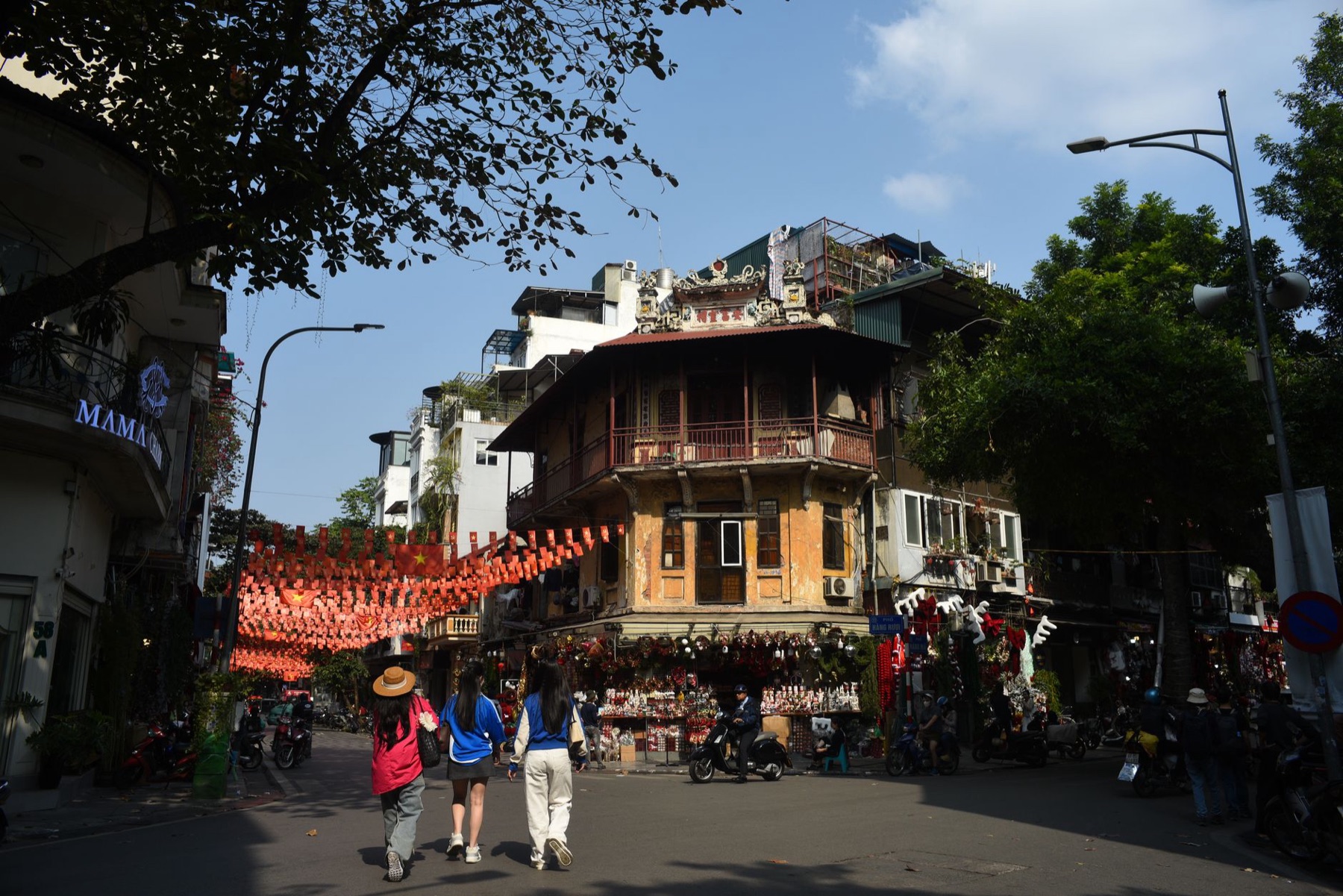
The Old Quarter (Hoan Kiem district, 36 streets named after goods: silk, silver, bird, etc.) is mandatory: sunrise tai chi by Hoan Kiem Lake, coffee at a plastic stool around 5 a.m., chaos by 8 a.m. Walk Hang Dao (the actual fabric street), Hang Gai (silk), Hang Ngang (pre-colonial treasures and reproductions). Avoid Hang Trong after 9 a.m.—tourists only, inflated prices.
Ba Dinh district holds Ho Chi Minh Mausoleum (entry ~around 50,000 VND / $2 USD, dress code strict), the nearby Ho Tay (West Lake) promenade, and quieter streets like Ly Thai To with surviving French colonial villas. Walk here at dawn; afternoon crowds are insufferable.
Hoan Kiem district extends beyond the lake: Luong Van Can Street for secondhand books and antique maps, Nha Tho Street for tiny Catholic cathedral and organic cafes. Spend an afternoon here without rushing.
Tran Phu and Dien Bien Phu Streets (still Old Quarter) lead to real silk workshops and a working lacquerware studio; you'll see pieces being made, not just sold. Ask locals for directions; street signs are unreliable.
📸 Book an ao dai photoshoot in Hanoi or Saigon (Cáo Studio)
What Religious & Historical Sites Are Worth Your Time?
Hoan Kiem Lake itself is not a sight—it's the spine of Hanoi life. Sunrise tai chi (5–6 a.m.) is free and mesmerizing; the Turtle Tower on the lake's middle island is viewable but closed to entry. Walk the perimeter at dawn, avoid midday tourist ferries.
Ho Chi Minh Mausoleum (Ba Dinh district): queue opens 7 a.m., closes noon. Entry around 50,000 VND ($2 USD). Shoulders uncovered, shorts banned, cameras forbidden inside. Lines move fast. Plan 30 minutes, not 2 hours.
Temple of Literature (Van Mieu) (Dong Da district, Quoc Tu Giam Street): Vietnam's first university (1070). Authentic and less mobbed than the Mausoleum. Entry around 75,000 VND ($3 USD). Spend 90 minutes in courtyards and scholar gardens; the museum is skippable.
Tran Quoc Pagoda (on the peninsula dividing Ho Tay and Truc Bach Lake): Hanoi's oldest temple, rebuilt many times. Free entry, genuinely serene, especially early morning. Motorbike or taxi needed; most tourists miss it entirely. Locals come to pray, not pose.
One Pillar Pagoda (Ba Dinh district, near the Mausoleum): 11th-century wooden structure. Tiny, 10 minutes to see. Free, often overlooked. Go immediately after the Mausoleum (same compound area).
St. Joseph Cathedral (Nha Tho Street, Hoan Kiem): Gothic-French from 1887. Entry free outside Mass hours (Sundays 10 a.m., 4 p.m.). Best light at sunset; sit in the square with a coffee afterwards.
Which Street-Food Stops Separate Tourists From Eaters?
Pho Bo at 49 Bat Dan Street (Old Quarter, Hoan Kiem district): family-run since the 1950s. Broth simmers 12+ hours. Bowl ~around 60,000 VND ($2.50 USD). Opens 6 a.m., sells out by 11 a.m. Cash only. Arrive before 8 a.m.
Egg Coffee (Cafe Giang, upstairs on Hang Gai): tourist-famous but genuinely good. ~around 35,000 VND ($1.50 USD). The yolk foam is whipped by hand, not mechanized. Go early morning; the owner moves the operation by early afternoon.
Fish Cake at Cha Ca La Vong Street (Hoan Kiem district, near Hang Dao): the entire street sells one dish. Pick the stall with the longest queue. ~around 80,000–120,000 VND ($3.50–5 USD) per plate. Grilled fish cakes, tofu, herbs, vermicelli. Lunch only (11 a.m.–2 p.m.).
Night Markets in Dong Xuan: Friday–Sunday after 6 p.m., behind Dong Xuan Market (Old Quarter). Street vendors, live music, zero tourists. Spring rolls, grilled meat, desserts. ~around 20,000–40,000 VND per item (80 cents–$1.70 USD).
Hang Thiec Roasted Chicken Alley (Hoan Kiem district, tight alley off Hang Dao): family shops roasting birds over charcoal. ~around 150,000 VND ($6 USD) per whole bird. Dine standing or squatting; locals only. Dinner from 4 p.m.
🗺️ Plan your route: Vietnam itinerary
How Do You Move Around Without Taxis Overcharging You?
Grab App (SE Asia's Uber): reliable, meter-based, GPS-tracked. Driver rates drop after 11 p.m. ~around 30,000–80,000 VND ($1.25–3.50 USD) for 3–5 km journeys. No surge pricing like taxis claim.
Motorbike Rental: ~around 150,000–250,000 VND ($6–10 USD) per day for a 100cc automatic (safe for tourists). Rent from your guesthouse; big rental chains inflate prices. Helmet use mandatory (enforced at checkpoints). Parking at Old Quarter alleys costs ~around 10,000 VND ($0.40 USD).
Bicycle Rental: ~around 50,000–100,000 VND ($2–4 USD) per day. Old Quarter is rideable dawn–7 a.m. only. After 8 a.m., too chaotic. Cycle to suburbs, temples, and villages instead.
Walking: the only way to truly see Hanoi. Wear comfortable shoes, bring water, map offline (Google Maps unreliable for narrow alleys). Sunrise walks (5–7 a.m.) are coolest and emptiest.
What Day-Trip Villages & Outlying Sites Are Worth the Motorbike Ride?
Bat Trang Ceramic Village (Gia Lam district, ~15 km east): entire village hand-throws pottery and glazes it. Watch artisans work, buy firing-warm bowls and plates. ~around 100,000–300,000 VND ($4–12 USD) per piece. Motorbike 30 minutes, return by lunchtime. Skip tourist buses; ride your own or hire a motorbike guide.
Duong Lam Ancient Village (Ha Tay province, ~30 km west): preserved 10th-century Vietnamese hamlet. Tile-roofed homes, stone streets, no cars. Entry ~around 50,000 VND ($2 USD). Motorbike 1 hour. Walk the village, eat com tam (broken rice) at locals' homes, buy hand-woven textiles from resident weavers.
Water-Puppet Shows (traditional thang roi nuoc): performances nightly at Thang Long Water Puppet Theatre (Dinh Le Street, Hoan Kiem district). Entry ~around 150,000–250,000 VND ($6–10 USD). 50-minute show with live musicians. Book online to skip line. Shows 3 p.m., 5 p.m., 8 p.m.
Ho Tay (West Lake) circuit: rent a motorbike, loop the entire lake (15 km). Stop at Tran Quoc Pagoda (north shore), Yen Phu flower market (west, early morning only), cafes on Sheraton peninsula. Full loop 3 hours.
How Do Keepsake Gifts Capture Your Hanoi Experience?
Buying things in Hanoi matters only if they connect to where you've been and what you've learned.
| Gift Type | Where to Buy / Who It's For | Real Reason It Works |
|---|---|---|
| Silk scarves or fabric | Hang Gai Street workshops (watch looms operate) | You've seen the weaver; fabric carries their labor. |
| Hand-thrown ceramic bowls | Bat Trang village (motorbike day trip, buy warm from kiln) | Tangible link to the artisan's hands. |
| Lacquerware (decorative box, coaster set) | Tran Phu Street workshops or Hoan Kiem antique shops | Takes 6–12 months to finish; holds real time. |
| French-colonial era postcards & maps | Luong Van Can Street secondhand stalls | Hanoi's visual history, cheaper than new books. |
| Ao dai fabric or custom tailoring | Old Quarter tailors (Hang Gai, Hang Ngang); commission a piece | Personal garment, sewn to your measurements. |
| Water-puppet figurines | Direct from Thang Long Theatre gift shop | Handcrafted, authentic props; not mass-produced. |
| Local coffee (egg-coffee powder kit) | Cafe Giang (Hang Gai) or Cau Go Coffee (Ba Dinh) | Reproducible ritual; tastes like mornings in Hanoi. |
🎟️ Compare tours & tickets for this place
What to Check Before You Buy Keepsakes or Book Experiences
- Silk and textiles: ask if dyed naturally or chemically (natural fades differently; check with the weaver first). Prices vary wildly; negotiate only if you're buying multiple pieces.
- Ceramics from Bat Trang: check the glaze for cracks under light; freshly fired pieces are fragile. Wrap in bubble wrap yourself; vendors' wrapping is tissue-thin.
- Water-puppet tickets: book online (Thang Long's official website) or through your guesthouse. Avoid street touts selling "discount" tickets (they're counterfeit or redirect you to wrong shows).
- Motorbike rentals: request a bike under 110cc, automatic only. Test the brakes and lights before leaving. Carry a helmet and your passport copy (police checkpoints are frequent near temples).
- Restaurant addresses: Google Maps pinning is often off by 50 m; ask locals to point you to the alley. Old Quarter signs are intentionally hard to read (vendors share secrets).
- Sunrise tai chi at Hoan Kiem: no registration needed; just show up at 5 a.m. near the lake's southeast corner. Locals don't speak English; smile and mimic movements.
---
More Vietnam Travel Guides
Hanoi Complete Guide • Ho Chi Minh City Travel Tips • Hoi An Ancient Town • Ha Long Bay Overnight Cruises • Ninh Binh Limestone Hikes • Sapa Trek & Villages • Vietnam eSIM & Data • Vietnam E-Visa Guide
---
FAQ
How many days should I spend in Hanoi?
Four to five days minimum. Day 1–2: Old Quarter and Hoan Kiem Lake (walking, pho, coffee). Day 3: Ba Dinh temples and Ho Tay motorbike loop. Day 4: Bat Trang or Duong Lam village day trip. Day 5: revisit favorite alleys, water-puppet show evening.
Is the Old Quarter safe to walk alone at night?
Yes, but avoid walking alone after midnight. Stick to lit main streets (Hang Gai, Hang Dao). Motorbikes are fastest at 10 p.m.–4 a.m.; grab an Uber-style Grab ride instead. Bag snatching is rare if you don't flash phones or cameras.
What's the cheapest and best way to eat breakfast in Hanoi?
Pho from a street stall (6–7 a.m.) costs around 50,000–70,000 VND ($2–3 USD). Or banh mi from a corner shop (around 25,000–35,000 VND / $1–1.50 USD). Avoid hotel breakfasts; they're triple the price for half the authenticity.
Can I visit the Mausoleum if I'm wearing shorts?
No. Shoulders and knees must be covered. Wear long pants and a shirt with sleeves. Cameras are forbidden inside the mausoleum itself; your phone will be collected at the entrance and returned on exit.
Should I haggle with taxi drivers or use Grab?
Always use Grab. Traditional taxis add fake surcharges and take indirect routes. Grab's meter is transparent and GPS-tracked. Expect around 30,000–80,000 VND ($1.25–3.50 USD) for typical Old Quarter to Ba Dinh journeys.
Which guesthouses in the Old Quarter are actually quiet?
Most are not. Avoid streets directly above bars (Hang Ngang, Hang Dao after 9 p.m.). Book on quieter side alleys or move to Ba Dinh district if you need sleep. Ask at check-in about noise levels; honest owners will direct you upstairs (farther from street).
Is water in Hanoi tap water safe to drink?
No. Boil it or buy bottled water (10,000 VND / $0.40 USD per large bottle). Ice in street food is made from tap water; risk stomach issues. Reputable restaurants use filtered ice, but ask before ordering.
How do I find authentic silk workshops versus tourist traps?
Walk Hang Gai, Hang Ngang, and Tran Phu Streets at 8–10 a.m. Real workshops have looms visible from the street and locals inside (not tour guides). Ask to see the weaving process; genuine places happily demonstrate. Tourist traps have no looms visible and pressure you to buy immediately.
FAQ
How many days should I spend in Hanoi?
Four to five days minimum. Day 1–2: Old Quarter and Hoan Kiem Lake (walking, pho, coffee). Day 3: Ba Dinh temples and Ho Tay motorbike loop. Day 4: Bat Trang or Duong Lam village day trip. Day 5: revisit favorite alleys, water-puppet show evening.
Is the Old Quarter safe to walk alone at night?
Yes, but avoid walking alone after midnight. Stick to lit main streets (Hang Gai, Hang Dao). Motorbikes are fastest at 10 p.m.–4 a.m.; grab an Uber-style Grab ride instead. Bag snatching is rare if you don't flash phones or cameras.
What's the cheapest and best way to eat breakfast in Hanoi?
Pho from a street stall (6–7 a.m.) costs around 50,000–70,000 VND ($2–3 USD). Or banh mi from a corner shop (around 25,000–35,000 VND / $1–1.50 USD). Avoid hotel breakfasts; they're triple the price for half the authenticity.
Can I visit the Mausoleum if I'm wearing shorts?
No. Shoulders and knees must be covered. Wear long pants and a shirt with sleeves. Cameras are forbidden inside the mausoleum itself; your phone will be collected at the entrance and returned on exit.
Should I haggle with taxi drivers or use Grab?
Always use Grab. Traditional taxis add fake surcharges and take indirect routes. Grab's meter is transparent and GPS-tracked. Expect around 30,000–80,000 VND ($1.25–3.50 USD) for typical Old Quarter to Ba Dinh journeys.
Which guesthouses in the Old Quarter are actually quiet?
Most are not. Avoid streets directly above bars (Hang Ngang, Hang Dao after 9 p.m.). Book on quieter side alleys or move to Ba Dinh district if you need sleep. Ask at check-in about noise levels; honest owners will direct you upstairs (farther from street).
Is water in Hanoi tap water safe to drink?
No. Boil it or buy bottled water (10,000 VND / $0.40 USD per large bottle). Ice in street food is made from tap water; risk stomach issues. Reputable restaurants use filtered ice, but ask before ordering.
How do I find authentic silk workshops versus tourist traps?
Walk Hang Gai, Hang Ngang, and Tran Phu Streets at 8–10 a.m. Real workshops have looms visible from the street and locals inside (not tour guides). Ask to see the weaving process; genuine places happily demonstrate. Tourist traps have no looms visible and pressure you to buy immediately.
More: Hanoi guide · Things to do in Hanoi