Hanoi · Things to do
What to See in Hanoi, Vietnam: A Resident's Honest Guide #
By Wander in Vietnam editorial team · Hanoi, Vietnam
Why Hanoi Rewards Slow Exploration (Not Speed Tourism)
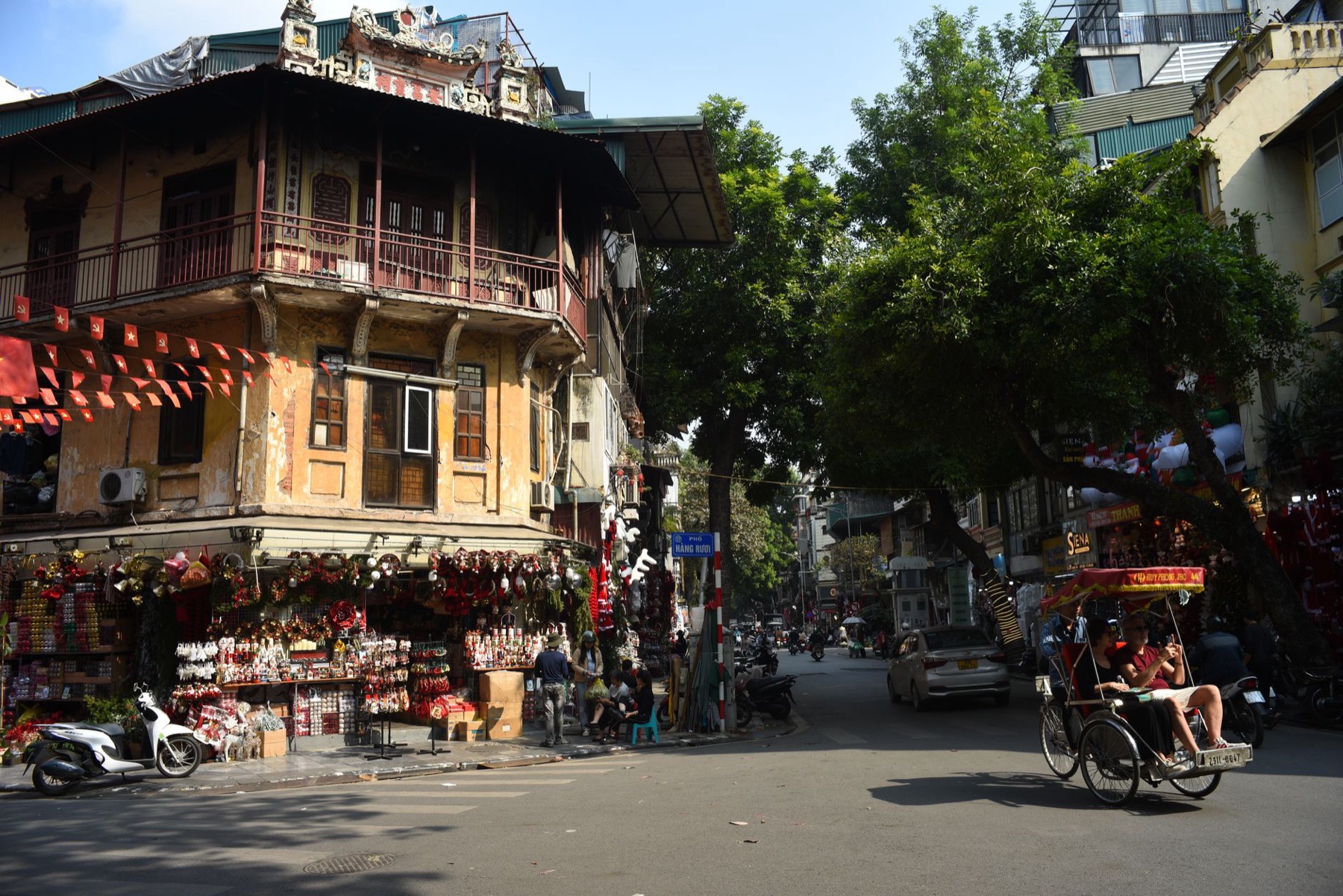
Most first-time visitors hit 8–10 sites in 2 days and leave exhausted. Real Hanoi unfolds differently. You stumble on a hidden pho stall in Hang Buom Street, overhear an old woman haggling at Dong Xuan Market, or watch tai chi at dawn on the Hoan Kiem waterfront. The magic is in the rhythm, not the checklist. Spend mornings walking; afternoons resting at a cafe; evenings in one neighborhood for dinner. This pace lets you actually notice the layers—French villas, Soviet-era apartments, new silk hotels, street vendors all stacked together.
We recommend structuring your visit by neighborhood rather than by "tops list." Each area has its own character, cost, and rhythm.
🗺️ Plan your route: Vietnam itinerary
Where Should You Stay to Maximize Walking Access?
Old Quarter (Hoan Kiem District) puts you within 10–15 minutes of most historical sites and keeps you in the social hub, though it's noisier and pricier. Tay Ho (West Lake) offers a calmer, more local pace with cafes, Vietnamese families, and lower prices—but fewer monuments. French Quarter (near Ly Thai To, Trang Tien) splits the difference: quieter than Old Quarter, walkable to temples and the lake, with better restaurants. Hoang Mai is too far north; New Districts beyond Tran Dang Ninh are mall-centric and uninteresting for a first visit.
Stay for 3+ nights to avoid feeling rushed. Move your base once if you want contrast (e.g., 2 nights Old Quarter, 2 in Tay Ho).
Which Temples, Lakes, and Landmarks Actually Matter?
Hoan Kiem Lake & Turtle Tower
Open dawn to sunset. Free to walk the shore; small fee (~25,000 VND, ~$1.20 USD) to enter Jade Island via the red bridge. The Turtle Tower sits on a small island and is best viewed from the shore at sunrise. Skip the mid-day crowds; come 6–7 a.m. to see tai chi, locals swimming, and the light soft on the water.
Tran Quoc Pagoda (Golden Buddha Temple)
On a quiet promontory between Hoan Kiem and Ho Tay, this is Hanoi's oldest pagoda (6th century). Entry around 10,000 VND (~$0.50 USD). Mornings are peaceful; afternoons crowded with tour groups. The views over the lakes and the monks' chanting create a contemplative mood. Genuinely spiritual, not commercialized.
Ho Tay (West Lake) & Tay Ho Waterfront
Hanoi's largest lake, 17 km around. Walk the western shore through Tay Ho village—cafes, flower vendors, small temples, and Vietnamese family life. More authentic than Hoan Kiem, fewer selfie sticks. Rent a bike and loop the water for an afternoon. Sunset drinks at a lakeside cafe cost 30,000–60,000 VND (~$1.50–$3 USD) for coffee or beer.
Ho Chi Minh Mausoleum Complex
Ba Dinh District. The mausoleum itself is open Tuesday–Thursday and weekend mornings (closed Mondays, Fridays, most afternoons). Dress respectfully—covered shoulders, no hats, no photos inside. Free entry, but security queues are long. The surrounding area includes Ho Chi Minh's house, the Presidential Palace grounds, and Botanical Gardens. Most visitors skip it if they've seen similar monuments; it's historically important but not jaw-dropping architecturally.
St. Joseph's Cathedral & French Quarter Walks
Cathedral entrance free; interior photography sometimes restricted. Built 1886, it's one of Southeast Asia's most intact Gothic structures. Walk the surrounding French Quarter streets (Trang Tien, Ly Thai To, Hang Trong) to see colonial villas, bookshops, and cafes. This is where upper-middle-class Hanoi works and eats. Stop for coffee at a heritage cafe—expect 20,000–40,000 VND (~$1–$2 USD).
What's Overrated (And What to Skip)?
Skip these tourist traps:
- Hoa Lo Prison Museum: Grim, heavy-handed, and most information is translated poorly. Unless you're deep into Vietnam War history, it's a 2-hour slog. Go instead to the War Remnants Museum in Ho Chi Minh City if you want context.
- Water Puppet Theater: $15–$25 per ticket after booking fees, often fake-friendly audience reactions, awkward seating, and the plots are repetitive. If you're curious, book a matinee (cheaper) rather than peak evening. Otherwise, spend the money on a long dinner in a family-run restaurant.
- Hanoi Hilton (Hoa Lo) as a "must-do": It's mostly a parking lot now; the remaining wall is photographed to death. Walk past in 5 minutes if you're in the area.
- Bat Trang Ceramic Village (Gia Lam District): A 45-minute drive from central Hanoi. Most workshops are now factories selling generic souvenirs. Better to buy ceramics at Dong Xuan Market or a local pottery studio in the Old Quarter.
Genuinely worth your time:
- Hang Silk Street (Hang Lua): Real silk vendors, not mass-produced knock-offs. Prices run 150,000–500,000 VND (~$7.50–$25 USD) per meter; ask for samples and comparisons. Merchants are less pushy than you'd expect.
- Dong Xuan Market (biggest in Hanoi): Open 6 a.m.–6 p.m., 3 stories, cramped and chaotic. Go early for textiles, household goods, and street food. Afternoon is tourist-focused.
How Should You Document & Remember Your Hanoi Visit?
Custom Keepsake Gifts & Prints
Consider pairing your trip with a personalized memory: a star map of Hanoi's night sky on the date you arrived, an engraved wooden photo frame for favorite snapshots, or a canvas print of a neighborhood street you fell in love with. Many travelers order these after returning home, wishing they'd thought of them earlier.
Book a Professional Ao Dai Photoshoot
If you want polished, gallery-ready images of yourself in traditional Vietnamese dress, our sister studio Cáo Studio offers styled ao dai sessions with professional hair and makeup in Hanoi. This adds a narrative layer to your visit—you're not just sightseeing, you're becoming part of the scene.
📸 Book an ao dai photoshoot in Hanoi or Saigon (Cáo Studio)
Document the Everyday
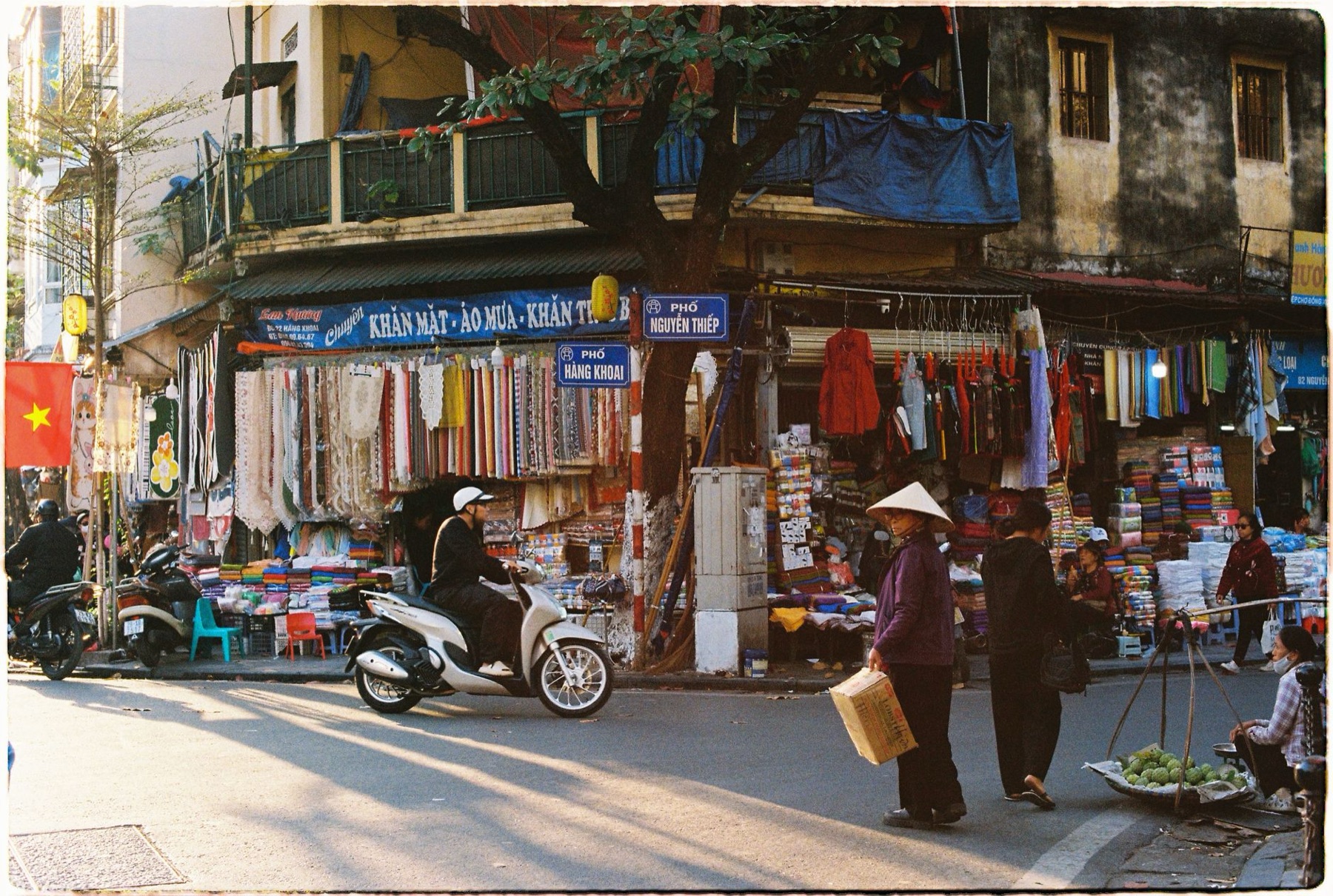
Walk with a camera (phone is fine) and shoot the things guidebooks miss: the grandmother selling flowers at dawn, the cyclo parked in an alley, the reflection of St. Joseph's Cathedral in a puddle. These details become the real memoir of Hanoi.
How to Navigate Hanoi Practically (And Avoid Common Mistakes)
Getting around:
- Grab (ride-sharing app) is safer than hailing cabs; expect 30,000–80,000 VND (~$1.50–$4 USD) for inner-city trips.
- Buses are dirt-cheap (5,000–10,000 VND, ~$0.25–$0.50 USD) but routes are hard to parse if you don't read Vietnamese.
- Rent a motorbike only if you have helmet sense and know Hanoi's traffic rhythm; many tourists underestimate the chaos.
- Walk as much as possible; Hanoi is densest and most rewarding on foot.
Scams to avoid:
- Fake hotel staff at arrivals offering rides; use Grab or a booked pickup.
- "Friendly local" steering you to a tailoring shop or restaurant where they get commission; politely decline.
- Street games like shell-tossing or dice: never play with strangers for money.
- Inflated drink prices at rooftop bars if you don't ask first; always clarify before ordering.
What to bring & do:
- Comfortable walking shoes; Hanoi's pavements are uneven and often wet.
- Get a Vietnam eSIM or local SIM card for Google Maps and Grab—essential.
- Download offline maps of your neighborhoods.
- Cash: many small vendors and markets don't accept cards.
- Sunscreen and a hat; UV is intense even on cloudy days.
Best time to visit: October–November and March–April have mild temperatures (15–25°C, 59–77°F) and low humidity. December–February can feel chill (10–15°C) but is dry. May–September is hot, sticky, and prone to afternoon downpours—book indoor activities.
Comparison Table: Hanoi's Main Neighborhoods
| Neighborhood | Vibe | Best For | Rough Price Range (Daily) | Why Pick It |
|---|---|---|---|---|
| Old Quarter | Chaotic, touristy, noisy | First-timers, history, food | $15–$30 hotel, $3–$8 food | Everything's walkable; social energy |
| Tay Ho (West Lake) | Calm, local, artsy | Cafes, long stays, reflection | $20–$40 hotel, $2–$6 food | Authentic Vietnamese life; fewer tourists |
| French Quarter | Refined, colonial, leafy | Galleries, restaurants, work | $25–$50 hotel, $5–$10 food | Aesthetic beauty; quieter than Old Quarter |
| Ba Dinh | Government, temple-focused | History buffs, daytrips | $10–$25 hotel, $2–$5 food | Mausoleum, Presidential Palace, temples |
| Hoang Mai | Residential, far | N/A for tourists | N/A | Skip unless you live here |
What to Check Before You Finalize Your Hanoi Plans
Before booking your trip, verify:
- Visa requirement: US, UK, Australian citizens can apply for an e-visa online; processing typically 3 business days. Check Vietnam e-visa requirements for your passport.
- Connectivity: Will you buy a local SIM or eSIM? Grab and Google Maps are non-negotiable. Compare Vietnam eSIM plans.
- Weather: Check historical temperatures for your dates; pack accordingly.
- Festival dates: Tet (Lunar New Year, typically late Jan–Feb) shuts down half the city; plan around it if you want restaurants open.
- Accommodation tiers: Budget hostels ($5–$12), mid-range guesthouses ($20–$40), boutique hotels ($50–$100+). Book early in peak months.
- Itinerary cushion: You'll walk more than expected. Build in a slow afternoon most days.
Browse more on the Hanoi guide for restaurant tips, nightlife, and cultural notes. If you're planning a multi-city trip, check our Vietnam itinerary planner to sequence Hanoi with Ha Long Bay, Hoi An, Ho Chi Minh City, and other must-sees.
🎟️ Compare tours & tickets for this place
---
FAQ
How many days should I spend in Hanoi?
Three to four days is the sweet spot. Two days hits the main sites but feels rushed; a week lets you cycle through neighborhoods, revisit favorite cafes, and watch the seasons shift. First-time visitors often say two days feels like two hours in hindsight.
Is Hanoi safe for solo travelers, especially women?
Yes, Hanoi is one of Southeast Asia's safer capitals for solo travelers of any gender. Petty theft and scams exist, but violent crime is rare. Stay alert at night, don't flash cash or jewelry, and trust your instincts about people and places. Join walking groups or book tours if you want community.
Why is Hanoi so chaotic compared to other Vietnam cities?
Hanoi is the oldest inhabited capital in mainland Southeast Asia; layers of history, density, and informal commerce create controlled chaos. Ho Chi Minh City is newer and more sprawling; Hoi An is a preserved town, not a living capital. Hanoi's chaos is the point—it's alive.
Can I see everything in a day trip from Sapa or Ha Long Bay?
No. Hanoi deserves 3+ days of its own. If you're doing a regional circuit, consider Sapa for trekking and highlands (2–3 days), Ha Long Bay for limestone karsts (2 days), or Ninh Binh for climbing and rowing (1–2 days). Use the itinerary planner to sequence without backtracking.
What's the best gift to bring back from Hanoi?
Silk scarves or fabric from Hang Silk; ceramics from Dong Xuan Market; water puppets (if you like kitsch); coffee; or lacquerware. If you want something personalized, consider a custom star map print of your trip date, a wooden photo frame with engraving, or canvas art of a neighborhood you loved. These last longer in memory than mass-produced souvenirs.
Should I hire a guide or do self-guided walking tours?
Self-guided walks work well if you have offline maps and time. Guides are worth it for deeper context—especially at temples, the Mausoleum, or if you want to venture into neighborhoods where English is sparse. Book through your hotel or a reputable local tour operator; expect 300,000–600,000 VND (~$15–$30 USD) per half-day for small groups.
FAQ
How many days should I spend in Hanoi?
Three to four days is the sweet spot. Two days hits the main sites but feels rushed; a week lets you cycle through neighborhoods, revisit favorite cafes, and watch the seasons shift. First-time visitors often say two days feels like two hours in hindsight.
Is Hanoi safe for solo travelers, especially women?
Yes, Hanoi is one of Southeast Asia's safer capitals for solo travelers of any gender. Petty theft and scams exist, but violent crime is rare. Stay alert at night, don't flash cash or jewelry, and trust your instincts about people and places. Join walking groups or book tours if you want community.
Why is Hanoi so chaotic compared to other Vietnam cities?
Hanoi is the oldest inhabited capital in mainland Southeast Asia; layers of history, density, and informal commerce create controlled chaos. Ho Chi Minh City is newer and more sprawling; Hoi An is a preserved town, not a living capital. Hanoi's chaos is the point—it's alive.
Can I see everything in a day trip from Sapa or Ha Long Bay?
No. Hanoi deserves 3+ days of its own. If you're doing a regional circuit, consider [Sapa](/sapa) for trekking and highlands (2–3 days), [Ha Long Bay](/ha-long-bay) for limestone karsts (2 days), or [Ninh Binh](/ninh-binh) for climbing and rowing (1–2 days). [Use the itinerary planner](/vietnam/itinerary) to sequence without backtracking.
What's the best gift to bring back from Hanoi?
Silk scarves or fabric from Hang Silk; ceramics from Dong Xuan Market; water puppets (if you like kitsch); coffee; or lacquerware. If you want something personalized, consider a [custom star map print of your trip date](/collections/star-maps), a [wooden photo frame with engraving](/collections/wood-gifts), or [canvas art](/collections/canvas-prints) of a neighborhood you loved. These last longer in memory than mass-produced souvenirs.
Should I hire a guide or do self-guided walking tours?
Self-guided walks work well if you have offline maps and time. Guides are worth it for deeper context—especially at temples, the Mausoleum, or if you want to venture into neighborhoods where English is sparse. Book through your hotel or a reputable local tour operator; expect 300,000–600,000 VND (~$15–$30 USD) per half-day for small groups.
More: Hanoi guide · Things to do in Hanoi