Ho Chi Minh City · Things to do
What to See in Saigon: 10 Honest Must-Visits & Hidden Gems
By Wander in Vietnam editorial team · Hanoi, Vietnam
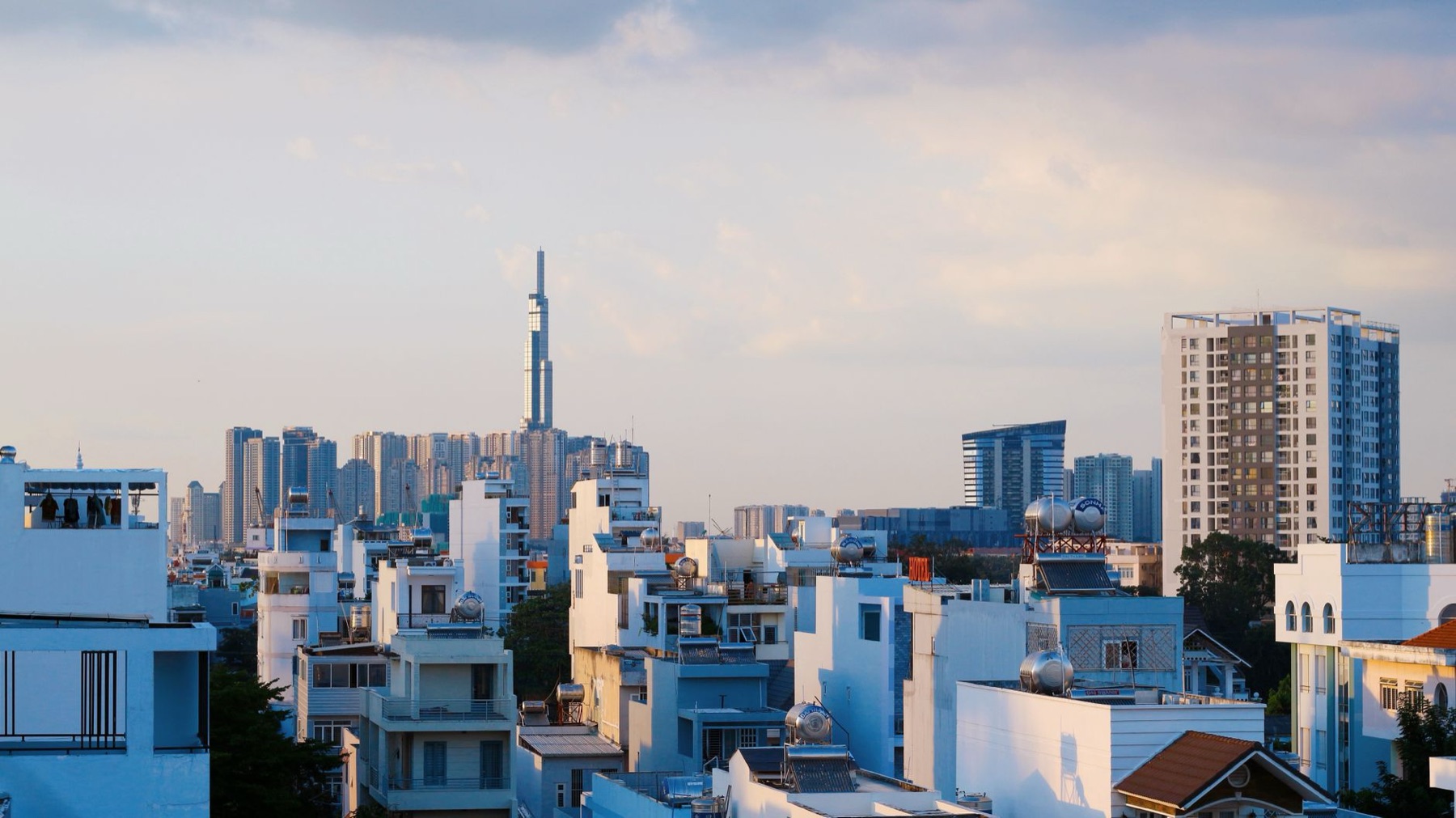
Ho Chi Minh City is Vietnam's economic and cultural pulse. Unlike Hanoi's quiet introspection, Saigon moves fast: Vespas honk, hawkers call, neon reflects off rain-wet streets at 2 a.m. Most travelers spend 3–5 days here, often wasting time on Instagram spots and overpriced tours. We've sifted through the genuine landmarks and neighborhood experiences that stay with you. This guide steers you toward what locals actually do and what genuinely illuminates the city's past and present.
What's really worth visiting—and what isn't?
Must-see sights divide into three genuine layers: museums (War Remnants Museum, Museum of Vietnamese History), colonial landmarks (Notre-Dame Cathedral, Saigon Central Post Office), neighborhoods (old Chinese quarter in District 5, waterfront in District 1). Worth your time. What to skip: paid "floating markets" outside the city (authentic ones near Cần Thơ are hours away; the Saigon versions are staged). Rooftop bars on Bui Vien Street (overpriced, same view as five competitors). Fake cyclo tours (they're tourist theater, not transport).
The real question: Do you want photos, or understanding? Choose one per day.
🗺️ Plan your route: Vietnam itinerary

Which neighborhoods tell Saigon's actual story?
District 1 (Quan 1) is the colonial center: Nguyen Hue Walking Street (pedestrianized avenue with evening life), opera house, museums. English-language signs. Best for architecture and museums; go mornings (7–9 a.m.) to beat crowds.
District 5 (Quan 5, old Cholon) is the Chinese-Vietnamese quarter: narrow lanes, family-run shops selling dried goods and lacquerware, four temples (Jade Emperor Pagoda, Thean Hou Temple). No English signage. Eat here. Walk, don't take a tour. Peak hours (7–8 a.m., 5–7 p.m.) for real street food: bánh chưng stalls, phở hàng (ground-floor shops).
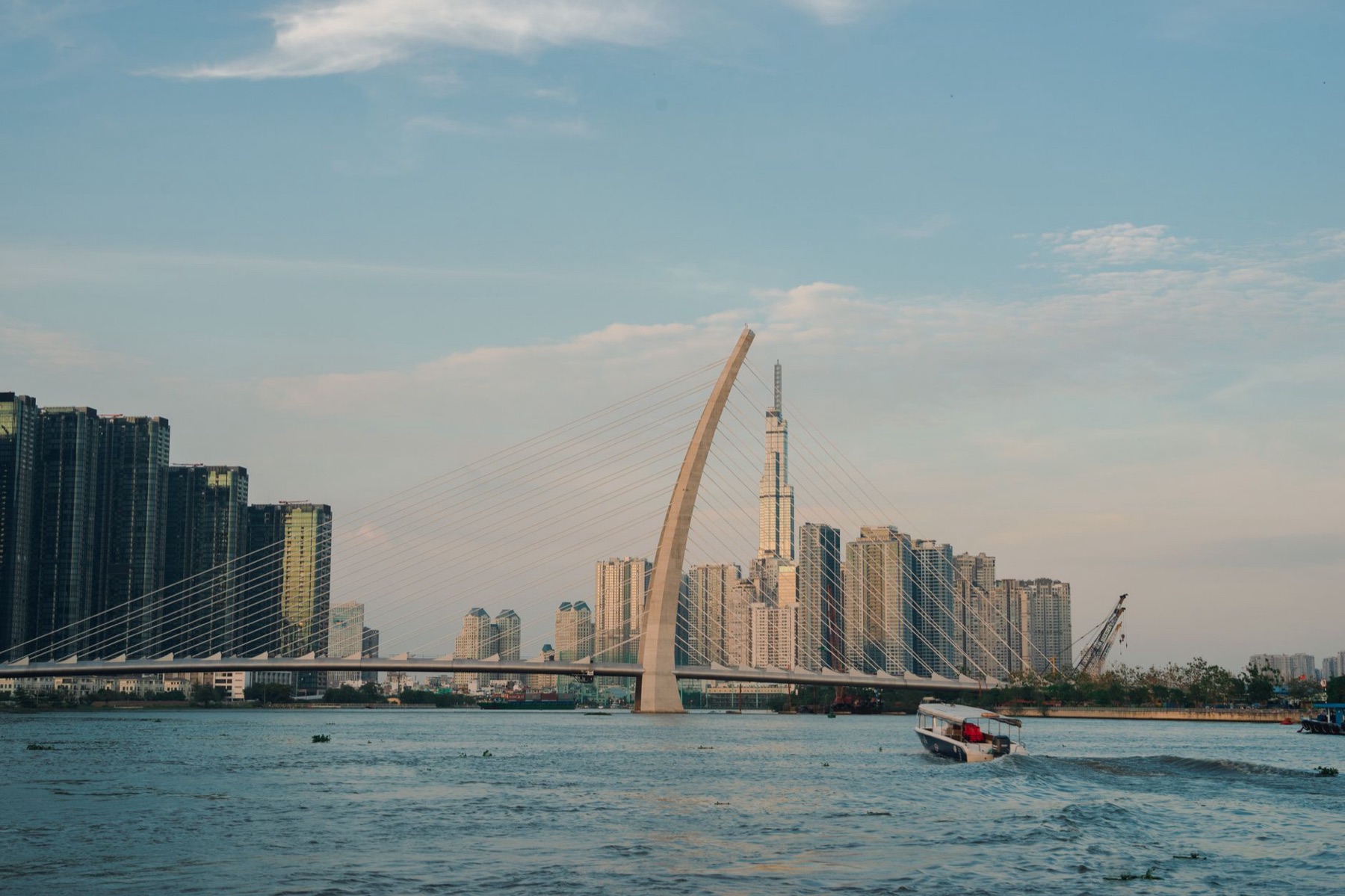
District 4 (Quan 4, Saigon riverfront) is gentrifying but livable: new cafés, local joggers, vendor stalls at dusk. Evening walk along the water, then eat at one of the twenty noodle places on Ly Tu Trong Street. Budget-friendly, no tourist markup.
District 10 (Quan 10, near Tan Dinh Market) is where many locals actually shop and eat—minimal tourists. Tan Dinh Market itself is overwhelming on purpose (vendors, noise, energy). Go hungry, cash only, 7–9 a.m.
How much time do you actually need?
1 day: War Remnants Museum (allow 2–3 hours; emotionally draining, necessary), lunch in District 5, evening walk on Nguyen Hue. Honest: you'll feel rushed. Don't do it.
2 days: Morning museum, afternoon walking District 5 or District 1 architecture, evening river walk. Includes one real meal experience.
3 days (optimal): Day 1 = museums and colonial landmarks (District 1). Day 2 = Cholon food tour and neighborhood walks (District 5). Day 3 = waterfront, a local market (District 10 or Ben Thanh for intro), and either a cooking class or a photoshoot (professional áo dài photos are a singular Saigon memory—Cáo Studio handles makeup and styling).
📸 Book an ao dai photoshoot in Hanoi or Saigon (Cáo Studio)
Most tourists underestimate how fast Saigon exhausts you. Motorbikes, heat, humidity, noise. Build in rest time.
What's the food actually like, and where do locals eat?
Saigon's food is greasier, spicier, sweeter than Hanoi's. It reflects Chinese, French, Thai, and Khmer influences because the Mekong Delta supplies everything. Tourists often eat at tourist-facing restaurants; locals eat standing up at street stalls or family-run shops with plastic stools.
What to eat and where:
| Dish | Neighborhood | Why it matters | Honest note |
|---|---|---|---|
| Bánh mì | Any street corner, esp. District 1 | Vietnamese sandwich; fast, cheap | Tourist-friendly entry point; quality varies wildly |
| Phở hàng | District 5, early morning | Boiled-bone broth, ground rice noodles | Not sweet like tourist phở; acquired taste |
| Bánh chưng | District 5 street stalls (Tet season) | Sticky rice cake, pork, mung bean | Seasonal; rare outside Tet unless in Cholon |
| Cơm tấm | Anywhere, especially around markets | Broken rice with grilled pork, crispy shallots | Genuinely local; better than looks |
| Hu tieu | District 5, District 4 | Clear soup, pork organs, shrimp | Offal-heavy; polarizing |
| Cà phê sua đá | Any café, morning | Iced coffee with sweetened condensed milk | A cultural ritual, not just caffeine |
How to actually find good food: Ignore TripAdvisor. Look for:
- Long queues at lunch (11:30–1 p.m.) and dinner (5:30–7 p.m.).
- No English menu or signage.
- Locals sitting on plastic stools.
- One dish only (not a big menu).
Costs: a full meal (dish + drink) around 50,000–150,000 VND ($2–$6 USD) at street stalls, 200,000–400,000 VND ($8–$16) at mid-range restaurants, 500,000+ VND ($20+) at Western-facing places. Cash at stalls, card at restaurants.
🎟️ Compare tours & tickets for this place
How to move around without getting scammed?
Grab (motorbike taxi app, like Uber) is safest: set pickup/dropoff in app, driver tracks you. Around 20,000–50,000 VND ($0.80–$2) for cross-district rides. Avoid meter taxis if possible; drivers sometimes "reset" meters or take long routes. If you take a taxi, use Vinasun or Mai Linh (phone or street hail only, not walking up).
Walking is the best way to see Saigon's detail, but:
- Motorbikes drive on sidewalks (they have right-of-way; step aside calmly).
- Fake taxis (unmarked cars) linger near hotels; ignore them.
- Street vendors will follow you if you make eye contact; say "không" (no) firmly but kindly.
- Don't leave valuables unattended in cafés; petty theft exists.
- Pickpocketing happens on crowded buses; avoid if you have a backpack.
Rental scooters/motorbikes: Only rent from established shops in District 1. Deposit your passport, keep the rental receipt. Inspect the bike (tires, brakes, lights). Wear a helmet (police fine you 500,000 VND / ~$20 if caught without one). Expect minor traffic accidents; minor damage isn't worth reporting, but major (injury, collision with a vehicle) requires police report. Insurance is rare and expensive; assume self-insured.
What should you bring, and how to prepare?
Before you arrive:
- Get a Vietnam e-visa or passport stamp (if eligible). Prepare 6 months passport validity.
- Arrange a SIM card or eSIM for Vietnam before landing to avoid airport markup. Local plans are cheap (Viettel, MobiFone, Vinaphone). Around 100,000–300,000 VND ($4–$12) for 30 days of unlimited calls + 5–20 GB data.
- Download Google Maps offline (Google works in Vietnam; but have a VPN ready if blocked; many travelers use ExpressVPN or Mullvad).
- Book War Remnants Museum tickets online to skip queues.
- Book accommodation in District 1, District 2 (newer, quieter), or District 10 (budget, local). Avoid District 6 or 7 unless you love industrial sprawl.
Pack:
- Light, breathable clothing (Saigon is 28–35°C / 82–95°F year-round).
- Comfortable walking shoes (streets are cracked, uneven).
- Sunscreen and a hat.
- A small day backpack.
- Phone charger (outlets are 220V, two round pins or flat pin).
- Lightweight rain jacket (monsoon: May–September; random showers other months).
Health:
- Tap water is not drinkable; buy bottled water (cheap, 10,000–20,000 VND / $0.40–$0.80 per large bottle).
- Eat at busy stalls (high turnover = fresh food).
- Bring anti-diarrhea medication (Imodium or local equivalent).
- Dengue fever and malaria are present but rare in the city; mosquito repellent is sensible at dusk.
Money:
- Vietnamese dong (VND). ATMs are everywhere. No tipping culture, though rounding up is appreciated. Credit cards work at restaurants and shops, but street food and markets need cash.
Is Saigon worth the time compared to other Vietnam cities?
Against Saigon: It's loud, polluted, and less "charming" than Hanoi or Hoi An. If you want photogenic temples and quiet streets, Hoi An wins. If you want bohemian energy and lakes, Hanoi is better. Saigon is functional, fast, and disorienting.
For Saigon: It's where modern Vietnam happens. War history is unavoidable (and important). Street food is more diverse and adventurous. Energy is infectious if you surrender to it. Neighborhoods are distinct in ways tourists rarely explore.
Our honest take: Spend 2–3 days, not a week. Combine it with Ha Long Bay, Hoi An, or Ninh Binh for a fuller itinerary. Hanoi and Sapa can anchor a northern trip if you skip Saigon.
A curated memory lasts longer than a rushed checklist. If you want to carry Saigon home, invest in a professional áo dài photoshoot (the traditional Vietnamese dress, styled by a local team). It transforms how you document the city.
📸 Book an ao dai photoshoot in Hanoi or Saigon (Cáo Studio)
If you're gift-shopping after your trip, consider collections tied to Vietnam that remind you of what you saw: hand-painted ceramics, silk scarves, or custom star map prints of the exact night sky over Saigon. These anchor memories better than generic souvenirs.
Browse gift collections to remember your trip
---
What to check before you go
- Visa: Do you need one? Check your passport nationality.
- Dates: Saigon's monsoon (May–Sept) brings daily rain; dry season (Nov–April) is comfortable but busy. Book 2–3 weeks ahead in peak season.
- Health insurance: Does your policy cover Vietnam? Many do, but verify.
- Connected: Have you arranged eSIM for Vietnam or a local SIM card pre-arrival?
- Neighborhood choice: Are you staying in tourist-friendly (District 1), quiet (District 2), or budget-local (District 10) areas?
- Museum booking: War Remnants Museum sells out; book online.
- Packing: Is your luggage light? Saigon's cracked sidewalks punish heavy bags.
---
FAQ
How many days should I spend in Saigon?
Two to three days lets you see museums, walk neighborhoods, and eat properly without burnout. A full day is tourist theater; a week is overkill unless you're based here. Combine it with Mekong Delta day trips or jump to the coast.
Is Saigon safe for solo travelers?
Yes, generally very safe. Petty theft (phones, bags on buses) and fake taxis near hotels are the main hazards. Use Grab instead of street taxis, avoid empty alleys at night, keep valuables close, and trust your instincts. Violent crime against tourists is rare.
What's the best time to visit?
November–February (cool, dry, 20–28°C). March–April is hot but tolerable. May–September is monsoon season; expect humidity and daily rain. October is transition; unpredictable. Avoid Tet (lunar new year, Jan–Feb) if you want open shops and restaurants; many close 3–7 days.
Can I haggle at markets?
Yes, at Ben Thanh Market and District 5 shops—expect 10–30% off asking prices for souvenirs and textiles. Don't haggle at fixed-price shops or restaurants. Be good-natured; aggressive bargaining offends. At food stalls, prices are fixed.
Is it better to join a tour or explore alone?
Alone is cheaper and more flexible; you'll see details tourists miss. A guided tour saves time on museum histories and War Remnants context. Compromise: buy a museum guide book, walk neighborhoods alone, and join a single half-day food tour in District 5 if you're shy about street food.
How much should I budget for Saigon daily?
Budget backpacker: 500,000–800,000 VND/day ($20–$32 USD). Mid-range: 1,200,000–2,000,000 VND/day ($48–$80). Splurge: 2,500,000+ VND/day ($100+). Includes accommodation, food, transport, and entry fees. Street food and markets are cheap; Western cafés and rooftop bars inflate costs.
FAQ
How many days should I spend in Saigon?
Two to three days lets you see museums, walk neighborhoods, and eat properly without burnout. A full day is tourist theater; a week is overkill unless you're based here. Combine it with Mekong Delta day trips or jump to the coast.
Is Saigon safe for solo travelers?
Yes, generally very safe. Petty theft (phones, bags on buses) and fake taxis near hotels are the main hazards. Use Grab instead of street taxis, avoid empty alleys at night, keep valuables close, and trust your instincts. Violent crime against tourists is rare.
What's the best time to visit?
November–February (cool, dry, 20–28°C). March–April is hot but tolerable. May–September is monsoon season; expect humidity and daily rain. October is transition; unpredictable. Avoid Tet (lunar new year, Jan–Feb) if you want open shops and restaurants; many close 3–7 days.
Can I haggle at markets?
Yes, at Ben Thanh Market and District 5 shops—expect 10–30% off asking prices for souvenirs and textiles. Don't haggle at fixed-price shops or restaurants. Be good-natured; aggressive bargaining offends. At food stalls, prices are fixed.
Is it better to join a tour or explore alone?
Alone is cheaper and more flexible; you'll see details tourists miss. A guided tour saves time on museum histories and War Remnants context. Compromise: buy a museum guide book, walk neighborhoods alone, and join a single half-day food tour in District 5 if you're shy about street food.
How much should I budget for Saigon daily?
Budget backpacker: 500,000–800,000 VND/day ($20–$32 USD). Mid-range: 1,200,000–2,000,000 VND/day ($48–$80). Splurge: 2,500,000+ VND/day ($100+). Includes accommodation, food, transport, and entry fees. Street food and markets are cheap; Western cafés and rooftop bars inflate costs.
More: Ho Chi Minh City travel guide · Things to do in Ho Chi Minh City