Ha Long Bay · Things to do
Where Is Ha Long Bay? Location, Map & Access Guide
By Wander in Vietnam editorial team · Hanoi, Vietnam
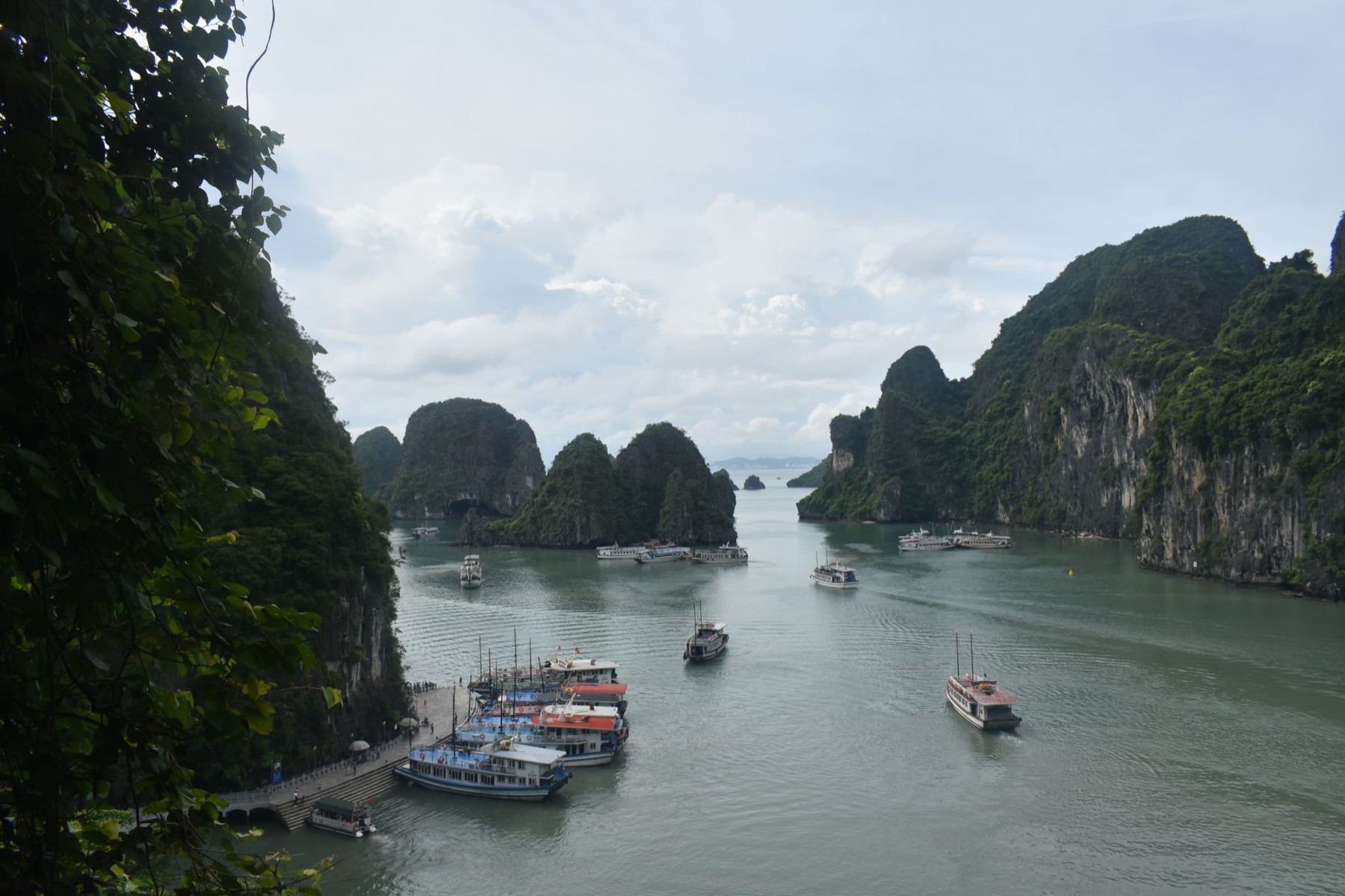
Ha Long Bay's exact location makes it a natural extension of any northern Vietnam itinerary. The bay stretches across the Quang Ninh coast, where limestone mountains rise dramatically from turquoise water. It's not a beach resort—it's a seascape shaped by geology spanning millennia.
Why Does Ha Long Bay's Location Matter for Your Trip?
Ha Long Bay sits 170 km northeast of Hanoi, roughly a three to four-hour drive or 2.5-hour bus ride. This proximity makes it accessible for a long weekend, but far enough that the landscape feels remote. The location on the Gulf of Tonkin means tidal patterns, seasonal weather, and marine biodiversity all depend on position within the bay.
🗺️ Plan your route: Vietnam itinerary
How Do You Get to Ha Long Bay from Hanoi?
Most travelers drive or take a direct minibus from Hanoi's Old Quarter, costing around 300,000–500,000 VND (12–20 USD) per person. The highway is paved but crowded; expect stops for fuel and food. Alternatively, fly Hanoi to Hai Phong (45 minutes), then transfer by car to the bay (another 1.5 hours). Overnight bus options exist but roads near Hanoi are congested and sleep quality suffers. We recommend arranging pickup through your hotel or a tour operator rather than flagging random taxis at the bus station.
Which Towns Are Your Gateway Points?
Three main towns serve Ha Long Bay:
- Hon Gai (north shore): Official tourism center; harbor, most tour operators, crowded piers
- Bai Chay (west): Beach strip, seafood restaurants, where many tours depart
- Cam Pha (west, inland): Industrial port; fewer tourists, rough edges
Hon Gai's waterfront has the densest cluster of tour desks, hotels, and restaurants. Bai Chay feels more relaxed and family-oriented. Cam Pha is real and unglamorous—skip it unless you're researching mining history or have deep local connections.
What's the Climate and Best Time to Visit?
| Season | Months | Sea State | Visibility | Crowd Level | Best For |
|---|---|---|---|---|---|
| Dry/Cool | Oct–Apr | Calm–choppy | Clear–good | Medium–high | Photography, hiking |
| Wet | May–Sep | Rough–very rough | Hazy–poor | Low–medium | Budget travelers, fewer crowds |
October to April offers cool mornings (15–20°C), calm seas on most days, and clear limestone views. This is peak season; expect crowds on junks and higher prices. May to September brings 30°C+ heat, higher humidity, and occasional typhoons that cancel tours. However, tourist density drops 40–60%, prices fall, and locals reclaim the bays. We prefer late April or early October—shoulder season with forgiving weather and manageable tourism.
🎟️ Compare tours & tickets for this place
What Can You Actually Do Once You're There?
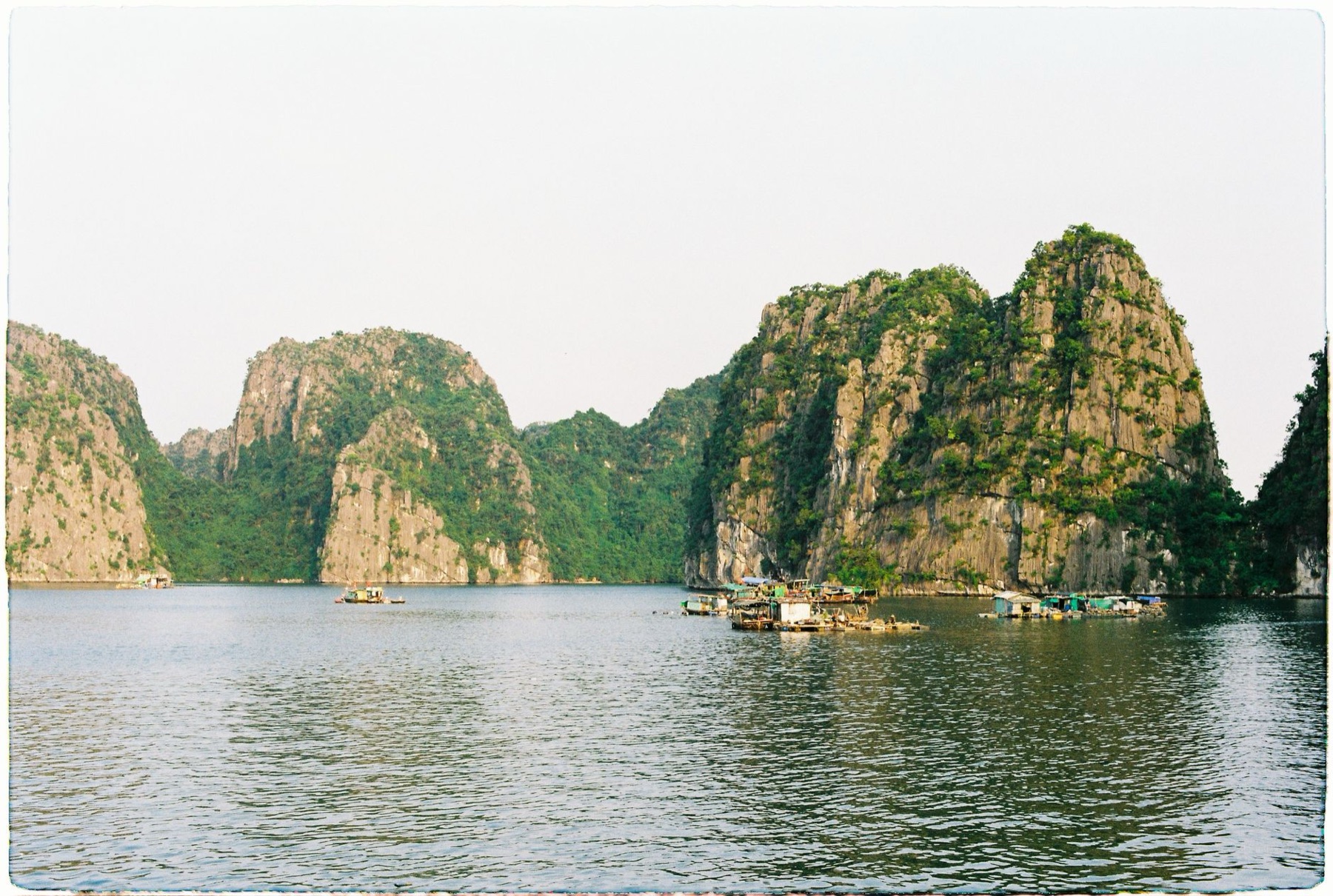
The things to do at Ha Long Bay span cave exploration, kayaking, island hiking, and overnight junk cruises. Sung Sot Cave (Surprise Cave) is the largest and most visited—allow two hours, wear non-slip shoes, and go early to beat tour groups. Luon Cave's lagoon is accessible by rowboat for around 200,000 VND (8 USD) per person. Titop Island has a lighthouse summit hike (20 minutes, moderate) with bay views.
Junk cruises range from budget shared boats (800,000–1,200,000 VND / 32–48 USD per night) to private luxury cruises (3,000,000+ VND / 120+ USD). Budget boats pack 30–50 people; you'll share cabins and meals are communal. Private cruises offer cabins with en-suite bathrooms and smaller group sizes. Overnight stays let you wake on the water and watch sunrise light hit the karst.
A common scam: tour operators inflate cave entrance fees or add "port taxes" not listed upfront. Always confirm total cost in writing before boarding. Night markets near the harbor sell overpriced seafood; eat at inland restaurants where locals eat (around Hon Gai's residential streets, not the waterfront).
How Should You Plan Your Ha Long Bay Gift for Someone Special?
If you're buying a keepsake after your visit—or sending one to someone inspired by Ha Long—consider pieces that capture the bay's essence. Personalized travel keepsakes (like engraved wooden boxes or star maps of your visit date and location) make thoughtful reminders. Printed artisan maps (canvas or paper, depicting the limestone formations and islands) work for travelers or geography enthusiasts. Custom location prints (featuring coordinates, bay silhouettes, and watercolor elements) suit offices, dorms, or homes.
📸 Book an ao dai photoshoot in Hanoi or Saigon (Cáo Studio)
We recommend gifts from artisan collections rather than mass-produced souvenir shop prints—quality linen or canvas holds color and detail longer than cheap laminated posters. For travelers, a keepsake capturing the exact date and coordinates of your journey has more story than a generic "Ha Long Bay" mug.
What to Check Before You Buy Gifts or Book Tours
Before committing to a tour:
- Confirm junk departure time and actual location (pier addresses change seasonally)
- Check cave entrance fees directly with the government tourism website (not just operator quotes)
- Verify your eSIM or data plan—Vietnam eSIM coverage is strong in coastal towns but weak on remote islands
- Ask whether meals and entrance fees are truly all-inclusive or if hidden charges exist
- Read recent trip reports on your chosen junk (crew professionalism and food quality vary widely)
For souvenir keepsakes:
- Look for items with verifiable provenance (artisan name, material description)
- Check shipping timeframes (international orders from Vietnam typically take 5–10 days to US/UK/Europe)
- Confirm 30-day return policy applies to your region
- Verify water resistance if the gift will hang in a humid room
Before traveling:
- Book your Vietnam e-visa or check visa-free entry status
- Download offline maps (cell coverage in the middle bay is unreliable)
- Reserve accommodations in Hanoi or nearby Ninh Binh as backup bases
Popular nearby destinations:
- Hoi An—ancient town, 8 hours south
- Sapa—mountains and trekking, 5 hours northwest
- Ho Chi Minh City—5 hours south by flight
Whether you're planning your own Ha Long adventure or sending a thoughtful gift to someone who's fallen in love with the bay's geology and legend, the journey starts with understanding where it sits on the map and what season aligns with your expectations. Ha Long Bay rewards early departure times, honest local guides, and realistic expectations about crowds. The limestone islands were ancient when tourism arrived—they'll still be there long after the current junk season ends.

FAQ
Is Ha Long Bay worth visiting, or is it overrated?
Worth visiting if you like geology, photography, or overnight sailing; the limestone formations are genuinely spectacular. Overrated for those expecting secluded paradise—expect crowds on popular junks and islands. Early morning or low-season visits feel fresher. Quality of experience depends heavily on which tour operator you choose.
Can you visit Ha Long Bay as a day trip from Hanoi?
Yes, but it's rushed. A full day trip (6–7 hours driving, 2–3 hours on water) lets you see one cave and take photos. Overnight cruises are better value and less tiring. If you only have one day, go; if you have two, stay overnight.
What's the difference between Ha Long Bay and Lan Ha Bay?
Lan Ha Bay is the southern extension of Ha Long Bay, less developed and less crowded. Tours often visit both in a single cruise. Lan Ha has smaller islands, quieter beaches, and fewer organized activities. It's better for kayaking and less commercial.
What should I pack for a Ha Long Bay cruise?
Sunscreen, polarized sunglasses, lightweight rain jacket, non-slip shoes for caves, motion sickness medication (if prone), and a waterproof phone case. Overnight cruises provide bedding; bring seasickness tablets if you're sensitive to small boat motion.
Are there real risks sailing Ha Long Bay—pirates, storms, weak safety standards?
No active piracy in Ha Long Bay waters. Storms are seasonal risks (May–September) when typhoons can cancel tours. Safety standards vary by operator; budget junks sometimes lack life jackets or fire drills. Book with operators who show recent safety certifications and customer reviews mentioning safety protocols.
How much does a Ha Long Bay cruise actually cost?
Budget shared junks run 800,000–1,500,000 VND (32–60 USD) per night including meals; mid-range 1,500,000–3,000,000 VND (60–120 USD); luxury 3,000,000+ VND (120+ USD). Day trips cost 400,000–800,000 VND (16–32 USD). Caves and activities often cost extra. Compare total quoted price, not per-night alone.
FAQ
Is Ha Long Bay worth visiting, or is it overrated?
Worth visiting if you like geology, photography, or overnight sailing; the limestone formations are genuinely spectacular. Overrated for those expecting secluded paradise—expect crowds on popular junks and islands. Early morning or low-season visits feel fresher. Quality of experience depends heavily on which tour operator you choose.
Can you visit Ha Long Bay as a day trip from Hanoi?
Yes, but it's rushed. A full day trip (6–7 hours driving, 2–3 hours on water) lets you see one cave and take photos. Overnight cruises are better value and less tiring. If you only have one day, go; if you have two, stay overnight.
What's the difference between Ha Long Bay and Lan Ha Bay?
Lan Ha Bay is the southern extension of Ha Long Bay, less developed and less crowded. Tours often visit both in a single cruise. Lan Ha has smaller islands, quieter beaches, and fewer organized activities. It's better for kayaking and less commercial.
What should I pack for a Ha Long Bay cruise?
Sunscreen, polarized sunglasses, lightweight rain jacket, non-slip shoes for caves, motion sickness medication (if prone), and a waterproof phone case. Overnight cruises provide bedding; bring seasickness tablets if you're sensitive to small boat motion.
Are there real risks sailing Ha Long Bay—pirates, storms, weak safety standards?
No active piracy in Ha Long Bay waters. Storms are seasonal risks (May–September) when typhoons can cancel tours. Safety standards vary by operator; budget junks sometimes lack life jackets or fire drills. Book with operators who show recent safety certifications and customer reviews mentioning safety protocols.
How much does a Ha Long Bay cruise actually cost?
Budget shared junks run 800,000–1,500,000 VND (32–60 USD) per night including meals; mid-range 1,500,000–3,000,000 VND (60–120 USD); luxury 3,000,000+ VND (120+ USD). Day trips cost 400,000–800,000 VND (16–32 USD). Caves and activities often cost extra. Compare total quoted price, not per-night alone.