Hanoi · Itinerary
Where to Go in Hanoi: A Resident's Insider Guide
By Wander in Vietnam editorial team · Hanoi, Vietnam
What's worth your time in Hanoi's Old Quarter?
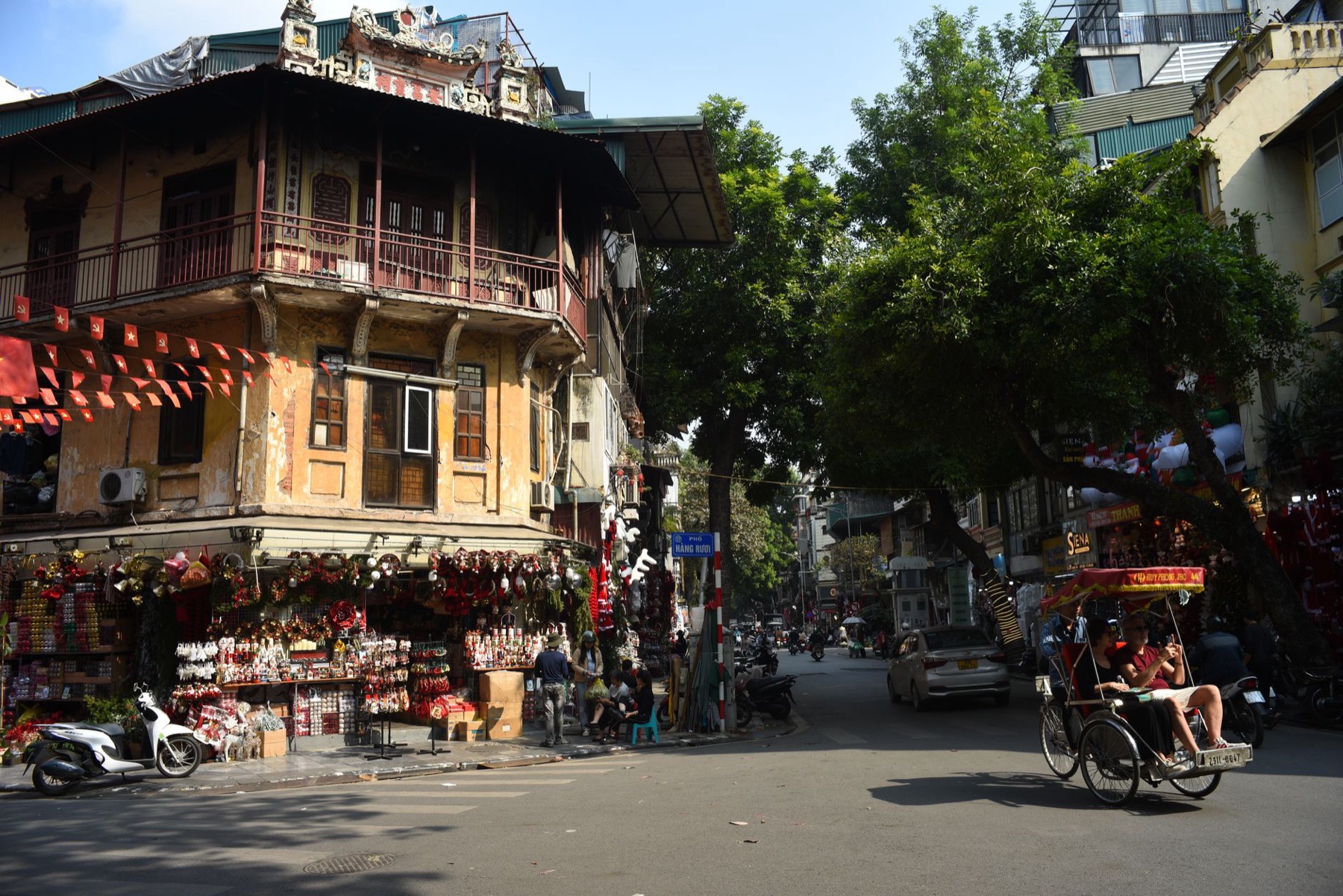
The Old Quarter (36 Pho Guom area, Hoan Kiem district) is loud, narrow, and genuinely alive. Street stalls spill onto pavements; motorbikes beep constantly. Most visitors hate it or love it within minutes. The actual value is wandering lanes like Pho Gà (chicken street) and Pho Hang Ma (paper street) where names still match trades, finding a plastic stool at 6am for a ₫25,000–₦40,000 bowl of pho (around $1–1.50 USD).
Skip the restaurants with color menus and staff outside. Eat where the plastic chairs are worn, the broth has been simmering since 4am, and you order by pointing. Dong Xuan Market (north edge of Old Quarter, opens early) is worth 30 minutes if you're curious about dried goods, textiles, and local life—not for souvenirs.
🗺️ Plan your route: Vietnam itinerary
Should you spend a full day at Hoan Kiem Lake?
Hoan Kiem Lake (central Hanoi, Hoan Kiem district) is the city's postcard. A morning walk around the shore—especially 6–7am when locals exercise and tai chi groups gather—is genuine Hanoi. The water is murky; the Turtle Tower (small island structure in the lake) is not worth queuing to enter. Walk the eastern shore from Red Bridge to Ngoc Son Temple (temple entry around ₫30,000, about $1.20 USD).
Ngoc Son Temple itself is quiet, ornate, and a real pause from street noise—genuinely peaceful for 15 minutes. The lake's south and west sides are lined with cafés and restaurants charging premium prices for lake views; the coffee is mediocre and overpriced (₫80,000–120,000, around $3–5 USD for a coffee elsewhere half that). Sit lakeside once, then eat inland where locals do.
Which temples and pagodas are worth entering?
Tran Quoc Pagoda (west shore of Ho Tay/West Lake, Ba Dinh district) is Hanoi's oldest, set on a tiny peninsula. The entry is free; monks walk quietly; the water views are the best temple setting in the city. Go early (before 10am) to avoid tour groups. No dress code strictly enforced, but cover shoulders and knees.
One Pillar Pagoda (near Ho Chi Minh Mausoleum, Ba Dinh district, free entry) is famous but tiny and oddly touristy for its size—queue, peek, move on in 10 minutes. The nearby Ho Chi Minh Mausoleum complex (entry around ₫50,000, about $2 USD; closed Mondays and Fridays) is more meaningful if you're interested in modern Vietnamese history. Dress respectfully (long trousers, no tank tops); lines form early.
Temple of Literature (Quoc Tu Giam, Ba Dinh district, entry around ₫75,000, about $3 USD) is Hanoi's most photogenic temple-university hybrid—peaceful courtyards, stone turtle stelae, real sense of scale. Arrive by 8:30am or after 4pm to avoid school groups. Allow 1 hour.
| Temple | Best For | Entry | Time Needed | Real Vibe |
|---|---|---|---|---|
| Tran Quoc Pagoda | Quiet, lakeside reflection | Free | 30 mins | Monks, few tourists before 11am |
| One Pillar Pagoda | Photo only | Free | 5–10 mins | Crowded, symbolic, small |
| Temple of Literature | History, architecture | ~₫75k ($3) | 60 mins | Serene courtyards, school groups midday |
| Ngoc Son Temple | Lake pause | ~₫30k ($1.20) | 20 mins | Genuine, ornate, accessible |
📸 Book an ao dai photoshoot in Hanoi or Saigon (Cáo Studio)
Where do locals actually eat and why?
Avoid restaurant rows with color photos and "recommendation" stickers. Head instead to:
- Pho at dawn: Any stall with a queue at 5–6am. Pho Ga (chicken pho) stalls cluster around Pho Gà street, east Old Quarter. ₫25,000–40,000 ($1–1.50 USD). The bone broth quality separates mediocre from memorable; locals taste the depth, not just fill the bowl.
- Banh mi: Corner stalls in Hoan Kiem and Ba Dinh districts. ₫20,000–35,000 ($0.80–1.40 USD). A good banh mi should have crispy bread, paté that isn't rubbery, and pickled vegetables that crunch. Tourist-zone versions are soggy and twice the price.
- Com tam (broken rice): Lunch dish, cooked in oil and topped with grilled meat, egg, and pickles. Street stalls and small shophouses around Hang Dau street and south Old Quarter. ₦30,000–50,000 ($1.20–2 USD). Eat standing or on a plastic stool; the informality is the whole point.
- Fish cakes and spring rolls: Pho Co area (southeast Old Quarter) has old-school vendors who've been rolling and selling the same items for decades. ₫10,000–25,000 ($0.40–1 USD per item). Ask for "gio ca" (fish cakes) and "nem ran" (fried spring rolls).
- Egg coffee: A Hanoi invention, now everywhere. Authentic versions are in the Old Quarter (ask locals). ₫30,000–50,000 ($1.20–2 USD). It's sweet, creamy, and a real experience—not gimmicky if made properly.
Scam to avoid: "Tour guide" offers to take you to his "family restaurant"—it's a commission trap; the food is average and the bill is double. Eat where you see locals or follow your own instincts into unmarked shops.
What neighbourhoods should you explore beyond the Old Quarter?
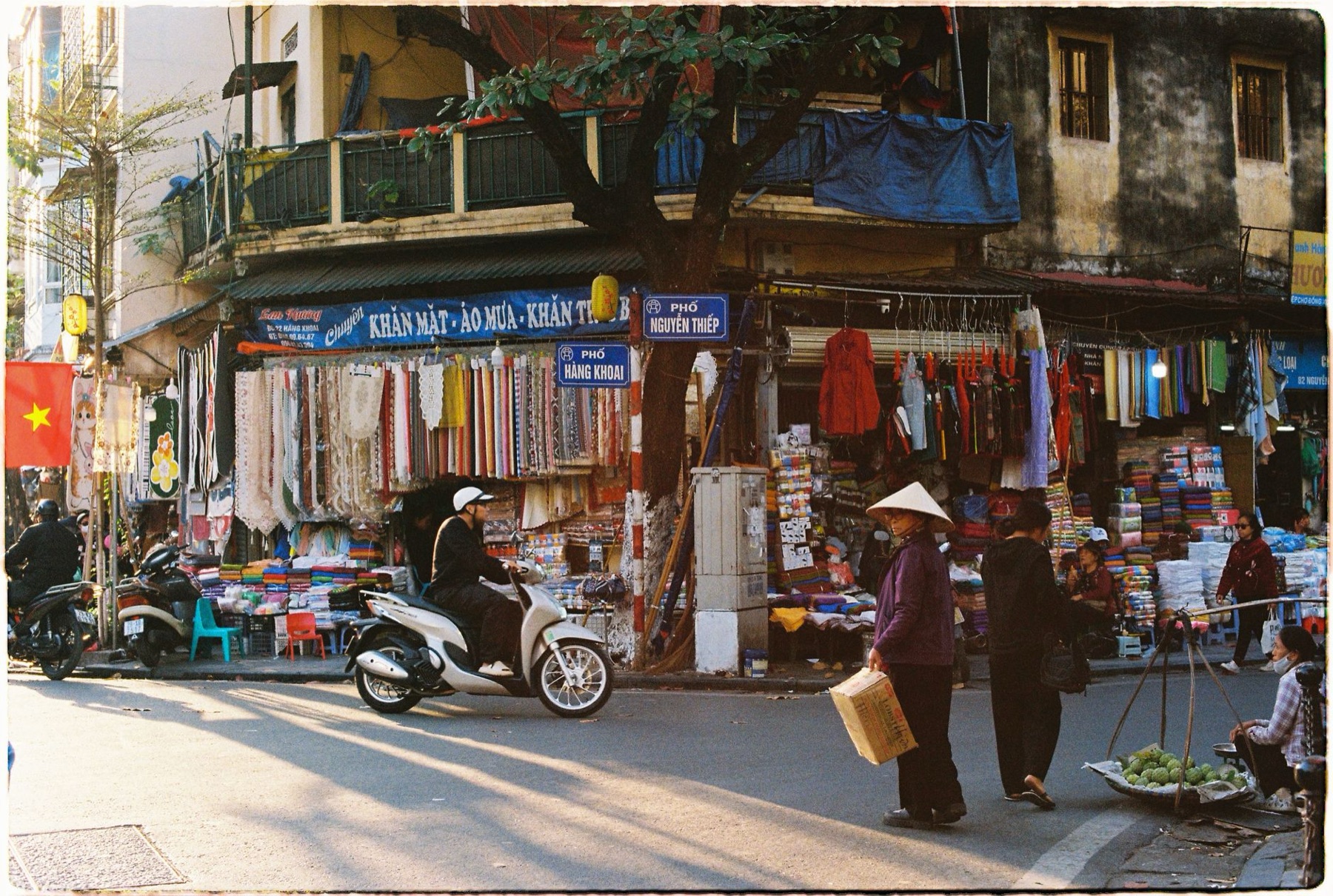
Ba Dinh District (west of center) is where temples, the mausoleum, and quieter residential streets cluster. Less chaotic, better for temple walks and parks. No major tourist infrastructure, which is the appeal.
Tay Ho District (around Ho Tay/West Lake) is where expats and wealthier Vietnamese live. Cafés are abundant, waterfront walks are scenic, but pricing reflects that. Worth an afternoon; not worth a full day unless you love boutique cafés. Tran Quoc Pagoda is here—use it as your anchor.
Hoan Kiem District (east and south of the lake) is where most tourists cluster; prices are higher but services (ATMs, pharmacies, coffee shops) are reliable. Not charming, but functional if you need modern comfort.
Dong Da and Hai Ba Trung Districts (south and east of center) are where you'll find better street food, fewer tourists, and genuine neighborhood life. Harder to navigate without Vietnamese; ask your hotel for directions to specific streets rather than relying on maps alone.
Don't bother with:
- Trang Tien street (famous for ice cream—one historic shop, others are chain imitators, overpriced, and mediocre).
- "Water puppet theater" shows marketed to tourists (expensive, seats are poor, performances are short; if you genuinely want to see water puppetry, book advance tickets at Thang Long Water Puppet Theatre in Ba Dinh, but expect tourist-crowd prices).
- Night markets marketed as "local"—most are nighttime tourist bazaars, not where locals shop.
🎟️ Compare tours & tickets for this place
How should you structure 3–4 days in Hanoi without rushing?
Day 1: Arrive, settle into accommodation (aim for Hoan Kiem district or Old Quarter edges). Walk Hoan Kiem Lake shore (morning), eat lunch at a random pho stall, explore Old Quarter alleys on foot (no agenda), sit for egg coffee, eat street dinner (banh mi or com tam).
Day 2: Morning at Temple of Literature (arrive by 8:30am), walk west into Ba Dinh quieter streets, lunch at a neighborhood com tam stall, afternoon at Tran Quoc Pagoda or around Ho Tay, sunset walk along the lake, dinner in a small local restaurant (ask your hotel concierge for a recommendation—they'll know real places).
Day 3: Sleep late. Explore a different district—Dong Da or Hai Ba Trung. Visit a local market (Hang Be or old vendor streets), eat lunch wherever looks busy, browse small shops and cafés without a checklist. Walk without a destination for 2 hours. Return to Old Quarter for dinner if you enjoyed it, or try a restaurant in your accommodation's neighborhood.
Day 4 (if staying): Revisit your favorite spot (a street, a café, a temple), buy a keepsake (a hand-painted lacquer item, a silk scarf, or a custom star map print if you want something meaningful to take home—see our gifts & keepsakes collection for ideas), eat a final meal slowly, and leave with a sense of rhythm rather than a checklist.
What to check before you visit:
- Book accommodation by day 2 of trip planning (central areas get full in peak season—April, August–October, December).
- Download offline maps (Google Maps works most of the time, but not always; grab.com's app includes offline navigation).
- Get an eSIM or local SIM for data (we recommend sorting this before arrival to avoid airport markup).
- Carry small notes (₫10,000–50,000) for stalls and taxis; many places don't take cards.
- Wear long trousers and covered shoulders if entering temples; this matters for Tran Quoc and Temple of Literature, less so for Ngoc Son.
- Respect the driving patterns (Hanoi motorbike traffic is organized chaos; look both ways twice, walk slow, don't panic).
If you're extending beyond Hanoi, explore our Vietnam itinerary planner to chain Hanoi with Ninh Binh, Ha Long Bay, Hoi An, or Sapa sensibly. And if you want to remember your time here meaningfully, consider booking an ao dai photoshoot in Hanoi with a professional makeup and styling team—it's a real Hanoi memory.
For a thoughtful keepsake, browse our personalized prints or hand-crafted gifts to send home something that holds meaning beyond a souvenir.
FAQ
Is Hanoi safe for solo travelers?
Yes. Petty theft happens, but violent crime against tourists is rare. Keep bags zipped in crowded areas and avoid displaying expensive cameras or jewelry. Stick to main streets after dark; taxis and Grab are cheap and reliable. Trust your instinct if a situation feels off.
How much should I budget per day?
$20–30 USD covers accommodation (₦500k–750k, $20–30 per night in central areas), food ($5–10 USD), and local transport. Tourist activities (temples, markets) are low-cost. Alcohol and meals in expat-zone restaurants push costs higher.
Is it better to hire a guide or explore alone?
Alone is better for atmosphere and finding real places. A guide is useful for historical context if you're genuinely interested in colonial architecture or independence war sites. Skip tour-group guides; hire a private guide if you want one (ask your hotel; expect ₦500k–750k, around $20–30 USD for 4 hours).
What's the best time to visit Hanoi?
October–November (autumn, cool, dry) and March–April (spring, mild). Avoid June–August (hot, humid, occasional flooding) and January–February (cold, grey, can dip to 5°C). December is pleasant but crowded and pricier.
Can I see Hanoi in 2 days?
Technically yes, but you'll only hit headlines. Three days minimum to slow down, eat well, and feel the city's rhythm. Two days works if you're passing through and need to move on to Ha Long Bay or Ninh Binh.
Do I need to book temples or markets in advance?
No. All temples mentioned are walk-in free or low-cost entry. Markets have no entry; just show up early (6–8am) for the best experience. Some water puppet theater shows fill up; book online if that interests you.
What's a realistic souvenir that's actually made in Hanoi?
Hand-painted lacquer (small items like coasters or boxes, quality varies; inspect before buying), silk scarves, and water puppet figurines. Avoid "antiques" sold to tourists (reproduction). We recommend a star map print of Hanoi's night sky on your visit date—it's meaningful, ships easily, and you can order after you leave.
FAQ
Is Hanoi safe for solo travelers?
Yes. Petty theft happens, but violent crime against tourists is rare. Keep bags zipped in crowded areas and avoid displaying expensive cameras or jewelry. Stick to main streets after dark; taxis and Grab are cheap and reliable. Trust your instinct if a situation feels off.
How much should I budget per day?
$20–30 USD covers accommodation (₦500k–750k, $20–30 per night in central areas), food ($5–10 USD), and local transport. Tourist activities (temples, markets) are low-cost. Alcohol and meals in expat-zone restaurants push costs higher.
Is it better to hire a guide or explore alone?
Alone is better for atmosphere and finding real places. A guide is useful for historical context if you're genuinely interested in colonial architecture or independence war sites. Skip tour-group guides; hire a private guide if you want one (ask your hotel; expect ₦500k–750k, around $20–30 USD for 4 hours).
What's the best time to visit Hanoi?
October–November (autumn, cool, dry) and March–April (spring, mild). Avoid June–August (hot, humid, occasional flooding) and January–February (cold, grey, can dip to 5°C). December is pleasant but crowded and pricier.
Can I see Hanoi in 2 days?
Technically yes, but you'll only hit headlines. Three days minimum to slow down, eat well, and feel the city's rhythm. Two days works if you're passing through and need to move on to [Ha Long Bay](/ha-long-bay) or [Ninh Binh](/ninh-binh).
Do I need to book temples or markets in advance?
No. All temples mentioned are walk-in free or low-cost entry. Markets have no entry; just show up early (6–8am) for the best experience. Some water puppet theater shows fill up; book online if that interests you.
What's a realistic souvenir that's actually made in Hanoi?
Hand-painted lacquer (small items like coasters or boxes, quality varies; inspect before buying), silk scarves, and water puppet figurines. Avoid "antiques" sold to tourists (reproduction). We recommend a [star map print](/collections/prints/) of Hanoi's night sky on your visit date—it's meaningful, ships easily, and you can order after you leave.