Hanoi · Itinerary
Where to Go in Hanoi: Neighborhood Guide & Itinerary
By Wander in Vietnam editorial team · Hanoi, Vietnam
Hanoi rewards slow exploration: ancient temples in Ba Dinh, silk lanterns in the Old Quarter, egg coffee in Hoàn Kiếm. We'll show you where to go and why.
Where should you start—Old Quarter or city center?
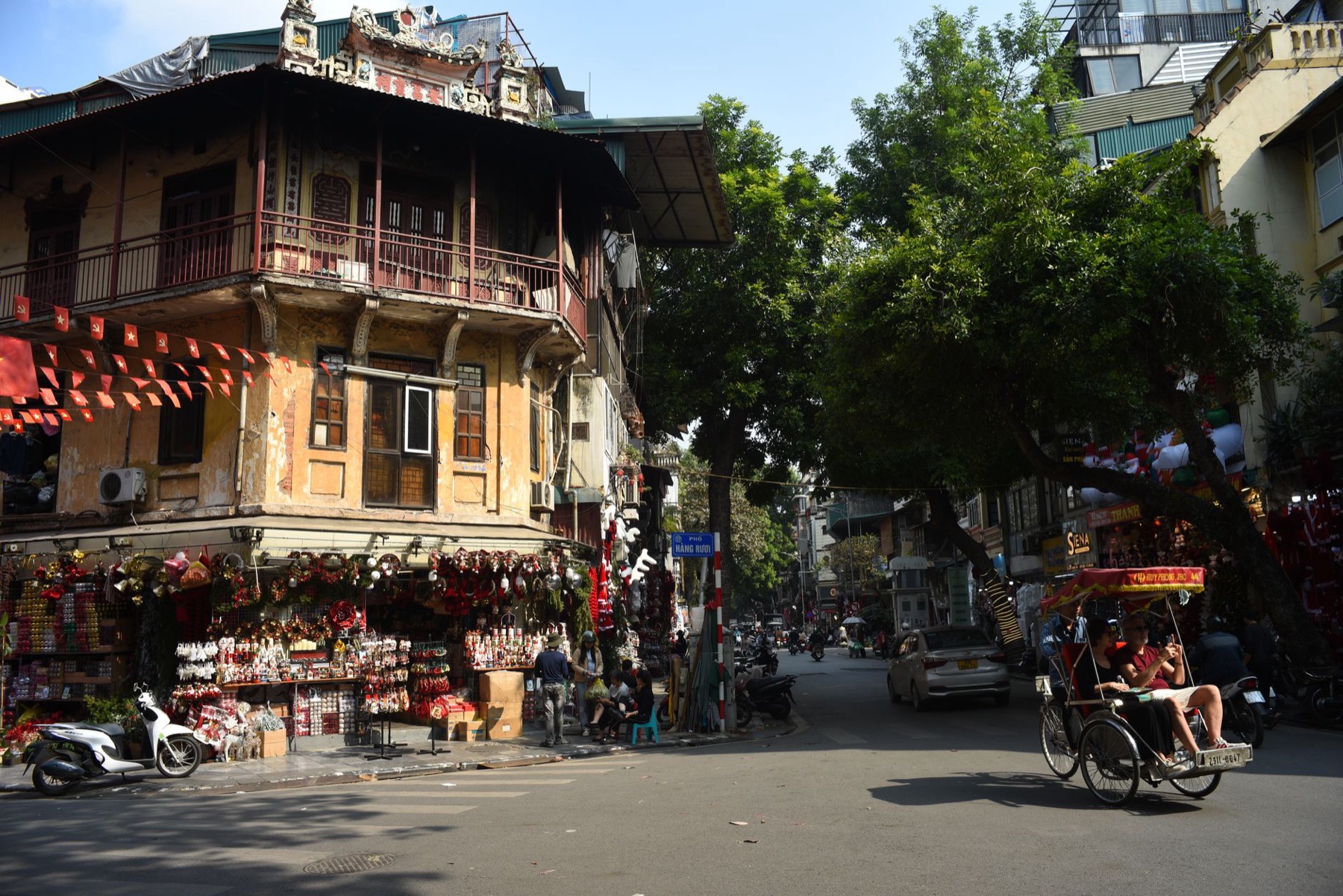
The Old Quarter feels iconic but crowded. Hoàn Kiếm Lake offers better access to temples, museums, and cafés without the motorbike chaos. Stay near the lake for your first night; walk the Old Quarter in early morning (6–7 a.m.) when vendors set up and tourists haven't arrived. Costs: motorbike taxi (xe ôm) around 50,000 VND (US$2) between zones; entry to temples free–100,000 VND (US$4).
Most visitors choose Hoàn Kiếm as a base because it's quieter, more walkable, and has better restaurants. The Old Quarter is essential for photography and trying street food (bánh mì, phở), but plan 3–4 hours max, then retreat.
What's actually worth your time—temples, museums, or markets?
Temples (Trấn Quốc, Thầy, One Pillar) are spiritual and architecturally stunning; museums (Vietnam National Museum of History) are exhaustive but can feel textbook; markets (Dong Xuan, 19/5) are chaotic and touristy, not where locals shop. The honest answer: temples first, markets for photos and street food only, museums if you have a specific interest (history, textiles, war).
Skip: Hoa Phố puppet theater—it's overpriced and performed for tour groups. Go instead: to street-food tours in Hoàn Kiếm or Old Quarter with a local guide who knows hidden stalls.
| Destination | Type | Best for | Time | Cost |
|---|---|---|---|---|
| Trấn Quốc Temple | Temple | sunrise, peace | 1 hour | Free |
| One Pillar Pagoda | Temple | history photo | 30 min | Free |
| Vietnam National Museum of History | Museum | context, art | 2–3 hours | ~60,000 VND ($2.50) |
| Dong Xuan Market | Market | street food, chaos | 1–2 hours | Free entry; food 30–50k VND/dish ($1.20–2) |
| Hoàn Kiếm Lake loop | Walk | locals, reflections | 1.5 hours | Free |
How do you navigate neighborhoods efficiently without wasting time?
Use a map (Google Maps works; Grab app shows both motorbike + grab-car routes). Most neighborhoods are 20–40 minutes apart by motorbike, 45–90 by foot. Group destinations by direction: start Ba Dinh area (Ho Chi Minh Mausoleum, Museum of Revolution, botanical gardens) in the morning; lunch in Hoàn Kiếm; afternoon in the Old Quarter or craft villages to the east.
Avoid: taxis called on the street—use Grab app (cheaper, safer, no meter disputes). Motorbike taxis (xe ôm) are cheap but ride-share apps are better for safety. Real locals walk between nearby neighborhoods and use Grab for anything over 2 km.
🗺️ Plan your route: Vietnam itinerary
Which neighborhoods have the best cafés, not just tourist traps?
Hoàn Kiếm's smaller alleys (around Trang Tien Street) hide Vietnamese-run cafés where egg coffee originated (around 40,000 VND / US$1.60 for a fluffy egg concoction). The area south of the lake (near Trang An) has more expat-friendly but still local coffee spots. Ba Dinh has fewer tourists; cafés near parks attract Hanoi residents exercising.
Avoid: major tourist-facing cafés on the lakeside promenade (overpriced, mediocre). Real coffee culture is in side streets and residential alleys, not main roads. Ask your guesthouse owner to point you to their neighborhood favorite—it will be half the price and twice as good.
Honest take: Hanoi's café scene is as much about sitting for 1–2 hours and watching life as about the drink. Budget 40,000–80,000 VND (US$1.60–3.20) for a good coffee and enjoy the slow pace.
What about day trips—should you leave the city?
Craft villages (silk in Van Phuc, ceramics in Bat Trang) are 15–30 km south; easily done as half-day trips via Grab or organized tour. Ha Long Bay and Ninh Binh work as 1–2 day trips. Most travelers skip them if time is tight and stay in the city proper.
Our honest advice: prioritize time in Hanoi neighborhoods over rushing to villages. Craft villages feel touristy; authentic workshops are hard to find. If you do go, hire a Grab driver for the day (roughly 800,000–1,200,000 VND / US$32–48 for 8 hours) rather than a tour operator.
For longer northern trips, consider Ha Long Bay (3+ hours by bus, 1–2 nights) or Sapa (6+ hours, mountain trekking). Both are carefully made but require more time commitment.
---
Step-by-Step Hanoi Neighborhood Checklist
- Pick a base (Hoàn Kiếm or Old Quarter; we suggest the lake).
- Download Grab app (safer than street taxis; motorbike 50–100k VND between zones).
- Visit one temple at sunrise (Trấn Quốc or One Pillar; free; peaceful).
- Walk Hoàn Kiếm Lake loop (1.5 hours; free; locals do it daily).
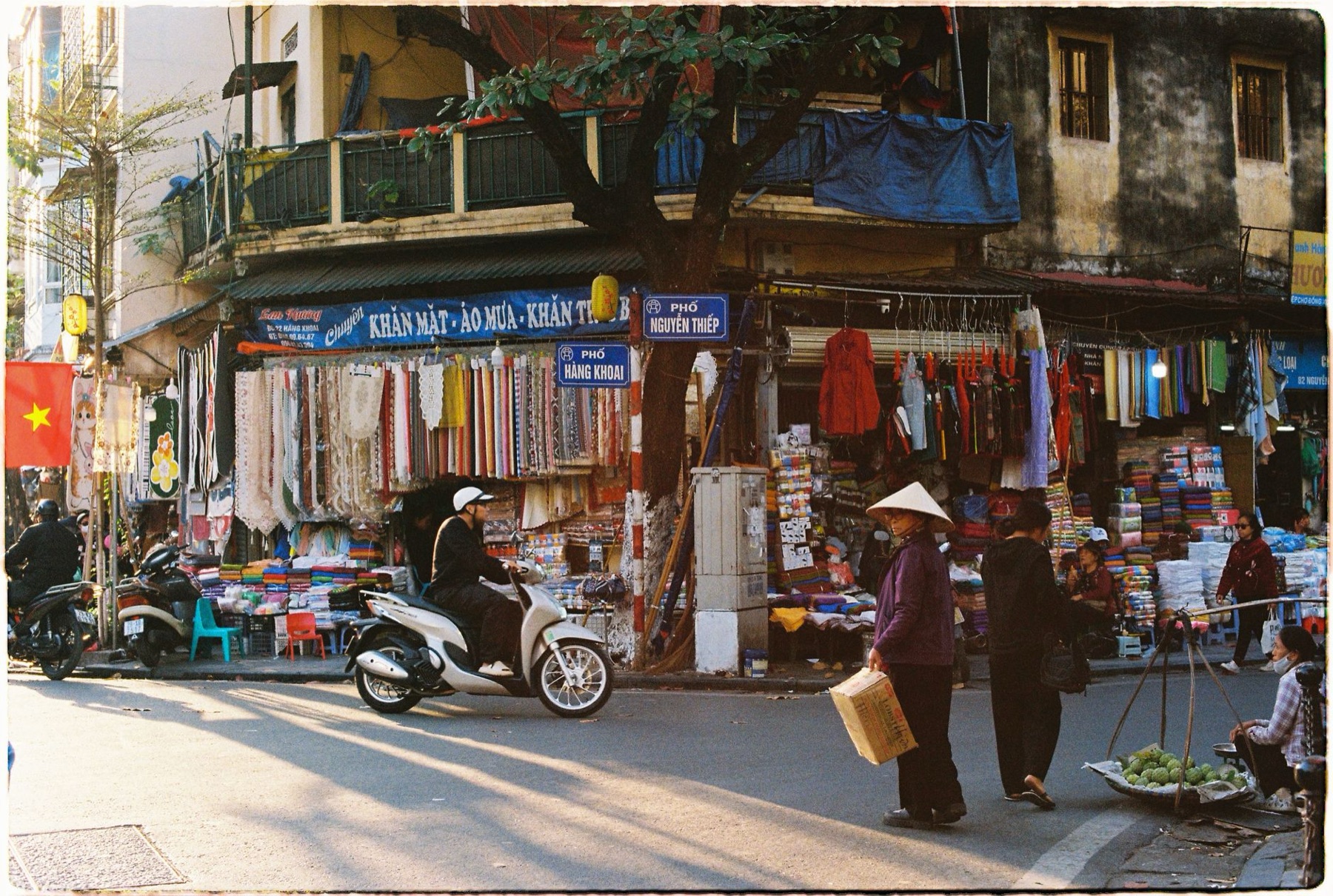
- Spend 3–4 hours in Old Quarter early morning (6–8 a.m.) for street food and photos.
- Lunch near the lake (phở, bún chả, bánh mì; 50–100k VND / US$2–4).
- Afternoon: museum or another temple (2 hours; ~60k VND entry).
- Evening: neighborhood café or rooftop bar (coffee 40k VND; beer 30–50k VND).
- Optional: day trip to craft village or Ninh Binh (if you have 2+ days).
---
📸 Book an ao dai photoshoot in Hanoi or Saigon (Cáo Studio)
What Should You Check Before You Book a Tour or Accommodation?
- Solo travelers? Old Quarter hostels cluster near Ta Hien Street; Hoàn Kiếm has quieter boutique options.
- Groups? Book a shared private tour (around 800k–1.5m VND / US$32–60 for half-day) rather than large bus groups.
- Walking ability? Hanoi's Old Quarter has uneven pavements and motorbike traffic; wear good shoes.
- Tet (Lunar New Year) dates? Many temples close; streets fill with families; book ahead or avoid.
- Rainy season (May–September)? Humidity peaks; visit temples early, rest afternoons.
- Budget range? Budget guesthouses ~200–300k VND (US$8–12/night); mid-range hotels ~600–1m VND (US$24–40/night).
🎟️ Compare tours & tickets for this place
---
What Honest Travel Writers Skip
- The official State Museum of History: dense, lengthy; skip unless you're a history student.
- Hoan Kiem Lake "romance at sunset": it's crowded, touristy, and not actually romantic at 6 p.m.
- Cyclo rides: expensive (200–300k VND / US$8–12 for 30 min), slow, and drivers work commission-based tours to overpriced shops.
- Most "traditional water puppet" shows: they're for groups; the art is beautiful but performances feel rehearsed.
Go instead for:
- Early-morning markets and temple walks.
- Street food with a local guide.
- Neighborhood cafés and parks where residents gather.
- Vietnamese e-visa or eSIM sorted before arrival to avoid airport queues.
---
FAQ
Q: How many days do I need in Hanoi? A: Two days covers Old Quarter, Hoàn Kiếm, and one temple. Three days allows a craft village or longer neighborhood walks. Four days lets you explore Ba Dinh, museums, and side streets without rushing. Most tourists do 2–3 days before heading south.
Q: Is it safe to walk the Old Quarter at night? A: Yes, but expect crowds, noise, and aggressive vendors selling drinks or motorbike rides. Stick to main streets (Ta Hien, Hang Dao). Women traveling alone should avoid dark alleys after 10 p.m. Hoàn Kiếm is quieter and safer after dark.
Q: What's the cheapest way to get around Hanoi? A: Grab motorbike (xe ôm) costs 50,000–100,000 VND (US$2–4) for most journeys. Walking is free and reveals the city better. Buses exist but are crowded and routes aren't tourist-friendly. Taxis summoned on the street risk meter cheating.
Q: Should I visit the Ho Chi Minh Mausoleum? A: It's free, historically significant, and draws pilgrims and tourists. Queues are long (1–2 hours); dress respectfully (covered shoulders/knees). If history matters to you, go early (7–8 a.m.). If not, the Ba Dinh area temples offer the same spiritual experience with fewer crowds.
Q: When should I buy souvenirs, and where? A: Silk scarves and lacquerware are cheaper in Hoi An than Hanoi. The Old Quarter is convenient but prices are inflated. Bat Trang (ceramic village, day trip) has better value. Authentic gifts come from specialist workshops, not street stalls. Consider booking a custom ao dai photoshoot (Cáo Studio) instead—a personalized memory beats a generic souvenir.
---
Plan Your Full Vietnam Trip
Hanoi is just the start. Once you've explored the neighborhoods, consider Ho Chi Minh City (2 hours south by flight), Hoi An (ancient town, textile shopping), or Ha Long Bay (UNESCO limestone karsts). Use the Vietnam itinerary planner to sequence your route and avoid wasted travel time.
🗺️ Plan your full Vietnam trip | 🎟️ Book tours & transport
FAQ
Is the Old Quarter worth the hype?
It's visually stunning and essential for street food and lantern shopping, but it's crowded, touristy, and overpriced. Visit early morning (6–7 a.m.) for the real experience, then retreat to quieter neighborhoods. Don't spend more than 3–4 hours there.
How do I avoid taxis that cheat tourists?
Use Grab app exclusively (shows fare upfront, GPS tracking, driver rating). Street taxis have no meter safeguards. Motorbike taxis (xe ôm) are cheaper (~50k VND / US$2 per trip) but less safe. Ask your hotel to book a driver if you're uncomfortable.
What's the best time to visit Hanoi?
October–April (mild weather, 15–25°C). Avoid May–September (humid, 30–35°C, frequent rain). Tet (Lunar New Year, late Jan–early Feb) brings crowds and closed businesses but unique celebrations. November–December is ideal: cool, dry, fewer tourists.
Can I visit Hanoi's temples if I'm not religious?
Absolutely. Temples are architecturally beautiful, open to visitors, and free entry. Dress respectfully (cover shoulders and knees). Remove shoes before entering prayer halls. Take photos respectfully; don't pose disrespectfully on altars. You don't need faith to appreciate the art and history.
Should I hire a tour guide for Hanoi?
Solo walking is fine for Old Quarter and Hoàn Kiếm. Hire a guide (50–100k VND / US$2–4 per hour) for street-food tours, craft villages, or historical context. Licensed guides wear ID badges. Avoid freelance touts offering tours—many work commission-based shops and push overpriced goods. Book through your hotel or Grab.
FAQ
Is the Old Quarter worth the hype?
It's visually stunning and essential for street food and lantern shopping, but it's crowded, touristy, and overpriced. Visit early morning (6–7 a.m.) for the real experience, then retreat to quieter neighborhoods. Don't spend more than 3–4 hours there.
How do I avoid taxis that cheat tourists?
Use Grab app exclusively (shows fare upfront, GPS tracking, driver rating). Street taxis have no meter safeguards. Motorbike taxis (xe ôm) are cheaper (~50k VND / US$2 per trip) but less safe. Ask your hotel to book a driver if you're uncomfortable.
What's the best time to visit Hanoi?
October–April (mild weather, 15–25°C). Avoid May–September (humid, 30–35°C, frequent rain). Tet (Lunar New Year, late Jan–early Feb) brings crowds and closed businesses but unique celebrations. November–December is ideal: cool, dry, fewer tourists.
Can I visit Hanoi's temples if I'm not religious?
Absolutely. Temples are architecturally beautiful, open to visitors, and free entry. Dress respectfully (cover shoulders and knees). Remove shoes before entering prayer halls. Take photos respectfully; don't pose disrespectfully on altars. You don't need faith to appreciate the art and history.
Should I hire a tour guide for Hanoi?
Solo walking is fine for Old Quarter and Hoàn Kiếm. Hire a guide (50–100k VND / US$2–4 per hour) for street-food tours, craft villages, or historical context. Licensed guides wear ID badges. Avoid freelance touts offering tours—many work commission-based shops and push overpriced goods. Book through your hotel or Grab.