Hanoi · Where to stay
Where to Stay in Hanoi 2026: By Neighborhood & Budget
By Wander in Vietnam editorial team · Hanoi, Vietnam
Where should backpackers and budget travelers stay in Hanoi?
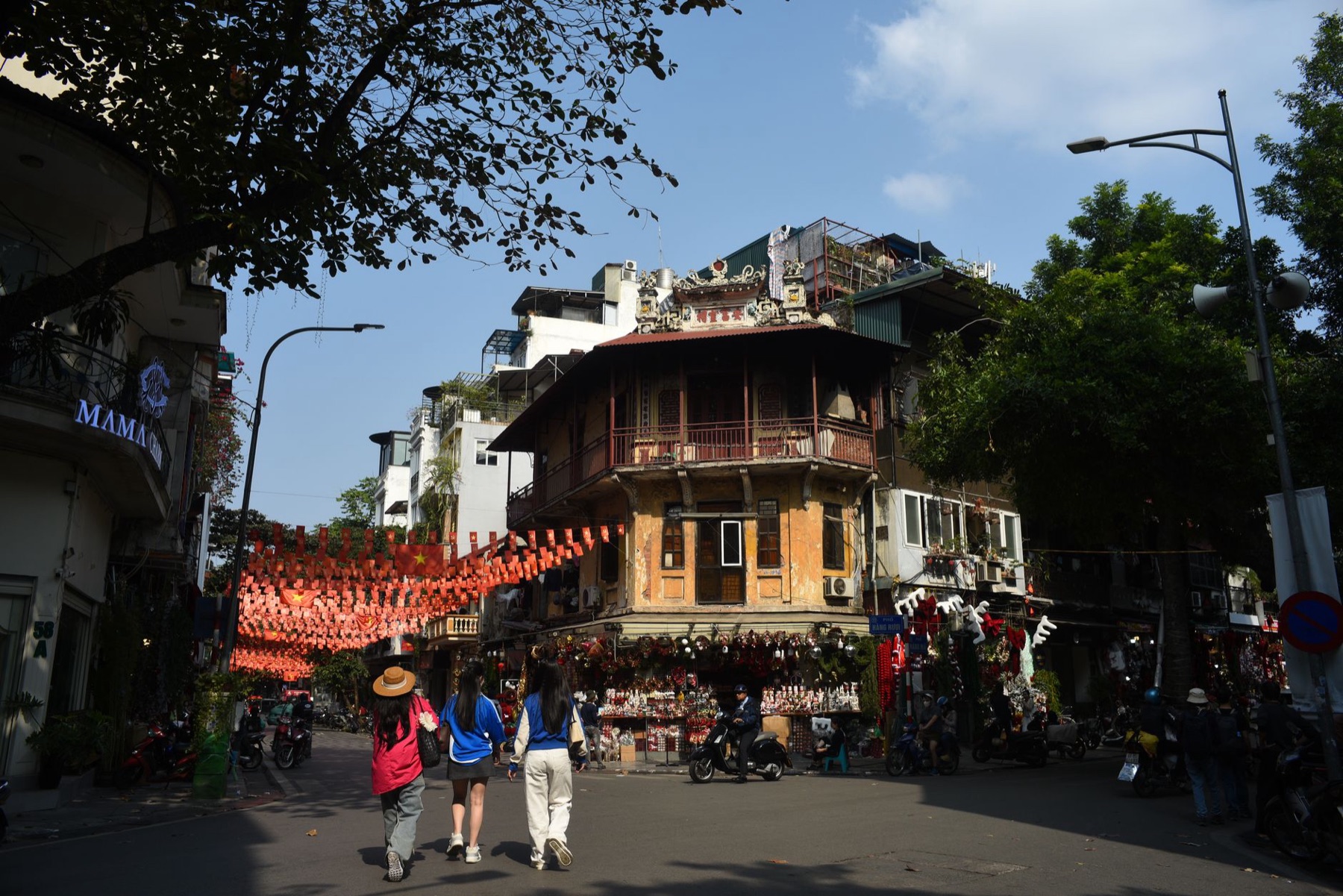
The Old Quarter (Hoan Kiem district center, around Ta Hien and Hang Dao streets) is the classic backpacker hub. Dorm beds run around 120,000–250,000 VND (~$5–10 USD) per night; private rooms 300,000–600,000 VND (~$12–24). You'll share narrow streets with street-food carts, neon signs, and thousands of other travelers. It's loud until 2–3 a.m., touristy, and full of scams (fake tours, overpriced drinks, motorbike rental tricks). But the energy is real, you'll meet people instantly, and pho shops are open 24/7 at rock-bottom prices. Skip the bars on Ta Hien itself—they're inflated and full of touts. Instead, walk two streets back to local beer joints where a liter costs 30,000–50,000 VND (~$1.20–2).
What you get: instant community, walking distance to Hoan Kiem Lake, cheap everything. What you lose: sleep, personal space, authentic local Hanoi.
What's the sweet spot for mid-range travelers seeking comfort and walkability?
Stay near Hoan Kiem Lake proper—the quieter east and north shores (neighborhoods like Hang Buom, Hoan Kiem ward). Mid-range hotels here cost 800,000–1,500,000 VND (~$32–60) for a private room with AC, hot water, and a decent breakfast. You're steps from the lake's walking paths, temples, and the Water Puppet Theater box office. The neighborhood is touristy but orderly; cafes are less aggressive; restaurants don't routinely inflate prices for foreigners if you stick to family-run places (avoid those with laminated menus and staff outside). Grab a coffee for 25,000–40,000 VND (~$1–1.60) and sit lake-side. The French Quarter (Hoan Kiem district south side, near Ly Thai To statue) is nearby and walkable.
Key trade-off: you pay more for calm; you lose the raw backpacker scene; you gain a functioning night's sleep and locals who ignore you.
Is the French Quarter worth the extra cost?
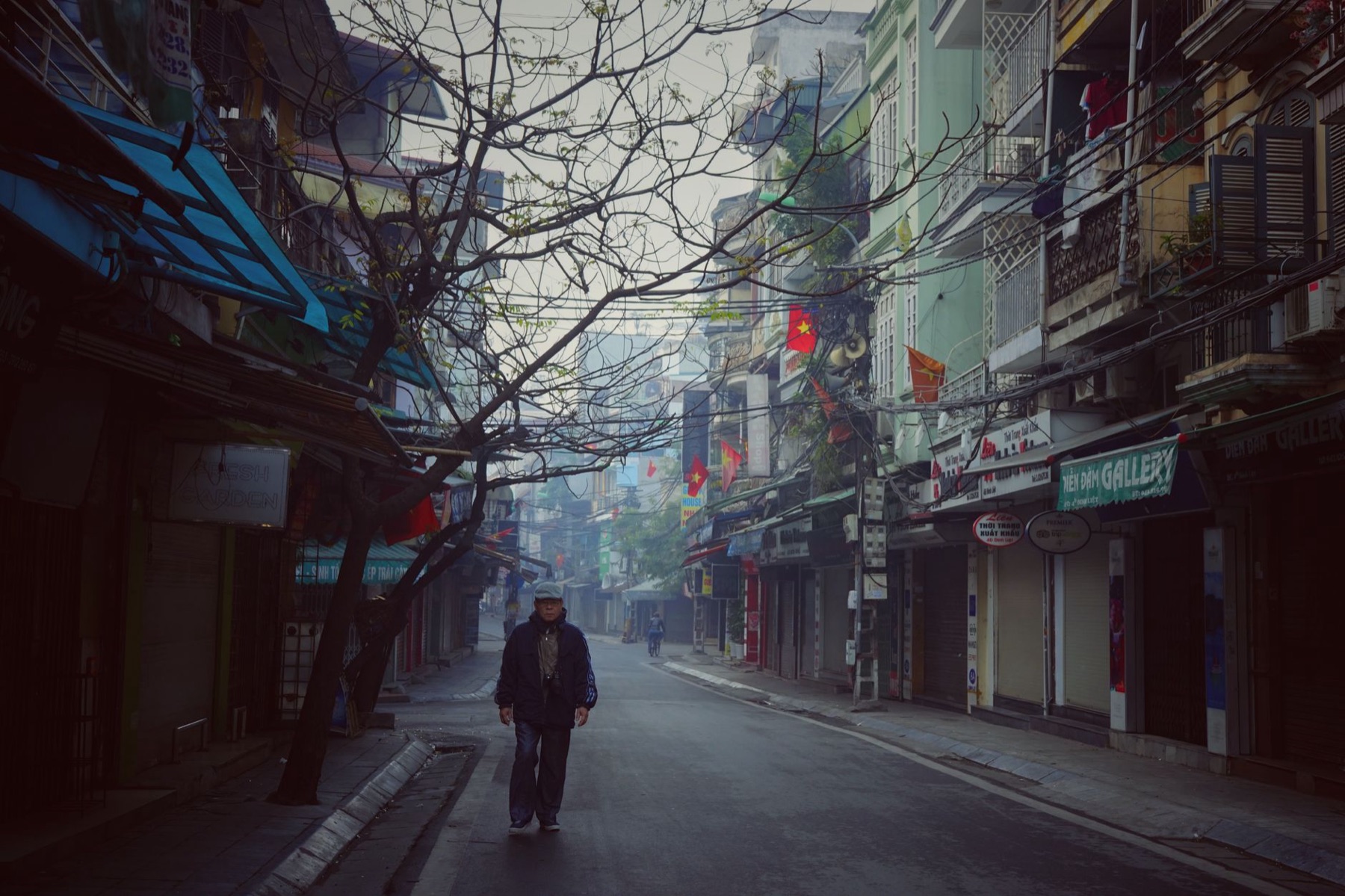
Yes, if you value heritage and quiet. The area around Trang Tien, Hang Dao (south section), and streets near St. Joseph Cathedral has restored colonial villas turned into boutique hotels, 1,200,000–2,500,000 VND (~$48–100) per night for style. Walk past yellow-shuttered buildings, sip egg coffee (ca phe trung) in 1950s-style cafes for 35,000–50,000 VND (~$1.40–2), and you'll feel the old Hanoi. The downside: it's almost too curated; locals rarely live here anymore. Restaurants are upscale and aimed at tourists; a bowl of pho costs 50,000–80,000 VND (~$2–3.20), double the Old Quarter. If you're here 2–3 nights, do it; if you're staying a week, you'll get bored of the performance.
Real talk: tourists photograph each other. Genuine old-Hanoi feeling happens elsewhere (see: Tay Ho, Ba Dinh).
Should families or remote workers consider upscale neighborhoods like Tay Ho?
Tay Ho (northwest lakeside, Tay Ho district) is where expats and wealthy Vietnamese live. Hotels run 2,000,000–4,000,000+ VND (~$80–160+). You get spacious rooms, gyms, reliable WiFi, western-style breakfasts, and zero hassle. The vibe is utterly quiet—tree-lined streets, French-style villas, yoga studios, craft coffee shops. Kids can run around safely; you can work uninterrupted. The catch: you're isolated from core Hanoi attractions (20–30 minutes by taxi to Old Quarter); dining is limited unless you ride to restaurants; the neighborhood feels sterile. A taxi or Grab costs around 80,000–150,000 VND (~$3–6) per trip into the center. Best for: remote workers (2+ weeks), families with young kids, travelers who hate crowds and don't care about "authentic" anything.
Not for: first-time visitors on a tight schedule; anyone wanting to walk to markets or temples.
Which emerging neighborhoods offer local vibes without backpacker fatigue?
Ba Dinh district (west of Old Quarter, around Hang Trong and Pho Hue) is where young Vietnamese professionals live now. Hotels are sparse but growing: 500,000–1,200,000 VND (~$20–48) for good rooms with personality. You'll find real cafes (not tourist traps), bia hoi corner bars where locals gather, and street food that hasn't been packaged for photo ops. Tran Hung Dao street has night markets; Hoang Cau Lake is peaceful. The trade-off: fewer English speakers, fewer tourist services, fewer people like you. If you can navigate Grab and ask taxi drivers, you'll eat better and spend less.
Hai Ba Trung district (southeast, near Tran Tien Park) is also underrated: quieter than Old Quarter, cheaper than French Quarter, real neighborhoods where families live. Hotels 600,000–1,100,000 VND (~$24–44). Walk to Hang Bac market or Dong Xuan Market (Hoan Kiem district north)—both are actual working markets, not tourist performances.
Best angle: these areas are where your money stretches hardest and where you'll remember Hanoi as a real city, not a checklist.
---
Stay-Type Comparison: Find Your Match
| Neighborhood | Budget (VND/night) | Best For | Noise Level | Tourist Density | Vibe |
|---|---|---|---|---|---|
| Old Quarter | 120k–600k | Backpackers, first-timers, nightlife | Very High | Extreme | Chaotic, social, young |
| Hoan Kiem Lake (north/east) | 800k–1.5M | Couples, families, rest days | Medium | High | Calm, walkable, central |
| French Quarter | 1.2M–2.5M+ | Heritage lovers, photographers, quiet | Low | Medium–High | Curated, photogenic, touristy |
| Tay Ho | 2M–4M+ | Remote workers, expat families, luxury-seeking | Very Low | Very Low | Isolated, spacious, sterile |
| Ba Dinh / Hai Ba Trung | 500k–1.2M | Local experience, budget-conscious, long stays | Medium | Low | Real, walkable, hidden |
---
🗺️ Plan your route: Vietnam itinerary
What to Check Before You Book
- WiFi speed: Hanoi hotels often advertise WiFi; many don't deliver. Ask for a test link before paying (especially if you're working). Fiber is available in central areas but not guaranteed.
- Water & AC: Power cuts happen (rare but real). Confirm the hotel has backup. AC units are loud in budget places—test the room before committing.
- Checkout & noise: Some hotels check out at 10 a.m. sharp, with no luggage storage. Ask. Also: do walls go floor-to-ceiling? Corner rooms are louder. Request a quieter floor upfront.
- Inclusion of breakfast: A "free breakfast" in budget hotels might be instant noodles or stale bread. Know what you're getting.
- Taxi scams from hotel staff: Ask the hotel for a fair taxi fare estimate before you leave. Some staff earn commissions from dodgy drivers. Use Grab instead (app-based, no surprises).
- Visa & e-SIM: If arriving without a Vietnam e-visa, it takes 3–5 business days by online service. Sort this before you book flights. Once you land, a Vietnam e-SIM keeps you connected without hunting SIM cards.
---
📸 Book an ao dai photoshoot in Hanoi or Saigon (Cáo Studio)
Real Scams to Avoid in Every Neighborhood
Old Quarter: "You want motorbike tour?" → they drop you at fake shops where staff pressure you to buy fake goods. Reply: "No, I booked already." Stick to reputable motorbike tour shops or skip this entirely.
French Quarter & Hoan Kiem: Cyclo drivers quoting prices then tripling them at the end. Use Grab only. Cyclo rides should cost 100,000–150,000 VND (~$4–6) for 20 minutes; if quoted 300,000, walk away.
All areas: Unmarked taxis (not Vinasun or Hanoi Taxi branded) often run the meter backward or take long routes. Grab is safer; fares are locked upfront.
---
Why Location Matters: A Decision Framework
Your choice determines what you eat, how much you spend, who you meet, and whether you sleep well. Hanoi isn't a place where "anywhere is fine"—the gap between Old Quarter chaos and Tay Ho silence is massive. Ask yourself:
- How long are you staying? (3 days = lake area or French Quarter; 1–2 weeks = Ba Dinh or Hai Ba Trung; remote work = Tay Ho or co-working spaces in Ba Dinh)
- Do you travel with people or solo? (Solo + no Vietnamese = Old Quarter; Couples = Lake area; Groups of friends = Old Quarter or Ba Dinh)
- What's your daily priority? (Eating street food = Old Quarter or Ba Dinh; Sleeping 8 hours = French Quarter or Tay Ho; Exploring temples = any central area)
- How much will you eat out? (If every meal is street-side = Old Quarter saves money; if you want restaurant options = Tay Ho or French Quarter)
---
Where to Go Beyond Your Hotel
Once you've picked your base, explore our full Hanoi guide for day trips and neighborhoods. Many travelers cluster in Old Quarter then wonder why they haven't seen the real city. Plan an evening in Ba Dinh market, a morning at Dong Xuan (Hoan Kiem north), a day trip to Ninh Binh or Ha Long Bay, or a night in Sapa for mountain cool-down. From Hanoi, you can also loop to Hoi An or Ho Chi Minh City.
Before you go, grab a Vietnam e-visa and a local e-SIM to avoid roaming charges and stay independent.
---
🎟️ Compare tours & tickets for this place
FAQ
Is the Old Quarter safe for solo travelers?
Yes. Petty theft (bag slashing, pickpockets in crowds) is the real risk, not violence. Keep valuables in your front pocket or a cross-body bag. Avoid very drunk crowds late night. Women travelers report harassment (catcalls, invasive photos); ignore and walk briskly. It's normal backpacker chaos, not dangerous.
Do Hanoi hotels include breakfast? Is it any good?
Mid-range hotels usually include a basic breakfast (bread, jam, instant coffee, sometimes eggs). Budget places rarely do. Upscale ones offer egg coffee, pho options, fresh fruit. It's rarely memorable—plan to eat breakfast at a local cafe instead (30,000 VND / ~$1.20 for excellent pho).
What's the cheapest month to visit Hanoi, and does location affect that?
May–August is hot and humid; hotels drop prices 10–20% in June–August. Old Quarter rates stay relatively stable (backpackers come regardless); lake area and French Quarter see bigger discounts. Winter (November–January) is peak season and most expensive across all neighborhoods.
Can I negotiate hotel prices directly, or is that insulting?
For budget & mid-range hotels (not international chains), a polite "is that your best rate?" often works, especially off-season or for 3+ night stays. Expect 5–10% off max. High-end hotels won't budge. Always check Grab or Booking first so you know the going rate—don't overpay out of politeness.
How do I get from my hotel to attractions without Grab taxis?
Walk (Hanoi is compact downtown). Use Grab (cheaper, safer, no haggling). Rent a motorbike if confident (~200,000 VND / ~$8 per day) but Hanoi traffic is chaotic—not beginner-friendly. Public buses exist but routes are confusing; signs are in Vietnamese only. Skip cyclos unless you want a tourist experience, not transport.
FAQ
Is the Old Quarter safe for solo travelers?
Yes. Petty theft (bag slashing, pickpockets in crowds) is the real risk, not violence. Keep valuables in your front pocket or a cross-body bag. Avoid very drunk crowds late night. Women travelers report harassment (catcalls, invasive photos); ignore and walk briskly. It's normal backpacker chaos, not dangerous.
Do Hanoi hotels include breakfast? Is it any good?
Mid-range hotels usually include a basic breakfast (bread, jam, instant coffee, sometimes eggs). Budget places rarely do. Upscale ones offer egg coffee, pho options, fresh fruit. It's rarely memorable—plan to eat breakfast at a local cafe instead (30,000 VND / ~$1.20 for excellent pho).
What's the cheapest month to visit Hanoi, and does location affect that?
May–August is hot and humid; hotels drop prices 10–20% in June–August. Old Quarter rates stay relatively stable (backpackers come regardless); lake area and French Quarter see bigger discounts. Winter (November–January) is peak season and most expensive across all neighborhoods.
Can I negotiate hotel prices directly, or is that insulting?
For budget & mid-range hotels (not international chains), a polite "is that your best rate?" often works, especially off-season or for 3+ night stays. Expect 5–10% off max. High-end hotels won't budge. Always check Grab or Booking first so you know the going rate—don't overpay out of politeness.
How do I get from my hotel to attractions without Grab taxis?
Walk (Hanoi is compact downtown). Use Grab (cheaper, safer, no haggling). Rent a motorbike if confident (~200,000 VND / ~$8 per day) but Hanoi traffic is chaotic—not beginner-friendly. Public buses exist but routes are confusing; signs are in Vietnamese only. Skip cyclos unless you want a tourist experience, not transport.
More: Hanoi guide · Where to stay in Hanoi