Hanoi · Where to stay
Where to Stay in Hanoi 2026: Real Neighborhoods, Honest Picks
By Wander in Vietnam editorial team · Hanoi, Vietnam
Deciding where to sleep in Hanoi shapes your entire trip. You're not just picking a bed—you're choosing which Hanoi you experience: the 1,000-year-old market chaos, the tree-lined colonial calm, or the modern lake-facing retreat. We've lived here long enough to see which neighborhoods suit which travelers, and which ones disappoint. Let's cut through the noise.
Which neighborhood feels right for my travel style?
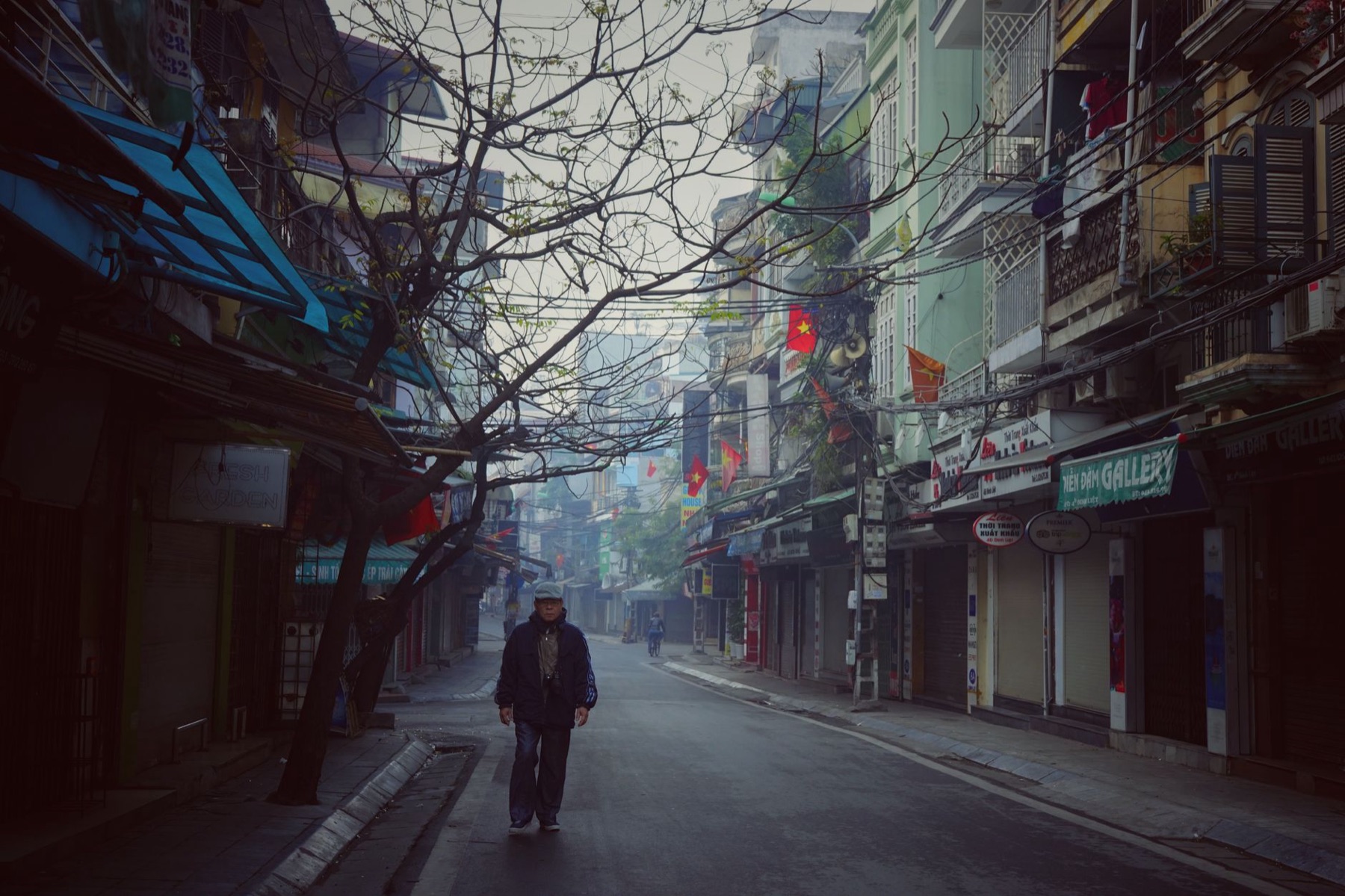
Hanoi splits into distinct zones, each with its own rhythm. Old Quarter explodes with energy—narrow streets, food stalls until 11 p.m., motorbike symphonies, zero personal space. French Quarter (Ba Đình district) breathes slowly: tree shadows on quiet streets, coffee shops where locals sit for three hours, colonial villas. Tây Hồ (West Lake) floats apart—mostly expats, joggers, upmarket restaurants. Hoan Kiem lakeside offers a middle ground: central, touristy but less frenetic than Old Quarter, walkable. For peace: go Ba Đình or the lanes around Truc Bach Lake. For adventure: Old Quarter, period.
🗺️ Plan your route: Vietnam itinerary
What's the real cost difference between neighborhoods?
| Neighborhood | Nightly Budget (USD) | Typical Guest Type | What You Get |
|---|---|---|---|
| Old Quarter | $8–18 | Backpackers, social travelers | Noisy, walkable, street food, hostel scene |
| French Quarter (Ba Đình) | $25–70 | Mid-range couples, older travelers | Quiet, colonial feel, upscale cafés, fewer foreigners |
| Tây Hồ | $40–120+ | Expats, luxury seekers | Lake views, modern amenities, restaurants, less authentic |
| Hoan Kiem Lakeside | $30–80 | Mixed mid-to-upmarket | Central, some lake breeze, tourist-friendly, moderate pricing |
| Dong Da / Cau Giay | $15–35 | Digital nomads, long-stayers | Residential, less touristy, café culture, affordable |
Old Quarter stays are budget guesthouses or backpacker boxes (shared bathroom, thin walls, fan only). French Quarter offers character boutique properties, design-conscious mid-range places. Tây Hồ and Hoan Kiem command premium rates for location or amenities. Dong Da and Cau Giay deliver value: real neighborhoods where Vietnamese live, good café scenes, rents half of Old Quarter.
How do I actually move around once I pick a neighborhood?
Most Hanoi visitors rent a motorbike or use grab (ride-hailing app, $1–3 per trip across the city). If you're in Old Quarter, forget wheels—you walk. Streets are so narrow they're pedestrian-only or motorbike-only, and parking is a nightmare. French Quarter is walkable too; most cafés and shops sit within ten minutes on foot. Tây Hồ and outlying areas demand transport. Download Grab and carry your hotel card written in Vietnamese to show taxi drivers. Hanoi traffic is chaos with rules; taxis are safer for first timers, but motorbike taxis (xe ôm) are $0.50 for close runs. Get an eSIM for Vietnam so you have data everywhere—crucial for navigation and booking.
📸 Book an ao dai photoshoot in Hanoi or Saigon (Cáo Studio)
What street-level details should change my choice?
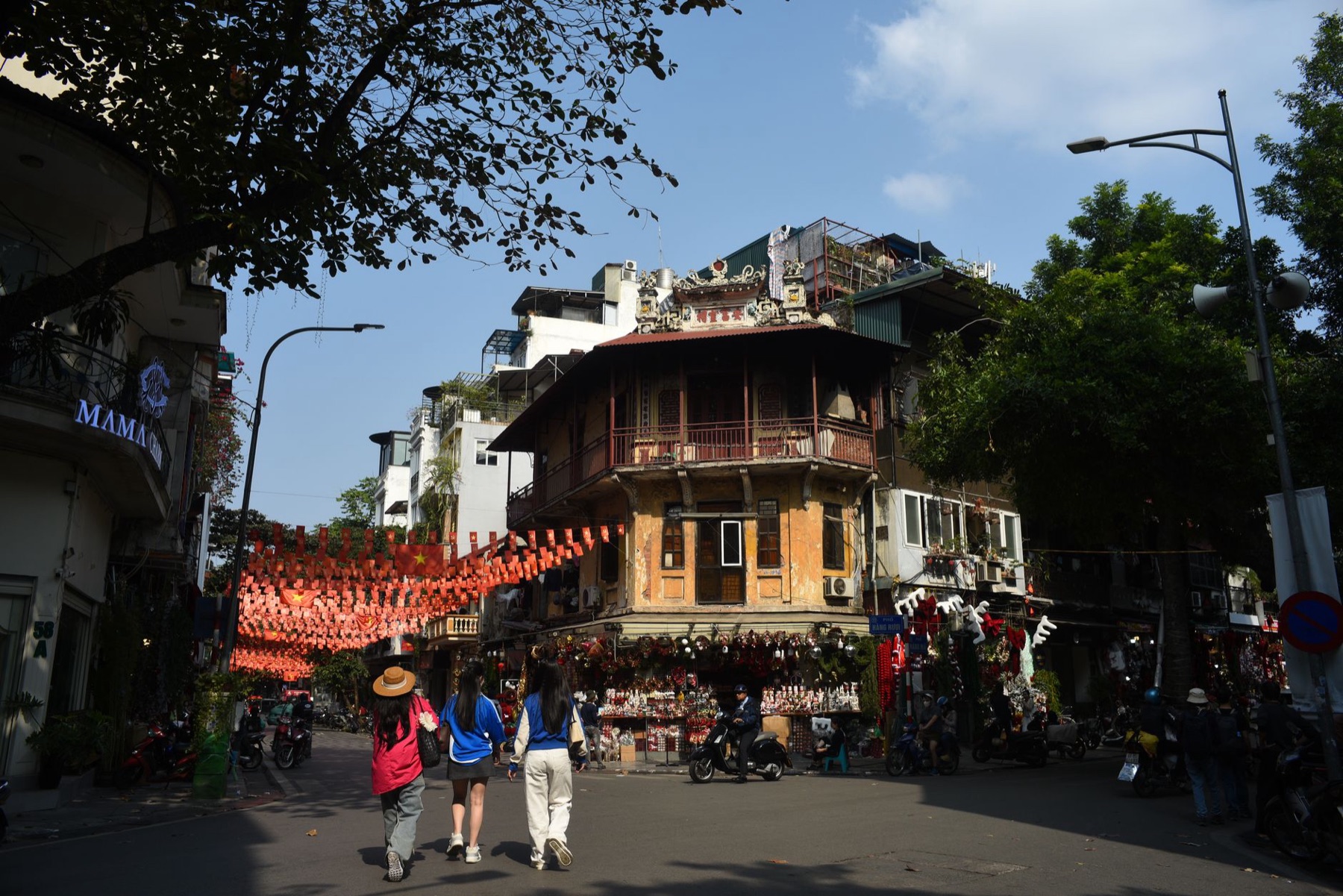
Old Quarter: Hang Ngang and Hang Dao streets are the tourism core (tacky, loud, overpriced beer). Go deeper into Hang Dieu or Lan Ong (medicinal herbs) for quieter pockets. French Quarter: Nguyen Huu Huan and the lanes around Saint Joseph Cathedral are calm, colonial, lined with heritage. Avoid the main drag (Hang Bai) near Hoan Kiem Lake—it's a tourist corridor. Tây Hồ: Tay Ho Road hugs the water (scenic but noisy); side streets (Nghi Tam, Thao Dien) are where expat homes cluster. Hoan Kiem: Streets around the lake itself (Ngo Quyen, Trang Tien) are walkable but tourist-thick. Dong Da: Tran Hung Dao is a real local street with no tourist shops—restaurants where Vietnamese families dine, motorbike repair stalls, fruit vendors. That's the real Hanoi.
Quiet neighborhoods often mean fewer food options at your doorstep, but better sleep. Touristy areas mean restaurants everywhere, but sirens and drunk tourists at 2 a.m. Choose based on your sleep sensitivity.
What scams or frustrations hit first-time bookers?
Old Quarter guesthouses often show one room online, give you a smaller one with a window facing a wall. Confirm room details by email photo, not just words. Noise complaints are normal here—it's not the hotel's fault, it's the neighborhood. If silence matters, don't stay in Old Quarter. Some properties quote prices in USD, charge in VND at a bad rate, or add "city tax" ($1–2/night) not mentioned upfront. Ask for the final VND total in writing before booking. Tây Hồ and Hoan Kiem lake-view properties charge premium rates; you're often paying for the view, not the cleanliness or breakfast. Mid-range French Quarter places are usually honest, but check for mold in bathrooms (common in humidity). Booking apps sometimes show outdated photos; call the property directly or message via WhatsApp to confirm current conditions.
Tourist police scams are rare in hotels but common outside: overpriced "museum tickets," fake tour guides. Stay with registered tour operators. Book through your hotel's concierge or trusted platforms.
🎟️ Compare tours & tickets for this place
Where should you actually not stay?
Avoid Hang Bac and Hang Be in Old Quarter (pure tourist overload, no soul). Avoid properties claiming "Old Quarter" but listing an address outside it (you'll walk 20 minutes to the action). Don't stay in suburbs like Thanh Xuan or Ha Dong unless you're there for work; there's no tourist infrastructure, and you'll spend your budget on transport to reach anything. Very cheap Old Quarter dives (under $8/night) often have water pressure issues, bedbugs, or internet that doesn't work—not worth the $5 savings.
How to decide: a simple checklist
- [ ] Budget: Under $25/night → Old Quarter. $25–60 → French Quarter or Dong Da. Over $60 → Tây Hồ or Hoan Kiem.
- [ ] Pace: Want energy and chaos → Old Quarter. Want calm and trees → French Quarter. Want modern comfort → Tây Hồ.
- [ ] Sleep quality matters: French Quarter or Dong Da. Sleep is negotiable: Old Quarter.
- [ ] Walking priority: Old Quarter, French Quarter, or Hoan Kiem. Car reliance OK: Tây Hồ.
- [ ] Confirm room photos, final price in VND, and cancel policy before paying.
- [ ] Message the hotel directly, not just through booking apps.
- [ ] Check Google Maps reviews, but ignore extremes (one well-made and one one-star per property are typical).
---
Before You Commit: Real Things to Check
Noise level. If Old Quarter, call them at 10 p.m., ask about soundproofing. If you're sensitive, it won't help—book French Quarter instead.
Water pressure and hot water. Ask "Is hot water reliable?" Cheaper places may have it only 6–8 a.m.
Breakfast. Budget places offer instant coffee and bread. Mid-range offers real Vietnamese breakfast (egg, rice). Confirm what you'll actually get.
Internet speed. Ask for a test link. Slow WiFi ruins long-stayer plans.
Cancellation. Never pay non-refundable rates for first-time Hanoi unless the deal is too good to pass up. One night free or 50% off usually has a catch.
Airport transfer. Many hotels offer it; ask cost ($12–20 typical). Grab is cheaper ($8–12) but needs your app ready.
---
Hanoi rewards travelers who pick the right fit and learn the neighborhood's rhythm. Spend your first night reading local cafés, talking to staff, walking the streets at dawn—that's when you'll know if you made the right call. Most of us move neighborhoods after a week anyway as we get comfortable.
For your trip planning, check our main Hanoi guide for food, markets, and day trips. If you're stitching together a longer route, use the Vietnam itinerary planner to balance Hanoi with Ha Long Bay, Hoi An, Sapa, and Ho Chi Minh City. And if you want a keepsake of your Hanoi stay—or a professional shot in an áo dài—we run ao dai photoshoots in Hanoi with styling and makeup included. Send a gift back home with flower delivery in Hanoi.
FAQ
Is Old Quarter safe for solo travelers at night?
Yes, it's busy and well-lit. Petty theft (bag snatching) is rare but possible; don't flash expensive phones or cameras. The real risk is traffic crossings, not crime. Walk confidently and use crosswalks.
Which neighborhood is best for a one-week first visit?
Old Quarter for three nights to experience Hanoi's energy, then French Quarter for three nights to recover in calm. Hanoi shows both sides—touristy and local—in that blend. Add day trips from there.
Can I negotiate nightly rates at guesthouses directly?
Yes, especially at budget places and for stays over five nights. Walk in, ask in person, avoid booking apps for negotiation. Expect 10–15% off. Don't expect discounts at mid-range or upmarket properties; they have fixed systems.
What's the best time of year to visit Hanoi, and does it affect where I stay?
September–November (cool, dry) and March–April (warm, clear). Summer (June–August) is hot and humid; winter (December–February) is cool but smoggy. Budget travelers stay in Old Quarter year-round; heat-sensitive travelers should pick French Quarter's shade in summer.
Do I need to book accommodation before arriving, or can I walk in and find a room?
You can walk in, but October–March books out; reserve two weeks ahead then. May–August and September are easier to find rooms on arrival. First timers should pre-book for peace of mind; you can always cancel (confirm policy) if plans change.
Is Tây Hồ worth the extra cost, or should I stick to central Hanoi?
Tây Hồ is slower and more expat; central Hanoi (Old Quarter, French Quarter) is more authentically Vietnamese. Tây Hồ suits couples wanting calm and restaurants; backpackers skip it. If you have a short trip, stay central and day-trip to Tây Hồ for brunch.
FAQ
Is Old Quarter safe for solo travelers at night?
Yes, it's busy and well-lit. Petty theft (bag snatching) is rare but possible; don't flash expensive phones or cameras. The real risk is traffic crossings, not crime. Walk confidently and use crosswalks.
Which neighborhood is best for a one-week first visit?
Old Quarter for three nights to experience Hanoi's energy, then French Quarter for three nights to recover in calm. Hanoi shows both sides—touristy and local—in that blend. Add day trips from there.
Can I negotiate nightly rates at guesthouses directly?
Yes, especially at budget places and for stays over five nights. Walk in, ask in person, avoid booking apps for negotiation. Expect 10–15% off. Don't expect discounts at mid-range or upmarket properties; they have fixed systems.
What's the best time of year to visit Hanoi, and does it affect where I stay?
September–November (cool, dry) and March–April (warm, clear). Summer (June–August) is hot and humid; winter (December–February) is cool but smoggy. Budget travelers stay in Old Quarter year-round; heat-sensitive travelers should pick French Quarter's shade in summer.
Do I need to book accommodation before arriving, or can I walk in and find a room?
You can walk in, but October–March books out; reserve two weeks ahead then. May–August and September are easier to find rooms on arrival. First timers should pre-book for peace of mind; you can always cancel (confirm policy) if plans change.
Is Tây Hồ worth the extra cost, or should I stick to central Hanoi?
Tây Hồ is slower and more expat; central Hanoi (Old Quarter, French Quarter) is more authentically Vietnamese. Tây Hồ suits couples wanting calm and restaurants; backpackers skip it. If you have a short trip, stay central and day-trip to Tây Hồ for brunch.
More: Hanoi guide · Where to stay in Hanoi