Hanoi · Where to stay
Where to Stay in Hanoi: A Resident's Neighborhood Guide
By Wander in Vietnam editorial team · Hanoi, Vietnam
Hanoi's 32 wards sprawl across diverse districts, each with distinct vibes, price points, and traveler types. Choosing where to stay shapes your entire experience—where you eat, who you meet, and how you move around the city. We'll walk through neighborhoods most travelers actually use, honest costs, and what each delivers.
Which Hanoi neighborhood matches your trip style?
Your first choice: are you here for nightlife, quiet work, cultural immersion, or business meetings? Old Quarter pulses until 3 a.m.; French Quarter closes by 10 p.m.; Tay Ho feels like a wealthy suburb; Ba Dinh is transit-focused. Budget ranges from around 200,000–400,000 VND per night (US$8–16) in backpacker hostels to 2,000,000+ VND (US$80+) in boutique colonial hotels. Trip length matters: one week suits wandering; two weeks justifies a quieter neighborhood; a month demands a residential area with supermarkets and cafes.
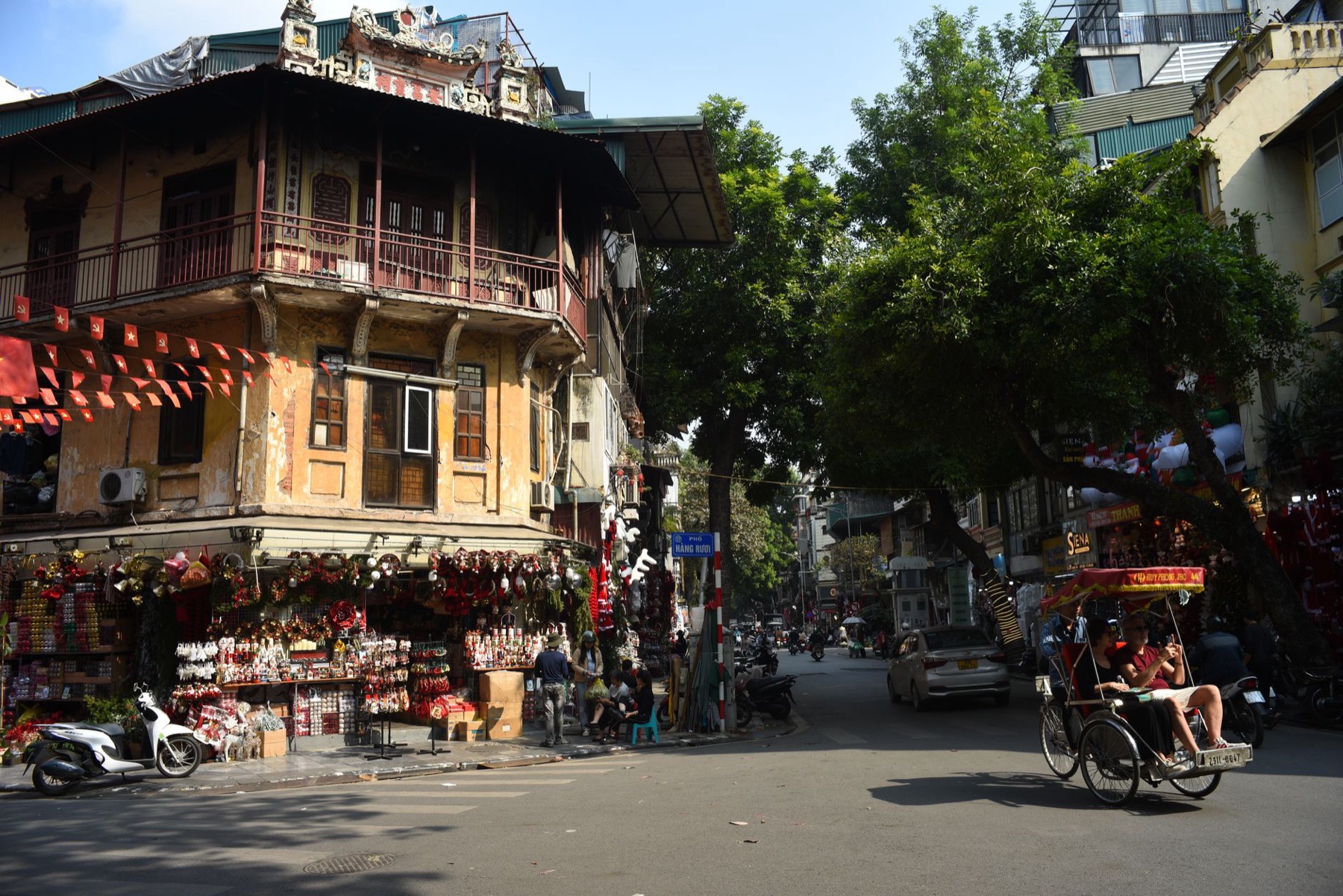
Old Quarter (Hoan Kiem): Why it's chaotic and why travelers love it
Old Quarter (Quan Co) sits north of Hoan Kiem Lake and never sleeps. Narrow streets (Ta Hien, Ma May, Hang Bac) are crammed with hostels, streetside beer stalls, and tour operators. You'll find guesthouses around 250,000–450,000 VND (US$10–18) per night—basic rooms, thin walls, but steps from everything. Bia Hoi (fresh beer) costs around 10,000–20,000 VND (US$0.40–0.80) per glass. Night markets run past 2 a.m. Noise is relentless; pick a room facing an internal courtyard if you sleep before midnight.
Honest take: Old Quarter works brilliantly if you're 18–35 and here for 3–5 days. If you're working remotely or want quiet mornings, skip it. Scams: fake cyclo tours ("special price for you"), overpriced beer at tourist traps on Ta Hien, and tuk-tuks quoting double the metered rate. Ask locals for the actual meter price (normally 12,000–15,000 VND per kilometer).
What to actually do here: Breakfast at a pho stall (30,000–50,000 VND / US$1.20–2) before 8 a.m., temple visits by 9 a.m., afternoon coffee at a hole-in-the-wall cafe, evening streetside dinner, then night market stroll.
French Quarter (Hoan Kiem): Colonial calm and mid-range pricing
French Quarter (Quan Tay) spreads west and south from Hoan Kiem Lake. Tree-lined streets, colonial villas converted into hotels, and cafes with actual chairs define this zone. Mid-range hotels run 600,000–1,200,000 VND (US$24–48) per night; upscale colonial boutique hotels reach 1,500,000–2,500,000 VND (US$60–100). Coffee sits at 30,000–80,000 VND (US$1.20–3.20) depending on where you sit. This is Hanoi's slowest neighborhood.
Why stay here: You're writing a book, attending meetings, or want Instagram-ready backdrops without Old Quarter chaos. Nearby shops (Hang Gai for silk, Nha Tho for galleries) are walkable. Hoan Kiem Lake itself is free and beautiful for morning runs or evening strolls.
Honest weakness: Fewer cheap eats; restaurants cater to expat budgets. Nightlife is mild. Tourist density is still high, but less rowdy. Pickpocketing around the lake at night is rare but possible—keep phones in front pockets.
Real costs: Lunch at a tourist-friendly restaurant runs 150,000–250,000 VND (US$6–10); street food is half that.
Tay Ho (Ba Dinh): For travelers who want space and expat vibes
Tay Ho hugs the western shore of the Red River. It's Hanoi's upscale residential zone: tree-lined streets, international schools, yoga studios, and wine bars. Hotels start around 800,000 VND (US$32) for decent mid-range; luxury reaches 3,000,000+ VND (US$120+). Coffee and brunch reflect expat prices: 80,000–150,000 VND (US$3.20–6).
Who belongs here: Couples wanting a quieter base, business travelers staying 2+ weeks, families renting apartments. It's genuinely peaceful. Restaurants are better than Old Quarter; supermarkets (WinMart, Saigon Co-op) stock Western goods. Cycling the lake loop at sunset is free and recommended.
The trade-off: You're 15–20 minutes by taxi from Old Quarter attractions. Nightlife doesn't exist. Fewer backpackers means fewer impromptu friendships. Taxis to central Hanoi cost around 60,000–100,000 VND (US$2.40–4).
What to check: Tay Ho's appeal fades fast if you want daily chaos or cheap mass tourism. It's a neighborhood to live, not just visit for three days.
Ba Dinh (Ba Dinh): Business district convenience without character
Ba Dinh spreads around the Ho Chi Minh Mausoleum and Hanoi Opera House. It's Hanoi's administrative core. International business hotels dominate: from 700,000 VND (US$28) for reliable mid-range chains to 2,000,000+ VND (US$80+) for 4-star properties. Restaurants cater to business lunches; prices reflect that (200,000–400,000 VND / US$8–16 for a meal). Public transport access is strong; the city's main boulevards run through here.
Ideal for: Meetings, visa interviews at embassies, one-night stopovers, travelers uncomfortable with Old Quarter culture. Nothing bad happens here; it's just functional.
Honest assessment: Zero character, generic chain cafes, quiet streets that feel empty by 9 p.m. Business travelers find it efficient. Leisure travelers find it boring. Skip unless you have meetings here.
Emerging neighborhoods: Hoan Kiem's quieter edges and Dong Da alternatives
If you've been to Hanoi before, consider Hoan Kiem's southern edges (around Trang Tien) or Dong Da district. Trang Tien sits between Old Quarter chaos and French Quarter calm—less touristy, more local, 300,000–600,000 VND (US$12–24) per night. Dong Da (around Hang Trong, Thach, Hoang Nhan) is where actual Hanoians live: students, young professionals, minimal English, prices drop by 30%, no tourist infrastructure. These work for adventurous solo travelers and month-long stays; they flop for three-day first-timers.
Comparison table: Hanoi neighborhoods at a glance
| Neighborhood | Best for | Avg nightly cost | Vibe | Noise level | Walkability |
|---|---|---|---|---|---|
| Old Quarter | Backpackers, parties, nightlife | 250k–450k VND ($10–18) | Chaotic, young | High (24/7) | Excellent |
| French Quarter | Writers, couples, culture | 600k–1.2M VND ($24–48) | Colonial, slow | Low (10 p.m. cutoff) | Excellent |
| Tay Ho | Expats, couples, quiet | 800k–2M+ VND ($32–80+) | Upscale, peaceful | Low | Good (bike-friendly) |
| Ba Dinh | Business travelers | 700k–2M+ VND ($28–80+) | Administrative, dull | Low | Good |
| Dong Da (Hang Trong) | Long-term, local immersion | 200k–500k VND ($8–20) | Residential | Medium | Fair (local transport) |
---
🗺️ Plan your route: Vietnam itinerary
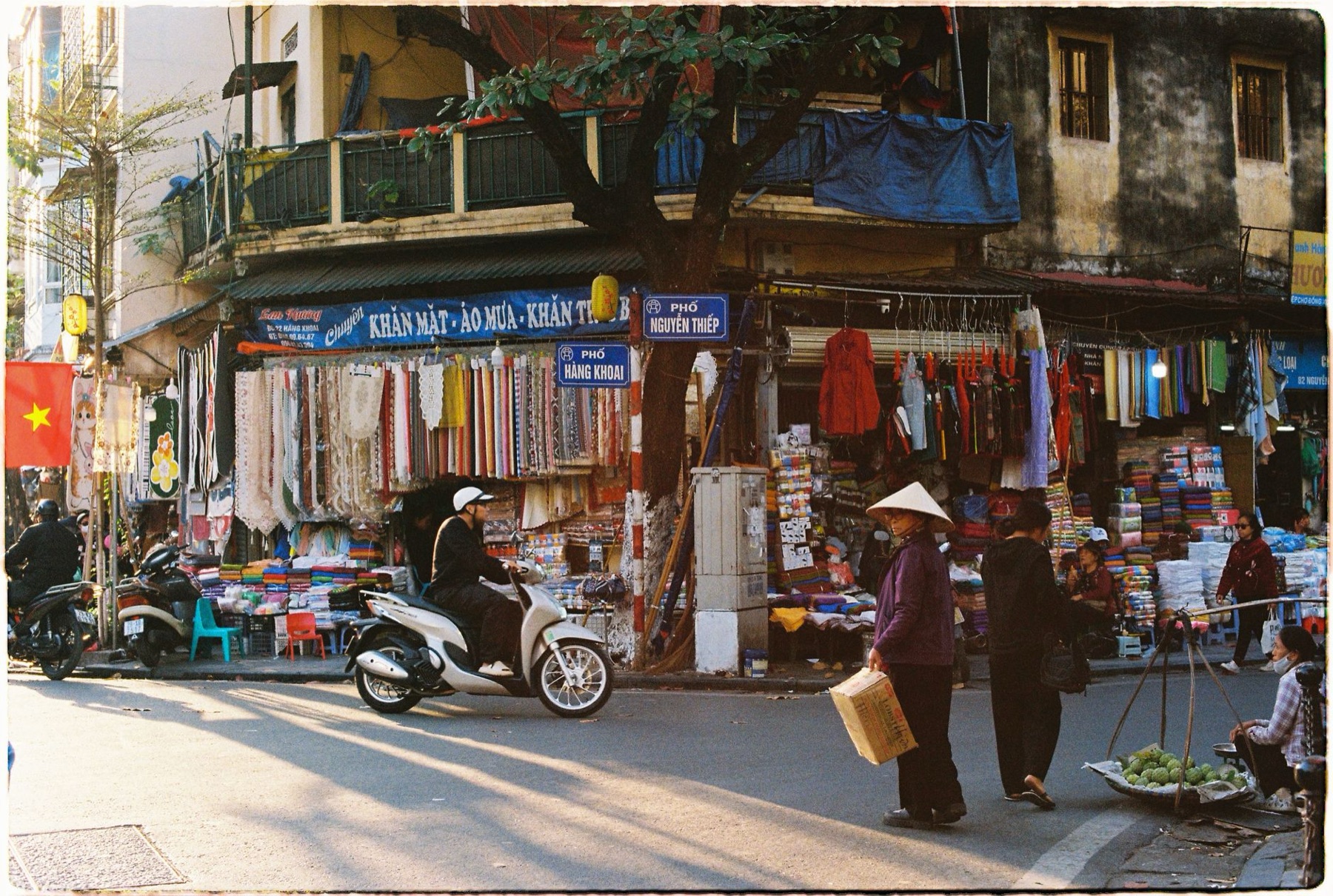
What to check before booking your Hanoi accommodation
- Noise sensitivity: Test sound-dampening by asking the hotel for a ground-floor room trial on arrival. Old Quarter's thin walls mean neighbor showers sound like waterfalls.
- Street-level flooding: Ask staff about the last major flood. Many Old Quarter properties sit slightly below street level; August–September rain has trapped guests indoors.
- WiFi reliability: Download a speed-test app and verify connection before committing. Budget guesthouses often claim WiFi that cuts out nightly.
- Taxi access: Check if the street is narrow enough to cause taxi refusals. Some Old Quarter alleys fit motorcycles only; you'll walk luggage blocks.
- Checkout flexibility: Confirm if 11 a.m. checkout is firm or negotiable. Flights depart late afternoon; knowing if you can store luggage matters.
- Cancellation terms: Wander in Vietnam always books direct via hotel websites rather than third-party apps—clearer cancellation policies and less middleman cost.
---
How long should you actually stay in each neighborhood?
- Old Quarter: 2–4 nights max. After that, fatigue sets in; the nightlife becomes a chore.
- French Quarter: 3–7 nights. It opens up with time; you'll discover cafes and galleries on revisits.
- Tay Ho: 5+ nights. The appeal compounds; you'll have favorite restaurants and routes by day five.
- Ba Dinh: 1–2 nights. Business visit only.
---
Getting around Hanoi between neighborhoods
Grab (the Southeast Asian Uber equivalent) costs around 20,000–50,000 VND (US$0.80–2) for cross-town rides. Metered taxis run 12,000–15,000 VND per kilometer; always insist on the meter. Motorbike taxis (Grab Bike) are fastest but require confidence. Buses exist but signage is in Vietnamese only; locals recommend them; tourists typically skip them. Rental bikes suit daytime cruising; don't ride at night if unfamiliar with traffic.
---
📸 Book an ao dai photoshoot in Hanoi or Saigon (Cáo Studio)
Nearby zones worth day-tripping or staying longer
If Hanoi feels crowded, nearby destinations refresh your trip without long commutes. Ha Long Bay is 3.5 hours east; overnight cruises run 1,500,000–3,000,000 VND (US$60–120) per person. Ninh Binh sits 2 hours south—limestone karsts and quiet villages, day trips or 1–2-night stays. Sapa requires 5–6 hours north, best as a 2-night detour. If staying a month in Hanoi, rotating between neighborhoods every 5–7 days beats static boredom.
Read the full Hanoi guide here or explore Vietnam's other key destinations: Ho Chi Minh City, Hoi An.
---
🎟️ Plan your route: Vietnam itinerary
A final honest take on "best" neighborhoods
There is no best. Old Quarter wins for spontaneous friendship and cheap drinks. French Quarter wins for atmosphere and sleep quality. Tay Ho wins for space and restaurants. Ba Dinh wins for transit. Dong Da wins for authenticity. Your "best" is the one matching your trip, not Instagram photos or what strangers did last year.
We recommend staying in one neighborhood 4–5 nights minimum before deciding if it fits. Many travelers book three nights in Old Quarter, realize they want quiet, then spend money moving mid-trip. If unsure, start French Quarter (quieter, central, moveable if bored) and day-trip to Old Quarter. Reverse this only if you're under 30 and hunting friendships.
---
📸 Book an ao dai photoshoot in Hanoi or Saigon (Cáo Studio)
For help choosing accommodations beyond neighborhood fit, browse Hanoi's full hotel pillar here. Want to plan your whole Vietnam journey? Use our Vietnam itinerary planner to map timing, distances, and must-sees before booking.
FAQ
Is Old Quarter safe for solo travelers?
Yes, Old Quarter has heavy police presence. Common risks are pickpocketing near the lake at night and overpriced drinks at obvious tourist bars—not violence. Walk in groups after midnight; use common sense.
Can I negotiate guesthouse rates in Hanoi?
Yes, especially for stays 5+ nights or off-season (May–August). Walk in and ask; online rates are often inflated. Expect 10–20% discounts for cash and longer bookings.
Which neighborhood is best for families with kids?
Tay Ho is safest and quietest; bike paths, parks, Western food. French Quarter works if kids enjoy walking tours and museums. Old Quarter is overstimulating for young children—noise, crowds, late-night beer culture.
How early do I need to book Hanoi accommodation?
June–August and October–November fill faster; book 2–3 weeks ahead. January–February is slower. Last-minute bookings (24 hours) still work in January but expect fewer choices and higher rates. Direct email to hotels often yields better last-minute deals than apps.
What's the actual internet speed in Hanoi guesthouses?
Varies wildly. Mid-range and above typically hit 10–30 Mbps; budget guesthouses drop to 1–5 Mbps. If you're working remotely, ask the property to run a speed test on Zoom call before arrival or visit in person first.
FAQ
Is Old Quarter safe for solo travelers?
Yes, Old Quarter has heavy police presence. Common risks are pickpocketing near the lake at night and overpriced drinks at obvious tourist bars—not violence. Walk in groups after midnight; use common sense.
Can I negotiate guesthouse rates in Hanoi?
Yes, especially for stays 5+ nights or off-season (May–August). Walk in and ask; online rates are often inflated. Expect 10–20% discounts for cash and longer bookings.
Which neighborhood is best for families with kids?
Tay Ho is safest and quietest; bike paths, parks, Western food. French Quarter works if kids enjoy walking tours and museums. Old Quarter is overstimulating for young children—noise, crowds, late-night beer culture.
How early do I need to book Hanoi accommodation?
June–August and October–November fill faster; book 2–3 weeks ahead. January–February is slower. Last-minute bookings (24 hours) still work in January but expect fewer choices and higher rates. Direct email to hotels often yields better last-minute deals than apps.
What's the actual internet speed in Hanoi guesthouses?
Varies wildly. Mid-range and above typically hit 10–30 Mbps; budget guesthouses drop to 1–5 Mbps. If you're working remotely, ask the property to run a speed test on Zoom call before arrival or visit in person first.