Hanoi · Where to stay
Where to Stay in Hanoi for First-Timers: Honest Neighborhoods & Real C
By Wander in Vietnam editorial team · Hanoi, Vietnam
First-timers often ask: "Where should I actually stay in Hanoi?" The answer depends less on amenities and more on whether you want sensory overload or sanity.
Hanoi isn't one place. It's five or six neighborhoods that feel like separate cities stacked on top of each other. You'll hear conflicting advice because someone who stayed in a quiet lake villa and someone who stayed in a 2×3-meter Old Quarter guesthouse had completely different Hanoitimes. Both are real Hanoi. Which one calls to you?
We'll walk through the neighborhoods people actually choose, the costs they face, what each feels like at 6 a.m. and 11 p.m., and the practical things that matter: noise, WiFi, breakfast, how far you are from the night train station.
Which neighborhood fits a first-timer arriving alone?
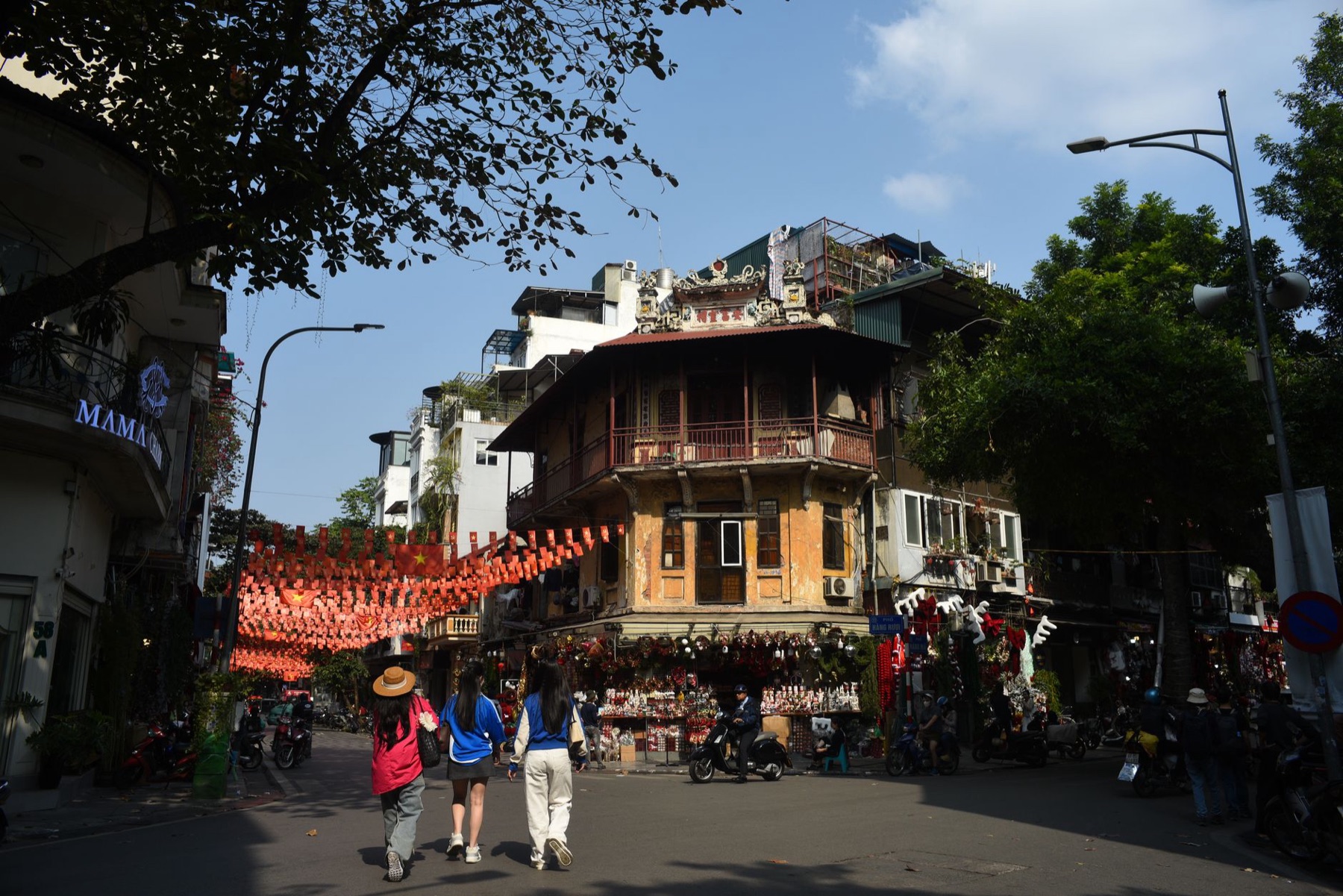
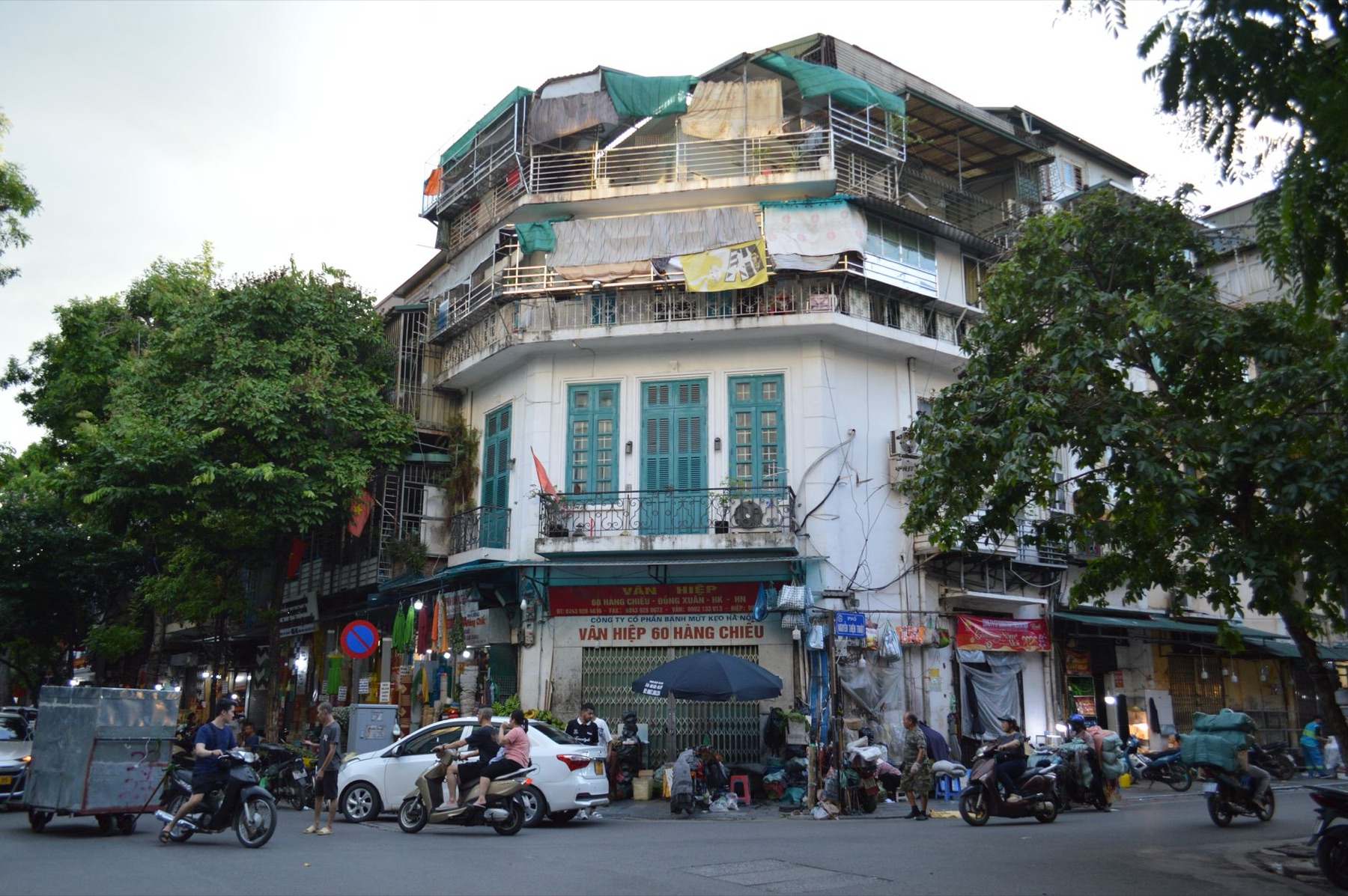
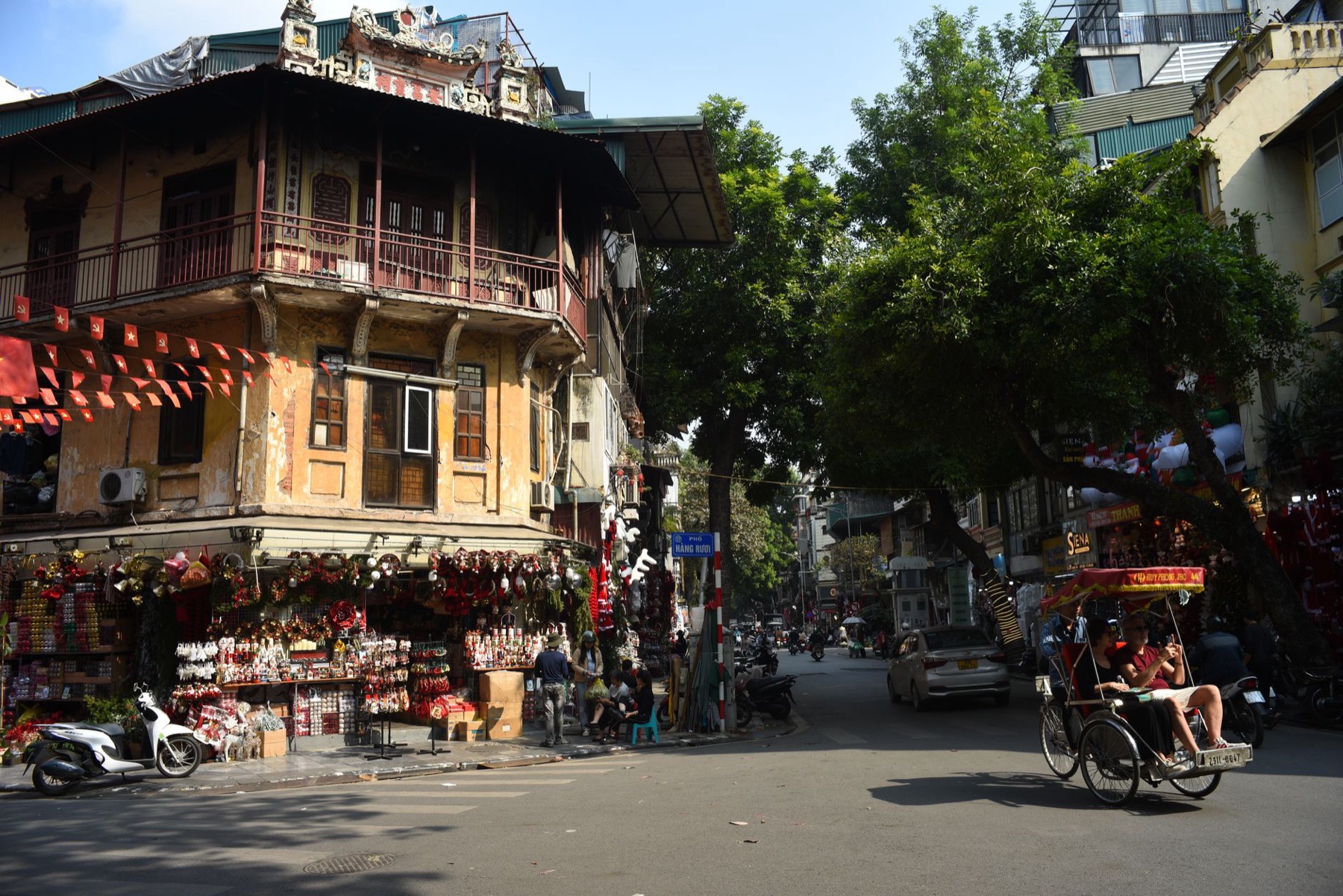
Old Quarter (Hoàn Kiếm) is where the anxiety hits. Fifty thousand people in half a square kilometer. Motorbike horns from 6 a.m. Vendors yelling "hello sister, where you from?" Pho steam rising through alleys so narrow you can touch both walls. Guesthouses here cost around 250–450k VND ($10–18 USD) per night for a clean private room; dorms start at 120–180k VND ($5–7 USD). The WiFi works. The showers are cold or temperamental. Laundry comes back in 24 hours.
Why stay here? You'll experience Hanoi raw. Hoan Kiem Lake is steps away. Restaurants open at 7 a.m. and close by 9 p.m. because they run on foot traffic, not tourism. You'll eat better street food than anywhere else in the city because vendors here cook for locals who know what they want.
Why skip it? Sleep quality is low. Noise hits peaks at 10–11 p.m. when bars open and motorbikes idle. Some travelers leave after two days, shaken. Others extend their stay and laugh about it later.
French Quarter (Hoàn Kiếm, Hai Bà Trưng edges) runs south and west of the Old Quarter, around streets like Tràng Tiền, Đinh Tiên Hoàng, and Nhà Thờ. It's where Hanoi's colonial villas still stand. Tree-lined streets. Actual sidewalks. Cafés with chairs instead of plastic stools. Mid-range hotels here cost 700k–1.5M VND ($28–60 USD). It's quieter. Not quiet—Hanoi is never quiet—but you can hear a conversation.
The catch: it's easy to end up eating at the same cappuccino café three times because you don't venture into the neighborhoods where real food happens. And the neighborhood feels a bit curated for visitors now.
Tây Hồ (West Lake) is where expats and wealthy locals live. Long, tree-lined walks around the water. Bike rentals. The café culture is stronger here—proper pulled espresso, not instant. Guesthouses and small hotels run 600k–1.2M VND ($24–48 USD); villas and resorts jump to 1.5M–3M+ VND ($60–120+ USD). The trade-off: you're 3–4 km from the Old Quarter's food and action. You'll need a ride each time. Grab (Southeast Asia's Uber equivalent) charges around 30–50k VND ($1.20–2 USD) per short trip.
Stay here if you value silence and plan to work or rest between outings. Skip it if you're only in Hanoi 2–3 days.
Ba Đình (around the Ho Chí Minh Mausoleum, Văn Miếu) is where Vietnamese school groups go. Fewer tourists. Buses run through it. Streets are wider. It's not Instagram-pretty, but it's real Hanoi. Guesthouses: 250–500k VND ($10–20 USD). Museums (the Hoa Lô Prison Museum, the Literature Temple) are within walking distance. Food is cheap and honest. The downside: it's a 15–20 minute motorbike or bus ride to Old Quarter bars and late-night energy.
Dong Da & Cau Giay (south and southwest) are working neighborhoods where backpacker hostels cluster. Long Biên Bridge, street food valleys, beer gardens. The vibe is younger but less curated. Prices: 180–400k VND ($7–16 USD) in hostels; 400–800k VND ($16–32 USD) in small hotels. If you're traveling with others and want cheap, social, chaotic—this is it.
🗺️ Plan your route: Vietnam itinerary
How much should a first-timer actually budget per night?
This matters because "budget" hotels in Hanoi span a 10x range in quality.
| Accommodation Type | Nightly Cost (VND) | USD Equiv. | Reality Check |
|---|---|---|---|
| Hostel dorm, Old Quarter | 120–180k | $5–7 | Noise guaranteed, cold showers, lockers work |
| Guesthouse private room, Old Quarter | 250–400k | $10–16 | Basic but clean, motorbike horns audible, hot water hit-or-miss |
| Mid-range hotel, French Quarter or Tây Hồ | 700k–1.2M | $28–48 | AC works, hot shower always, no motorbikes in room |
| Upscale hotel (3-star equivalent), central | 1.2M–2M | $48–80 | Breakfast included, staff English, WiFi stable |
| Boutique/resort villas, Tây Hồ | 2M–4M+ | $80–160+ | Pool, often quiet, 15 min commute to action |
The sweet spot for first-timers on a normal budget: 600–1M VND ($24–40 USD). You get a private room, a reliable shower, good WiFi, and a location walkable to at least one neighborhood's food and bars.
Don't cheap out to 200k VND ($8 USD) thinking you'll sleep more—you won't. Hanoi's noise penetrates. A slightly better room 50k–100k VND higher often feels twice as restful.
🎟️ Compare tours & tickets for this place
What happens at night, and does it matter where you stay?
Hanoi's rhythm is not jet-lag-friendly. Locals sleep 11 p.m.–6 a.m. Tourists with no local friends often sleep 1 a.m.–8 a.m. because:
- Old Quarter: bars stay open 11 p.m.–midnight; some until 1 a.m. Motorbikes rev nearby. Vendors set up for dawn breakfast at 4:30 a.m.
- French Quarter: quieter, but some beer gardens run until 11:30 p.m. two blocks away.
- Tây Hồ: quiet by 10:30 p.m.; dawn is peaceful.
- Ba Đình: quiet by 10 p.m.; few bars.
If you're a light sleeper, Tây Hồ or Ba Đình wins. If you sleep like you're unconscious, Old Quarter is fine and you'll experience more of the city's actual life.
Important: windows matter more than neighborhood. A ground-floor Old Quarter room facing the street is worse than a third-floor room on a quieter alley, even in the same zone.
How do you actually get to your room without stress?
This is where first-timers fumble most.
From Nội Bài Airport (the main international airport, 25 km northeast):
- Grab ride: 180–250k VND ($7–10 USD), 45–60 minutes depending on traffic.
- Airport coach (bus line): around 30k VND ($1.20 USD), 45–90 minutes, drops at Mỹ Đình or city center stations. Book or ask at the airport info desk.
- Taxi from official rank: 250–350k VND ($10–14 USD), but check the meter and confirm it's turning.
Have your guesthouse's address in Vietnamese written down or on your phone. Show it to the Grab driver. Addresses matter; street names alone aren't enough.
From Hà Nội Railway Station (Ga Hà Nội, near Ba Đình):
- Grab to Old Quarter: 40–80k VND ($1.60–3.20 USD), 10–15 minutes.
- Taxi: 60–100k VND ($2.40–4 USD).
Most first-timers come via plane, not train. Book your accommodation before you arrive. A room is easier to find than a room you love when you're sleep-deprived.
What should you check before booking or arriving?
Before you confirm a booking:
- Does it have air-con? (Non-negotiable in Hanoi April–October.)
- Is WiFi included or extra? (Important if you work or navigate.)
- What's the cancellation policy? (60% of Hanoi guesthouses are strict.)
- What's checkout time? (11 a.m. is standard; 12 p.m. is generous.)
- Is breakfast included? (Matters less in Old Quarter where 30k VND ($1.20 USD) pho is everywhere; matters more in Tây Hồ.)
- Are there fans if AC breaks? (It happens. Not catastrophic, but know it.)
When you arrive:
- Check water pressure and temperature immediately.
- Ask where the nearest 24-hour 7-Eleven or pharmacy is.
- Get the WiFi password the minute you enter.
- Ask how to call a Grab ride from the guesthouse's location (some blocks are tricky).
- If noise is unacceptable, ask to move rooms the first night.
Scams to avoid:
- Guesthouse staff offering to book a day-trip for you at inflated prices. Book directly with tour operators or on Grab.
- "Upgraded room available for just $5 more." Politely decline; it's a social engineering move for higher spending.
- Motorbike rental from guesthouses without written terms. Damage claims are negotiated, and disputes are common. Use official rental shops.
📸 Book an ao dai photoshoot in Hanoi or Saigon (Cáo Studio)
How many nights should a first-timer spend in Hanoi?
Three nights is minimum to get past the disorientation. By night three, you know where breakfast happens, which café has the best coffee, why motorbikes honk, and whether Hanoi is exhilarating or exhausting (usually both).
Four or five nights: you start to recognize faces at your favorite coffee spot and understand which neighborhoods you want to return to. You can plan a day trip to nearby areas and come back.
Six nights or more: you're no longer a tourist. You're settling in. This is when Hanoi's chaos starts to feel like choreography.
Most first-timers spend 3–4 nights, then move to Ha Long Bay, Ninh Binh, Sapa, or Hoi An. If you're building a longer Vietnam trip, slot Hanoi for the start—it preps your senses for everywhere else.
Tây Hồ is worth a day trip or a one-night stay even if you base in Old Quarter. Bike rental (around 50–100k VND / $2–4 USD) makes it easy. The same applies to Ba Đình if you want to visit the Hoa Lô Prison Museum (entry ~30k VND / $1.20 USD) or the Ho Chí Minh Mausoleum.
For deeper context on where Hanoi sits in a longer Vietnam journey, check our full Hanoi guide and Vietnam itinerary planner.
---
A note on travel documents: You'll need a valid passport and either a pre-arranged e-visa or exemption. Start that before you book your accommodation. See our Vietnam e-visa guide for current requirements.
Staying connected: Grab rides, Google Maps navigation, and messaging home rely on data. Grab a local SIM (~150k VND / $6 USD for 30 days, 4G data) at the airport, or arrange an eSIM for Vietnam before you land.
---
Make your Hanoi arrival feel personal and memorable
Your guesthouse is shelter, not the experience. The experience happens in the streets, the food, the conversations. But the guesthouse is where you decompress and plan your next step.
If you want to capture your time in Hanoi visually—a portrait in an áo dài (traditional dress), a morning in a café, a night market wander—consider booking a local photoshoot. We partner with Cáo Studio for ao dai photoshoots and professional makeup & hair in Hanoi and Saigon, which turns your first impressions into shareable memories.
Once you've landed and settled into your neighborhood, use this time to wander nearby day-trip destinations or dive deeper into Hanoi's museums, street food, and lake-side cafés.
FAQ
Is Old Quarter safe for solo travelers?
Yes. Pickpocketing happens, but serious crime is rare. Keep valuables in your room, use a backpack with front pockets, and avoid flashing expensive cameras or jewelry. The chaos is noise and motion, not danger.
What's the best time of year for first-timers?
October–November and March–April offer cool mornings, sunny days, and low humidity. December–February is cold and occasionally rainy. May–September is hot, humid, and occasionally flooded. Aim for dry, temperate seasons.
Do I need to book accommodation in advance?
Yes, especially October–November and around Tet (lunar new year, late January/early February). Walking into a neighborhood and finding a room works in low season but wastes energy and limits your options. Book 2–4 weeks ahead.
Will my guesthouse help me book tours and day trips?
Many will, often with a commission built in. Ask for local operator recommendations and compare prices directly. Hanoi has dozens of reputable tour companies. Don't let your guesthouse be your only source.
Should I learn any Vietnamese before arriving?
"Xin chào" (hello), "Cảm ơn" (thank you), and "Bao nhiêu tiền?" (how much?) go far. English is spoken in tourist areas but rare elsewhere. A translation app on your phone is your backup.
Is motorbike rental a good idea for first-timers?
Not for navigating the city itself; traffic is chaotic and accidents happen. Renting for a day-trip out of Hanoi (to nearby villages or temples) is more manageable. Grab rides are cheap and safer for city movement.
What's the internet like in Hanoi guesthouses?
Variable. Some have 100 Mbps fiber; others have spotty 4G. If you work remote, confirm WiFi speed in advance or get a local SIM card. Coffee shops near universities (like around Văn Miếu) have reliable WiFi.
FAQ
Is Old Quarter safe for solo travelers?
Yes. Pickpocketing happens, but serious crime is rare. Keep valuables in your room, use a backpack with front pockets, and avoid flashing expensive cameras or jewelry. The chaos is noise and motion, not danger.
What's the best time of year for first-timers?
October–November and March–April offer cool mornings, sunny days, and low humidity. December–February is cold and occasionally rainy. May–September is hot, humid, and occasionally flooded. Aim for dry, temperate seasons.
Do I need to book accommodation in advance?
Yes, especially October–November and around Tet (lunar new year, late January/early February). Walking into a neighborhood and finding a room works in low season but wastes energy and limits your options. Book 2–4 weeks ahead.
Will my guesthouse help me book tours and day trips?
Many will, often with a commission built in. Ask for local operator recommendations and compare prices directly. Hanoi has dozens of reputable tour companies. Don't let your guesthouse be your only source.
Should I learn any Vietnamese before arriving?
"Xin chào" (hello), "Cảm ơn" (thank you), and "Bao nhiêu tiền?" (how much?) go far. English is spoken in tourist areas but rare elsewhere. A translation app on your phone is your backup.
Is motorbike rental a good idea for first-timers?
Not for navigating the city itself; traffic is chaotic and accidents happen. Renting for a day-trip *out* of Hanoi (to nearby villages or temples) is more manageable. Grab rides are cheap and safer for city movement.
What's the internet like in Hanoi guesthouses?
Variable. Some have 100 Mbps fiber; others have spotty 4G. If you work remote, confirm WiFi speed in advance or get a local SIM card. Coffee shops near universities (like around Văn Miếu) have reliable WiFi.