Hanoi · Where to stay
Where to Stay in Hanoi: Neighborhoods, Hotels & Real Tips
By Wander in Vietnam editorial team · Hanoi, Vietnam
Where to stay in Hanoi depends on your priority: the Old Quarter buzzes with backpackers and street food; Hoan Kiem Lake area suits comfort seekers; Tay Ho offers upscale calm; local neighborhoods like Cau Giay attract long-stay travelers. Wander in Vietnam recommends matching your neighborhood to your pace, not just proximity to landmarks. Budget ranges from around $10–$15/night (hostel dorm) to $80–$200+ (mid-range hotel) across districts.
Hanoi isn't one place—it's a collection of moods. Your choice of where to stay shapes whether you experience Vietnam through foreigner-friendly bars or local eateries, whether you wake to motorbike horns at 6 a.m. or sleep past sunrise. Below, we break down each main area honestly, with what works, what doesn't, and how to decide.
Which Hanoi Neighborhood Matches Your Travel Style?
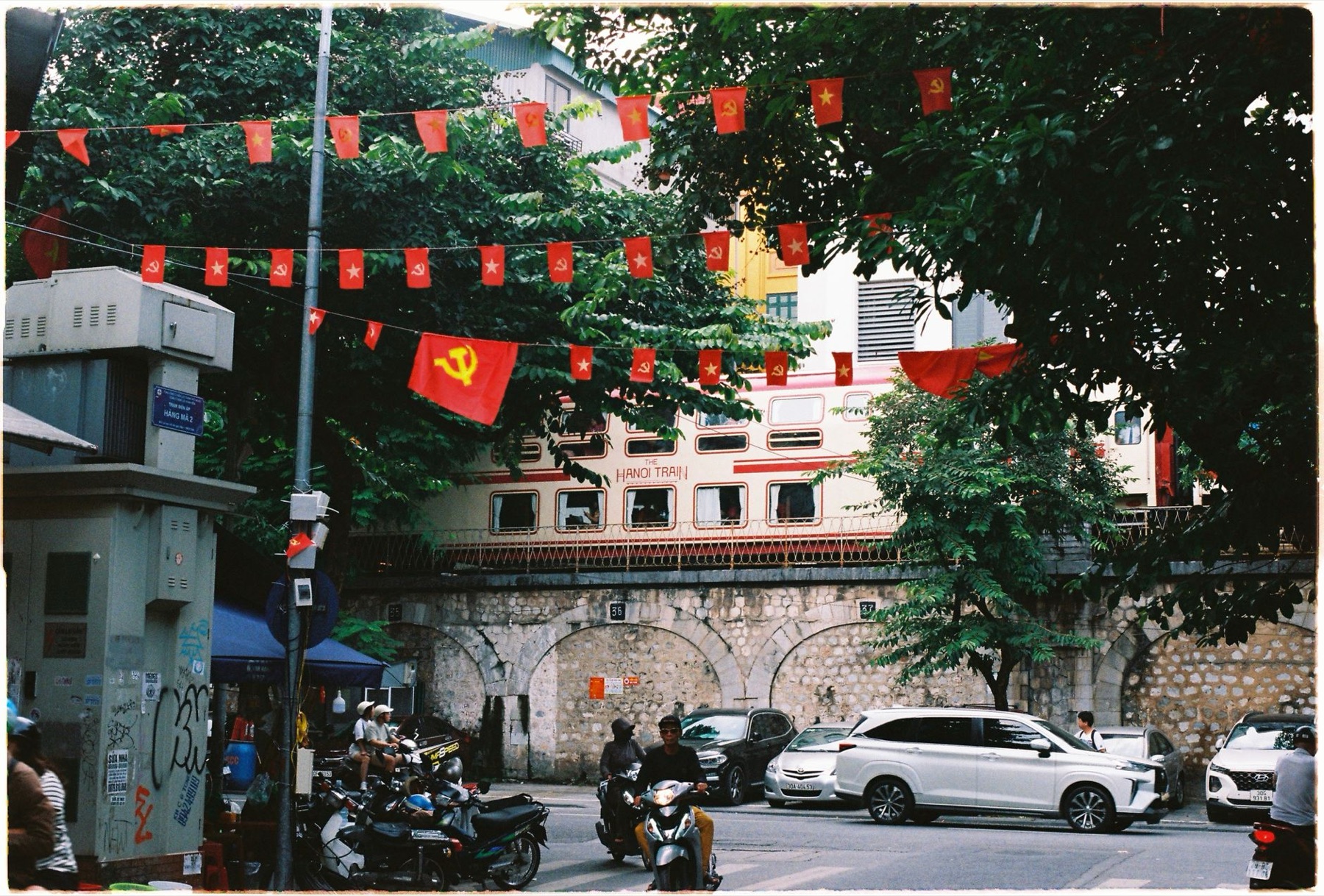
The Old Quarter (Hoan Kiem district, around Hang Dao and Cau Go streets) is chaos by design—narrow alleys, street vendors grilling meat at midnight, neon signs crammed three-deep. Expect constant motion, cheap beer, and a backpacker social scene. If you crave solitude or quiet mornings, skip this zone. But if you want to be inside Hanoi's pulse, immerse yourself fully.
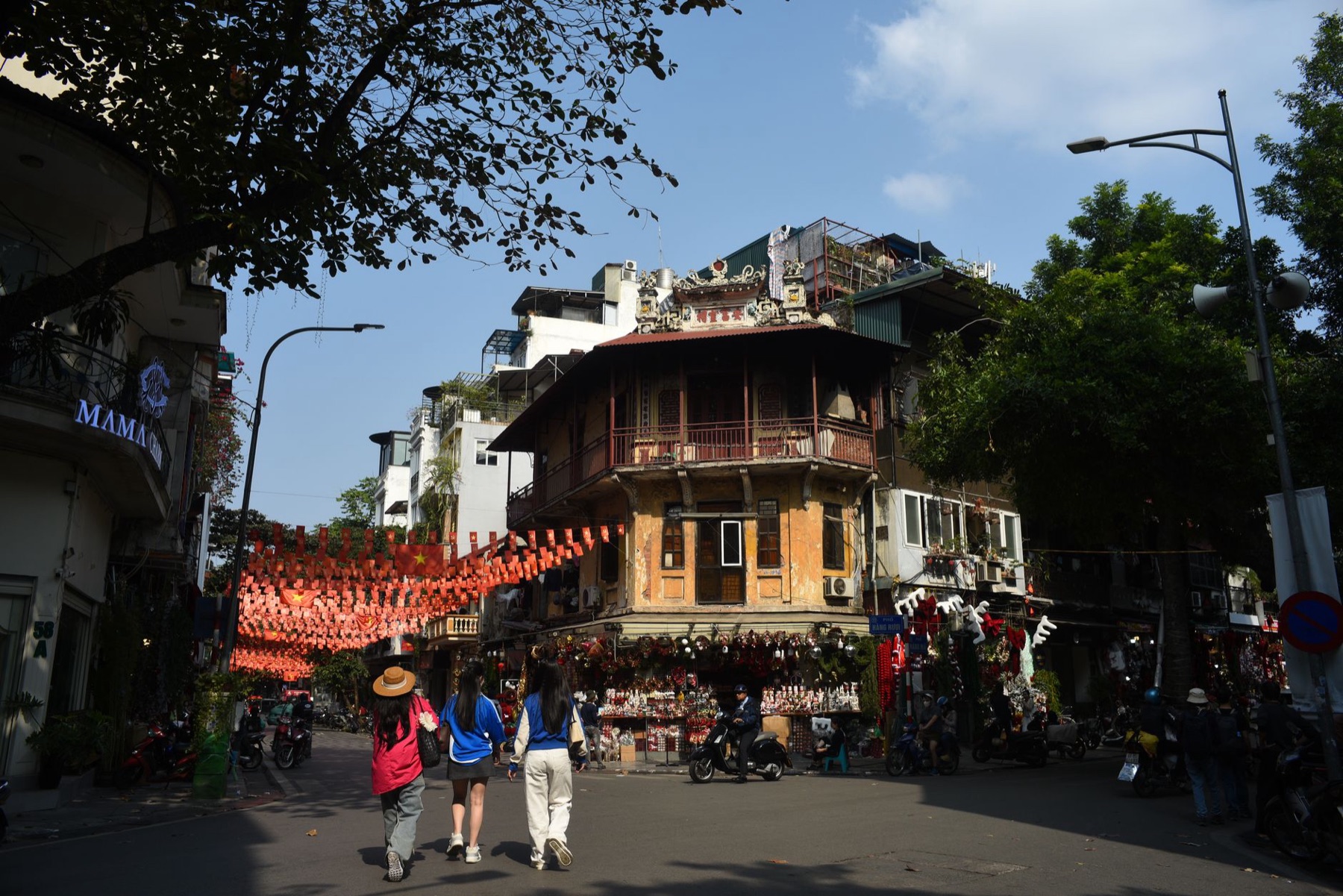
Hoan Kiem Lake area (southern Old Quarter edges) filters the noise: fewer alleys, broader streets, boutique hotels and cafés. You're still central but calmer. Walk 10 minutes to chaos or stay in your zone.
Tay Ho (West Lake) is where Hanoi's wealthy and expats live. Tree-lined streets, design cafés, gyms, and silence. Neighborhoods like Quang An or Tay Ho proper feel like different cities. Downside: farther from major sights, need a taxi or grab (motorbike app) to explore downtown.
Cau Giay and Ba Dinh (near Hoan Kiem, northwest) host mid-range hotels and young Vietnamese locals. Less touristy, better food prices, neighborhoods feel lived-in. Walk-friendly; most landmarks are reachable in 15–25 minutes by foot.
Dong Da and Hai Ba Trung (south and southeast) are residential zones tourists rarely mention. Cheap, authentic, but expect to taxi back after dark.
🗺️ Plan your route: Vietnam itinerary
What's the Realistic Cost Across Hanoi Neighborhoods?
| Neighborhood | Typical Nightly Rate (USD) | Best For | Trade-offs |
|---|---|---|---|
| Old Quarter (Hoan Kiem) | $15–$50 | Backpackers, first-timers | Noise, crowds, hawkers |
| Hoan Kiem Lake fringe | $40–$120 | Comfort seekers, couples | Mid-range pricing, central |
| Tay Ho | $80–$250 | Expats, luxury travelers | Remote from sights, taxi-dependent |
| Cau Giay / Ba Dinh | $25–$80 | Budget + local flavor | Less English spoken, fewer tourist services |
| Dong Da / Hai Ba Trung | $15–$40 | Budget-conscious stayers | Residential feel, need transport |
Prices reflect standard mid-range and budget hotels. Luxury outliers exist everywhere but follow this band. Book direct or via local agents in Hanoi to negotiate off-season rates (May–August, November).
How Do I Avoid Common Hanoi Accommodation Mistakes?
Don't assume Old Quarter = savings. Budget hotels here charge $25–$45/night yet you'll spend more on food and drinks in tourist traps. A $50/night hotel in Cau Giay gets you quiet, good cafés, and cheaper meals outside.
Don't rely on online reviews alone. Photos are often outdated or taken in favorable light. Read recent reviews from the last 30 days; older stars don't reflect current management or maintenance.
Do visit during shoulder seasons (March–April, September–October). Hanoi's climate is mild, streets are less humid, and hotels drop rates 15–20% from peak. December–February is dry and cool but busy (and pricier).
Do ask hotel staff about neighborhood facts, not tourist maps. They know which streets flood in rain, where motorbikes park, which alleys are safe at night.
Do book transport to/from airport in advance. Hanoi Noi Bai is 25 km northeast. Grab (app-based) costs around $7–$12; metered taxis around $8–$15. Avoid unofficial "helpful" drivers outside arrivals.
What Amenities Matter Most in Hanoi Hotels?
Air conditioning is non-negotiable—even budget places have it. May to September, you'll run the AC constantly. A fan alone won't cut it.
WiFi speed varies wildly. If you're working remotely, test the connection before committing. Many mid-range hotels advertise WiFi but speeds drop during peak hours (7–10 p.m.).
Hot water heaters are standard but sometimes temperamental in the Old Quarter. If you prefer consistent showers, splurge slightly; cheaper places may have erratic pressure or temperature.
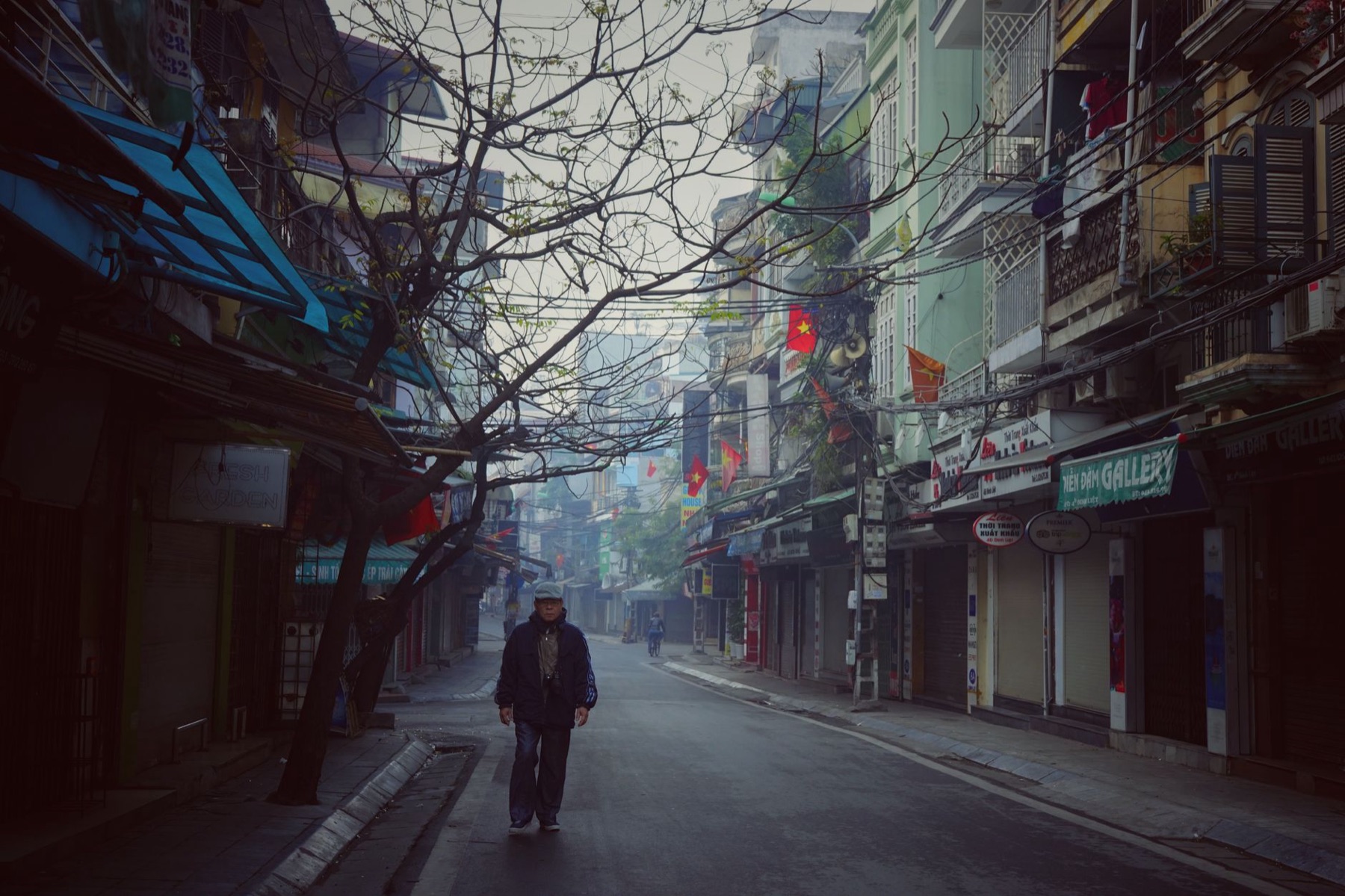
Noise insulation matters near main streets. Hang Dao or Cau Go streets mean motorbike traffic and vendors until 11 p.m. Side alleys are quieter. Ask which floor is offered—higher floors quieter.
Breakfast (or lack thereof) shapes your day. Hostels and budget hotels rarely include food. Mid-range hotels often add local or continental breakfast. Check listing details.
🎟️ Compare tours & tickets for this place
How Do I Choose Between Tourist-Heavy and Local-Focused Areas?
Tourist-heavy zones (Old Quarter, Hoan Kiem Lake) offer:
- English spoken everywhere
- International restaurants, Western toilets, familiar hygiene standards
- Organized tours and activities booked in-house
- Higher prices, crowded streets, aggressive vendors
Local-focused areas (Cau Giay, Ba Dinh, Dong Da) offer:
- Authentic food at half the price
- Fewer tourists means zero haggling at street stalls
- Slower pace, genuine conversations, real neighborhood life
- Less English; need basic phrases or translation app
The honest take: Tourist zones work if you're overwhelmed, tired, or on a tight schedule. Local areas reward curiosity and time. Most travelers blend both—stay in a fringe neighborhood (Cau Giay or Hoan Kiem Lake edge), venture into Old Quarter for one night out, and spend mornings in quiet cafés.
If you're planning extended stays in Hanoi or building a multi-city trip, explore the full Hanoi guide and check our Vietnam itinerary planner to optimize route and timing across regions like Ha Long Bay, Ninh Binh, Sapa, and Hoi An.
What to Check Before You Book a Hanoi Hotel
- Cancellation policy. Hanoi flights can be disrupted by weather (Aug–Sep typhoons). Confirm free cancellation up to 48–72 hours.
- Location on a map app. Paste the address into Google Maps. Walk the route virtually; check nearby streets for noise/traffic.
- Recent photos. Scroll to reviewer-uploaded images dated within 60 days. Professional photos hide wear.
- Check-in/out times. Standard is 2 p.m. in, 12 p.m. out. If arriving early or late, confirm flexibility or luggage storage.
- Neighborhood safety at night. Read reviews mentioning late returns or safety concerns. Hoan Kiem Lake area and Cau Giay are safe; isolated edges of Dong Da require taxi rides after 10 p.m.
- Street-level noise. Hotels on Hang Dao, Cau Go, or busy Tran Hung Dao streets report 5 a.m. motorbike traffic. Side alleys stay quieter.
📸 Book an ao dai photoshoot in Hanoi or Saigon (Cáo Studio)
Capture your Hanoi stay with a professional ao dai session in the Old Quarter, around Hoan Kiem Lake, or at local landmarks. Cáo Studio handles makeup, hair, and editing for travelers—a keepsake that ties your neighborhood choice to memory.
If you're staying in Hanoi longer than 3 days, consider adding a flower delivery to your hotel (Hoa Lang Thang ships fresh arrangements same-day in Hanoi) for a room refresh or gift. Many travelers book small gifts for hosts or colleagues—a thoughtful touch hotels don't always provide.
For planning beyond Hanoi, cross-reference Ho Chi Minh City's accommodation guide and regional stays. Ensure your Vietnam e-visa and eSIM for data are sorted before arrival so you can book on the fly or navigate neighborhood changes mid-trip.
FAQ
Is the Old Quarter safe for solo female travelers?
Yes, largely. It's crowded and well-lit until late. Avoid empty alleys after midnight and use Grab (app) for transport. Most solo travelers report no safety issues; petty theft and scams are rare but take basic precautions (secure bags, don't flash valuables).
How do I get from Noi Bai Airport to my hotel?
Grab (motorbike or car app) costs $7–$12 to Old Quarter; metered taxi $8–$15. Many hotels arrange airport transfers for $12–$18. Book in advance to avoid negotiating with unofficial drivers.
What's the best neighborhood if I'm staying 1 week vs. 1 month?
One week: Old Quarter or Hoan Kiem Lake fringe for maximum walkability and sights. One month: Cau Giay or Ba Dinh—cheaper food, local cafés, slower pace, you'll want breathing room from tourist chaos.
Should I book a hostel or budget hotel?
Hostels are social but noisy; budget hotels (single or double rooms) offer more control over quiet and privacy. If you're traveling solo and want connections, hostels work. If you value sleep and routine, budget hotels ($25–$40/night) are better value in Hanoi.
Do I need Vietnamese language skills to stay outside the Old Quarter?
No. Basic English is spoken in Cau Giay and Ba Dinh. Download Google Translate or use your phone's camera translation feature. Hotel staff will help if you're lost. Hand them your hotel card (always carry one)—any taxi or Grab driver recognizes it.
FAQ
Is the Old Quarter safe for solo female travelers?
Yes, largely. It's crowded and well-lit until late. Avoid empty alleys after midnight and use Grab (app) for transport. Most solo travelers report no safety issues; petty theft and scams are rare but take basic precautions (secure bags, don't flash valuables).
How do I get from Noi Bai Airport to my hotel?
Grab (motorbike or car app) costs $7–$12 to Old Quarter; metered taxi $8–$15. Many hotels arrange airport transfers for $12–$18. Book in advance to avoid negotiating with unofficial drivers.
What's the best neighborhood if I'm staying 1 week vs. 1 month?
One week: Old Quarter or Hoan Kiem Lake fringe for maximum walkability and sights. One month: Cau Giay or Ba Dinh—cheaper food, local cafés, slower pace, you'll want breathing room from tourist chaos.
Should I book a hostel or budget hotel?
Hostels are social but noisy; budget hotels (single or double rooms) offer more control over quiet and privacy. If you're traveling solo and want connections, hostels work. If you value sleep and routine, budget hotels ($25–$40/night) are better value in Hanoi.
Do I need Vietnamese language skills to stay outside the Old Quarter?
No. Basic English is spoken in Cau Giay and Ba Dinh. Download Google Translate or use your phone's camera translation feature. Hotel staff will help if you're lost. Hand them your hotel card (always carry one)—any taxi or Grab driver recognizes it.